Turntable Talk #43 – Spooky Tunes

It’s time once again for Turntable Talk. This is the 43rd round and since it will begin around Halloween, Dave from A Sound Day asked us to “pick a song that you like that is either about a scary story or person, or just sounds kind of spooky or scary to you.” What do you choose?

There are many songs that come to mind. Because my piece will be toward the end of the contributions, I am avoiding the obvious ones: Monster Mash, Werewolves of London, Purple People Eater, Witch Doctor, Thriller, Ghostbusters, etc… I am sure by the time this publishes, at least one or two of these will have been chosen.

I have chosen to go with an odd tune that you may not be familiar with. It was actually a movie song from the 1936 film, Pennies From Heaven. The film starred Bing Crosby and Louis Armstrong. He was hired for the film at the insistence of Bing Crosby, Bing was a lifelong student, friend, collaborator and admirer of Armstrong. When the film came out, Armstrong got his own credit during the main titles, making him the first African-American to get featured billing alongside white actors. 
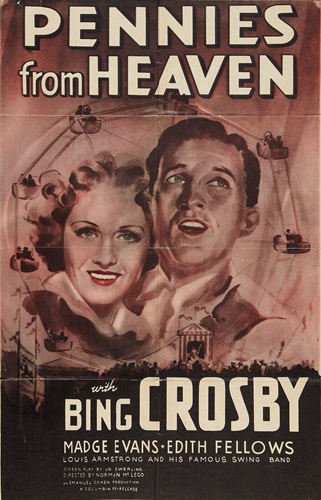
According to the Wonderful World of Louis Armstrong, Louis was “playing a bandleader who is hired by Crosby to perform at his nightclub, Armstrong’s “role, as written, makes one cringe,” according to Lawrence Bergreen. Bergreen quotes an exchange between Armstrong and Crosby in the film, comedically playing on the ignorance of Armstrong’s character, who asks for seven percent instead of accepting Bing’s offering of ten percent because his is a seven-piece band, “And none of us knows how to divide ten percent up by seven.

Bergreen writes that this banter dwells “on black inferiority and subservience” but what he doesn’t mention is that Pops (Armstrong) legitimately loved this scene, quoting it in front of friends on one of his later private tapes. One of his last television appearances was made with Crosby on the David Frost Show from February 10, 1971. During the interview portion, Armstrong talks about how much fun they had making the film and though 35 years had gone by. Armstrong quotes the entire “percent” scene, line by line, as it originally appeared in the film. Thus, it’s easy for a white critic to “cringe” while watching Pennies From Heaven but for Pops, funny was funny and he cherished the gags he was asked to deliver.

The lone song that Armstrong has to himself in the film is called “The Skeleton in the Closet.” As you watch this clip, I hope you appreciate the story telling and acting by Armstrong. I love watching him in this. He is completely enjoying himself while performing this. That is why I want you to see the movie scene first. The recording is good, but you certainly lose out by not being able to watch him.

The Wonderful World of Louis Armstrong says this about the recorded version: “The “spookiness” of the record gave the arranger the license to use all sorts of unusual harmonies and nonchord tones, things that would sound pretty modern ten years later, but just convey a haunted house spirit when used as they are on this record. ” Give it a listen.

Here are the lyrics:


There’s an old deserted mansion on an old forgotten road
Where the better ghosts and goblins always hang out
One night they threw a party in a manner a la mode
And they cordially invited all the gang out

At a dark, bewitchin’ hour when the fun was loud and hearty
A notorious wall flower became the life of the party
Mmm, the spooks were havin’ their midnight fling
The merry makin’ was in full swing
They shrieked themselves into a cheerful trance
When the skeleton in the closet started to dance


Now a goblin giggled with fiendish glee
A shout rang out from a big banshee
Amazement was in every ghostly glance
When the skeleton in the closet started to dance

All the witches were in stitches while his steps made rhythmic thumps
And they nearly dropped their broomsticks when he tried to do the bumps
You never heard such unearthly laughter, or such hilarious groans
When the skeleton in the closet rattled his bones

A Halloween classic? Probably not. However, it is a fun song that fits right in with Dave’s topic this month. I really hope that you enjoyed it and aren’t upset that I passed on “the usual” hits. The thing I love about Dave’s feature is being exposed to songs that are new to me.

Thanks again to Dave for hosting my favorite monthly feature to write for. I look forward to the next topic.

Thanks for reading!
Halloween Repost

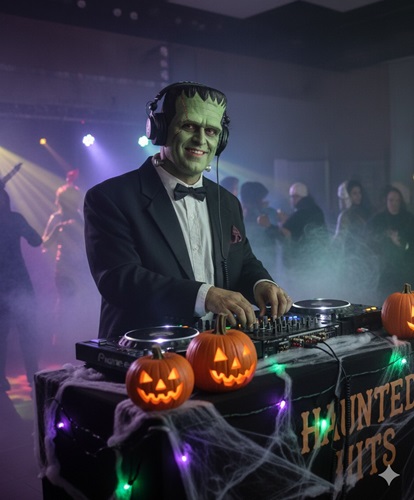
I know that this may step on the toes of Dave over at A Sound Day as his feature Turntable Talk this month will feature write ups about “Spooky Hits.” What follows is a piece I wrote about DJing Halloween Parties and the “must have” songs.

It shouldn’t ruin Dave’s feature much, as all I am doing is listing songs. So be sure to be on the lookout for Dave’s Spooky edition of Turntable Talk starting today.

(This post was originally from October of 2022.)

I have DJ’d countless Halloween parties. This year I had to turn down one of my favorite ones. For the past few years a local daycare throws a big party and kids and their parents dress up in costumes and it is always a blast. Due to my current work schedule, I was just not able to be there this year.

I always had to have a variety of “haunted” hits to play at these parties. In case you are looking for musical ideas for your Halloween party, here is a starter list.

As much as I hate this record, you have to play Bobby “Boris” Pickett

You’ve also gotta play Michael Jackson’s Thriller. (Love Vincent Price’s narration in this!)

A personal favorite is from the Classics IV – Spooky

I always loved Jumpin’ Gene Simmons version of Haunted House

A favorite of the kids – This Is Halloween from The Nightmare Before Christmas

Speaking of nightmares, DJ Jazzy Jeff and The Fresh Prince offer up Nightmare on My Street

A great one from The Eagles – Witchy Woman

Kid Rock sampled this one for All Summer Long – Werewolves of London from Warren Zevon

You gotta play Clap for the Wolfman from the Guess Who

How about the silly song called The Blob by The Five Blobs?

The Hocus Pocus movie brought this one back, but the original is the best version – I Put a Spell On You by Screaming Jay Hawkins

How about some Rockwell? Somebody’s Watching Me

Be careful who you run around with …. Van Halen – Runnin’ With the Devil

Another favorite of mine – Santana – Black Magic Woman

It’s a very rare occurrence to have a full moon on Halloween, but this song works all year round. Bad Moon Rising – CCR

The moon causes the Shadows in the Night – Pat Benatar

Beware of the walking dead …. Zombie by the Cranberries

Another overplayed Halloween Song – The Purple People Eater – Sheb Wooley

I suppose you have to play Ray Parker Jr. – Ghostbusters

Going back to the 50’s for a couple crazy songs …

The Mummy from Bob McFadden and Dor

From Chipmunk creator David Seville – The Witch Doctor

Grab a bite with a vampire – Dinner With Drac from John Zacherle

Three Devilish songs now –

Devil with the Blue Dress – Mitch Ryder and the Detroit Wheels

Sympathy for the Devil – The Rolling Stones

A classic from The Charlie Daniels Band – The Devil Went Down to Georgia

Alice Cooper did this one in Wayne’s World – Feed My Frankenstein

Speaking of Frankenstein – how about the Edgar Winter classic instrumental..

Need some cowbell?? Don’t Fear The Reaper – Blue Oyster Cult

A song I have blogged about in the past – Superstition – Stevie Wonder

Demons – Imagine Dragons

Trick or Treat … I Want Candy – Bow Wow Wow

Another 80’s flashback … Dead Man’s Party – Oingo Boingo

Lots of requests for Enter Sandman – Metallica

All good lists need a cut from Frank Sinatra – Witchcraft

I’ve never really understood how this is a Halloween song, but everyone wants to do the Time Warp from the Rocky Horror Picture Show

From another film (Rain Man) The Delta Rhythm Boys -sing about Dem Bones

Now, some kid favorites which had me searching YouTube a lot ….

Spooky Scary Skeletons

I sang this in music class when I was in elementary school and kids are still singing it today – Witches Brew

Then you can fill in with various Theme songs from films and TV …

Scooby Doo

Tales From The Crypt

The Twilight Zone

The Munsters

The Addams Family

The X-Files

Whew!!

Watch for my Turntable Talk pick in the days ahead on Dave’s sight (and eventually here). It is a song that I don’t mention in this blog!

Turntable Talk #42 – Going Out on a High Note

It is time once again for a new Turntable Talk topic from Dave at A Sound Day. Each month he offers up a musical topic for us to write about. This month we are Going out on a High Note. Dave’s instructions to us:

We all have seen artists (not to mention athletes, politicians…) who stick around long after they should have exited gracefully. For this round, pick a musical artist who you think ended their career on a high note, a great final album, or triumphant concert tour before they grew stale.

I had a difficult time with this one. As I began to think of artists, I kept coming up with artists who are still recording and touring. Willie Nelson, for example, is still making music and hitting the stage. Has he stayed around “too long?” Some say yes, while other say no. So my search continued. Then I remembered Bill Withers.

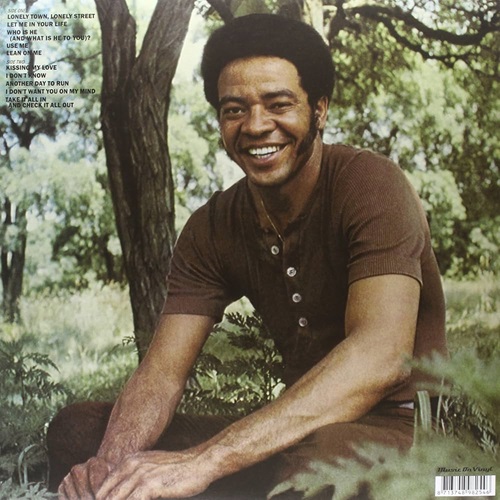
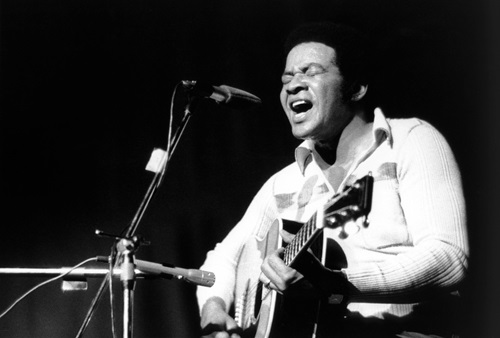
Bill served in the US Navy for almost 10 years. It was while he served our country that he began writing songs and became interested in singing. After he left the Navy, he decided to relocate to California in hopes of starting a career in music.

He found work as a mechanical assembler for several different companies including IBM, Ford, and the Douglas Aircraft Corporation. He used the money from his job to record demo tracks that he could take to record companies. He also began to play his songs in nightclubs in the area, hoping someone might discover him.

In 1967, he had his first official release – “Three Nights and a Morning.” It was a song that got little recognition. Three years later, he was signed to Sussex Records and Booker T Jones was assigned to produce Bill’s first album. That album, Just As I Am, included his first hit – “Ain’t No Sunshine.”

The album was a huge success and Withers rounded up a band and went out on tour. “Ain’t No Sunshine” was a Top 10 song and went on to win the Grammy for Best R&B Song in 1972. It also got him noticed by Johnny Carson’s Tonight Show, who sent him a letter inviting him to appear on the show.

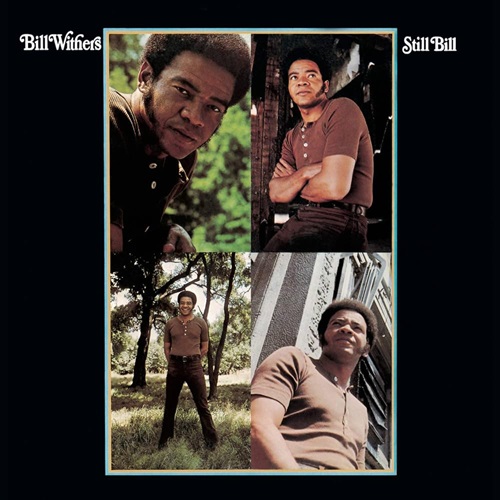
When his tour wrapped up, he used the time off to write and record songs for his second album entitled Still Bill. This album included Bill’s first #1 song – “Lean On Me,” which hit the top of the charts in July of 1972. This was followed up with his third million selling record – “Use Me.”

Bill’s relationship with Sussex record eventually went sour. He said of Sussex Records “They weren’t paying me.” He claims to have erased an entire album that he had recorded for the label in a fit of pique. “I could probably have handled that differently,” he said. There was an ongoing legal dispute with the Sussex company, and because of that Withers was unable to record for some time thereafter.

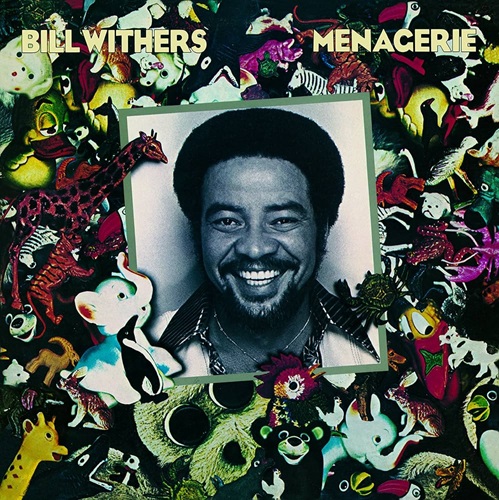
Sussex Records eventually went out of business and Bill had to find a new label. He wound up at Columbia Records in 1975. His first album on Columbia included the song “She’s Lonely,” which was featured in the movie Looking For Mr. Goodbar (which starred Richard Gere and Diane Keaton). He released an album every year afterward, including the 1977 album Menagerie which contained the hit “Lovely Day.”

Bill began to have trouble with Columbia. Apparently he was unable to get songs approved for his album. The label kept passing on the songs he wanted to record. Because of this, he decided to focus on joint projects beginning in 1977. He worked with the Crusaders, percussionist Ralph MacDonald, and jazz saxophonist Grover Washington Jr.

“Just The Two of Us” appeared on Washington’s 1980 album Winelight. It was released as a single in February of 1981 and went on to win a Grammy for Best R&B Song. In 1985, Withers released his final studio album, Watching You, Watching me. It was at this point that Bill decided to “go out on a high note.”

Withers was quoted in interviews that “a lot of the songs approved for the album—in particular, two of the first three singles released—were the same songs that had been rejected in 1982.” This played a big part in the eight-year hiatus between albums. Bill also stated how frustrating it was to see his record label release an album by actor Mr. T, when they were preventing him, an actual songwriter, from releasing his own.

With Columbia trying to exert control over his sound to sell more albums played a part in his decision to not record or re-sign with a record label after 1985. I would imagine the Mr. T thing played a part, too. This effectively ended his performing career, though remixes of his previously recorded music were released well after his “retirement.”

Withers was an artist who found musical success later in life. He was in his early 30’s when he began his career. Now at 47, he said he was socialized as a “regular guy” who had “a life before the music, so he did not feel an inherent need to keep recording once he fell out of love with the industry.” Bill felt he made the right decision. After leaving the music industry, he said that he did not miss touring and performing live and did not regret leaving music behind.

Accolades continued after his “retirement.” In 1988, he won another Grammy, this time as a songwriter for the cover of his “Lean on Me” by Club Nouveau. It won the Grammy for Best Rhythm and Blues Song. In 2005 he was inducted into the Songwriters Hall of Fame, followed in 2015 with his induction into the Rock and Roll Hall of Fame. He said:

“What few songs I wrote during my brief career, there ain’t a genre that somebody didn’t record them in. I’m not a virtuoso, but I was able to write songs that people could identify with. I don’t think I’ve done bad for a guy from Slab Fork, West Virginia.”

Bill passed away in March of 2020 in a Los Angeles hospital due to cardiac complications.

He is still receiving accolades in 2025. Last month, he was selected to be inducted into the National Rhythm and Blues Hall of Fame. The induction ceremony usually takes place in October.

Thanks to Dave for once again hosting Turntable Talk. I am already looking forward to what next month’s topic will be.

Turntable Talk #39 – Bands? We Don’t Need No Stinkin’ Bands!

Dave at A Sound Day just wrapped up his monthly feature Turntable Talk. It was an interesting topic this time around and there were a lot of surprises as to who everyone chose to write about. This was my entry to the feature, which originally posted on Dave’s site on Monday:

It is time once again for Dave’s feature Turntable Talk. Dave features this every month on his site A Sound Day. This is the 39th edition, and he continues to come up with fantastic topics. This month is a fun one: Bands? We Don’t Need No Stinkin’ Bands!  Dave’s instructions were simple: This time around, we’re looking for artists who left popular bands to go solo and did well (either commercially or else in your own critical assessment.)

I am sure that I did exactly what the other participants did when the topic was presented – I Googled. I was actually surprised at just how many artists moved from a group to become a solo artist. Off the top of my head I can list Diana Ross, Sting, Lionel Richie, Eric Clapton, Gwen Stefani, Ricky Martin, Peter Gabriel, Rob Thomas, Steve Perry, Lou Gramm, and Justin Timberlake. There are SO many.

In all honesty, I had my choice almost immediately. However, as I began to write about him, there was another artist connected with him that became more interesting to me. It was an artist who had solo success for a short time, and then a sad ending.

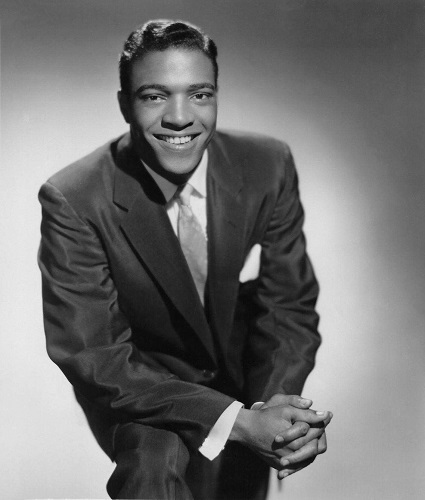
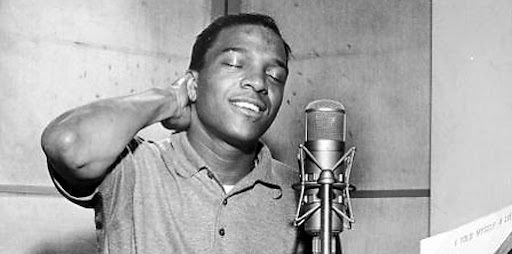
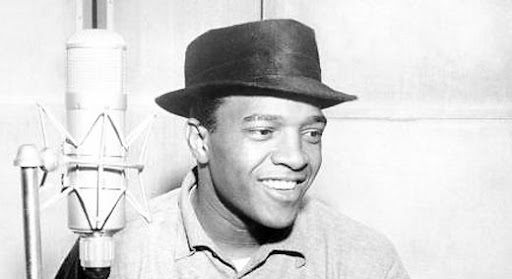
If I mention The Drifters I am sure you can name a few of their big hits. Under The Boardwalk, This Magic Moment, and Up On The Roof are just some of them. The Drifters were formed by my choice artist in 1953. His name was Clyde McPhatter. Let’s go back a couple years to see how it all came together.

Like many artists, Clyde McPhatter began singing in the church choir at his father’s church. In 1950, he was working at a grocery store. He entered the Amateur Night contest at Harlem’s Apollo Theater – and won! Afterward, he went back to working in the store.

One Sunday, Billy Ward of Billy Ward and the Dominoes heard Clyde singing in the choir of Holiness Baptist Church of New York City. He was immediately recruited to join the group. Clyde was there for the recording of their hit “Sixty Minute Man,” which was a number one song on the R&B chart for 14 weeks in 1951.

My original pick for this round was Jackie Wilson. Jackie was hired by Billy Ward in 1953 to join The Dominoes. That same year, Clyde left the group. He coached Wilson while they were out touring together. Wilson would leave in 1957. Apparently, Ward was not pleasant to work with. Wilson said, “Billy Ward was not an easy man to work for. He played piano and organ, could arrange, and he was a fine director and coach. He knew what he wanted, and you had to give it to him. And he was a strict disciplinarian. You better believe it! You paid a fine if you stepped out of line.”

Atlantic Records saw a Dominoes show and noticed that Clyde was not with the group, so they searched for him, found him and wanted to sign him to a record deal. Clyde agreed to sign on one condition – they allow him to form his own group. That group was the Drifters. While known as Clyde McPhatter and the Drifters, they released songs like Money Honey.

Elvis Presley covered Money Honey in 1956. In researching for this piece I was surprised to find that McPhatter and the Drifters did the original of another Elvis hit – Such a Night.

In late 1954, McPhatter was inducted into the U.S. Army. He assigned to Special Services in the continental United States. This allowed him to continue recording. After his tour of duty, he left the Drifters and launched a solo career. The Drifters continued as a successful group, but with many changes in personnel, and the group assembled by McPhatter was long gone by the time their greatest successes were released after he left the group.

It would take two years, but Clyde would finally get his first solo #1 R&B hit when he released “Treasure of Love” in 1956. It would top out at #16 on the US Pop Chart. I love his vocal on this one.

His biggest solo hit would come in 1958 when he recorded and released a song written by Brook Benton. A Lover’s Question would reach #6 on the Pop Chart. If I had to pick my favorite Clyde song, it would be this one. There is so much to love about this song. That acapella bass line being sung throughout the song is very catchy.

McPhatter would leave Atlantic Records and bounce from label to label recording many songs, but not having much success. His last top ten record would come in 1962 with a song written by Billy Swan. Lover Please was first recorded by the Rhythm Steppers in 1960. It was the title track from Clyde’s 1962 album of the same name. It would reach #7 on the Pop Chart.

Clyde did manage to have a top 30 hit in 1964 with “Crying Won’t Help You Now,” but when it fell of the chart, he turned to alcohol for comfort. He would record every so often, but nothing ever really did well on the charts. He always had a decent following in the UK, so in 1968 he moved to England.

He wouldn’t return to the US until 1970. Outside of performing on a few Rock and Roll Revival shows, he lived a very private and reclusive life. In 1972, Decca Records signed him and they were planning a a big comeback. That never materialized as Clyde passed away on June 13, 1972 of complications from liver, heart and kidney disease. This was brought on by his alcohol abuse years earlier. He was only 39 years old.

His legacy consists of over 22 years of recording history. Clyde was the first artist to be inducted twice into the Rock and Roll Hall of Fame, first as a solo artist and later as a member of the Drifters.

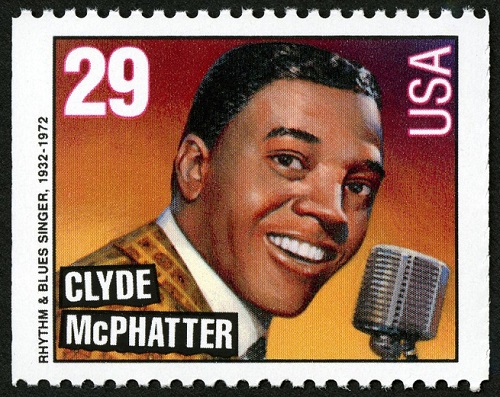
In 1993, Clyde was honored with his own stamp by the US Postal Service.

His career had ups and downs, and his hit songs were an important part of Rock and Roll history. Vocalists like Marv Johnson, Smokey Robinson and Ben E. King are all said to have patterned their vocal styles on Clyde’s. Others have cited him as a major influence as well. In the book “The Drifters” by Bill Millar, he says:

“McPhatter took hold of the Ink Spots’ simple major chord harmonies, drenched them in call-and-response patterns, and sang as if he were back in church. In doing so, he created a revolutionary musical style from which—thankfully—popular music will never recover.”

Thanks again to Dave for hosting another great round of Turntable Talk. I cannot wait to see who the other writers have picked and look forward to Round #40 next month.

Thanks for reading and thanks for listening!

Turntable Talk #38 – It’s About Time

Dave just wrapped up another chapter of Turntable Talk. This was my contribution:

It is time once again for Turntable Talk hosted by Dave at A Sound Day. For over three years now, he has offered up a musical topic each month for me (and other participants) to write about. This month’s topic is “It’s About Time.”

Dave’s instructions are simple. “Tell us about a song about “time.” It could be one using the word “time” in the title … and there’s no shortage of them… or one that actually somehow explores the passage of, or idea of time.” While this is a topic that is fairly easy, I can’t help but wonder if there will be duplicate submissions.

For example, right off the top of my head I came up with Time in a Bottle from Jim Croce (which I have written about before. Then Time After Time from Cyndi Lauper came to mind. This was followed by Cher’s If I Could Turn Back Time and Huey Lewis’ Back in Time. Before I could shut my mind off Styx Too Much Time on My Hands and Semisonic’s Closing Time entered my mind.

I immediately discarded those, because I am sure that the other participants would choose one of those. So I dug a little deeper and tried to think of a song that might not be someone’s choice. I narrowed it down to No Time by the Guess Who, Just in Time by Dean Martin, Crying Time from Ray Charles, Time is Tight by Booker T and the MG’s, and my choice.

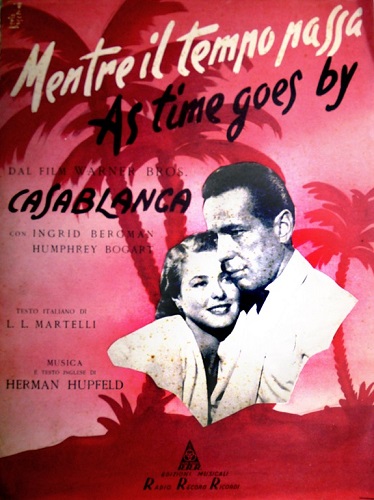
I chose a song written by Herman Hupfeld! Now everyone knows Herman, right? No. Not really, but I am sure you will know the song. It is a song that was written in 1931 for the Broadway show “Everybody’s Welcome.” It was first recorded by Rudy Vallee in July of 1931. It would be covered by Billie Holiday, Louis Armstrong, Frank and Nancy Sinatra, Natalie Cole, Carly Simon and Bob Dylan (Just to name a few).

While the song was recorded a few times after Vallee’s version, it was 11 years later when it would really get noticed. In 1942, the song was sung by the character “Sam” (portrayed by Dooley Wilson) in the classic film – Casablanca. As Time Goes by is heard throughout the film in short musical breaks.

RCA Victor wanted Dooley to record a version of it to be released to the public. However, a musician’s strike happened between 1942 and 1944, so he was not allowed to do so. Instead, the record label re-released the Rudy Vallee version, which went on to become a number one record (11 years after the original release).

Wiki states: Like many later singers, Wilson in Casablanca starts with “You must remember this, a kiss is still a kiss…”, singing only the verses and refrain (“As time goes by”). He entirely omits the intro that put those “fundamental things” into context: “This day and age we’re living in gives cause for apprehension, With speed and new invention and things like third dimension. Yet, we get a trifle weary with Mister Einsten’s theory, So we must get down to earth, at times relax, relieve the tension. No matter what the progress or what may yet be proved, The simple facts of life are such they cannot be removed.”

The song was voted No. 2 on the AFI’s 100 Years… 100 Songs special. The show commemorated the best songs in film.

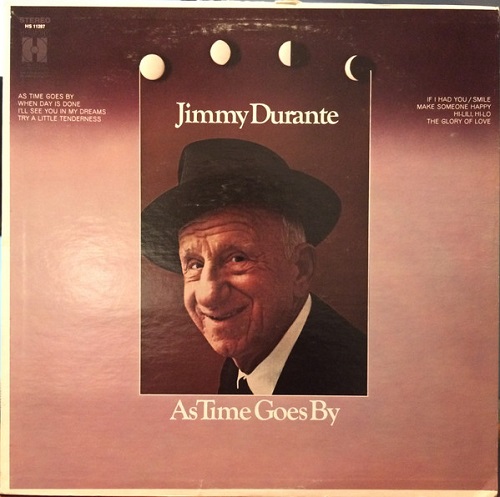
The version I chose to feature is by a multi-talented comedian, actor, pianist and singer. His voice was instantly recognizable on radio. He was a guest on many television shows and had some success as a singer. He is, however, probably best known for … his nose. His nickname was “the schnozzola.” I am, of course, talking about the great Jimmy Durante.

The song itself is beautiful. Every artist who has covered it brings their own special take on it. There is something that really hits me when I hear Durante’s version. Despite that raspy voice, there is a sincerity that makes it just a bit better than the other versions. I’m not trying to diss the other versions, but none of them give me goosebumps when I hear them. Jimmy’s version does. For some reason, his voice blends so well with the string arrangement.

Before I post the song, you know I have to say it – “Play it again, Sam!”

In a live version, Jimmy adds the intro that many leave out.

Thanks again to Dave for asking me to participate and for hosting this feature. I’m excited to see the choices of the other writers!

Thanks for reading and for listening!

Share Your Nostalgia – Round 3

A while back, I asked some blogger friends if they’d want to write a piece for my Share Your Nostalgia feature. In the past we have looked at Favorite Childhood Toy and Favorite Childhood Book. Today, we go back to Saturday mornings. This was when we sat in front of the TV with our favorite cereal and watched hours of cartoons. So I asked my guests to write about their favorite cartoon or cartoon character growing up.

Today’s guest blogger is no stranger to readers of this blog. He is my friend, Dave, from A Sound Day. He has been hosting his monthly music feature Turntable Talk for 3 years. I have been lucky enough to write for every topic. He is also the one who encouraged me to host a feature of my own, which is this one. I have used his presentation as a blueprint for my feature. I appreciate Dave’s support on this. I probably would have never started it, had he not encouraged me. For that, I thank you!

I’m excited to see what Dave’s thoughts are, so I’ll turn it over to him….

Thanks to Keith for inviting me back to this round of his super “Share your Nostalgia”. I love the idea and the picks for toys and books were pretty simple for me. But this round is a bit different. Keith mentioned that I challenged him a little in the last round of my Music round-table, Turntable Talk, with a tricky topic. Well, I think he’s going tit-for-tat here; I had to think some about this one – a favorite childhood cartoon.

I loved cartoons as a kid, but it’s odd. I loved music then too, and I seem to have an almost photographic (or is it audio tape?) memory of the music I heard back then. It seems like I could close to pull a top 30 chart from the early-’70s out of my head and it would be fairly close to accurate; I can hear a few bars of a song from that era and usually I’ll identify it if it was on radio back then, even if I’d not thought about it for a couple of decades. Not so the cartoons though! My memories of the ones I watched are now a bit fuzzy.

Reading Christian’s column earlier this week, it occurs to me I could have gone for Peanuts and A Charlie Brown Christmas. I loved that show then, love it now and I likely have seen it each and every December since I was a kid, so I remember it pretty clearly! But even though it was animated, it somehow seems more like a “special” than a cartoon for me.

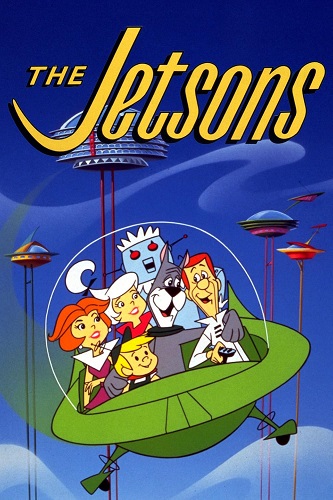
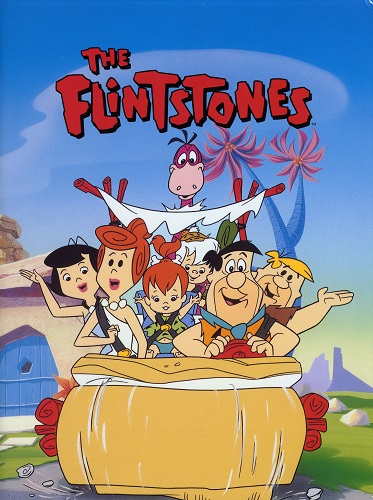
I do remember, as many others here will probably comment on too, that it was a different world back then. The Flintstones and Jetsons (both of which I liked) were something of a different breed, half hour cartoons with a full story line, and they played Monday-Friday when I was young. They were like a sitcom made via animation and the forefunner of The Simpsons, which for years as an adult in the ’90s was a weekly “must see”.

I remember seeing the Flintstones a lot during my school lunch breaks … the public school was just five doors up from our house so coming home was easy and I often had my sandwich while enjoying Fred and Barney’s antics. But otherwise, cartoons were pretty much just a Saturday morning thing. No Cartoon Network or round-the-clock programming with cartoons then, so they were a special treat. Many a Saturday I’d be up before my parents and crept into the living room (no TVs in our bedrooms back then either) and turn on the big old console TV quietly and laugh my head off at the cartoons. 

Now, it’s tough to really pick a particular favorite but what I recall well is that there were essentially two diffferent cartoon streams. There was Merrie Melodies/Looney Tunes and Hanna-Barbera. The first two were technically separate but by the 1940s had pretty much merged and were interchangeable. They were the dominant ones that played week after week, hour after hour it seemed. There were shows like Looney Tunes and the Bugs Bunny & Roadrunner Show. They were, I guess, the “stars” of the cartoon world – Bugs Bunny, Roadrunner and Coyote, Tweety bird and Sylvester the Cat, Porky Pig and of course, everyone’s favorite sexually abusive skunk, Pepe le Pew. There were endless numbers of the short cartoons featuring those characters and while I enjoyed them somewhat, they didn’t really grab me all that much.

Bugs Bunny actually bugged me somewhat – he was too smug, too arrogant. Looking back, I think it was indicative of my upbringing. Both parents rather stressed “don’t brag. Don’t show off” to me, and while even though my Dad wasn’t British (my Mom was) they both rather exuded that British “stiff upper lip” persona. As such, that smug, show offy rabbit got under my skin … though not as much as it did Elmer Fudd’s. Same goes for Tweety, as much as I love birds. And the Coyote, he I sort of felt sorry for. But even now recall wondering “why does he keep buying stuff from Acme when it always backfires on him?” 

I much preferred the Hanna-Barbera ones, though I didn’t see them nearly as much. They likely weren’t as popular overall. I guess Yogi Bear was the most famous of their Saturday morning characters, there were shows which incorporated Yogi into the title. I found Yogi, Booboo and their never-ending quest for a pic-a-nic basket kind of funny. But the real stars to me were some of the minor or secondary characters who’d have their own little bits now and again. Specifically, Auggie Doggie and Huckleberry Hound. 

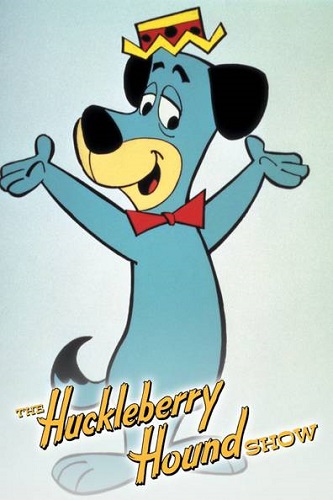
Huckleberry Hound was a laid-back blue dog with a southern accent apparently designed to sound like Andy Griffith. He’d try various jobs, like dog catcher or even ancient knight, usually not too well and was often outsmarted by local crows. All the while, his love was playing on his old banjo, singing “My darling Clementine” rather off-key. It was the first animated show to win an Emmy by the way, going back to 1960 when it won Outstanding Achievement in Children’s Programming. When I found this old clip of him on Youtube, it made me smile and think back again.

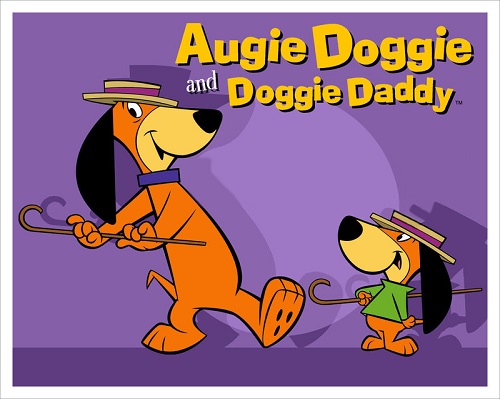
Auggie Doggie was a little dachshund pup who adored his father, Doggie Daddy. Auggie just wanted to make Dear Old Dad proud and Doggie Daddy doted on his son (in his Jimmy Durante-like voice) and together they took on a number of adventures… usually with unexpected consequences. For instance, in a review of the first season of its clips, storylines included Auggie creating a flying saucer and taking off into space and “Good Mouse Keeping” where the pair “try to get rid of an annoying mouse from their home” with the mouse always getting the upper hand. 

I liked those three dogs a lot, and perhaps even more because they weren’t as omni-present as the Merrie Melodies crew. Looking back, there was a sort of innocence and naivete about them perhaps lacking in the competitors which were a little mean at the core. Its a child-like quality that seems entirely welcome in shows for small children and something that, my very limited experience suggests has long disappeared from 21st Century cartoons. Those are usually better drawn or computer-animated and more action packed but lacking in storyline or morals. It’s nice to think back to a simpler time and simpler childhoods and watching a few of these old cartoons helps me do that, so thanks Keith for the topic. I hope you all have similar recollections or trips back to happy times of your past with the others’ picks too.

Share Your Nostalgia – Round 2

Back in November, I did a feature I called “Share Your Nostalgia.” I asked some of my blogger friends to write up a piece that focused on their favorite toy from childhood. The response was positive and it was suggested to do another round. So this time around, I asked for them to tell us about their Favorite Childhood Book.

Their book could be something that was read to them by their parents or grandparents. It could also be a book that was read to them in school at story time. I also suggested that their book might be one that they read to their own children. I wanted each of them to have as much freedom as necessary.

Today’s guest blogger is responsible for my continuing this feature. Dave from A Sound Day hosts Turntable Talk every month, which many of the participants and I take part in. It’s a wonderful music feature that we all enjoy taking part in. When I decided to try my feature, Dave was very supportive of the idea and felt it was worthy of doing again with a change in topic.

Dave has been one of those bloggers that I followed early on. His musical pieces are worth a read daily. Will his books have a musical theme to them? Let’s find out together…

Thanks Keith, for running this interesting feature and inviting me to be a part of it. Last time, we talked about toys we loved as a kid which brought me back a lot of nice memories, as it likely did to most of the readers I would bet. This time we’re remembering something that was as important as the toys to me growing up – books.

I feel fortunate I grew up in a household of readers, book-lovers. My Mom was a school teacher (although she pretty much gave that up to be a stay-at-home mom as my brother and I grew up) and loved books, read quite a bit. Even in her old age, she loved romance novels and Diana Galbadon fantasy books. She even read the hefty Harry Potter series by JK Rowling. My dad was more surprising to many. He dropped out of school at 14, more due to his family’s financial reasons than a disdain for education. He grew up speaking German but learned English when he came over here and taught himself a great deal reading. He built nice bookcases in our living room and filled them with books, fiction and non-fiction alike. He read anything from history epics to James Bond thrillers to ones of philosophy to books theorizing about extraterrestrials; probably where I got my fascination for UFOs from. There were series of books on foreign lands and even some novels that were considered on the “racy” side I’d eventually find out. He was walking proof that formal education isn’t necessarily equal to intelligence. Both of them had their flaws (we all do) but both loved reading and would often take me to the library or bookstores and for that I’m grateful.

Not surprisingly then, my parents got me reading pretty young. I can’t remember the exact dates or details, but most definitely I could read some basic things before I was near school age. 

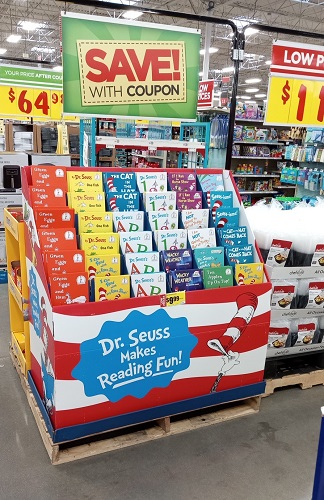
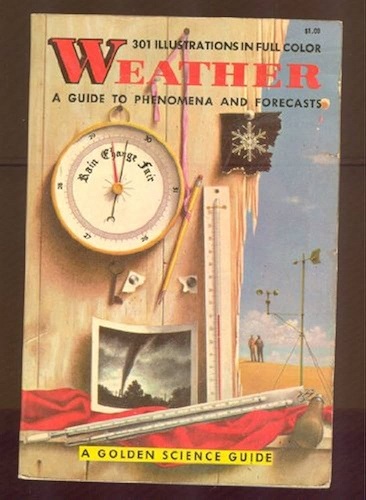
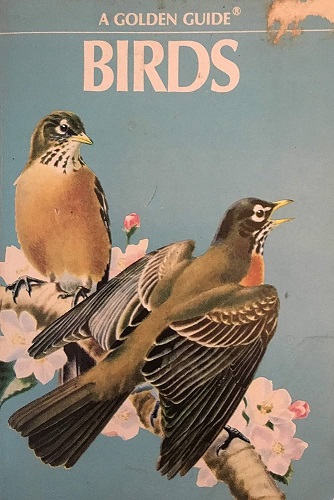
Like most kids my age, I would guess, the first books I remember having and learning to read (first having my mom read it and after awhile being able to myself) were various ones from the great, delightful Dr. Seuss. He had to have done more to promote literacy in young people than any other individual in the 1950s through ’70s. We had pretty much all of the “classic” titles in his collection; I’m thrilled when I go to my town supermarket now and see a big display featuring most of them, even in the same format and with the same covers I remember. Green Eggs & Ham was a real fave of mine, and I  liked that rascally Cat in the Hat but of course the prize in that set was The Grinch. Of course I loved the TV version of it (still do) but it was amazingly fun to me back then to be able to read the words and see the still pictures Ted Geisel (aka, Dr Seuss) drew for them.  I nearly picked those books collectively to feature but decided to go for something a little more unusual perhaps that were hugely important to me later, when I was … maybe eight to ten years old. The little Golden books, and in particular Weather : A Guide to Phenomena and Forecasts, and Birds : A Guide to Familiar American Birds.  Both were small, pocket-sized ( just a shade smaller than a Reader’s Digest magazine as a reference point), had 160 pages and were published in the mid-’50s. And both let me develop a couple of interests I already had into real passions.

Ever since I was little, the changes in the weather, and especially storms always fascinated me. When the thunder rolled or snow blizzarded so hard you could barely see across the street, I ran to the window, not for cover. By the time I was about 10, I had a little weather set and kept records of the temperature, the barometer, the amount of rain we got day-by-day. I was quite the nerd apparently! But I loved that stuff and the Golden book was the one that made me understand it all. It described air masses, cold and warm fronts, how storms developed, tornadoes and hurricanes  and how professionals measured it all and came up with forecasts. All explained with a lot of pictures and maps and in terms simple enough for a kid my age to understand, but not totally dumbed down. I swear that an average person who read through it twice might well have a better understanding of how weather works than a number of TV “weathermen” or “weatherwomen” I’ve seen on TV. It was a trusty reference book for me for years, probably until my parents split up and my Mom and I moved, when I was a teen. In no small part thanks to it, I even thought about becoming a meteorolgist. The amount of advanced schooling required for the degree and the probability of being sent to work in some remote northern locale ended up deterring me from that but to this day, I note the weather and try to see the weather maps online. I even took a training course a few years back offered by the Weather Service to be an informed weather spotter… basically if I see a wall cloud that’s rotating or nickel-sized hail falling, I can call into the weather office and report it and they won’t think I’m some total bozo without a clue.

The birds book had a similar effect on me, and I probably got it around the same age. I’d always loved nature, and back then our family often watched shows like Wild Kingdom . I was fascinated. When my Mom put out a bird feeder in the birch tree in our front yard, near the living room window, I soon became enthralled by the creatures. The color, the vibrancy, the variety… I’d spend hours at times in winter adoring the tiny, busy chickadees, admiring the occasional neon-red Cardinal that dropped by, seeing the goldfinches and being amazed how the dazzling yellow June ones and the more subdued olive-and-brown January ones were the same birds! All the while, I thought the bold, loud and ultra-colorful Blue Jays were just about the best. How great for me my favorite baseball team chose them as their name and symbol!

Anyway,  when something unfamiliar showed up in the yard, I was always wondering what it was. What it ate, where it came from, that sort of thing. The Golden book helped me do that. Now, it was only 160 pages, so it probably only covered about 140 or so species; a small sampling of the over 700 types that inhabit the U.S. and Canada. But most of the ones I saw regularly were in there, or if not, were close to ones that were shown. Soon I knew a Slate-colored Junco was that little blackish sparrow eating seeds on the ground and those green-headed ducks I’d see on every pond and creek were Mallards. The book showed them, told a bit about them in a paragraph or two, and even had a little map to show where you should expect to see them. It also made me see birds that I wanted to see but hadn’t – man, who can look at a Pileated Woodpecker, the one the cartoonist based Woody on, the size of a crow with a flaming red crest on top of its head, and not be in awe? I would venture out to parks and woods to look for some of those magic creatures, and in time saw most of them. Soon of course, I wanted to know more and got a full field guide (as it happens, also a Golden one, but a much more scientific and complete one, over 400 pages with pretty much every bird on the continent shown) that could tell me all those species and how to tell them apart, but it was the little beginners one that got me to that point. I found one in a used store not many years ago, and of course bought it. Why wouldn’t I? 

If I wasn’t nostalgic for my childhood, I wouldn’t be writing this for Keith… and if you weren’t for your own childhood, you wouldn’t be reading it.

My brother at those ages liked the Hardy Boys. Nothing wrong with that, but I guess I was always more fascinated by what really was than what could be in a pretend world. Thanks to the creators of that Golden series for helping me understand the basics and become even more fascinated with every bit I learned.

Turntable Talk #33 – One More For Under The Tree

Once again, it is time for Turntable Talk, our monthly musical topic hosted by Dave from A Sound Day. Most readers are familiar with this feature. Dave gives some of us musical bloggers a topic and we write about it. This month, he asked for our help in creating a holiday playlist.

Per his instructions: “Because of the time of the year, we’ll keep it simple –  One More For Under The Tree.  Just pick a favorite Christmas / holiday season song of yours and tell us a wee bit about it and maybe why you love it. If it’s a ‘standard’, old or new, pick the favorite version of yours and we’ll make a nice little Christmas playlist of sorts.”

A couple years ago, we did something similar. As someone who loves Christmas music, it is difficult for me to chose just one. I will try to keep it to no more than two. Maybe three. Surely, not four….

The song I want to feature is one that has never really been classified as a “Christmas” song. It is not one that you will hear often (if at all) on the radio in December. You will find it on a few 1970’s Holiday compilation albums, though. It was first released as a B-side of a single and released again as a posthumous single.

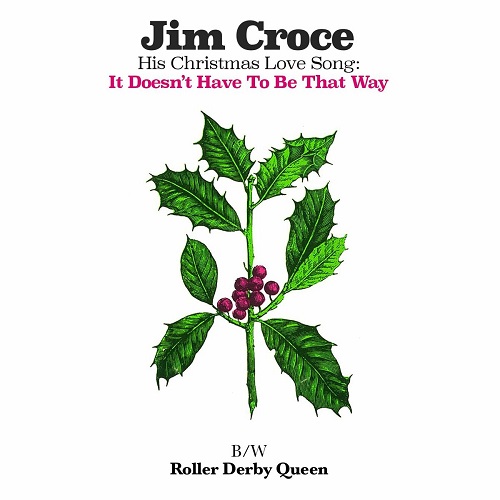
It Doesn’t Have To Be That Way

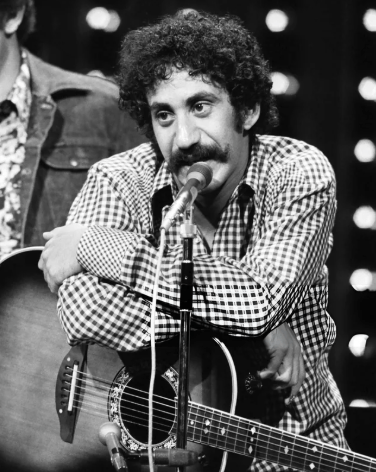
Jim Croce’s It Doesn’t Have to Be That Way was on his 1973 Life and Times Album. It was the B-side of One Less Set of Footsteps. He died in a plane crash in September of that year. It was in December that his label rereleased the song as the final single from the album. The song paints some wonderful images of winter and Christmas for the listener. Perhaps this is what the label was hoping to take advantage of when it was released again.

I was introduced to this song by a gal I was dating in the late 1980’s. I had never heard the song before and she had told me it was one of her favorites. From the opening guitar work and Jim’s vocal, I was hooked. The song is melodically beautiful. As beautiful as it is, however, it is a sad song.

Anyone who has ever gone through a break-up around the holidays will tell you how difficult it is. The festive decorations, the warmth and happiness of the season, and the overall feeling of love can really cause depression. No one wants to be alone at Christmas time.

The singer reveals himself to be a man who has recently ended a relationship. As the holiday season approaches, the Christmas atmosphere in his town is evident nearly everywhere. The lyrics attest to that. As he experiences his surroundings, he begins to wish that he and his lover could reunite. He professes that it was a mistake to end their relationship and that it can easily be rekindled.

The song ends in mystery. In a bold move, the man says he will be stopping by his old lover’s place to “get it together.” “It’s only right” for them to start the relationship again according to the song. We never do find out what happens. Perhaps the “happy” chimes at the end of the song elude to a happy ending.

The songwriting team of Jerry Leiber and Mike Stoller wrote over 70 hit songs together. They wrote songs in the 1950’s for The Coasters, Wilbert Harrision, Big Mama, Thorton, and Elvis Presley. One of those Elvis songs was the one that opened his first Christmas album…

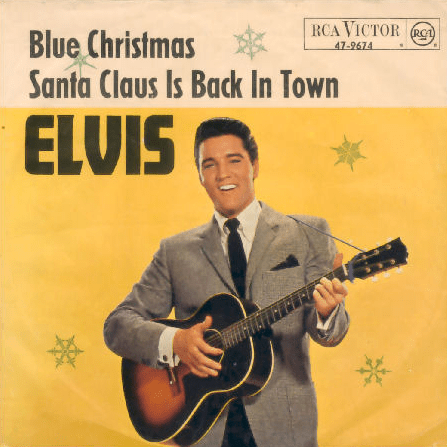
Santa Claus is Back In Town

Elvis’ Christmas Album was released in 1957. It contained twelve songs – six on each side. Side A contained the more contemporary cuts like Blue Christmas, White Christmas and Santa Claus is Back in Town. Side B contained the more religious and sacred songs like Silent Night and O Little Town of Bethlehem.

For years, I was only familiar with his versions of Blue Christmas and Here Comes Santa Claus. You know, the ones that played on the radio. In 1994, I picked up the compilation “If Every Day Was Like Christmas.” It included early Christmas songs as well as his later songs. I first heard Santa Claus is Back in Town on this album.

The song is a basic twelve-bar blues song with three verses. I have always wished that Elvis would have recorded an album of all blues songs. The genre (and the mixing of blues and rock) is one that allows him to shine. This song is a prime example of this. It is a raunchy, raw, and dirty blues song that is misleading from the beginning.

The song begins a group singing the word “Christmas” three times. You get the feeling that you are about to hear this beautiful holiday song. Suddenly the drum kicks, Elvis growls his first lyric and the blues begin!

Elvis howls his was through the verses as “Santa Claus,” who has no sleigh, but a black Cadillac instead. He also tells his pretty baby to expect him to come down her chimney later that night. The chorus begs her to be a good little girl because Santa is back in town. Naturally, the lyrics and the song itself are meant to have that “double entendre” and “innuendo” to it.

Many people have covered this song, including Dwight Yoakam, Foghat, Billy Idol, and Joe Perry. Even Kurt Russell performed it in the Netflix special, “The Christmas Chronicles.” These versions never seem to live up to the energy and the grittiness that the Elvis version has. None of them have ever given me goosebumps when I hear it either. The Elvis version does. His version is the best!

The question I pose now is a simple one. Is it possible to make this song sound even better? Personally, I think so. When the Royal Philharmonic Orchestra accompanied Elvis on a Christmas album in 2017, it brought it to an entire new level! It is still gritty. It is still bluesy. It is still raunchy. But now, you’ve got this fantastic horn line that takes it up a notch. Mix the orchestra parts with the original arrangement and you have a much fuller and fresh sound. Now, there is a raunchy “sparkle” to it.

Dave, thank you for again asking me to be a part of this feature. To my fellow music bloggers and you, I wish you and your family a Happy Holiday season. May you and yours have a blessed and Merry Christmas! Here’s to an amazing 2025!!

Turntable Talk #31 – Hit The Road Jack

It is time for another edition of Turntable Talk, hosted by Dave from A Sound Day. There seems to be no shortage of music topics for him to present. This month the topic is a bit different. Here are his instructions:

It’s time to Hit the Road, Jack … you’re invited to take part in a sort of magical road trip… but with a few restrictions. You can go to any music location you’d like to see, and if it is long gone, we can assume it was still there for you to see (or that you could go back in time to see it). Studio, concert venue, house, record store, you name it!  Wanna see Graceland (or see it again if you’ve been) – boom! You’re there.

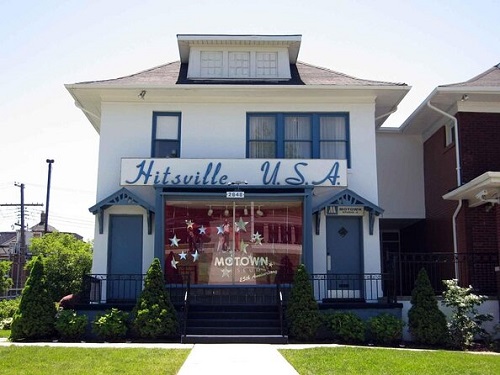
As I began to think on my musical place, I became depressed. This is because there are so many places that I have never been to. Yes, I have been to the Rock and Roll Hall of Fame. Yes I have been to Graceland. Sadly, despite the 90 minute drive from where I live, I have never visited the Motown Museum!

Next I began to think about concert venues. I looked up “Greatest Concert Venues” and it is quite a list. Surprisingly, Pine Knob Music Theater (in Clarkston, MI) is one I have been to numerous times! It’s a great place to see a show. I couldn’t believe that it was counted as one of the “greatest” among some of the others.

In the cartoons, it meant you had made it if you played The Hollywood Bowl in Los Angeles. It was always a big deal if an artist is playing Carnegie Hall, Radio City Music Hall or Madison Square Garden in New York. As many times as I have been to Nashville, I have never seen a show at the Ryman Auditorium. Outside of the US, it is big to play the Syndey Opera House in Australia or Royal Albert Hall in London.

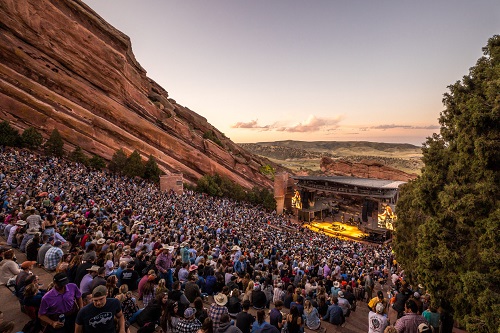
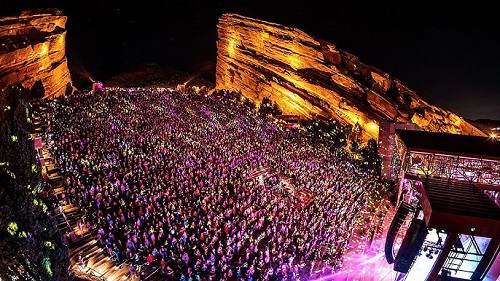
There are so many great places on the list, but one stood out. It is a venue that I truly hope to see a show at some day. Many artists have recorded albums or videos there. They include, the Grateful Dead, Joe Bonamassa, U2, Barenaked Ladies, Stevie Nicks, The Dave Matthews Band, and even John Tesh! That place is the Red Rocks Amphitheater in Morrison Colorado.

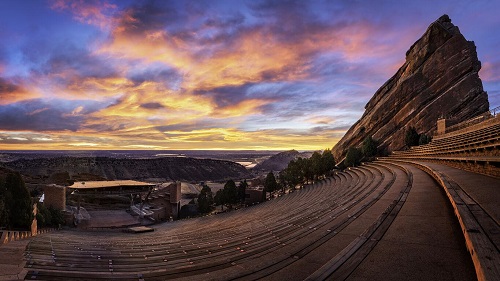
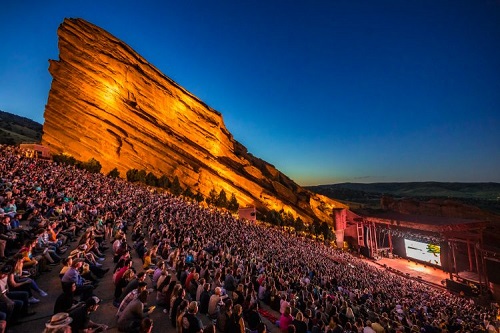
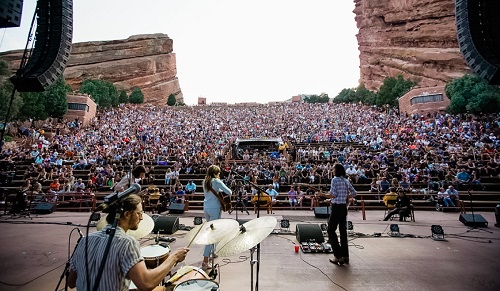
I am in awe of this truly amazing place. The venue is approximately ten miles southwest of Denver. The venue is best recognized by its two massive monoliths. They are named “Ship Rock” and “Creation Rock”. There is also the smaller “Stage Rock”. All of them together flank its 9,525 capacity seating area and naturally form the amphitheater.

Imagine seeing your favorite band on stage, while enjoying the breathtaking scenery! It is on my bucket list!

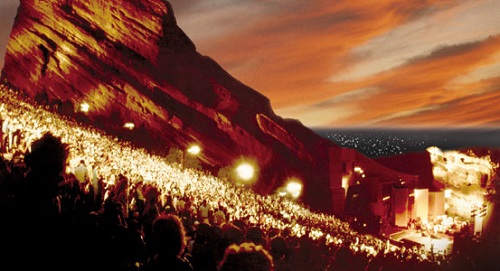
The experience that a concert viewer would have is incomprehensible to me. Go back to the first photo and scroll down. Think about the various changes in light, the beauty of the setting sun, the lights up on the rocks, and finally night fall. Wow!

I would think that this has to be an extraordinary experience for the artists, too. While their view is a bit different than the audience, it still is pretty amazing.

I believe that I am the last contribution before Dave wraps up this topic. I can’t help but wonder what the other bloggers have chosen. Did they chose a venue? A recording studio? A musical museum? By the time you read this, you will already know – and so will I. Right now, however, I am excited to find out what they chose.

Thanks again to Dave for asking me to participate in this feature. I would also like to thank him for his understanding. I chose to run my Share Your Nostalgia Feature right around the same time as Turntable Talk. He did some shuffling and made it work for all of the writers involved. Should I do another topic, I will check with Dave and make sure the schedules are good for everyone.

Thanks for reading!

Turntable Talk #25 – A Novel Idea For a Song

It’s time once again for another submission of Dave Ruch’s Turntable Talk hosted by A Sound Day. Every month he presents our musical blogging community with a musical topic and I have been lucky enough to have participated in every one of them.

This month’s topic was difficult for me, because there were just SO many songs I could choose from. Our instructions for A Novel Idea for a Song were to “pick a novelty record you like. Or else one you love to hate if you don’t have any favorites.  I’ll let you decide what exactly is a “novelty” record but I look forward to seeing your picks and maybe having a laugh or two. And maybe a cringe or two as well!
I want to say that the first novelty song I remember hearing as a kid was Ahab, the Arab by Ray Stevens. This led to the discovery of an album that had all kinds of silly songs on it. The tracks included Mr. Custer, I’m a Nut, Hello Muddah Hello Faddah, and more. What kid doesn’t love a silly song? I began to search for more silly songs. During my search I was introduced to Stan Freberg and his amazing satires, Weird Al Yankovic and various other novelty song collections.

In the late 1980’s, the Doctor Demento Show aired on a local radio station and he played many novelty songs that were completely new to me. The songs he played were recorded anywhere from the 1920’s to the present. I had no idea that novelty songs were something that went back that far. The Dr. Demento show was where I heard Monty Python for the first time and where I was introduced to another artist – Tom Lehrer.

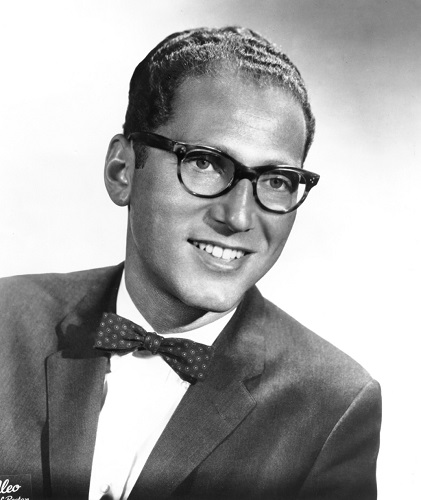
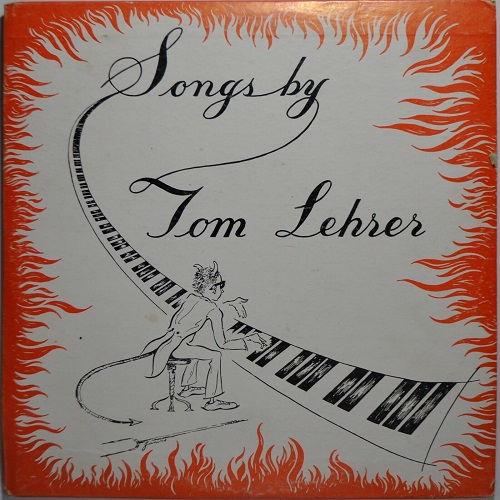
I read where Tom celebrated his 96th birthday this week (April 9), and that is what led me to my song for Turntable Talk. All in all he only recorded about 50 or so songs, and I could have picked one that may not be so …. controversial, however, of all his songs, it was THE one that stuck out to me. More on that in a minute, but first, here’s a bit about him.

According to Wiki, Tom is “an American musician, singer-songwriter, satirist and mathematician, who later taught mathematics and musical theater. He recorded pithy and humorous songs that became popular in the 1950s and 1960s. His songs often parodied popular musical forms, though they usually had original melodies.” His early stuff featured songs that were kind of dark like “Poisoning Pigeons in the Park” and “I Hold Your Hand In Mine.” His later material was a little more topical.

So what led Tom to record this dark and humorous songs? The story goes that Tom had been playing some of these songs for friends and was convinced to record them. According to Wiki, “he paid $15 (equivalent to $171 in 2023) for some studio time in 1953 to record Songs by Tom Lehrer. The initial pressing was 400 copies. Radio stations would not air his songs because of his controversial subjects, so he sold the album on campus at Harvard for $3 (equivalent to $34 in 2023) while “several stores near the Harvard campus sold it for $3.50, taking only a minimal markup as a kind of community service. Newsstands on campus sold it for the same price.”

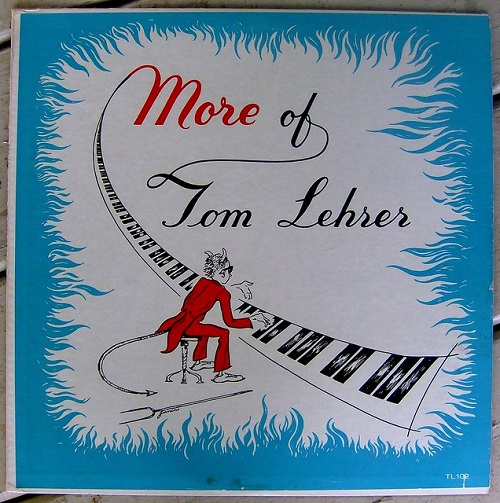
This was followed by “More by Tom Lehrer” and a live concert version of those songs on a album called “An Evening Wasted with Tom Lehrer.

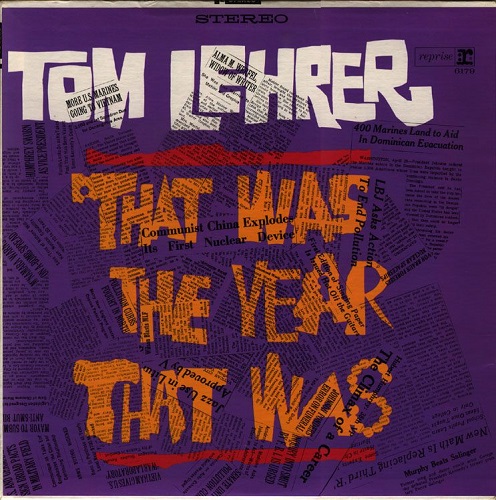
In 1960, he basically retired from touring in the US, but he was employed as the resident songwriter for the U.S. edition of That Was The Week That Was. TWTWTW was a satirical TV show and he was responsible for a song per show.

For the show (and the album of the same name), he wrote songs about political and topical events. There were songs about education (New Math), race relations (National Brotherhood Week), the ecology (Pollution), and the military (Send the Marines). What are the two things people aren’t supposed to talk about – politics and religion, right? Naturally, Tom had a funny take on a religious news event.

The Second Vatican Council took place in the early to mid-1960’s. A spoken introduction describes The Vatican Rag as a response to the “Vatican II” council—which, among other things, broadened the range of music that could be used in services. Tom humorously proposes this “rag” as a more accessible alternative to traditional liturgical music of the mass.

Before I go on, I want to say that I was born and raised Catholic. I am a Christian who no longer practices Catholicism (my choice). I did not pick this particular song as one to offend, but it may very well do so. Humor, they say, is subjective. That being said, while the song mocks some of the Catholic rituals (confession, the rosary, and more), it is the fact that it is a rag that makes it so ridiculous. You can imagine, howeverm that many people of that faith considered it blasphemous at the time.

Lehrer never submitted the song to the show That Was the Week That Was, as he felt they would edit all the satire out of the song. Instead, he debuted the song at a California nightclub called the Hungry I. At one performance, actor Ricardo Montalban was in the audience and it is said that he approached Lehrer and told him “I love my religion. I would die for my religion.” Lehrer reportedly responded, “Hey, no problem, as long as you don’t fight for your religion.”

At this point there are a couple of Tom Lehrer quotes I want to share with you before you listen to the song:

“You can’t be satirical and not be offensive to somebody.”

“The people who came to hear me perform or to buy my records were not the type who would be offended (by the song The Vatican Rag). But I gather that there were other people who were offended.”

About the song, he says, “Well, I wasn’t really attacking the religious beliefs, I was attacking the formality of the rituals of the Catholic church; however, people took it wrongly.”

With all of that being said, I hope this one song I picked doesn’t stop you from checking out some of his other stuff. For example, The Elements is a fantastic song that literally just lists all the elements. It is a fan favorite. Lehrer fan Daniel Ratcliff (Harry Potter) actually sang it on The Graham Norton talk show from memory (this is what led Weird Al Yankovic to pursue Ratcliff to play him in his recent movie).

Tom Lehrer’s fans consider The Vatican Rag to be one of his best compositions. So without any further ado, pull up a pew and give it a listen.

Lehrer has said, jokingly, of his musical career: “If, after hearing my songs, just one human being is inspired to say something nasty to a friend, or perhaps to strike a loved one, it will all have been worth the while.” In October 2020, Lehrer transferred the music and lyrics for all songs he had ever written into the public domain.  In November 2022, he formally relinquished the copyright and performing/recording rights on his songs, making all music and lyrics composed by him free for anyone to use, and established a website (https://tomlehrersongs.com) from which all of his recordings and printable copies of all of his songs could be downloaded. His statement releasing all his works into the public domain concludes with this note: “This website will be shut down at some date in the not too distant future, so if you want to download anything, don’t wait too long.”

Thanks again to Dave from A Sound Day for a great Turntable Talk Topic. Hopefully, after my choice, he will invite me back next month. Maybe I should have just went with The Curly Shuffle, instead?