It is time once again for a new Turntable Talk topic from Dave at A Sound Day. Each month he offers up a musical topic for us to write about. This month we are Going out on a High Note. Dave’s instructions to us:
We all have seen artists (not to mention athletes, politicians…) who stick around long after they should have exited gracefully. For this round, pick a musical artist who you think ended their career on a high note, a great final album, or triumphant concert tour before they grew stale.
I had a difficult time with this one. As I began to think of artists, I kept coming up with artists who are still recording and touring. Willie Nelson, for example, is still making music and hitting the stage. Has he stayed around “too long?” Some say yes, while other say no. So my search continued. Then I remembered Bill Withers.
Bill served in the US Navy for almost 10 years. It was while he served our country that he began writing songs and became interested in singing. After he left the Navy, he decided to relocate to California in hopes of starting a career in music.
He found work as a mechanical assembler for several different companies including IBM, Ford, and the Douglas Aircraft Corporation. He used the money from his job to record demo tracks that he could take to record companies. He also began to play his songs in nightclubs in the area, hoping someone might discover him.
In 1967, he had his first official release – “Three Nights and a Morning.” It was a song that got little recognition. Three years later, he was signed to Sussex Records and Booker T Jones was assigned to produce Bill’s first album. That album, Just As I Am, included his first hit – “Ain’t No Sunshine.”
The album was a huge success and Withers rounded up a band and went out on tour. “Ain’t No Sunshine” was a Top 10 song and went on to win the Grammy for Best R&B Song in 1972. It also got him noticed by Johnny Carson’s Tonight Show, who sent him a letter inviting him to appear on the show.
When his tour wrapped up, he used the time off to write and record songs for his second album entitled Still Bill. This album included Bill’s first #1 song – “Lean On Me,” which hit the top of the charts in July of 1972. This was followed up with his third million selling record – “Use Me.”
Bill’s relationship with Sussex record eventually went sour. He said of Sussex Records “They weren’t paying me.” He claims to have erased an entire album that he had recorded for the label in a fit of pique. “I could probably have handled that differently,” he said. There was an ongoing legal dispute with the Sussex company, and because of that Withers was unable to record for some time thereafter.
Sussex Records eventually went out of business and Bill had to find a new label. He wound up at Columbia Records in 1975. His first album on Columbia included the song “She’s Lonely,” which was featured in the movie Looking For Mr. Goodbar (which starred Richard Gere and Diane Keaton). He released an album every year afterward, including the 1977 album Menagerie which contained the hit “Lovely Day.”
Bill began to have trouble with Columbia. Apparently he was unable to get songs approved for his album. The label kept passing on the songs he wanted to record. Because of this, he decided to focus on joint projects beginning in 1977. He worked with the Crusaders, percussionist Ralph MacDonald, and jazz saxophonist Grover Washington Jr.
“Just The Two of Us” appeared on Washington’s 1980 album Winelight. It was released as a single in February of 1981 and went on to win a Grammy for Best R&B Song. In 1985, Withers released his final studio album, Watching You, Watching me. It was at this point that Bill decided to “go out on a high note.”
Withers was quoted in interviews that “a lot of the songs approved for the album—in particular, two of the first three singles released—were the same songs that had been rejected in 1982.” This played a big part in the eight-year hiatus between albums. Bill also stated how frustrating it was to see his record label release an album by actor Mr. T, when they were preventing him, an actual songwriter, from releasing his own.
With Columbia trying to exert control over his sound to sell more albums played a part in his decision to not record or re-sign with a record label after 1985. I would imagine the Mr. T thing played a part, too. This effectively ended his performing career, though remixes of his previously recorded music were released well after his “retirement.”
Withers was an artist who found musical success later in life. He was in his early 30’s when he began his career. Now at 47, he said he was socialized as a “regular guy” who had “a life before the music, so he did not feel an inherent need to keep recording once he fell out of love with the industry.” Bill felt he made the right decision. After leaving the music industry, he said that he did not miss touring and performing live and did not regret leaving music behind.
Accolades continued after his “retirement.” In 1988, he won another Grammy, this time as a songwriter for the cover of his “Lean on Me” by Club Nouveau. It won the Grammy for Best Rhythm and Blues Song. In 2005 he was inducted into the Songwriters Hall of Fame, followed in 2015 with his induction into the Rock and Roll Hall of Fame. He said:
“What few songs I wrote during my brief career, there ain’t a genre that somebody didn’t record them in. I’m not a virtuoso, but I was able to write songs that people could identify with. I don’t think I’ve done bad for a guy from Slab Fork, West Virginia.”
Bill passed away in March of 2020 in a Los Angeles hospital due to cardiac complications.
He is still receiving accolades in 2025. Last month, he was selected to be inducted into the National Rhythm and Blues Hall of Fame. The induction ceremony usually takes place in October.
Thanks to Dave for once again hosting Turntable Talk. I am already looking forward to what next month’s topic will be.
Welcome back to The Music of My Life, where I feature ten songs from each year of my life. In most cases, the ten songs I choose will be ones I like personally (unless I explain otherwise). The songs will be selected from Billboard’s Year-end Hot 100 Chart, Acclaimed Music, and will all be released in the featured year.
In 2000, I turned 30. It was one of those big milestone birthdays that people joke about. “You start to fall apart at 30,” I was told. I was lucky. Right around my 30th birthday I achieved my 30 pound weight loss. I was on my way to better health and actually felt good. I was married, had a steady full time job, was doing radio part time, and still DJing on the side.
It has been interesting to look back year by year to see the changes in music. It’s funny to see how certain things come and go. For example, “Boy Bands.” When the New Kids on the Block faded away in the early 90’s, many folks thought the boy bands were done. However, in 1999, two new boy bands brought the genre back into the spotlight.
When the Backstreet Boys stormed on the scene in 1999, they helped pave the way for ‘N Sync. ‘N Sync’s No Strings Attached album would go on to be the best selling album of the 2000’s according to Billboard magazine. Bye Bye Bye was one of the songs from it that helped the sales of the album.
The song is on my list because it was one of my “go to” songs at parties. It never failed to get all of the younger females out on the dance floor. It always made me laugh because when it started to play, you’d hear a bunch of high pitched screams. I liked it to the girls you’d see watching the Beatles or Elvis!
Bye Bye Bye
Next, it’s a one hit wonder that really stuck out on the radio. The group Nine Days took Absolutely (The Story of a Girl) to the top ten on the charts, but wound up being a “one and done” group.
The song was written by lead singer Josh Hampson. The song is actually an autobiographical song about him and his wife. In an interview with Impose magazine, he says, “I exaggerated things and used tons of figurative language to express something, but it’s about me, and it’s about my wife – who was then my girlfriend – and her wanting to get engaged. I just wasn’t ready. I was basically stalling her and making her cry. I was good at that.”
Their first album didn’t produce any further hits. They recorded a second album, but their label dropped them and said that the album would not be released. They said that there were “no hits” on it.
John left the music business and became a teacher.
When a song opens cold (with no musical intro), that first line really has to grab you. The first time I heard this on the radio, it grabbed me. I thought, “Okay, tell me more about the girl who cried a river and tried to drown the whole world…”
Absolutely (The Story of a Girl)
We’ve seen throughout this series how tough times can often lead to amazing songs. That is the case for the country cross-over hit, I Hope You Dance.
The was written by Tia Sillers and Mark Sanders. Sillers told Songwriter Universe magazine:
“For ‘I Hope You Dance,’ I had written the opening line, ‘I hope you never lose your sense of wonder.’ I had just broken up with someone, going through a brutal divorce. I needed to get away, so I went to a beach on the Florida Gulf Coast. Sitting on the beach and reflecting about the breakup, I felt so small and inconsequential. But out of this difficult time came the inspiration to write ‘I Hope You Dance.’ As I was leaving the beach, I remember thinking that things weren’t really so bad, that I would get through it. That’s when I came up with the line, ‘I hope you still feel small when you stand beside the ocean.'”
In a Song facts interview, Bill Withers talked about this song. He stated that this is a song that says something that everyone can understand and remember: “There are lines that are so profound… ‘And when the time comes for you to sit it out or dance, I hope you dance.’ Come on man, you can’t say that any better.”
This was a song that became big for Daddy/Daughter and Mother/Son dances at weddings. It wasn’t odd for it to be the bridal dance either. I think Lee Ann Womack’s voice is perfect for this song and I was thrilled to see it get pop airplay.
It really is one of those songs that is a “wisdom song.” It could easily be something someone would tell a loved one if they knew it was the last time they’d see each other in my opinion. It’s just a really great song.
I Hope You Dance
it would be two years before my first child would be born. I won’t lie, the thought of being a dad scared me. The next song is one that was still being played on the radio when my son was born. It struck a chord and I know now, why.
According to Song facts, Creed’s lead singer, Scott Stapp was due to be a father. Once he found out that he was going to have a son, Stapp wrote this song because he didn’t want his child facing the same problems he faced while growing up. He was from a very strict, very devout Christian household and he didn’t want his son to grow up questioning himself and his faith like Scott did. Stapp told us: “Don’t we always want our kids to be better than us? Don’t we always want them to have a better experience in this life and this journey than we did? So I think that from my point of view I’m beginning to see why that song struck a chord with multiple generations: because it touches on a feeling and sentiments that are universal for fathers, and for parents in general.”
Scott says that he still connects with the song when he performs it. He says he remembers the fear of being a father, but also knows with time, the fear has gone and he loves being a dad.
The song would be Creed’s only #1 on the Pop chart.
With Arms Wide Open
Next is a song that I hated to include. I never really cared for the song, but it was a part of my life. Heck, it was a part of everyone’s life. It seemed like you couldn’t go anywhere without hear it or a reference to it. It may surprise you to know that despite this, it barely did anything on the charts.
Songfacts says, “Considering what a sensation this song was in America, it had a surprisingly low chart position, peaking at just #40. While the song seemed to be everywhere, its omnipresence was due more to cultural references than to record sales or airplay. Few radio stations put the song in rotation, and in this pre-download era, consumers had little interest in owning the single.”
So just how did it get so popular??
Songfacts answers that, too. “Knowing most radio stations would have no interest in this song, it was marketed through sports, with the single sent to various baseball, basketball, football, hockey and soccer teams in hopes that they would play it at games.
Most of the music played during sporting events is during lulls in the action – after a foul ball in a baseball game or when a football team is in the huddle – which is only room for about 12 seconds of a song. Songs with quick, high energy, easily understood hooks work well, and “Who Let The Dogs Out” fit the bill for these jock jams.”
Who Let The Dogs Out?
I was working in Country Radio when Tim McGraw released “My Next Thirty Years.” Talk about a song that hit home at the time. I think when you hit any milestone birthday you think about the past and the future. The lyrics conveyed things that I was feeling at the same time.
The song mentions focusing on “where I go from here,” and forgetting about “the crazy things I’ve done.” He says he is going to “cry less” and “laugh more!” He’s going to “eat more salads” and watch his weight. Then he says he’ll try “not to stay up too late.” Can you relate? I know at the time I did.
Actually, I found myself pondering those exact same things when I hit forty and fifty. You look back and hope that you’ve learned from your past experiences. You look forward with a plan to make what lies ahead the best yet. I know so many people who connected with this song. Rightfully so, it went to number one for Tim McGraw.
My Next 30 Years
How can a song that starts with the lines, “Hey, Mr. DJ, put a record on! I wanna dance with my baby!” not make my list? Music from Madonna was a song that a lot of people asked for when I was DJing. It was almost like the song was doing the talking for the crowd.
Madonna has always been a complex sort of person. This album brought back the “fun” Madonna, if you will. She told Billboard magazine, “Everything in life moves in cycles… there’s a period where you’re quiet, and there’s a period where you explode. In the time leading up to Ray of Light, I was in a quiet space – making lots of discoveries and going through lots of changes. It was an introspective, questioning time. Then, almost without warning, I felt like I needed to explode. I didn’t feel the need to be so introspective. I felt like dancing. And that’s reflected in these songs.”
When Madonna shot the video for this song, she was expecting her son. She hides it by wearing a lot of coats and such. There is one section of the video that was difficult for her to shoot due to her pregnancy, so it was animated.
Music
My next song was one that I heard first from my ex-wife. She had Beth Hart’s CD and listened to it often. I was very familiar with LA song and my pick, Delicious Surprise because of her. When I heard it on the radio, it struck me a bit differently. I can’t explain why. Maybe it was because it was just her singing (and not my ex joining in).
We all like to dream. Many of us dream big. “What if I won the lottery?” “What if I was the President?” “What if I was a movie star?” Those are questions pondered by the singer in this song. Then she offers up the advice to “see and believe” those dreams.
Jo Dee Messina did a country version of the song in 2005.
Shortly after the song was released, Beth was dropped from her record label. While it was never given as a reason, many believe it was because of her drug addiction. She battled this and bi-polar disorder for some time yet continued to make music. Today, she has been long sober and lives in California.
Her last album was a Led Zeppelin tribute album in 2022.
Delicious Surprise
The world can always use a bit more gratitude. Don’t we spend the first few years of their lives teaching our children to say “please” and “thank you?” Sadly, we don’t say it enough.
I love Dido’s song, Thank You. I love the simplicity and complexity of it. The song features all of the troubles and and stress of life in general. It also features how that all goes away when that special someone is there.
According to Songfacts:
“Dido wrote “Thank You” after meeting her boyfriend, a lawyer named Bob Page, in 1995 and falling for him hard. She thanks Page for giving her the “best day of her life,” which is when they met in a club and had their first encounter. Page sparked a creative fire in Dido, who also wrote the song “Here With Me” about him. They got engaged in 2001, but broke up a year later, inspiring another Dido song: ” White Flag.”
Dido owes a lot of thanks to Eminem. He sampled the song for his song, “Stan.” He did not ask permission to use this on “Stan” until after the song was produced. However, Dido loved it agreed to let him use it. She recalled to Billboard magazine in a 2013 interview: “I just got a letter saying, ‘We heard your track. We love it. We’d like to use it for this track ‘Stan.’ Can you take a listen? I hope you like it and can we use your song?’ It was completely out of the blue. I put it on like, ‘I wonder what he could have done.’ You just don’t know. And I was a big Eminem fan, so it was pretty cool. And then I heard it. I remember because I had some friends staying in the same hotel. They were literally running down the hall, like ‘You gotta listen to this; it’s just brilliant!'”
Thank You
The final song for this week’s list is one that never cracked the Hot 100. It was the second single and title track from Green Day’s Warning album. Songfacts says, “by this time they were mellowing out a bit, with lead singer Billie Joe Armstrong playing more acoustic guitar. This was a product both of the band getting older and the pop-punk sound they ushered in falling out of fashion. The album sold poorly, but the band was well established by this point and wasn’t watching the charts.”
Billy Joe Armstrong has said that the original concept was to create a song whose lyrics were made up of all of the everyday warning signs and labels and the idea grew from there. I love his description of the content.
“The world is being filled with warnings and instructions of what not to do. The song states that it’s important to trust your instinct and do what you believe is right, but also to not be stupid enough to be the cause of another warning sign to be established. Take risks and question your surroundings, but don’t fall victim to your own stupidity.”
Well, alrighty then….
It wasn’t the words that made me like the song. It was actually the guitar and bass licks. It was so simple, but I loved the chord progressions. Someone compared it to the Kink’s Picture Book. I can hear that …
Warning
Well, that wraps up Y2K! I’m sure your list looks different than mine. What were your favorite songs from 2000? Let me know in the comments.
Next week, I may play the theme from 2001, just because, ha ha! My list only includes 2 cover songs, a must have party song, movie and TV music, a song that moves me and a song that moved the entire country.
Thanks for listening and reading! See you next week.
Happy 53rd Birthday to the beautiful Christina Applegate. She is best remembered for her role as Kelly Bundy on TV’s Married With Children. She also starred in the title role on the TV series, Jesse. She went on to other TV roles in Samantha Who, Dead To Me, and Up All Night. She won a Primetime Emmy Award for her guest appearance on TV’s Friends.
She’s appeared on Broadway and has been in many hit films. She appeared in 1991’s Don’t Tell Mom the Babysitter is Dead, 1996’s Mars Attacks, 1998’s Mafia, and 2015’s Vacation sequel. She is no stranger to comedy, and was the brilliant antagonist (Veronica Corningstone) to Will Ferrell’s Ron Burgandy in Anchorman.
Anchorman is set in 1974, so the soundtrack is full of some fantastic songs by Kansas, Jonathan Edwards, Neil Diamond, Bill Withers and Tom Jones. The one song that always sticks out to me is an Isley Brother’s classic. When Applegate’s character is brought into a conference room full of men, Who’s That Lady is playing as she walks in.
When Who’s That Lady was released, it became the Isley Brother’s first Top Ten song since It’s Your Thing in 1969. The song spent three weeks at No.6 on the pop chart and reaching No.2 on the R&B charts.
Welcome back to The Music of My Life, where I feature ten songs from each year of my life. In most cases, the ten songs I choose will be ones I like personally (unless I explain otherwise). The songs will be selected from Billboard’s Year-end Hot 100 Chart, Acclaimed Music, and will all be released in the featured year.
In 1981 there were two things that influenced me musically. First of all, I discovered American Top 40 with Casey Kasem. My dad had it the radio on one day while he was washing the cars and doing yard work. It was my first exposure to a countdown show. As a matter of fact, as I looked over the list of possible songs for my list, there were plenty of songs that I remember hearing for the first time on AT40. Some of those that are not on my list are: Start Me Up, Centerfold, Waiting for a Girl Like You, Elvira, Bette Davis Eyes, Hearts, Physical, and so many others!
The second thing that not only influenced me musically, but everyone else in the country, was the birth of MTV in August of 1981. This changed the way people listened to music. Some of those 80’s music videos are forever etched in my mind. I loved the creativity of many of those videos. In many cases, the videos helped with the popularity of songs and how much airplay they got on the radio. Perhaps you’ll remember the videos from some of the songs on my list?
Here we go ….
My dad played guitar in a wedding band for many years. Often, my brother and I would have to go to band practice with him. It was there that I recall being introduced to some of the current songs. One of them was Just The Two of Us by Grover Washington Jr. and Bill Withers. I can remember the distinct mystical sounding keyboard part at the beginning from my dad’s band and being wowed at how it sounded exactly like the record.
Grover Washington, Jr. wrote this with his musical partner Bill Salter before Withers added to the lyrics. It was produced by Ralph MacDonald, a percussionist who played on many of Washington’s tracks. MacDonald was friends with Withers and made the connection. Bill said in an interview with songfacts:
“I’m a little snobbish about words, so they sent me this song and said, ‘We want to do this with Grover, would you consider singing it?’ I said, ‘Yeah, if you’ll let me go in and try to dress these words up a little bit.’ Everybody that knows me is kind of used to me that way. I probably threw in the stuff like the crystal raindrops. The ‘Just The Two Of Us’ thing was already written. It was trying to put a tuxedo on it. I didn’t like what was said leading up to ‘Just The Two Of Us.'”
The song reached number 2 on the charts, but never made it to number 1. It was kept from that spot by Sheena Easton’s Morning Train (9 to 5) and Kim Carnes’ Bette Davis Eyes. The song did win a Grammy award for Best R&B Song. It would be Grover Washington Jr’s only Top 40 hit.
Just The Two of Us
I’ve told this story before, but it is why the next song is here. I remember my dad throwing the 45 of The Breakup Song on the turntable and playing the intro over and over. He’d pick on his guitar and work out that intro over a matter of minutes. Once I heard him play it note for note, I was in awe of him.
The Greg Kihn Band had been around for some time. Their album Rockihnroll was their sixth studio album. It celebrates the quality of breakup songs in rock’s earlier times, as the narrator laments both his recent breakup and the fact that they don’t write good breakup songs anymore. The song is perhaps best known by the hook, “They Don’t Write ‘Em Like That Anymore.”
The Breakup Song
I have always loved the Commodores, with and without Lionel Richie. Lady (You Bring Me Up) was released as the lead single from their album In The Pocket, their last with Lionel Richie in the group. Lionel didn’t write the song, Commodores’ trumpet player William King did. He wrote it with his wife, Shirley, and Harold Hudson, a member of the Commodores’ backing group, The Mean Machine.
In 1981, sexually suggestive songs like “Physical” and “Girls on Film” caused a bit of controversy. Naturally, some disc jockeys poked fun by warning listeners that this was another song with sexually suggestive lyrics: “Lady, you bring me up when I’m down.” In truth, the song is simply a song about a man whose woman gets him through life’s difficult times. It went to #8 on the Hot 100 chart.
Lady
It wasn’t until years later that I found out that Juice Newton wasn’t the first one to sing Queen of Hearts. It was actually written by Hank DeVito of Emmylou Harris’ band and first recorded in 1979 by rocker Dave Edmunds. His version was big in the UK and Ireland, but didn’t go far anywhere else.
Juice Newton had the biggest success with “Queen of Hearts” after it appeared on her 1981 album, Juice. In September 1981, Newton’s version peaked at #2 on the US charts, having shifted over one million copies. It almost didn’t happen, though. Juice remembers, “I did [‘Queen of Hearts’] live for about a year…Then I brought it to [producer] Richard Landis when we started the Juice album. He wasn’t convinced at that point that it was a breakout song but I told him I think this is a real cool song … so we cut it”.
In 1982, the song was nominated for the Grammy Award for Best Female Country Vocal Performance. Dave Edmunds told Creem Newton stole his composition: “She did pinch my arrangement, note for note, but I’m not angry with that.”
Queen of Hearts
Before Foreigner recorded this album 4, two members of the group left, trimming the band from six members to four. This, along with the fact that it was their fourth album, explains the title. My favorite cut on the album has a Motown connection.
Future Mr. Shania Twain, Mutt Lange, produced the album. Lange wanted to hear every music idea guitarist Mick Jones had recorded on tape, no matter how embarrassing. One of these ideas was the opening riff for what would become “Urgent”. “I had the riff starting out,” Jones recalled. “And I said, ‘That’s like an experimental instrumental thing that I’m working on.’ He said, ‘No, it isn’t anymore – let’s take that one, because that’s got a lot of potential.’ There wasn’t even a song with it.”
The group wanted a “Junior Walker-style” sax solo for this record. When they took a break from recording, one of the members read in New York newspaper The Village Voice that Walker was performing that night mere blocks from the recording studio. Walker accepted their offer to play, and the recording of the sax solo was swift and without a hitch.
Urgent
ELO’s TIME is a concept album about a time traveler who visits the year 2095. This song takes place on his return trip in 1981. He is inspired, and now knows that everything he needs he can find back home. “Hold On Tight” was the first single from the album.
By this time, the band was credited as ELO, downplaying the orchestra because they had recently jettisoned their string section. The lead instrument on “Hold On Tight” is piano played by group leader Jeff Lynne, who wrote the song. Billboard called it an “affectionate tip-of-the-hat to ’50s rock ‘n’ roll” that was inspired by the piano playing of Jerry Lee Lewis. That sound is probably why I love this song so much, as well as the uplifting message.
There was an elaborate (for its time) video was made of this song. Wikipedia states that this was the most expensive music video ever made (at the time). Directed by Mike Mansfield, it’s a sendup of sci-fi movie trailers from the 1940, which often blared words on the screen in huge font (AMAZING!, BREATH-TAKING!). Their violinist, Mik Kaminski, had left the group by this time but shows up in the video miming guitar.
The song topped out at number 2 on the Billboard Top Tracks chart.
Hold On Tight
Who can deny a great cover song? Am I right? (I’m talking to you Randy! LOL)
Yep, one of the biggest 80’s hits is actually a cover of a song first recorded in 1964. Ed Cobb of the Four Preps composed the song, and it was first recorded by Gloria Jones. (Fun Fact: Glen Campbell was a studio musician and played guitar on that version!) Her version was actually the B-side of her single, “My Bad Boy’s Comin’ Home.”
In 1973, British club DJ Richard Searling purchased a copy of the almost decade-old single while on a trip to the United States. The track’s Motown-influenced sound (featuring a fast tempo, horns, electric rhythm guitar and female backing vocals) fit in perfectly with the music favored by those involved in the UK’s Northern soul club scene of the early 1970s.
In the book 1000 UK #1 Hits by Jon Kutner and Spencer Leigh, Soft Cell’s Marc Almond called this song “A mixture of cold electronics with an over-passionate, over-exuberant, slightly out of key vocal.” Almond recalls, “Dave (Ball) introduced me to the record and I loved it so much and we wanted an interesting song for a encore number in our show. Dave loved northern soul and it was a novelty to have an electronic synthesizer band doing a soul song. When we signed with our record company, they wanted to record it. They told us to put bass, guitar and drums on it as they said it was too odd. They put it out anyway and the next thing it was gathering radio play and then it was #1. I was fascinated that it was originally by Gloria Jones, the girlfriend of Marc Bolan and I’d always been a T-Rex fan.”
Marc Almond’s vocal is the first take he recorded. That take was actually a run-through so they could tweak the settings, but it had just the right emotion, so that was the one they used. Obviously it was the right take because even Gloria Jones liked it. She said that she considers the Soft Cell version to be the best one. “I loved the emotion in his voice,” she said. “Their version was far better than mine.”
Tainted Love
Here is another song with a Dave Edmunds connection. Tempted was the second single off Squeeze’s East Side Story album. It was written by Chris Difford and Glenn Tilbrook. Chris wrote the lyric while the band was taking a taxi to Heathrow Airport. The descriptions of the city and airport sights are interspersed with the narrator’s ruminations on a relationship that is failing, or has failed, due to his own infidelities. As he recalled,
The original story behind “Tempted” is we’re going on another American tour. I got on a taxi and I started writing down what I saw lyrically. I don’t know the course of time of how long it took, but then I gave Glenn the lyrics and then Glenn put the music to it. It’s an extraordinary song. It’s one of the most played songs that we have in our catalog.
Unlike most other Squeeze songs, which are sung usually by Tilbrook or Difford, the song’s lead vocal is sung by newly recruited keyboardist Paul Carrack. According to Carrack, this was the result of a suggestion by co-producer Elvis Costello:
They’d actually recorded a version of that song before I was on board. Dave Edmunds produced it, and it was completely different. The song was in the can, and we were recording the other songs from East Side Story when we had some downtime and played ‘Tempted’ but in that slow, soulful, Motown groove. Elvis Costello, who was producing, ran in and said, ‘Let’s put this down on tape!’ So, we did, and Elvis said ‘Paul, you should sing it.’
I had never heard the song before, but in 1994, I was driving a lot for my job and this would come on Planet 96.3. I have always loved the opening line of this song, “I bought a toothbrush, some toothpaste, a flannel for my face” I can’t imagine it without the slow bluesy feel.
Tempted
Loverboy’s first single from their Get Lucky album didn’t really burn up the charts, however, years later it would be linked forever to a classic Saturday Night Live sketch.
Working for the Weekend originated when guitarist Paul Dean was out walking one Wednesday afternoon, looking for inspiration in his songwriting. He noticed that much of the area was deserted, as most people were at work. “So I’m out on the beach and wondering, ‘Where is everybody? Well, I guess they’re all waiting for the weekend,'” he later said. Mike Reno, the band’s vocalist, suggested they change the title to “Working for the Weekend”. According to Dean, he first began writing the song in a hotel room following a Montreal concert. At the time, the band were still playing bars to little response from patrons. After completing the song, they used it to open one set, and Dean recalled that “the dance floor was packed”.
The video had a life of it’s own on MTV. Loverboy lead singer Mike Reno tells about the filming of this video: “We would play the song over and over again, and we’d bounce around like we normally did. Here’s what I thought was kind of interesting: The director would say, ‘OK, we’re going to shoot another song, now go get changed.’ ‘What do you mean?’ ‘You have to put on a whole new outfit, and we’re going to change the lighting a bit.’ But it was the same stage! So basically, we just had to get some other clothes, fix your hair, take a break, and then jump back on stage and do the same thing over and over again. I really felt like I was being abused a bit, but that’s the nature of the beast.”
On October 27, 1990, Patrick Swayze hosted Saturday Night Live. It was on that show that the famous Chippendale’s Audition sketch debuted. It featured Chris Farley and Swayze auditioning for the final spot in the Chippendale line up. Their audition was done to this song.
Working for the Weekend
“Shake It Up,” was the title track of The Cars’ fourth album. It is hard not to want to dance when you hear it. Some call it a “tailor-made party song.”
It was written by Cars’ frontman Ric Ocasek. It really is an odd song for Ric in that it’s very straightforward, simply encouraging us all to get on the dance floor and boogie like nobody’s watching. Ocasek’s songs were generally far more enigmatic. Years later, Ocasek dismissed the song’s lyrics, saying, “I’m not proud of the lyrics to ‘Shake It Up.'”
This song has some throwback elements, like the “ooo ooo ooo” backing vocals and references to a “quirky jerk” and “night cats” – lingo that was hep in the ’60s when songs about dancing were in vogue. At the same time, “Shake It Up” as a futuristic sound, with synthesizers and drum machines that were part of the new wave.
It was released as the lead single from the album. “Shake It Up” was a big American hit for The Cars, getting them into the Top 10 for the first time as the song reached #4. The song was such a departure from what fans expected that some accused the band of “selling out.” The band, however, insisted they were simply progressing and growing (one point in their defense: they continued to live in Boston instead of relocating to New York or Los Angeles). The jabs came mostly from the UK, where the band got lots of positive press early on but faced the wrath of a finicky press when they released this song about dancing.
Fun Fact: Guitarist Elliot Easton said he wanted his solo to sound like “two guys trading off”. He first plays a Fender Telecaster, in a style skewing country, then midway through the solo switches to a Gibson guitar for a heavier rock sound.
Shake It Up
Finally, a song that has yet another Michigan connection. When Styx was preparing their tenth album, Paradise Theater, guitarist Tommy Shaw, says he was asked to write one more song for the album, which followed the theme of a concert hall rising to prominence and then crumbling. Shaw liked the concept, but was having trouble writing songs that fit. So he just wrote one that didn’t follow the theme – “Too Much Time On My Hands.”
Shaw had a long drive to and from the recording studio, and on one trip, the bassline popped into his head: “dun-dun dun-dun dun-dun-dun-dun.” When he arrived, he quickly had the band record what was in his head so he wouldn’t lose it. He found himself calling out chord changes as they played, which laid the groundwork for the track.
When it came to the lyrics, he drew inspiration from a real bar in Niles, Michigan, where he was living. “I think officially it was called Mark’s Tavern, but everybody called it Mark’s Bar. It was the local watering hole. The drinks were good, and the drinks were cheap. You could go in there with 20 bucks and be a hero, you know – buying rounds of drinks. And you’d always run into somebody you knew in there. That was the basis of the song.”
The song was released in the spring of 1981 and reached its US chart of #9 in May. In August, MTV went on the air, which gave the song new life, since the video was one of the few the network had available from an American rock band, and they played constantly.
Too Much Time On My Hands
Looking back over the list of songs released in 1981, there are so many worth mentioning. Did I miss one of yours?
As I start looking at each year and jotting songs, I have gone from 2 pages to 3 pages of songs to chose from. These 80’s years are probably going to be the toughest to narrow down for me.
Next week, we’ll jump into 1982 and see what 12 year old Keith was liking ….
Thanks for reading!
(Most info was gathered using sources like Wiki, songfacts.com, and artist websites)
Welcome back to The Music of My Life, where I feature ten songs from each year of my life. In most cases, the ten songs I choose will be ones I like personally (unless I explain otherwise). The songs will be selected from Billboard’s Year-end Hot 100 Chart, Acclaimed Music, and will all be released in the featured year. May 15, 1977, I turned a whopping 7 years old. I have some really great memories of 1977 and I think you’ll get to read about them and how they tie into some of these songs.
I love stories where a radio DJ plays a significant role in the creation of a song. Released in January of ’77, I’m Your Boogie Man is one of those songs.
Written by KC & The Sunshine Band bassist-producer Richard Finch and frontman Harry Wayne Casey, The “boogie” of the title is in the sense of dancing, shaking your booty, and getting down, not with the scary kind of “boogie man.” Harry Wayne Casey tells the story:
“‘I’m Your Boogie Man,’ in the initial writing of it I called it ‘I’ll Be A Son Of A Gun’:
I’ll be a son of a gun Look what you’ve done
Then I went back and ‘I’m Your Boogie Man’ came into my head because I was thinking about how disc jockeys were always there on the radio. Like it says:
Early morning Late afternoon Or at midnight It’s never too soon I’m your Boogie Man
It’s taking the theme of the disc jockey being the one that’s there for you all the time, no matter when. So it was as if I was a disc jockey, I’m the Boogie Man. Like if you call in and want to hear a certain song, or talk about what was going on in your life, I’m your Boogie Man. And of course I put in ‘turn me on,’ but that could also mean turned on the radio.”
A specific DJ who influenced this song was Robert W. Walker at Y-100 in Miami, Florida, who was the first to give the group’s hit single “Get Down Tonight” airplay. So Walker “was the Boogie Man that brought all the funk and the good feeling and the vibes to the people every morning,” according to Richard Finch.
I’m Your Boogie Man
Bob Seger had a couple big songs in 1977. Mainstreet was released in April of that year, while an anthem was released in June – Rock and Roll Never Forgets.
According to Seger, he wrote this song after attending a high school reunion. “I wanted to just write an honest appraisal of where I was at that moment in time,” he said. “I was 31 years old and I was damn glad to be here.” He goes on, “A song like “Rock ‘n’ Roll Never Forgets” is just slammin’. When we play that song live people go nuts. At that point in my life I was 31 years old. And the first 10 or 11 years in my career I was making six, eight grand a year and just doin’ it because I loved the music. So I’m writing for Night Moves and I just felt grateful; here I am and I’m starting to make it. You know, rock ’n’ roll never forgets. You build up goodwill over 10 years and you set the stage. “Rock ‘n’ Roll Never Forgets” is a grateful song. I’m grateful to all the people I played for in those small clubs, on the top of cafeteria tables, in gymnasiums and in hockey rinks. Suddenly all those people came out and bought my records and said: “I remember him. I saw him at the high school or hockey rink.”
The song is about aging and the ongoing power of rock music. The song advises the 31 year old listener to return to the rock ‘n’ roll she loved when he/she was 16. The line, “All Chuck’s children are out there playing his licks” is a reference (and tribute) to Chuck Berry, the rock pioneer whose sound is in the DNA of many musicians how followed.
Rock and Roll Never Forgets
The very last single that Elvis ever released before his death was Way Down in June of 1977. It was recorded in the famous Jungle Room at Graceland. It was also a song that had a very interesting chart performance. The song peaked at number 31 on the Billboard Hot 100 Chart at the beginning of August, fell to number 52 by the end of August, and after his death, it climbed back up to number 18 before falling again.
Way Down
In July of 1977, Foreigner released Cold As Ice. It was one of the many songs I remember buying on 45 and spinning on my little record player. It was written by Lou Gramm and Mick Jones.
According to Wiki, “Cold as Ice” was a replacement for a song that was intended for Foreigner but which producer Gary Lyons didn’t feel fit the album. According to Mick Jones “I went home after Gary said this, sat down at my piano and out came the riff for Cold As Ice. And the rest of the song flowed from there.” Lyons said that “When I got back, they played me Cold As Ice and it worked for me. So we went into Atlantic Studios one night to cut it.” According to Ian McDonald, “Gary and I were in there all night working on the vocals. And when we got out of the studio we discovered that a blizzard had been raging. Everywhere was covered in snow, and we heard on the radio that it had been coldest night in New York on record! Somehow that seemed to be a good omen for the song.”
Cold As Ice
One of the biggest movies of 1977 was Star Wars. It comes as no surprise to me that the main title theme was a Top 10 hit!
What can you say about composer John Williams? He conducted this score with the London Symphony Orchestra, but his main orchestra was the Boston Pops Orchestra, with which he conducted other famous film themes. This theme won him a simultaneous Oscar, Golden Globe, BAFTA, Saturn, and Grammy award. THAT is amazing!!
Star Wars Main Title
The next song was released in August of 1977 and people STILL dance to it today! Brick House epitomizes the funky side of the Commodores, who could switch between uptempo R&B and easy listening by swapping singers. “Brick House” was sung by their drummer Walter Orange, with Lionel Richie on saxophone.
In a way, the Commodores recorded it as a “radio edit.” This disco classic is about a woman with a great body. She is “Built like a Brick House.” Lionel Richie says that this is a play on the original phrase, “She’s built like a brick s–thouse.” That’s the reason for the pause with the horn fill between the words “brick” and “house.”
Brick House
A few songs ago, I mentioned the last single Elvis released before his death. For those who have been following this blog a while, you know where I was the night Elvis died. My family was at a drive-in movie theater waiting for the sun to go down when the radio broke the news that he had passed away. The movie we were there to see? Smokey and the Bandit.
The song’s lyrics tell the basic plot of the movie (leaving out the runaway bride element) of making a 28-hour round-trip run from Atlanta, Georgia, to Texarkana, Texas and back to illegally transport 400 cases of Coors beer for an after-race celebration put on by Big and Little Enos.
Back when Max from the PowerPop Blog was hosting a song draft, East Bound and Down was my pick. Here is that blog if you would like to read it:
In October of 1977, Johnny Paycheck released a David Allen Coe song that expressed what many a worker felt about their employer/employment. Take This Job and Shove It was a number one country hit for Paycheck and the phrase took on a life of its own in pop culture.
This was one of the songs that was on Paycheck’s Greatest Hits Volume 2 that my grandfather and dad always played up north.
Take This Job and Shove It
The next song makes the list because I became familiar with it not by Billy Joel, but by the wedding band my dad played in. I can’t tell you how many times my brother and I sat and watched TV while the band practiced new songs. Just The Way You Are was one of them.
According to Joel, some listeners missed the point and thought the song was misogynistic because he was telling a woman she wasn’t “allowed” to change. “No, no, no. Don’t go changing to try and please me,” he told SiriusXM in 2016. “People forget these things. If they don’t like what I do, they’ll go, ‘Oh yeah, he hates women. Look at this. Don’t change, stay the way you are, the same old someone that he knew. Wow, he really doesn’t like her. ‘Don’t change for me. You wanna change for yourself, fine. But you don’t have to change for me because I’m happy exactly the way you are. That’s why I love you in the first place.”
Billy wrote this song about his first wife, Elizabeth. A pure expression of unconditional love, he gave it to her as a birthday present. Sadly, after nine years of marriage, Joel and Elizabeth divorced in 1982. Joel’s next two marriages didn’t work out either: he was married to Christie Brinkley from 1985-1994, and to Katie Lee from 2004-2010. “Every time I wrote a song for a person I was in a relationship with, it didn’t last,” Joel said. “It was kind of like the curse. Here’s your song – we might as well say goodbye now.”
Just The Way You Are
The last song was bigger in 1978 because it was released in December of 1977. It is simply an amazing song. Lovely Day was written for Bill Withers’ Menagerie album.
Skip Scarborough was a songwriter and producer who worked with Earth, Wind & Fire, Patti Labelle, LTD, and many other R&B stars before his death in 2003. He wrote the music for this song, and was also the inspiration for the lyrics Withers came up with. In a Songfacts interview, Bill explained: “Skip was a very nice, gentle man. The way Skip was, every day was just a lovely day. He was an optimist. We’re all sponges in a sense. You put us around very nice people, and the nice things come out in us. You put us around some jerks, and we practice being jerks. We all adjust. Did you ever notice the difference in the way you speak to your grandmother or your best contemporary friend? If I had sat down with the same music and my collaborator had been somebody else with a different personality, it probably would have caused something else to cross my mind lyrically. It was a combination of the music and the person and the ambiance in the room.”
One of the highlights of the song is Bill holding a note for about 18 seconds at the end of the song! It may be one of the longest notes held by a singer on a pop song.
Lovely Day
So there you have it – 10 great songs from 1977. I’m sure there are plenty others I’ve missed. Can you name any? Next week, I will age another year and we’ll visit 1978. The sound of music will start to sound a bit different as we get closer and closer to the 1980’s.
Welcome back to The Music of My Life, where I feature ten songs from each year of my life. In most cases, the ten songs I choose will be ones I like personally (unless I explain otherwise). The songs will be selected from Billboard’s Year-end Hot 100 Chart, Acclaimed Music, and will all be released in the featured year. I turned two in 1972, so what songs were influencing my tiny ears? Let’s find out.
By March of 1972, Badfinger was enjoying the success of their fourth album, Straight Up. Baby Blue was their last top 20 single. It reached number 14 on the charts. Todd Rundgren produced the song. Younger folks remember this song from the 2013 series finale of Breaking Bad.
Baby Blue
In April of 1972, the Hollies had a hit that was a film noir story set to music. Long Cool Woman in a Black Dress features an FBI agent, a bar filled with criminals and a 5’9″ beauty. Songfacts.com says: This tale of a government agent and a femme fatale contains one of the classic indecipherable lyrics in rock history. The part after “she was a long cool woman in a black dress” is “just a 5′ 9″ beautiful tall.”
The song should have been a number one, but Alone Again Naturally by Gilbert O’Sullivan prevented it from grabbing the top spot.
Long Cool Woman in a Black Dress
One of the biggest films of the year was The Godfather. The Love Theme from The Godfather is instantly recognizable. The music was composed by Nino Rota and most folks are familiar with the instrumental version. A lyricist named Larry Kusik actually wrote words to the song and it was recorded by Andy Williams under the title Speak Softly Love.
While it only reached number 34 on the charts, personally, I found the arrangement of this simply beautiful. Andy’s vocal is great, but give it a listen and just focus on the instrumentation of the orchestra.
Speak Softly Love
Three days after my second birthday, The Looking Glass released Brandy (You’re a Fine Girl). The story of the barmaid who serves the many sailors was from the band’s debut album and the song went to number one. The song was so popular that the US Social Security Administration saw a large increase in baby girls with that name in 1973.
This was not typical of the band’s sound, which caused a problem at concerts. While audiences expected pop songs like this one, the Looking Glass played rock, which left the crowds disappointed. The band broke up less than two years later.
Brandy (You’re a Fine Girl)
Also in May of 1972, the world was introduced to a little band known as The Eagles. The story behind their debut single Take it Easy is a great one. Here is the short version from Songfacts.com:
Jackson Browne started writing “Take It Easy” for his first album, but he didn’t know how to finish it. At the time, he was living in an apartment in the Echo Park section of Los Angeles, and his upstairs neighbor was Glenn Frey, who needed songs for his new band – the Eagles.
Frey heard Browne working on the song (he says that he learned a lot about songwriting by listening to his downstairs neighbor work), and told Jackson he thought it was great. Browne said he was having trouble completing the track, and played what he had of it. When he got to the second verse, Frey came up with a key lyric: “It’s a girl, my lord, in a flatbed Ford, slowing down to take a look at me.”
Browne turned the song over to Frey, who finished writing it and recorded it with the Eagles, who used it as the first song on their first album, and also their first single. Frey says Browne did most of the work on the song and was very generous in sharing the writing credit. He described the unfinished version of the song as a “package without the ribbon.”
Take It Easy
1972 introduced us to another new artist – Jim Croce. “You Don’t Mess Around With Jim” was his first single. After several years struggling for success and battling music industry politics, the song got the promotion it deserved when a rep at ABC/Dunhill named Matty Singer visited radio stations in the Philadelphia area to promote the song. It got solid airplay and national attention, which was followed by lots of positive press for the album. You Don’t Mess Around With Jim wasn’t released until nine months after it had been recorded, so Croce and his musical partner Maury Muehleisen had perfected the songs in performance, earning rave reviews.
You Don’t Mess Around With Jim
Here’s a story for you – The King of Rock and Roll was actually prevented from hitting the number one spot in 1972 by the Granddaddy of Rock and Roll. Yep, Burning Love reached number two on the charts while Chuck Berry held the number one spot with “My Ding-A-Ling!” Urgh!
Burning Love was the final Top 10 hit in the American Hot 100 or pop charts for Elvis. The electric guitar opening and riffs were overdubbed and played by Dennis Linde, the writer of the song. He performed the song in the concert movie Elvis on Tour, and because the song was still new to him, you can see him holding a sheet of paper with the lyrics on it.
Burning Love
In October of 1972, Motown’s of Stevie Wonder released on of my all time favorite songs. When some music bloggers were doing a “Song Draft” I actually picked Superstition as one of my songs. You can read that blog here:
In September of 1972, Johnny Rivers released a cover of Huey “Piano” Smith’s 1957 song, Rockin’ Pneumonia and the Boogie Woogie Flu. In the late 50’s the country was hit with the Asian Flu, also called the “walking pneumonia.” The title of the song is a play on this. Johnny’s version did much better than Huey’s version. Huey didn’t even get into the top 40 (it peaked at 52), while Johnny had a top ten (peaking at 6). Playing piano on Johnny’s version was none other than the Wrecking Crew’s Larry Knechtel.
Rockin’ Pneumonia and the Boogie Woogie Flu
My final song from 1972 is a funky jam. There is so much that I love about Use Me by Bill Withers. The song was released on his Still Bill album. It has such a neat syncopated percussion line that interplays with the rest of the instruments and Bill’s vocal. Again, there is a great story about the writing of the song. It seems a lot of women were telling him he was just “too nice” and he wanted to change that. Bill said in an interview:
That’s fun stuff. That’s just talkin’ trash. That’s just a song about being a little playful, a little arrogant and a little cool. Unless you were one of those people that were born popular, I was a chronic stutterer until I was twenty-eight. I avoided the phone. So I wasn’t this popular guy. I remember being young and I would have girls tell me, “You’re too nice.” I didn’t understand that.
What kind of twisted world are we in? Women like bad boys, I guess. There is no more confusing form of rejection than for somebody to tell you that you’re not interesting to them because you’re too nice.
So over the course of time, you say okay, you wanna play, okay, let’s play? Use Me taps into that. I tried to be nice, now let’s get nasty. That song came quick. I was working in McDonnell Douglas out in Long Beach and the noise of the factory, they had some women working there. I crossed that line there thinking, “You all want a nasty boy? Well here I come.” [laughs]
Use Me
I hope you enjoyed my picks. What 1972 tunes were your favorites?
Welcome back to The Music of My Life, where I feature ten songs from each year of my life. In most cases, the ten songs I choose will be ones I like personally (unless I explain otherwise).
The songs will be selected from Billboard’s Year-end Hot 100 Chart, Acclaimed Music, and will all be released in the featured year. Now, without any further ado, let’s head to 1971.
1971
In January of 1971, Tom Jones had his fifth (and final) Billboard Top 10 Hit with a Paul Anka song that Paul had released a year earlier – She’s a Lady.
Tom and Paul actually sang this as a duet on a 2013 Paul Anka album. Paul changed the lyrics a bit because he felt like it was a bit chauvinistic.
I only knew a few of Tom’s hits until my old radio pal, Rob, introduced me to more of them. I came to appreciate his music a lot after that.
She’s a Lady
Also released in January of 1971 was a cover version that gave new life to a song that remains a wedding reception classic.
Creedence Clearwater Revival never had a number one record, however, Proud Mary made it to number two. Ike and Tina Turner’s version took the song in an entirely new direction and it became one of Tina’s signature songs.
The song starts as a slow groove with Tina talking over Ike singing the lyrics. When the tempo picks up, there’s no stopping it! The horns kick in, the Ikettes join in, and Tina blows the roof of the place!
Proud Mary
I suppose it would be wrong not to include the number one song for the entire year of 1971 on this list, even if the members of the group how recorded it called it a “kid’s song” and a “silly song.” I can see that, especially when the lyric is about a frog named Jeremiah.
Legendary songwriter Hoyt Axton wrote “Joy to the World” and it was a monster hit for Three Dog Night. The song was released in February of 1971, and by April it had sold a million copies. Believe it or not, the first line of the song was supposed to be, “Jeremiah was a prophet,” but no one really cared for that. When Axton played it for the band, two of the three members (Danny Hutton and Cory Wells) didn’t like it. It was Chuck Negron who felt the band needed to do something like this “silly song.” Negron said in an interview that the song “wasn’t even close to our best record, but it might have been one of our most honest.” It is hard to believe that this song was almost never recorded!
Joy To The World
I’ve never claimed to be a huge fan of The Doors, but I do acknowledge that Jim Morrison was a one of a kind talent. His legacy lives on to this day. One of my favorite Doors songs was released in March of 1971. It was the first single from their LA Woman album – Love Her Madly.
The story goes that Doors guitarist Robby Krieger was messing around on a twelve string guitar and while doing so he came up with the music and melody for the song. He turned to real life for the lyrical story. He wrote the lyrics based on his troubles and fights with his then-girlfriend and later-wife Lynn.
The song peaked at number 11 on my first birthday – May 15, 1971.
Love Her Madly
As you listen to this next selection, imagine Elvis Presley singing it. Why? Well, it was supposedly written with him in mind to sing it. Take it a step further and imagine the Grass Roots doing it, because it was pitched to them, too, and they passed on it. Luckily, a new trio got a shot at it and Hamilton, Joe Frank and Reynolds had a top five hit with “Don’t Pull Your Love.”
The story of how they came to the song and their record deal is a cool one. “Joe Frank Carollo would recall how he and his fellow band members Dan Hamilton and Tommy Reynolds were performing a Creedence Clearwater Revival medley to audition for ABC-Dunhill when Steve Barri stopped the trio to play them the demo of “Don’t Pull Your Love” two or three times until the trio themselves could sing it for Barri, who resultantly arranged for Hamilton, Joe Frank & Reynolds to be signed to ABC-Dunhill that same day.”
The song was released in April of 1971.
Don’t Pull Your Love
I would bet that Carole King’s Tapestry album has influenced almost every female singer today. It is considered to be one of the best albums in music and it spent nearly six years on the album charts. Talk about a legendary songwriter, Carole has written over 100 songs that have appeared on the Billboard Hot 100 charts. For my next selection, I’m choosing half of a two-sided hit.
In April of 1971, Carole King released I Feel The Earth Move/It’s Too Late. I Feel The Earth Move is such a great song for so many reasons. Do a search for the song on Google and there are countless quotes about it. For example, Rolling Stone magazine praised King’s voice on this track, saying it “negotiates turns from “raunchy” to “bluesy” to “harsh” to “soothing”, with the last echoing the development of the song’s melody into its chorus.” Cash Box described the song as a “forceful ‘earthquake song'” and considered its pairing with “It’s Too Late” as a single to be “double dynamite.”
I love the song because of the way the piano and the vocal intermingle with each other. There is great syncopation in the way that she delivers the lyrics as well. Her version of the song peaked at number 1 on the Billboard Hot 100 chart in June of 1971. It remained there for five consecutive weeks.
I Feel The Earth Move
Willie Nelson once sang, “You just can’t play a sad song on the banjo.” The banjo is prominent in my next song which is a tribute to a Canadian city. The lyric even says, The banjo and me, we got a feel for singing.” So what do you do when your band doesn’t have a banjo player?
The Canadian rock band The Stampeders, released Sweet City Woman in May of 1971. According to songfacts.com: “Sweet City Woman is one of the most famous banjo-driven hits in rock history, but the band didn’t have a banjo player. Rich Dodson wrote that lick on guitar and played it on that instrument while they were working it out during live shows. When it came time to record the song, he decided a banjo might give it an interesting texture, so he borrowed one and played it in guitar tuning. It was a propitious choice: The banjo gave the song a back-porch feel that makes it lively and oh-so singable.The woman is a metaphor for the big city, Toronto in particular. The lyric was inspired by the city, where the group had been living for about five years. They’re from Calgary, which isn’t exactly the sticks, but Toronto is much bigger and more metropolitan.“
The song went to Number One in Canada and it was a Top Ten in the States.
Sweet City Woman
In July of 1971, Bill Wither’s released his first hit song – Ain’t No Sunshine. It appears on his debut album Just As I Am. I have written about this one in more detail in the past for Tune Tuesday. You can read about it here:
A tragedy that involved the death of three early rock and rollers inspired the monster hit that was released in October of 1971. It seems that we always refer to plane crash that took the lives of Buddy Holly, Richie Valens and The Big Bopper on February 3, 1959 as “The Day the Music Died.” You can thank Don McLean for that.
American Pie was the title track of McLean’s 1971 album. The track on the album clocks in at 8:42. When it was released as a single, the song was split up with Part 1 on the A side (4:11) and Part 2 on the B-side (4:31). This month’s edition of Turntable Talk was about music and Max at the PowerPop blog chose this as his song. You can read about it more here:
My final song from 1971 is one that can mean many things to many people, both now and when it was released. This one is the second “sunny” song on my list – Sunshine by Jonathan Edwards.
Edwards has said that he has received many letters stating what people think the song means, or what it means to them personally. When asked by Songfacts.com what he had in mind when he wrote it, he states that the song “has left me with is the wisdom to not answer the question, because everyone’s interpretation is way more creative and interesting than my original impetus for the song. So you go with it.”
The song was almost not recorded. Fate stepped in, however, when an engineer accidentally erased the master of a track called “Please Find Me” near the end of sessions for the album, and “Sunshine” was recorded to take the place of the erased song.
The song was released in November of 1971 and was a Top 5 record for him. Regarding its success, Edwards stated, “It was just at the time of the Vietnam War and Nixon. It was looking bad out there. That song meant a lot to a lot of people during that time–especially me.”
Sunshine
Thanks for reading and listening! See you in 1972!
This blog is part of the next installment of Dave from A Sound Day’s Turntable Talk. This time around, the subject is “cover songs.” Per our instructions:
This time around, wanting to get your thoughts on Cover Songs…what makes a really good one, maybe what your favorite bold one is. Do you like ones really faithful to the original, or ones that spin it in an altogether direction? Or conversely, what one is atrocious to you & why.
By ‘bold’ I mean covers of songs that were already known, and hits. I won’t set any minimum guidelines but as examples, most people never heard The Arrows version of ‘I Love Rock n Roll’ or The Clique’s ‘Superman’ so it was easy for Joan Jett & REM respectively make them their own. But to do a Beatles song, like Joe Cocker did only a couple of years after the original was released… that took …something.
So what cover songs work great for you?
Cover Songs
If you do a Google search on “cover songs,” there are plenty of links to articles containing lists of “the best” ones. There are also links to video’s that feature countdowns and lists of “best and worst” cover songs. Those lists, no doubt, will include: Twist and Shout by the Beatles, Proud Mary by Ike and Tina Turner, Hurt by Johnny Cash, Last Kiss by Pearl Jam, Mony Mony by Billy Idol, All Along the Watchtower by Jimi Hendrix, and many many more!
Many people are unaware that some of their favorite songs are actually cover songs. A lot of the early Rolling Stones and Beatles songs were actually covers of songs they loved by other artists. In a way, a cover song is the ultimate “hat tip” to a band’s early influence.
Personally, I tend to love cover songs. If you were to grab my iPod, that becomes very clear! I recall a time when I was married to my ex-wife and her iPod was dead. She wanted to go walk and asked if she could take mine instead. Upon returning home, she said to me, “How many different versions of a song do you need?!”
Cover Song Example
Dave asked “what makes a good” cover song? He also asked, “Do you like ones really faithful to the original, or ones that spin it in an altogether direction?“
It is difficult for me to say what exactly makes a good cover song because I think it can be one that is faithful to the original, spun in a different direction, or a mixture of both of those elements. Take for example, the Rodgers and Hart song – Blue Moon.
The song was written in 1934. There were recordings made as early as 1935. One of the best known versions is the Doo Wop hit from 1961 by the Marcels. Dean Martin did a stripped down version with piano and drums that was performed as a slow ballad. Frank Sinatra’s version was more “swingy”. Sam Cooke’s “bounced” and in 1997 a swing band called the Jive Aces covered it as a bouncy boogie woogie sounding cover. Every single version I mentioned, I like for different reasons.
Some of My FavoriteCovers
If I were to make a list of all the cover songs I have on my iPod and feature one a day on my blog, I would have enough songs to write about for about 6 months! Instead, I grabbed a piece of paper and off the top of my head started jotting down the cover songs that came to mind. I gave myself 5 minutes to do this and came up with about 18 songs. The reality is that I know that I will complete this blog and after it posts say, “Oh, man! I forgot (insert cover song here)!” That’s ok.
While it may be hard for me to tell you exactly what I love about cover songs, maybe by giving some examples of some of my favorites, the music will answer the question for both of us.
The first three I came up with are all from movie soundtracks. There is no shortage of cover songs in the movies. These covers will often give new life to old songs – examples include Sweet Child of Mine by Sheryl Crow from Big Daddy, Hallelujah by Rufus Wainwright from Shrek, Hazy Shade of Winter by the Bangels from Less Than Zero, Girl You’ll Be a Woman Soon by Urge Overkill in Pulp Fiction, and, of course, I Will Always Love You by Whitney Houston in The Bodygaurd.
Johnny B. Goode – Marty McFly and the Starlighters
From Back to the Future, this is the song Marty McFly plays at the Enchantment Under the Sea Dance. In the movie, He goes off on a Eddie Van Halen type solo and the entire crowd looks at him stunned. On the soundtrack, however, there is a full version with an additional verse not in the movie. What I love about this version is the stripped down instrumentation, the saxophone and piano, and the whole feel of it. It really sounds like an “early” version of the song. It’s actually quite good.
From the soundtrack of Honeymoon in Vegas, which contains some very good Elvis covers. This one is my favorite. It has the feel of the Elvis version, with a little “boogie woogie” piano feel to it. Simple background vocals enhance the Billy Joel version. One addition I love is the bass drum hit after he sings, “I’m in love ….”
I stumbled on this by accident. This cut was used in the movie Little Big League. I’ve always been a fan of Fats Domino, but this version is just so much better. It has “meat” to it. The driving bass line keeps it moving, the piano is still there, and those saxes in the background – LOVE them. Add the electric guitar and Taj Mahal’s vocal to the mix and it is just perfect! This is one that I find myself listening to at work when I need a “pick up”
Phil Phillips did the original of this, but how can you NOT love this version?! First and foremost, you have Led Zeppelin’s Robert Plant and Jimmy Page as well as Jeff Beck in the group! Add a beautiful string arrangement and background singers to compliment them and you have a top 5 record!
Not many people are aware that this is actually a cover song. It was originally done in 1964 by Gloria Jones. The song was written by Ed Cobb, who was in the Four Preps, and was actually the B-side of a song called My Bad Boy’s Comin’ Home. The original had a “Motown” feel to it, while Soft Cell certainly has more of an 80’s feel to it.
This one was written and recorded by the legendary Otis Redding. Otis’ version is already great, but I love this one equally. It certainly has a great feel to it. It doesn’t sound dated at all. It’s funky and a great jam!
The original was done by Johnny Burnette, who was known for rockabilly, in 1960. It’s not that I dislike the original, I just think Ringo’s version is … more fun. For years I thought Paul McCartney was playing Kazoo in this, however, one article says, “Michael Verity has quoted the song’s producer Richard Perry as revealing that it wasn’t actually a kazoo: “In fact, the solo on ‘You’re Sixteen,’ which sounds like a kazoo or something, was Paul singing very spontaneously as we played that track back, so he’s singing the solo on that.” Ringo’s version remains one of the few No. 1 singles to feature a ‘kazoo-sound’ solo. (It sure sounds like a kazoo to me!) I also love the driving piano bassline in his version.
Originally done by the Beatles, this is almost a carbon copy of the Beatles version. I like it because I think Steven Tyler’s vocal perfectly fits the song.
Elvis did his share of covers, and this is one that comes from his Aloha From Hawaii concert special. I have always preferred this version to the James Taylor version. To me, it is more “bluesy.” I love everything about this cut!!
This one was originally done by the Ronettes in 1963 and featured Phil Spector’s “wall of sound.” Andy Kim recorded his version in 1969 and had a top 10 hit with it. It mimics the “wall of sound” but if you listen in headphones, there is a lot of little stuff going on in the background – jingle bells, glockenspiel, castanets, and more. I remember hearing it a lot as a kid.
This remake I stumbled on by watching MTV!! The original was done by Ivory Joe Hunter in 1956. I remember seeing the Title and Artist show up on the bottom left side of the screen when the video started and couldn’t believe that Dean Martin was on MTV. He recorded it for his The Nashville Sessions Album and I love that it stays true to the original, yet is purely Dean.
It better be good if you are covering the Queen of Soul, Aretha Franklin, and this one is! Aretha did the original in 1968 and then covered herself for a version in the Blues Brothers. I don’t remember how I stumbled on Joan Osborne’s version, but it is different enough that I love it. It has such a cocky attitude to it. Dig it –
Originally done by Wilson Pickett, this is one of greatest soul songs of all time! I heard this on the Blues channel on Sirius XM and fell in love with it. I’ve always dug Buddy Guy and while this stays pretty true to the original, it has a sound of its own!
Carl Perkins seemed to have all of his songs covered and many times, his songs became associated with the other artist rather than him. That’s the case with Blue Suede Shoes – it is Elvis. Elvis’ version is so much better than Carl’s in my opinion.
Originally done in 1952 by the late Hank Williams Sr. this takes a whiney and twangy song and cranks it up about 10 notches. We had Crystal in for a show when I worked at the country station and she was fantastic. This was on her debut album. I’m not sure she isn’t a huge star. Her voice is amazing and she is very talented.
Written by and a hit for Don Henley, I have always loved this song. The content of the song is about mass media and how they exploit just about everything. Henley had a top 5 hit with it. I didn’t even know that Lisa Marie Presley had done this song until I heard it on some Pandora playlist. Her vocal is sultry and sells the content lyrically. A great cut!
A cover of James Brown’s classic! James has a hit with this in 1956 and it went top 10 on the R&B charts. I think Delbert McClinton is someone who just doesn’t get enough praise for all he does. He’s a singer songwriter who can play many instruments and has released many albums. This version comes from his Honky Tonk and Blues album, which is a personal favorite.
Jimmy Van Heusen composed this song in 1962 with lyrics by Sammy Cahn. According to Mel Torme’, the song was written for Judy Garland to sing on her TV show. It was written as a parody to her well-known problems. Many people have done versions on the song – Frank Sinatra, Bobby Darin, Eddie Fisher, Julie London, and more. Michael Buble’ used this as the title track for his 2007 album. It get’s me right from the opening “walking” bass lick. Buble’ has made a career out of covering so many songs from the Great American Songbook, as well as many originals. He has a great band backing him and he sings this effortlessly.
I love Bill Withers. he wrote and recorded this for his 1972 Still Bill album. It was a smash and was a number 1 song. I never cared for the cover version. Yes, it stayed very close to the original, but I just never cared for the arrangement at all. It’s almost annoying to me. It is actually playing in my headphones as I am typing this. To me, the whole 80’s synth sounds just sound out of place. Not to mention the whole “We be jammin” part – URGH!! One good thing about this was that it won a Grammy for Bill Withers as the writer for Best R&B song.
So what can we say about cover songs? Are they done as a tribute to the original artist? Are they done because it’s a favorite to perform? Are they done to “improve” on the original? Are they done because an artist feels it should be presented in a different way? Who knows, really!? One could easily ask the same questions about all the crappy movie remakes that have come about.
Some of my favorite concert memories are hearing the singer do a song that is totally unexpected. My favorite memory of the Billy Joel concert I attended wasn’t Piano Man. It was when he talked about loving the Motor City and breaking into his own version of I Heard it Through The Grapevine! Magical!! Aaron Tippin played a county fair for us and one point he threw on a fedora and sang Fly Me To the Moon, which blew my mind! Very cool songs – never released – but covers, nonetheless.
In the end, a good song is a good song. I love listening to a great song done by many other singers. It says something about the song melodically and lyrically. I don’t always love the cover, but that’s ok. It’s fun to hear the artist’s take on it.
I want to thank Dave for allowing me to ramble on and on about this month’s topic. I’ve wanted to feature cover songs on my site, but just couldn’t figure out how to present it. I guess I better stop typing because the more I think about it … the more songs are coming to my head!
We have reached the final round of the 2021 Song Draft hosted by Hanspostcard. I want to thank Hans for allowing me to be a part of it, and also thank the other participants who welcomed me into the draft. I have truly enjoyed being a part of this!
Prior to the draft, I made a list of possible song choices. As the draft continued, each round I would look at my list (and at the songs picked by the others) and decide which one would be my next choice. Some of the picks were easy, while others were more difficult. A few of them were spur of the moment picks that weren’t on the original list.
As I looked at that list in preparation for my last pick, I see many artists that I’d love to have featured: Aretha Franklin, The Honeydrippers, Big Joe Turner, Bob Seger, The Go-Go’s, Bill Withers, Johnny Lang, Queen, Buster Brown, Dean Martin, Frank Sinatra, Buddy Guy, Neil Diamond, Mel Torme’ and so many more! I stared at my list for a long time and thought about it. Since I began the draft with a Michigan artist, I should wrap up with a Michigan artist. So my final pick for the draft is – Superstition by Stevie Wonder.
Stevie was born a little over 100 miles north of Detroit in Saginaw, Michigan in 1950. He would forever be associated with Detroit and Motown records. In a 1990 Detroit appearance at Tiger Stadium, Nelson Mandella said, “It is motor town that gave the world a great singer – Steve Wonder!”
In 1963, when he was known as “Little” Stevie Wonder, he had his first #1 song with a cut called Fingertips Part 2. Personally, I could never stand that song. It was in a heavy rotation at the first radio station I worked at, and I found it annoying. It would be 10 years before he received his next #1 song – Superstition.
The song was released on his fifteenth studio album, Talking Book.
Guitarist Jeff Beck was a fan of Stevie’s music and Stevie heard about this just before recording the Talking Book sessions. Though at this point he was playing virtually all of the instruments on his songs by himself, Stevie preferred to let other guitarists play on his records, and he liked the idea of a collaboration with Beck. An agreement was quickly made for Beck to become involved in the sessions that became the Talking Book album, in return for Wonder writing him a song.
According to legend, between the album sessions, Beck came up with the opening drum beat. Stevie told Jeff to keep playing while he improvised over the top of it. He improvised most of the song, including the funky riff. They wound up creating a rough demo of the song that day.
After finishing the song, Wonder decided that he would allow Beck to record “Superstition” as part of their agreement. Originally, the plan was for Beck to release his version of the song first, with his newly formed power trio Beck, Bogert, and Appice. Their album’s release, however, was delayed.
From Songfacts.com: When Stevie turned 21, he was no longer obligated to Motown Records, and used his clout to sign a deal with the label giving him unprecedented control of his music. He got a large share of royalties and publishing rights, and Motown was not allowed to alter the albums once they were delivered. One thing Motown did control, however, were what songs they released as singles. Knowing Jeff Beck was about to record his version, Motown head Berry Gordy made sure this was the first single and released it before Beck could get his out.
This was recorded at Electric Lady Studios, which is where Jimi Hendrix recorded. The studios stayed active after Hendrix’ death, with artists like Miles Davis and Deep Purple also recording there.
At the time, Wonder would keep the studio booked so he could record when inspiration hit. Stevie’s bass player at the time, Scott Edwards, told Songfacts this was not always convenient for his band. “Because he does not have sight, he’s not controlled by daylight,” said Edwards. “So he may begin his night at midnight. Which is bad, because if they want you to come do an overdub or something, he may call you at 4 a.m. and say, ‘Come on in.'”
I always loved the funky feel of this song, and I always played it when I was DJing Halloween parties.
Aside of Jeff Beck’s version, many others have covered this song. None made much of an impact until Stevie Ray Vaughan released a live version as a single in 1986 on his album Live Alive. His version still gets radio airplay today on many Classic Rock stations.
In 1974, the song earned Stevie his first Grammy Award.
Superstition – Lyrics
Very superstitious, Writing’s on the wall, Very superstitious, Ladders bout’ to fall, Thirteen month old baby, Broke the lookin’ glass Seven years of bad luck, The good things in your past
When you believe in things That you don’t understand, Then you suffer, Superstition aint the way
Hey
Very superstitious, Wash your face and hands, Rid me of the problem, Do all that you can, Keep me in a daydream, Keep me goin’ strong, You don’t wanna save me, Sad is the soul
When you believe in things That you don’t understand, Then you suffer, Superstition ain’t the way, Yeh, yeh
Very superstitious, Nothin’ more to say, Very superstitious, The devil’s on his way, Thirteen month old baby, Broke the lookin’ glass, Seven years of bad luck, Good things in your past
When you believe in things That you don’t understand, Then you suffer, Superstition ain’t the way, No, no, no
As a bonus – here is the official video of Stevie Ray Vaughn’s cover….watch for a cool cameo at the end ….
As summer quickly (and sadly) draws to a close, it got me to thinking about the one thing I’ll miss most about summer – sunshine. For those who live where the sun is always shining (or at least most of the time), you really cannot comprehend just how difficult the winter months in Michigan are. While I love Autumn, I miss the sunshine as we start to see it less and less.
The lack of sunshine that is on the horizon in the months ahead, made me think of this great R&B song from Bill Withers. It’s been covered by SO many people including Nancy Sinatra, Paul McCartney, Michael Jackson, Wynonna Judd and many more, but Bill Wither’s version is the gold standard! It can be found on his 1971 album “Just As I Am.”
Bill wrote the song after being inspired while watching the movie The Days of Wine and Roses with Lee Remick and Jack Lemmon. He said in an interview that the characters Remick and Lemmon played: “They were both alcoholics who were alternately weak and strong. It’s like going back for seconds on rat poison. Sometimes you miss things that weren’t particularly good for you. It’s just something that crossed my mind from watching that movie, and probably something else that happened in my life that I’m not aware of.”
This was his first hit. He was in the navy for 9 years and after getting out, he worked in a factory making parts for airplanes. It was during this time that he met Booker T. Jones (of Booker and the MG’s). Booker brought in some amazing musicians (Donald “Duck” Dunn, Stephen Stills, and himself) to play on the track. Jones also produced the album.
One of the most recognizable parts of the song is where he repeats the words “I know” over and over and over. That was not they way he intended the song to be. he had hoped to write a verse to go there. Withers explained in an interview: “I wasn’t going to do that, then Booker T. said, ‘No, leave it like that.’ I was going to write something there, but there was a general consensus in the studio. It was an interesting thing because I’ve got all these guys that were already established, and I was working in the factory at the time. Graham Nash was sitting right in front of me, just offering his support. Stephen Stills was playing and there was Booker T. and Al Jackson and Donald Dunn – all of the MGs except Steve Cropper. They were all these people with all this experience and all these reputations, and I was this factory worker just sort of puttering around. So when their general feeling was, ‘Leave it like that,’ I left it like that.”
(Keith story: The first time I played this record at WKSG in Detroit, I was in the bathroom peeing when the “I know” part started repeating. I was standing at the urinal listening to the song over the speaker and I thought “the record is skipping!” I was playing this off a cart (which meant that it was already recorded and there was no way the song was skipping, unless it was recorded that way!). I remember running out of the bathroom and through the halls anyway …. by the time I got to the studio, the song was continuing ….skip free!)
The song won the Grammy for Best R&B song in 1972 and went all the way to #3 on the charts. While English teachers must cringe when they hear the improper grammar (“ain’t no” instead of “isn’t any”), it worked in this song (and also Ain’t No Woman (Like the One I’ve Got” and “Ain’t No Mountain High Enough).
“Ain’t No Sunshine”
Ain’t no sunshine when she’s gone
It’s not warm when she’s away
Ain’t no sunshine when she’s gone
And she’s always gone too long
Anytime she goes away
Wonder this time where she’s gone
Wonder if she’s gone to stay
Ain’t no sunshine when she’s gone
And this house just ain’t no home
Anytime she goes away
And I know, I know, I know, I know
I know, I know, I know, I know, I know
I know, I know, I know, I know, I know
I know, I know, I know, I know, I know
I know, I know, I know, I know, I know
I know, I know
Hey, I oughtta leave young thing alone
But ain’t no sunshine when she’s gone
Ain’t no sunshine when she’s gone
Only darkness every day
Ain’t no sunshine when she’s gone
And this house just ain’t no home
Anytime she goes away
Anytime she goes away
Anytime she goes away
Anytime she goes away


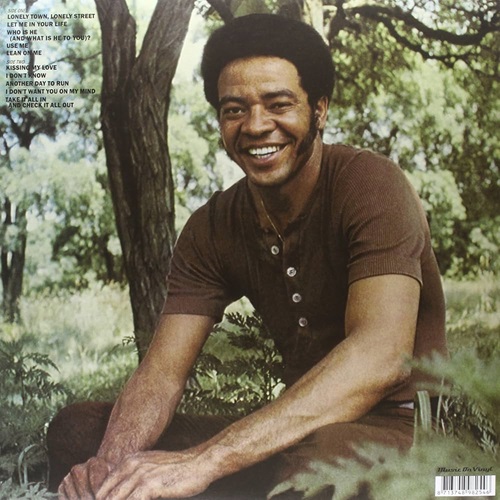
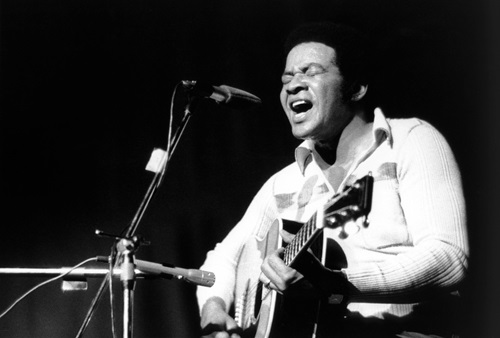
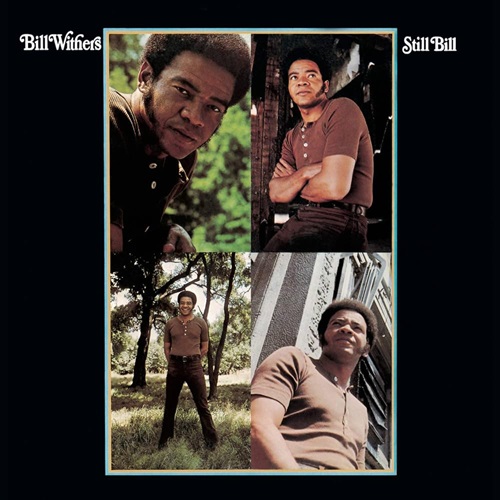
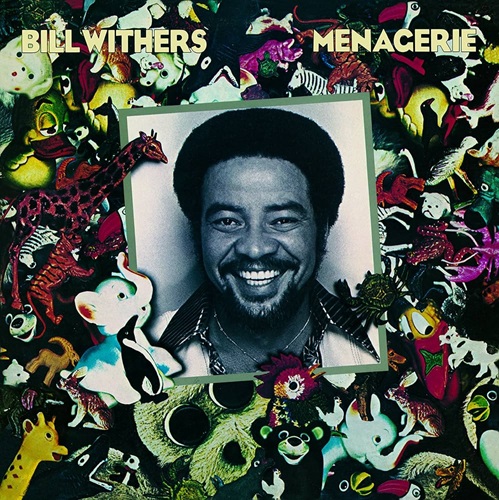



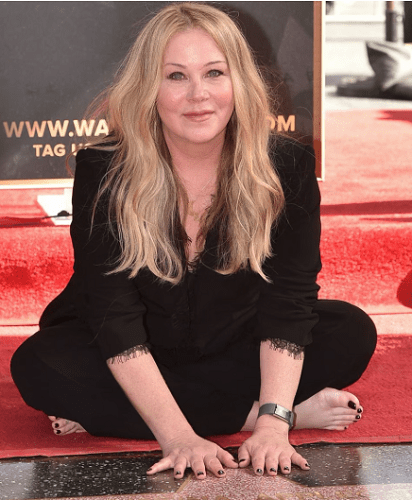
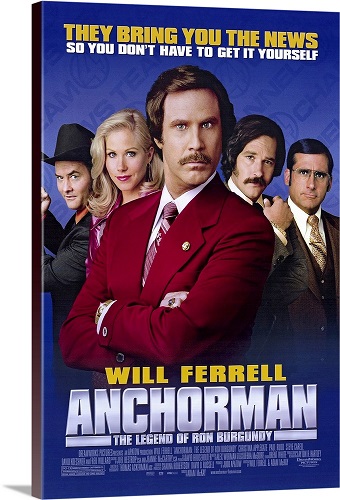



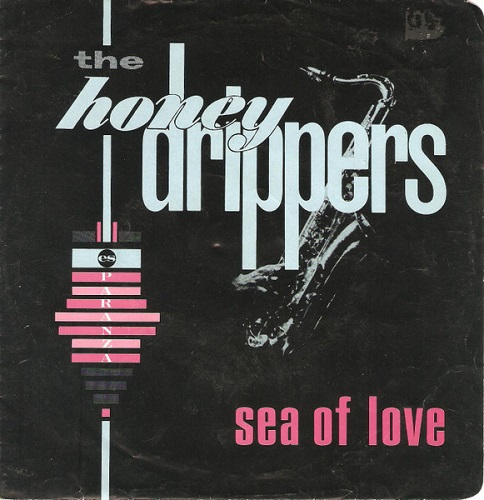
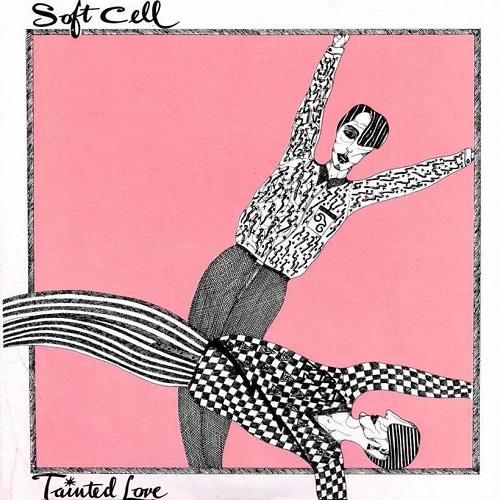
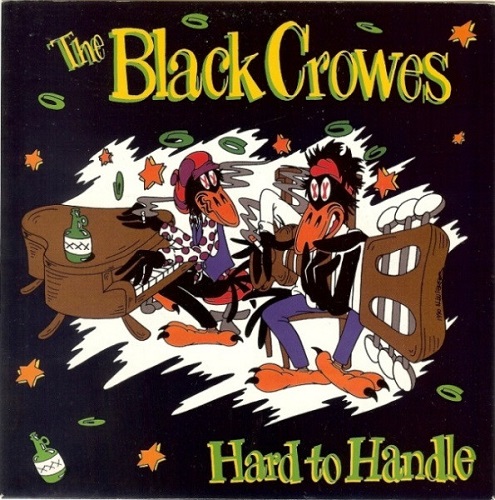


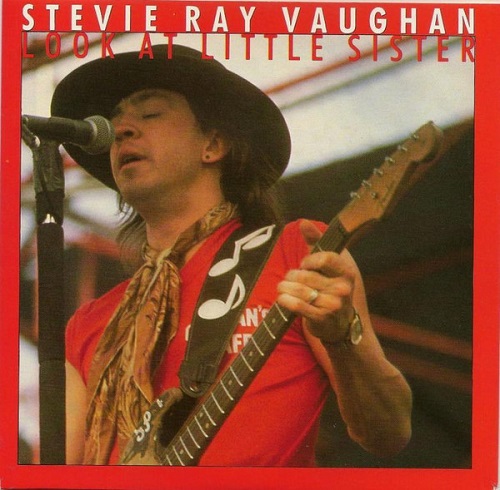

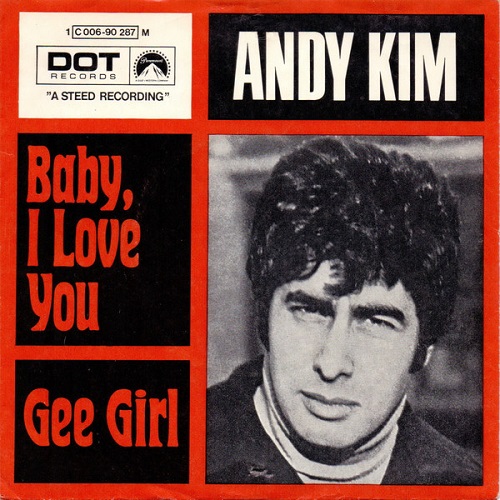
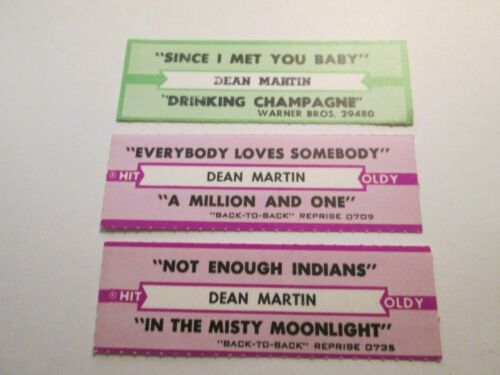
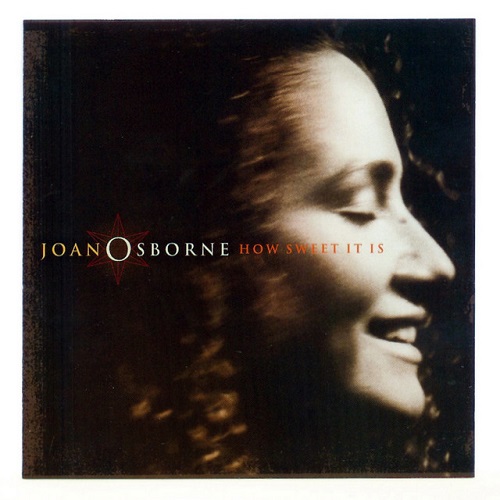

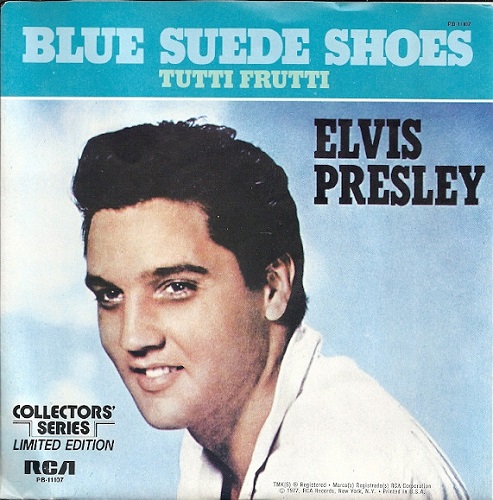


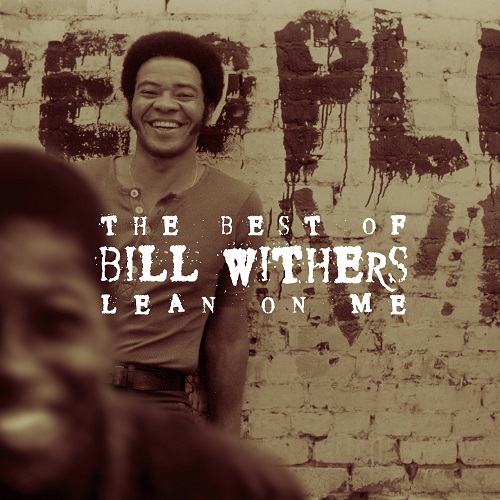

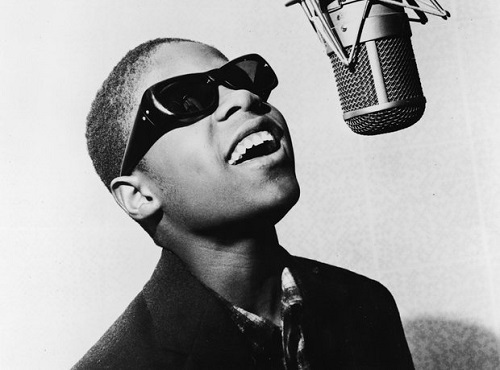

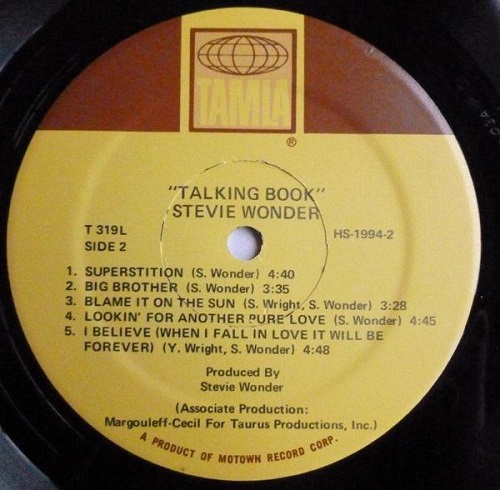
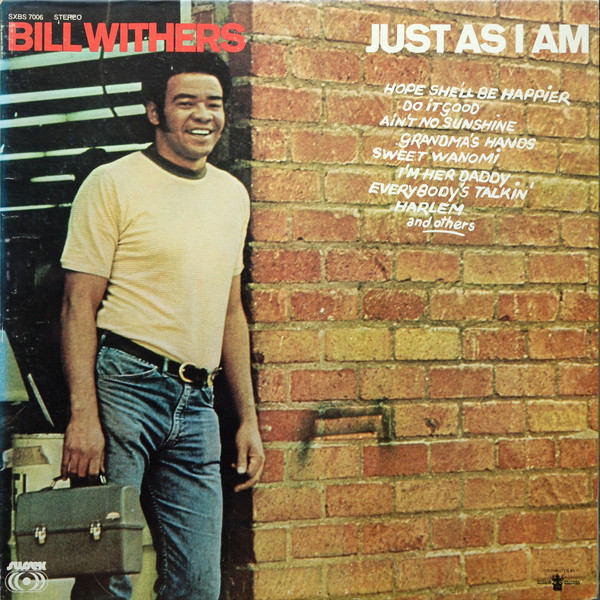

 Various Ramblings of a Nostalgic Italian