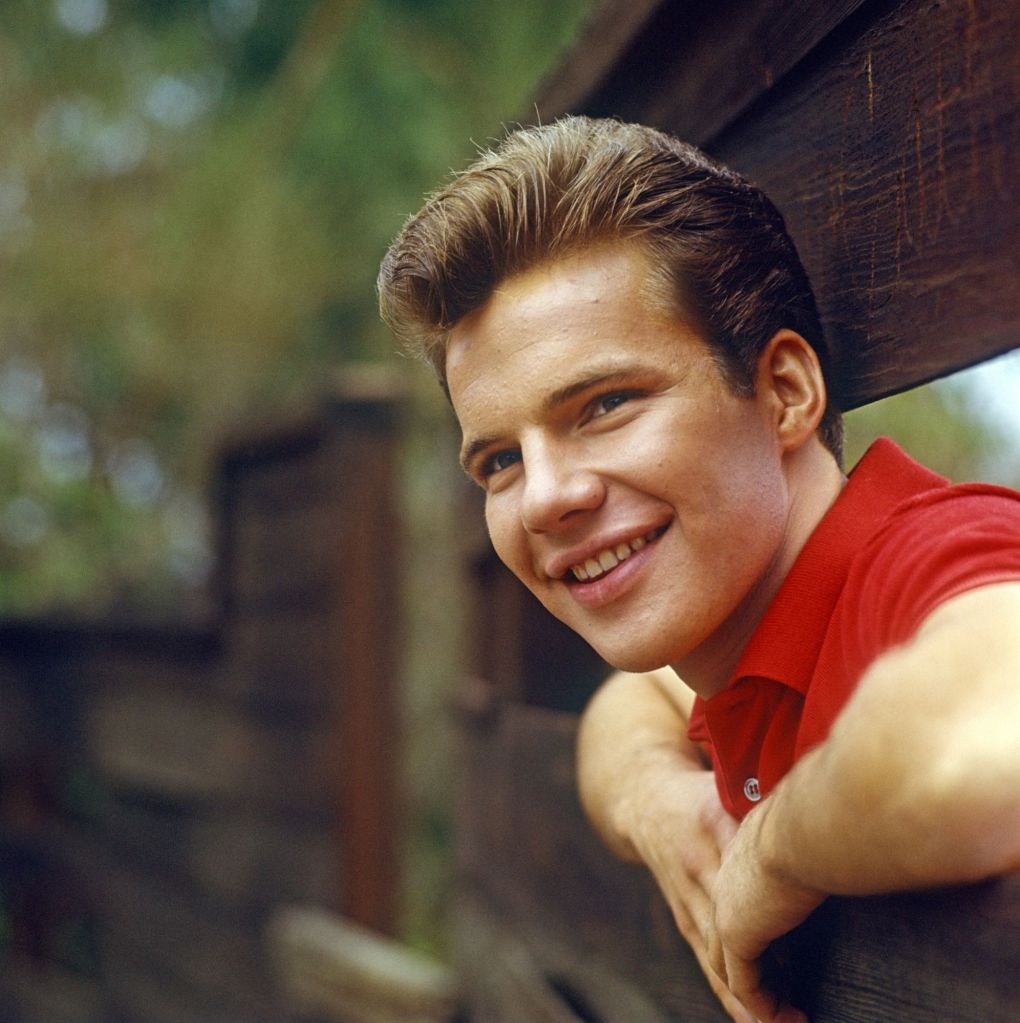
I hope you don’t mind if I focus on a hometown hero that often gets overlooked. Today Marshall Crenshaw celebrates birthday 72. He was born in Detroit, Michigan and was raised in the suburb of Berkley. A radio buddy of mine went to high school with him.
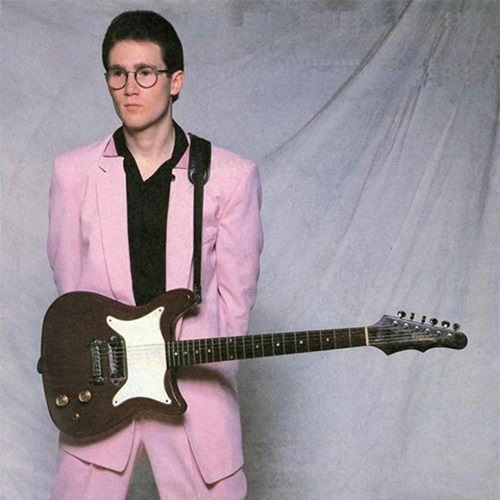
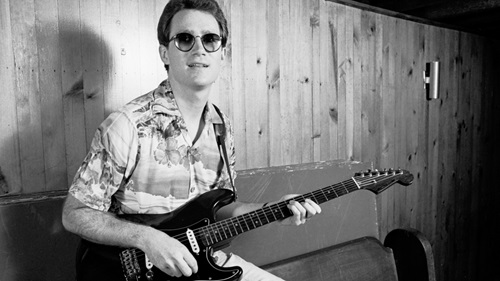
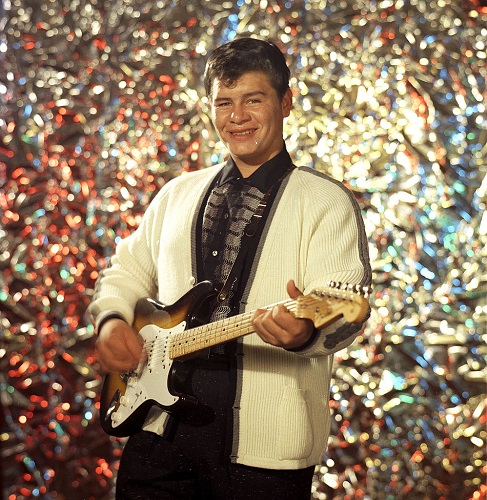
He had hit songs with “Cynical Girl” and “Whenever You’re On My Mind” in the early 80’s. He has said that Buddy Holly was an influence, and early on he was often said to look like him. Perhaps that is why he was cast as Buddy Holly in the movie La Bamba?
Crenshaw was also co-writer of one of the Gin Blossom’s big hits, “Til I Hear It From You.”
Robert Gordon recorded one of his songs in 1981 – “Someday, Someway.” His version went to number 76 on the chart. Crenshaw recorded the song himself in 1982. He released it and it reached number 36 on the Billboard Top 40 Hit chart. It would be his only Top 40 song. Both versions saw early success on New York radio, though Crenshaw’s rendition saw greater success nationally.
Crenshaw wrote the song while he was in New York where he played John Lennon in the musical Beatlemania. He says, “I wrote ‘Someday, Someway’ and five or six of the other tunes on my first album. I wrote those in my hotel room. That was my next move in life, to be a recording artist. I actually had a sense of artistic direction and off I went.”
Someday, Someway was inspired by Gene Vincent’s song “Lotta Lovin’.” Crenshaw said, “I wanted to take the beat and atmosphere of a 1950s Rock and Roll record that I loved … and build something around that. I came up with the music first for ‘Someday’ and dug that it was kind of hypnotic, very spare and succinct.”
Let’s celebrate his birthday with his biggest song –
This was first posted on the A Sound Day blog hosted by Dave Ruch:
Once again, Dave from A Sound Day has invited me to participate in his month Turntable Talk feature. I truly appreciate the fact that he always comes up with great topics. Some of those topics are a bit more difficult to write (like last month), and some are quite easy. This month’s topic falls into the latter category.
Dave is calling this month’s round –Turn it on Again! His instructions are very easy: “tell us about your favorite music video, or the one which impresses you most, and why you love it.” As a child who grew up with MTV, I had many that came to mind.
At this writing, I don’t know what the other contributors have chosen to write about. Has someone picked Michael Jackson’s Thriller? What about Take on Me from A-Ha or Buddy Holly by Weezer? I also wonder about Fatboy Slim’s Weapon of Choice, Peter Gabriel’s Sledgehammer and Nirvana’s Smells Like Teen Spirit. Each and every one of them stands out and have appeared on many “Best Music Video” lists.
I’m not sure that my pick would be considered my “favorite.” I also wouldn’t say it “impresses” me most, but I do enjoy watching the craziness of it. I suppose readers may be surprised at my choice, as I don’t really write about many “rock” songs. I suppose that this song wouldn’t fit into that category, but the singer qualifies as a rocker (at least most people think so).
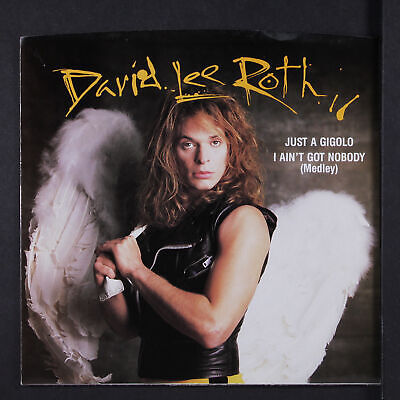
“The band as you know it is over!” That is what Eddie Van Halen told Rolling Stone in mid-August 1985. This confirmed the rumors of division in the band with David Lee Roth. Eddie also made sure to add that “Dave left to be a movie star.” With that, Dave went on to explore a solo career. In late 1984, Dave released a cover of the Beach Boy’s California Girls. He followed that with another cover song (medley actually) from the great Louis Prima.
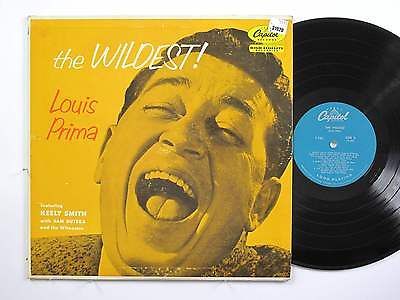
In 1956, Prima took the song Just a Gigolo and paired it up with I Ain’t Got Nobody. He used the song in his 1950’s Las Vegas act with Sam Butera and Keely Smith. The success of that act gained Prima a recording deal with Capitol Record, which hoped to capture on record the atmosphere of his shows. The first album, titled The Wildest! was released in November 1956, and opened with “Just a Gigolo”/”I Ain’t Got Nobody.” It became Prima’s signature number and helped relaunch his career.
Roth’s version is really almost a note for not copy of Prima’s record. By itself, it’s just an ok cover song. However, with an entertaining video that features celebrity look-alikes, beautiful women, and Dave being … Dave, it becomes something much much more.
The video for the song begins with Dave asleep at a news desk as his video for “California Girls” plays behind him on the monitor. The crew calls his name and he wakes up. After his talk, the freaky crew members begin to speak to him. They are right in the camera, so the viewer sees this from Dave’s perspective in this sequence. It’s actually kind of disturbing. The intro to the video is almost two minutes long before the song actually begins.
When it does, Dave is off dancing through the studio. We see him showing up at a talk show, walking through the backstage area among Vegas showgirls, astronauts, pimps, pirates, monsters, cheerleaders, hula dancers, and the police. All of this happens before you really get to the “meat and potatoes” of the video.
It is there that Dave begins parodying videos from Michael Jackson, Cyndi Lauper, Billy Idol, Richard Simmons’s “Sweatin’ to the Oldies” videos (Davercize!), Willie Nelson, and Boy George. As he appears in each of the videos, he winds up wrecking them. It is almost like watching a cartoon. It’s utter chaos, but a fun chaos (unless you count the priest who has a heart attack because of Dave’s dancing.)
The video is like a snapshot of the 80’s. It’s funny to imagine Dave crashing into a Willie Nelson or Cyndi Lauper video. As the “Nostalgic Italian,” I appreciate the nostalgia that the video presents. It is more powerful now than it was in 1985.
Eventually, MTV edited the 2 minute intro out, and just played the song portion of the video in rotation. I think that is how I first saw the video. When I searched for it to post in this blog, I found the full video. I honestly had forgotten all about the intro, but seeing it again was a hoot. Watching Dave do his “over the top” announcer made me think of so many of those DJ’s on the radio who literally puke every thing they say.
Back in one of our first rounds of Turntable Talk, we discussed music videos and whether they hurt radio. To me, I love the fact that a music video can convey the story of a sad song or add a whole lot of fun to another. With this video, Dave pokes fun at other videos, which only makes his more enjoyable to see.
I could be wrong, but it is possible that Weird Al Yankovic looked back to this video as inspiration for his UFH video. In Al’s Video, (in between clips from the movie) he pokes fun at Guns and Roses, Prince, George Michael, Peter Gabriel, ZZ Top, Billy Idol, The Beatles, INXS and the Talking Heads!
Thanks again, Dave for asking me to take part in this feature. I know that I really look forward to your topics and enjoy writing my response to them. I am already looking forward to next month.
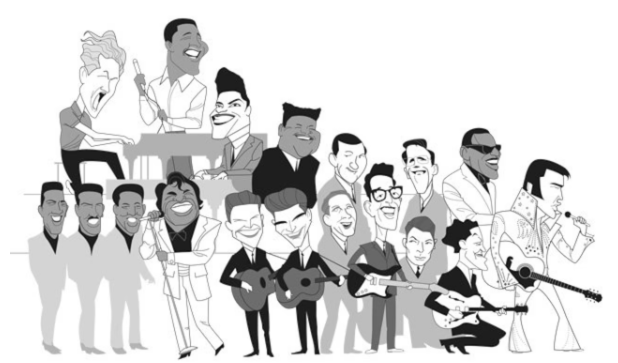
It was 39 years ago today that the Rock and Roll Hall of Fame inducted its inaugural class. When you look at the 10 inductees, you cannot help but be impressed. These artists are legends who were a part of the birth of Rock and Roll. The performers category is meant for recording artists and bands that have “influence and significance to the development and perpetuation of rock and roll.” Each of them did just that!
To honor this class of Rock and Roll pioneers, I thought I would feature a favorite song from each of them. Feel free to add your favorites in the comments.
Chuck Berry– No Particular Place To Go
The “Granddaddy of Rock and Roll”
James Brown – Please, Please, Please
“The Godfather of Soul”
Ray Charles – Hallelujah, I Love Her So
“The Genius”
Sam Cooke – Twisting The Night Away
“The King of Soul”
Fats Domino – I’m Walkin’
“The Father of Rock and Roll”
The Everly Brothers – Bye Bye Love
Buddy Holly – Rave On
Jerry Lee Lewis – Whole Lotta Shakin’ Goin’ On
“The Killer”
Little Richard – Rip It Up
“The Architect of Rock and Roll” (Also “The Bronze Liberace”)
Elvis Presley – Blue Suede Shoes
“The King of Rock and Roll”
I wish I could find out who the artist is on this amazing caricature! I love this and would love to get a print of it.
The amount of music that these ten performers put out in their lifetime is overwhelming! It is fitting that they make up the first class of Rock and Roll Hall of Fame inductees.
My wife and I took a trip to Cleveland for our anniversary one year. We visited the Hall of Fame and I was in awe walking amongst the pieces of history. If you have never been there, I highly recommend a visit!
Welcome back to The Music of My Life, where I feature ten songs from each year of my life. In most cases, the ten songs I choose will be ones I like personally (unless I explain otherwise). The songs will be selected from Billboard’s Year-end Hot 100 Chart, Acclaimed Music, and will all be released in the featured year.
I turned 24 in 1994. In the 7 years I had been on the radio, I was starting to get used to the fact that radio stations made changes often. It happened again when Honey Radio went off the air that year. I would go on to land a gig at W4 Country in Detroit soon after.
1994 was also the year my paternal grandfather passed away. I was very close to him and that grief hung around for some time.
Musically, I was DJing a lot more parties and discovering more music. Thanks to a full time job where I drove a lot, I discovered some alternative music that I really enjoyed. Many of those tunes will show up in the lists/years ahead.
Let’s check out 1994 …
As someone who feels like I can never put my feelings into words, I appreciate a song that can. Beautiful In My Eyes was a huge Bride and Groom song when I was DJing. When it wasn’t the bridal dance, it was a slow song that always packed the dance floor.
When I DJ’d my cousin’s second wedding, it was on the “Do Not Play” list. Why? It was the wedding song she used in her first marriage. As strange as it may sound, that happened a lot.
Joshua Kadison describes the song as being about “a love that just lasts forever, and you’ll always be beautiful in my eyes.” I’ve always thought it was an example of a great love song. I will also admit that I had no idea what he looked like until I found this video.
Beautiful in My Eyes
We had Doug Stone do a show for us when I worked at the Moose. He was a nice guy and fun to chat with. By the time he did our show, he’d pretty much had all of his hits.
One song that I found extremely relatable was Addicted to a Dollar. There are lyrics in here that any hard working person can relate to!
“F.I.C.A. and the state – they make my paycheck look like a big mistake. Tax man takes his before I see a cent And what they don’t get, I’ve already spent.”
“Got me more payments than I’ve got checks. Ten more to go on this car, it’s a wreck.”
Those hit home on many levels, especially for a radio guy! Even long after my radio career, those lyrics can still hit home.
Addicted to a Dollar
Next up, the only US hit for Des’ree, who had quite a few hits in the UK. I like this song because it’s kind of a pep talk. It’s about not being ashamed to express your feelings and about living life to its fullest.
The whole song is loaded with wisdom. The chorus is something that a person could easily tell themselves everyday when they look in the mirror.
“You gotta be bad, you gotta be bold, you gotta be wiser You gotta be hard, you gotta be tough, you gotta be stronger You gotta be cool, you gotta be calm, you gotta stay together All I know, all I know, love will save the day“
Some days you just gotta push through, and being bad, bold, wise, hard, tough, strong, cool, and calm can certainly help!
You Gotta Be
The Troggs followed up their hit “Wild Thing” with the ballad Love Is All Around. They took the song to #7 in 1967.
The group Wet, Wet, Wet covered it for the movie Four Weddings And A Funeral. It wasn’t the only song they could have recorded. The band chose “Love is All Around” over Gloria Gaynor’s “I Will Survive” and Barry Manilow’s “Can’t Smile Without You” even though some of their members hadn’t heard it before.
Singer Marti Pellow related that the decision to pick “Love Is All Around” was an easy choice “because we knew we could make it our own”. They made the right choice, as their version was a UK #1 for 15 weeks and became the best selling single in the UK in 1994.
The song is so much different than the Troggs’ version. I think that is why I like it so much! It isn’t that the Troggs’ version sounds dated or anything, I just think the Wet, Wet Wet version sounds more polished. It’s fantastic.
Love Is All Around
I wish I had a dollar for every time I have played this next one at a wedding or party! It was one of my most requested songs – Cotton Eyed Joe. What’s funny is that while high school kids were asking for it, they have no idea just how old the song is!
Songfacts says “This song originated in America in the 1800s, and is commonly associated with the American South. It became a popular song in country bars, as it was perfect for line dancing. It’s a traditional folk song, and many country artists recorded it.
Rednex is a group of Swedish producers who recorded “Cotton Eye Joe” as a techno dance song. After putting the song together, they came up with the country bumpkin motif and named the group Rednex, a play on the word “redneck,” a term for an uncultured southerner in America.
They found five Swedish performers to portray the band, dressing them in tattered clothes and giving them a stereotypical hillbilly look, with unkempt hair and dirty faces. In a cagy marketing move, they refused interviews and released a bio to the press explaining that the group was rescued from an uncivilized village called Brunkeflo in the backwoods of Idaho and brought to Sweden, where they could express their musical gifts. Their names were Bobby Sue, Billy Ray, Mary Joe, BB Stiff and Ken Tacky – all inbred.“
What a way to start a band, huh?
Cotton Eyed Joe
I don’t think I could ever be a good songwriter. There are some lines that I think are just brilliant. One of those lines is the opening line of Green Day’s Basket Case.
“Do you have the time to listen to me whine about nothing and everything all at once?”
That’s a great line! This song is about anxiety attacks and a feeling that you are going crazy. Lead singer Billie Joe Armstrong suffered from various panic disorders while he was growing up – he would sometimes wake up in the middle of the night with a panic attack and walk around his neighborhood to settle down. “Basket Case” was a cathartic and personal song for him. “The only way I knew how to deal with it was to write a song about it,” he explained.
Songfacts says “Blasting right into the verse at the beginning of this song is something that set it apart. Simplicity was a hallmark of the Dookie album, and while omitting an intro made little marketing sense (DJs couldn’t talk up the song), it got right into the meat of the track. Tre Cool of Green Day cites the first Beatles album, Please Please Me, as an influence on Dookie, since many of those early Beatles songs also got right to the point.”
Basket Case was one of those alternative songs I heard on the radio and it made me want to hear more from Green Day.
Basket Case
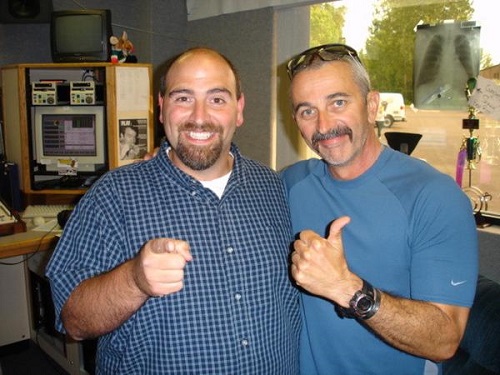
I’ve got the chance to hang out and interview Aaron Tippin a couple times. He’s a huge supporter of our veterans, and does a lot of charity work
During his stage show he puts together a bicycle while singing a song. Then he brings out someone from a children’s hospital or foster home and donates the bike and more to those children. Class act!
Off air, I found out he was a big fan of Frank Sinatra and Dean Martin. We chatted for a long time about their music. At his county fair show, he donned a fedora and nailed a Sinatra song. It was amazing.
My dad loves his music and he asked if I would get an autograph for him. Aaron and I were talking and I mentioned my dad’s request. My dad loves Aaron’s patriotism and support of veterans. I mentioned this to him. Aaron wanted to know more about him. Where did he serve? How long? What branch of service?
He grabbed one of his photos and signed it for my dad. It hangs proudly in my dad’s music room. “Sam. I KNOW you got it honest! Thank you. Aaron Tippin.”
I Got It Honest
The video for the next song is what got me. More on that in a second.
Weezer’s Buddy Holly was almost called “Ginger Rogers.” Well, it could have been. According to songfacts “The early demo of this song had a slower tempo and some different lyrics. The chorus originally referenced famous dancing duo Fred & Ginger: “Oo-wee-oo you look just like Ginger Rogers, Oh, oh, I move just like Fred Astaire,” before it was changed to “Oh wee-ooh, I look just like Buddy Holly, Oh, oh, and you’re Mary Tyler Moore.”
The video was just awesome. Spike Jonze directed it. Vintage Happy Days footage was intercut with shots of Weezer performing on the original Arnold’s Drive-In set. Al Molinaro, who played the diner’s owner on the series, made a cameo appearance in the video.
Think about this: Happy Days aired in the 1970s but was set in the 1950s, when Buddy Holly made his mark. So here we have a ’90s video referencing a ’70s TV series set in the ’50s.
The video was one of the most popular clips of 1995, it scored four MTV Video Music Awards, including Breakthrough Video and Best Alternative Music Video, and two Billboard Music Video Awards, among them Alternative/Modern Rock Clip of the Year.
The single was released to radio on September 7, 1994, which would have been Buddy Holly’s 58th birthday.
Buddy Holly
In 1994, Huey Lewis and the News released Four Chords and Several Years Ago. It was an album of 50’s and 60’s cover songs. What made this really cool was that they recorded it just like they would have in those days.
You didn’t have the guitar track laid down beforehand. The drummer wasn’t in a separate booth. All the musicians and vocalists were in the same room recording at the same time. This gave the songs a very authentic sound.
The band’s final entry into the Hot 100, was a cover of the JJ Jackson hit But It’s Alright. This is not to be confused with an earlier cover they did of the Impression’s It’s Alright. They did that one all acapella.
Four Chords is one of my favorite albums.
But It’s Alright
It is fitting that the next song is the last one on my list for 1994. It’s fitting because since it came out, I almost always used this song as the last song of the night when I DJ’d.
Madonna’s Take A Bow has a beautiful instrumentation and arrangement. While beautiful, it is sad. This song is about a failed romance Madonna had with “a movie star,” possibly Warren Beatty, whom she starred opposite in the movie Dick Tracy.
Babyface sang backup and also produced this track to give Madonna the R&B feel she wanted for the Bedtime Stories album. At Madonna’s suggestion, this song was recorded with a full orchestra. It was the first time Babyface had worked with live strings.
I always felt like it was a perfect song to wrap up with. The lyrics say, “The show is over, say goodbye.” I also liked that it was a 5 minute song, which gave me a little time to start packing up at gigs. At some gigs, if I had a friend there, or my significant other, I could sneak in a brief dance with them.
Take a Bow
And just like that, we’re through 1994. Like other years, there were plenty of good ones to choose from. Which one of your favorites did I miss?
Next week, we’ll hear the dance craze people love to hate, a band that was superior to another, a soulful sweet collaboration, a rather strange song, and the reuniting of one of the biggest groups in history. I hope you’ll stop by to check it out ….
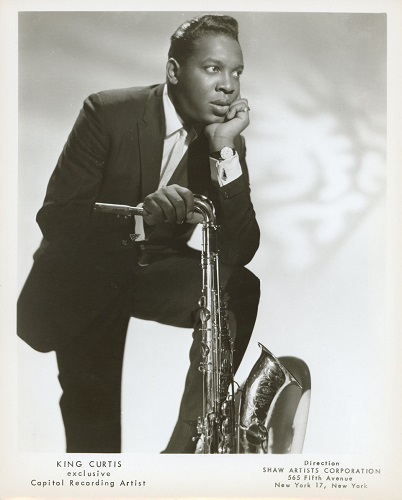
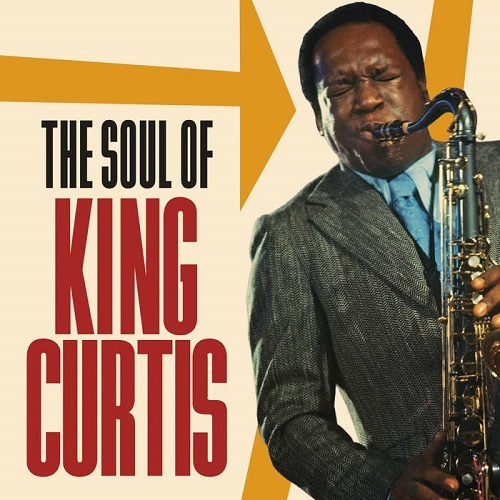
The song for today is a familiar one, despite its age. The reason I pick this one is to remember one of the greats who passed away on this day in 1971. Perhaps you don’t know him by his real name, Curtis Montgomery, or his adopted name Curtis Ousley. If you are a music lover, I would hope that you are familiar with his stage name – King Curtis. He was one of the all time great saxophonists and had quite a career.
Curtis began playing saxophone at age twelve and liked a variety of music. He turned down college scholarships to join up with the legendary Lionel Hampton band where he wrote and arranged music. In the early 1950’s he left the band to go to New York. He became an on call session musician for labels like Atco, Prestige, and Capitol Records. He recorded with Clyde McPhatter, Bobby Darin, Buddy Holly, Jimi Hendrix, Andy Williams and was on Waylon Jennings first record. He also made his own records like “Soul Twist” (with his Noble Knights) in 1962.
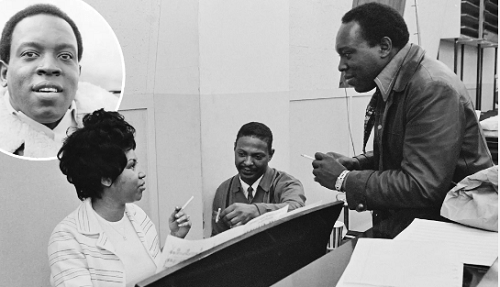
In 1967, Aretha Franklin covered Otis Redding’s Respect by flipping the gender and presenting it from the female point of view. The song featured Aretha’s sisters, Erma and Carolyn on the repeated “sock it to me” line and King Curtis on the saxophone solo.
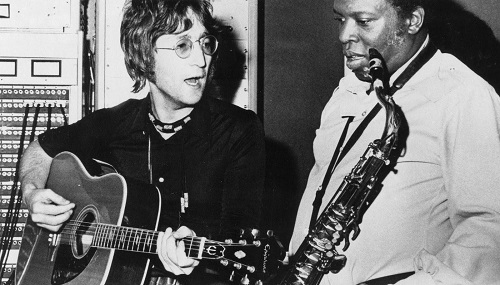
In February of 1971, John Lennon started recording tracks for his Imagine album. When Lennon, Yoko Ono and Phil Specter were mixing and finishing the album, John must have felt that he needed something more on a couple tracks. Apple’s Allen Steckler said, “John knew he wanted a sax player and it was his idea to use King Curtis. He asked me to get him. I found his agent and booked him. John played him the tracks and told him the kind of feel he wanted. He went into the studio and played his ass off. John loved it, as did Phil Spector and all of us.“
Curtis recorded his parts for the album in July of 1971. He can be heard on Lennon’s “I Don’t Want to Be a Soldier Mama” and “It’s So Hard.”
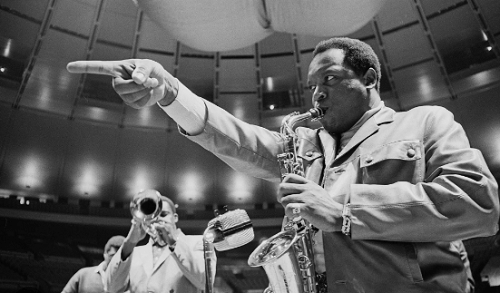
Long before all of that, Curtis decided to move towards playing rhythm and blues in part because it was a more lucrative career choice, but he also loved the music. It was in 1958 that he became widely known for his unique saxophone work when he played on The Coasters hit “Yakety Yak.” The sound that Curtis unleashed earned him some fame and influenced the sound of R&B the saxophone. He developed a strong relationship with The Coasters, becoming their go to sax man and contributing to arrangements as well on a string of hits that included “Charlie Brown,” “Along Came Jones,” “Shoppin’ For Clothes,” and more.
Saxophonist Boots Randolph was so influenced by the “Yakety Yak” solo that he altered the melody a bit and made it his own song called “Yakety Sax” (which played prominently on the Benny Hill Show). That song only further exposed the King Curtis sound.
On the night of August 12, 1971, Curtis was attempting to access the fuse box to his house (his central air conditioning system was tripping the breaker) when he confronted Juan Montanez, who was loitering on Curtis’s front steps with an unidentified female. A fight ensued and Montanez stabbed him. Curtis was found on the steps outside his apartment and was taken to New York’s Roosevelt Hospital where he died early on the morning of August 13, 1971. He was 37 years old.
So today, on the 53rd anniversary of his passing, check out the great King Curtis with the Coasters on the classic, “Yakety Yak.”
Welcome back to The Music of My Life, where I feature ten songs from each year of my life. In most cases, the ten songs I choose will be ones I like personally (unless I explain otherwise). The songs will be selected from Billboard’s Year-end Hot 100 Chart, Acclaimed Music, and will all be released in the featured year.
This week we enter a new decade – the 80’s! As the final years of the 70’s ticked away, you could already start to hear the “eighties sound” creeping in. As we move through the decade that sound will change even more. What is also interesting is the amount of crossover hits in the years ahead. 40% of my list for 1980 has roots in country music.
So what was my 10 year old self listening to in 1980?
I did not know that the first song would perhaps unknowingly influence my career choice at 10 years old, but it may have. Released in February in the US, Charlie Dore reached number 13 on the Hot 100 charts with her ode to the radio DJ, Pilot of the Airwaves.
The lyrics are from the point of view of a woman who frequently listens, late at night, to a radio disc jockey whom she calls a “pilot of the airwaves”, keeping what has often been called the “dawn patrol”. She admits that she has few real-life friends and that the DJ keeps her as much company as she believes she needs, describing her life and the feelings she has2 surrounding the fact that she considers the radio DJ her only true friend. The DJ does not need to play the selection she has requested; she does hope the DJ will do his best along those lines, adding:
I’ve been listening to your show on the radio, And you seem like a friend to me.
Looking back on this song now, I can tell you that the one thing I learned was most important about being on the air was to have the listener feel as though they were just hanging out with a friend. That was always my goal – speaking one on one and keeping my listener company.
The song played a role in an early relationship, too. Two gals used to call the station all the time and one of them always wanted to hear this song. They decided to bring me coffee one night and I hit really hit it off with one of them. We dated for a while, and when an ex of mine called to ask me to take her back, I did. Ah, young love …. it really gets messy
Pilot of the Airwaves
A songwriter and producer named Steven Greenburg wrote a song when he became bored with Minneapolis and wanted to move to New York, which he called “Funkytown.” Lipps Inc. (pronounced “Lip Synch”) was formed especially for this song. The vocals were done by Cynthia Johnson, who was Miss Black Minnesota 1976. The song reached number one on the charts and stayed there for four weeks!
The group continued to record until 1985 with a changing lineup, but they failed to see the success they’d had with their first hit. Steven Greenburg, however, went on to have great success. He became A&R Vice President for Mercury Records, signing Hanson, among other acts. Later he headed the S-Curve Records label, signing the Baha Men and Joss Stone.
This song shows up in a lot of movies (Shrek 2, History of the World Part 1, Selena) and TV shows (Everybody Loves Raymond, Will and Grace, Malcolm in the Middle, and Friends) and VH1 ranked the song at #37 in the Top 100 One Hit Wonders.
Funkytown
It’s Still Rock and Roll to Me from Billy Joel’s Glass Houses album was one of Joel’s most popular songs and was his first #1 hit on the Hot 100, spending two weeks at the top spot in July 1980. The song spent 11 weeks in the top 10 and was the 7th biggest hit of 1980. It was released on May 12, 1980 – 3 days before my 10th birthday.
In this song, Billy Joel was making a comment on musical styles and trends. At the end of the disco era, the music press began touting the “New Wave” sound, which included bands like The Police and The Cars. Joel thought that this new sound was just a variation on power-pop that had been around since the ’60s. He didn’t have a problem with the music, just the way it was being categorized. “I like it, but it’s not particularly new,” he said.
He said in a Rolling Stone interview that “new wave songs, it seems, can only be about two and a half minutes long… only a certain number of instruments can be played on the record – usually a very few… only a certain amount of production is allowed or can be heard… the sound has to be limited to what you can hear in a garage… a return to that sound is all that’s going on now.”
It’s Still Rock and Roll To Me
Despite the next song being a huge hit in 1980, it is interesting that it goes all the way back to 1959 and has ties to Buddy Holly and the Beatles.
More Than I Can Say was originally written and recorded by Sonny Curtis and Jerry Allison in 1959. Curtis and Allison were both members of Buddy Holly’s band, the Crickets. They recorded it in 1959 soon after Holly’s death and released it in 1960 on their album In Style With The Crickets. The hook was left unfinished at the time, and at the time of recording, the hook was left this way with no lyrics, only the “wo-wo yay-yay,” which became a memorable part of the song. The single went on to become a minor hit in the UK. Curtis considers this song to be one of his most enduring, looking back at the success subsequent artists have had performing it.
It was also covered by Bobby Vee in 1961. Bobby, you may recall, was one of the artists who was chosen to play the remainder of the tour that Buddy Holly, The Big Bopper, and Richie Valens were doing when they died. Bobby’s version never cracked the Top 40 in the US, but was a Top 5 song in the UK.
From Wiki: According to author Mark Lewisohn in The Complete Beatles Chronicle, The Beatles performed “More Than I Can Say” live in 1961 and 1962 (in Hamburg and Liverpool and elsewhere). Author Allen J. Weiner in The Beatles: The Ultimate Recording Guide confirms this, noting that it came from a setlist made at the time by George Harrison. It is unclear who sang the lead vocals and no recording is known to survive.
The best known version of the song was by Leo Sayer. Sayer was looking for an “oldie” for his 1980 album Living in a Fantasy. He saw a television commercial for a greatest hits collection by Bobby Vee and chose the song on the spot: “We went into a record store that afternoon, bought the record and had the song recorded that night.” It spent five weeks at #2 on the Billboard pop chart in December 1980 and January 1981.
What I remember most about this song is that my dad’s wedding band used to play this in the set. My brother and I often heard it over and over as they rehearsed it.
More Than I Can Say
I will always see a dancing gopher whenever I hear the next song. “I’m Alright” is the theme to the movie Caddyshack, and plays at the beginning and end of the film. Kenny Loggins saw a rough cut of the movie before he wrote the song. He used the character Danny Noonan, who was a caddy with hopes for a brighter future, as inspiration.
Loggins told the St. Petersburg Times: “The character was trying to figure out where he fit. But at the same time he wanted people to leave him alone and let him find his own way. So I wanted to grab him and summarize that character, and that’s what ‘I’m Alright’ is doing.”
Do you recognize a familiar voice in the song? Eddie Money was recording in a nearby studio, and Loggins convinced him to sing a line on this song. That’s him in the background singing, “You make me feel good!” Money was unhappy that he never got credit for his contribution. “I’m not a fan of Kenny Loggins to tell you the truth,” he told Cincinnati morning show host Kidd Chris of WEBN in 2014. “I sang the bridge in that. We were label mates, you know.”
Fun Fact: When Loggins launches back into the chorus partway through the song, he stutters on the lyric, singing, “I- I’m Alright,” which was a happy accident. “I actually misjudged the entrance. In the arrangement, I delayed that entrance but I forgot when I was doing the lead vocal.” They decided to leave it in the song.
I’m Alright
Urban Cowboy was released in 1980 and country music was big. There were many country songs that crossed over to the pop charts. The next song, however, makes my list because I loved watching the Dukes of Hazzard every week. The first autograph I ever received was a postcard from James Best ( Sheriff Roscoe P. Coltrane)!
Waylon Jennings was the narrator in the 1975 movie Moonrunners, where he was credited as “The Balladeer.” When CBS created a TV show based on the movie, they asked Jennings to reprise his role as narrator (again credited as “The Balladeer”) and write the theme song. He came up with an outlaw-Country theme that fit the story of Bo and Luke Duke, who were good-hearted rebels from the fictional Hazzard county in The Dukes of Hazzard. Jennings appeared in all 121 episodes of the show until it ended in 1985.
Waylon recorded two versions of the song. The commercially available version receiving radio airplay contains a musical bridge which follows the first verse and chorus. Also, following the commercial version’s second chorus, Jennings makes a tongue-in-cheek reference to his faceless appearance in the credits by singing, “I’m a good ol’ boy, you know my mama loves me, but she don’t understand, they keep-a showin’ my hands and not my face on TV” (a statement referring to the opening shot in the television theme version where Jennings is only shown below the neck playing guitar). This version was a #1 Country hit.
Personally, I think the TV version is the superior version. One of the reasons is that it features Larry McNeely’s banjo work which the commercially available version does not. That banjo really makes a difference! Additionally, the television version’s third verse contains the lyric, “Fightin’ the system like two modern-day Robin Hoods”, which is accompanied by a “Yee-haw!” said by characters, Bo & Luke Duke (John Schneider and Tom Wopat. Fun Fact: The “Yee-haw is Schneider’s vocal used twice.
Here are both versions.
Theme from The Dukes of Hazzard
Another country themed movie from 1980 starred Willie Nelson, Honeysuckle Rose.
On The Road Again was written on the spur of the moment on an air sickness bag when Nelson was on a plane with Jerry Schatzberg, the director of the movie Honeysuckle Rose and its executive producer Sydney Pollack. He recalled to Uncut magazine: “They were looking for songs for the movie and they asked me if I had any idea. I said, ‘What do you want the song to say?’ and Sydney said, ‘Can it be something about being on the road?’ It just started to click. I said ‘You mean like, On the road again, I can’t wait to get on the road again?; They said, ‘That’s great. What’s the melody?’ I said, ‘I don’t know yet.'”
Willie put off writing the melody for months until the day before he went to the studio to cut the song. “I saw no reason to put a melody to something I wasn’t ready to record,” he explained in his 1988 autobiography, Willie. “I knew I wouldn’t have any problem pulling the melody out of the air.”
This was a #1 Country hit for Willie Nelson, and also one of his biggest crossovers, reaching #20 on the Hot 100, his highest placing at the time. It also won him a Grammy Award for Best Country Song in 1981.
On The Road Again
Hit Me With Your Best Shot was the first Top 10 record for Pat Benatar. It was the second single from her Crimes of Passion album. The song was written by guitarist Eddie Schwartz. His inspiration? A pillow.
Eddie says, “I was in a kind of weird therapy when I was in my mid-20s, it was called bio-energetics, I believe. One of the things we did was punch pillows, I guess it had something to do with getting out hostility. I went to a session where we punched the pillows for a while. It all seemed kind of strange, but I remember walking outside of this therapy session and standing on the doorstep of the building I’d been in, this small house in Toronto, and the title just came to me, ‘Hit Me With Your Best Shot.’ I haven’t been to therapy before or since. Maybe I should go back.”
The song can be interpreted as a song about a one-night-stand, but that’s not what its writer had in mind. Schwartz says, “The song is laden with sexual innuendo, but at the core is a song about self confidence. It’s a song saying ‘no matter what you throw at me, I can handle it, I can play in your league.'”
Pat Benatar retired “Hit Me With Your Best Shot” from her live sets in 2022 when she deemed the lyrics inappropriate in the light of a spate of mass shootings in the United States. “We’re not doing ‘Hit Me With Your Best Shot’ and fans are having a heart attack and I’m like, ‘I’m sorry, in deference to the victims of the families of these mass shootings, I’m not singing it.’ I tell them, if you want to hear the song, go home and listen to it,” she told USA Today.
Benatar added that though the title is tongue-in-cheek, she had to draw the line. “I can’t say those words out loud with a smile on my face, I just can’t,” she said. “I’m not going to go on stage and soapbox – I go to my legislators – but that’s my small contribution to protesting. I’m not going to sing it. Tough.”
Hit Me With Your Best Shot
I guess I would call the next song one of my forgotten favorites. You don’t hear it too often anymore, and it was really Terri Gibbs only bonified hit. I’ve always loved the sound of it and remember hearing it a lot on the radio growing up. Somebody’s Knockin’ was released in October of 1980.
When Terri was only six months old, she was diagnosed with retrolental fibroplasia and declared blind. She began playing the piano when she was three. When she was seventeen, she opened up for country legend Bill Anderson. It was another country legend who told her to move to Nashville and pursue a music career – Chet Atkins. She did just that when she was eighteen, but had no luck getting a record deal.
She moved back to Georgia and toured with a trio. She made a demo tape and sent it to record producer Ed Penney of MCA Records who signed her to the label in 1980. Penney was a former Boston disc jockey and a long-time songwriter. He liked her voice on her demo, but he felt she needed stronger material. So he co-wrote “Somebody’s Knockin'” for her and also produced the song. He also became her manager.
This song was a crossover hit upon its 1980 release, reaching No. 8 on the U.S. country charts, No. 13 on the Billboard Hot 100 and No. 3 on the Adult Contemporary charts. Her debut album won her the Academy of Country Music’s Top New Female Vocalist award. She was also the first winner of the Country Music Association’s Horizon Award (which is awarded to emerging artists), and was nominated for a Grammy Award for Best Country Song and Best Female Country Vocal Performance for the song.
In 1987, after struggling to have another country hit, she switched her focus to Contemporary Christian music. Her last album was released in 2017.
Somebody’s Knockin’
It is probably just a coincidence that I am writing this during a Michigan thunderstorm, but it is the appropriate background noise to accompany my last entry of 1980. Eddie Rabbitt was a country singer and songwriter who had a fair share of country and crossover hits. Here is another example of real life inspiring a song.
Eddie first got the idea for the song I Love a Rainy Night in the ’60s when he was sitting in his small apartment on a rainy night. He sang, “I love a rainy night, I love a rainy night” into a tape recorder, but didn’t complete the song until 1980, when he discovered the tape in his basement. He finished the song with the help of fellow songwriters Even Stevens and David Malloy.
The one thing I truly remember about this song was the intro. The song has a very distinctive feature – its rhythmic pattern of alternating finger snaps and hand claps. The snaps and claps were included with the help of percussionist Farrell Morris, who, according to The Billboard Book of Number One Country Hits, mixed two tracks of each to complete the record. I am sure this is what they intended, but I always picture the windshield wipers going back and forth in that rhythm (just like Eddie sings).
This song was a huge crossover hit! Eddie had great success with the song going to #1 on the Pop, Adult Contemporary and Country charts.
I Love A Rainy Night
So that brings my list for 1980 to an end. As I continue to listen to the thunder, I’ll ponder a bit on what is to come next week as we look at 1981. That was another important year for me and the influence of radio in my future. Why? Because I discovered a show that featured one of the best on air personalities to ever grace the airwaves …..
Richard Steven Valenzuela would have been 83 years old today, had he not become part of the story entitled, “The Day the Music Died.” We, of course, know him by his stage name – Richie Valens.
UNSPECIFIED – JANUARY 01: Photo of Ritchie Valens (Photo by Michael Ochs Archives/Getty Images)
In May of 1958, Bob Keane of Del-Fi Records was told about a high school singer who students called “The Little Richard of San Fernando.” This peaked his interest and he went to see him perform. Keane invited Richard to his home to audition for him. After that first audition, Keane signed him to Del-Fi on May 14, 1958. At this point, the musician took the name “Ritchie” because, as Keane said, “There were a bunch of ‘Richards’ around at that time, and I wanted it to be different.” Similarly, he recommended shortening his surname to “Valens” from Valenzuela to widen his appeal beyond any obvious ethnic group.
The first song that Ritchie recorded at a session shortly after being signed was Come On, Let’s Go. Our song for today. But I am getting ahead of myself.
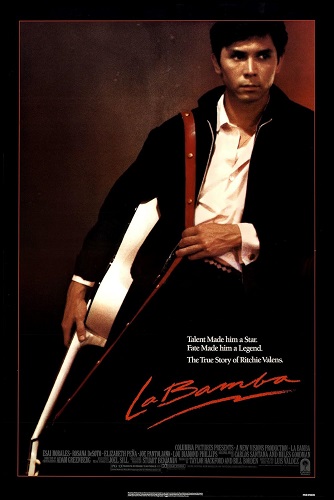
Ritchie’s story was told in the 1987 biographical film, La Bamba, which starred Lou Diamond Phillips as Valens. Marshall Crenshaw played Buddy Holly, Stephen Lee was the Big Bopper, and Brian Setzer makes a cameo as Eddie Cochran. Some of Ritchie Valens’ family even had roles in the film.
The film was well received and Roger Ebert said that he liked the film and the screenplay and writing: “This is a good small movie, sweet and sentimental, about a kid who never really got a chance to show his stuff. The best things in it are the most unexpected things: the portraits of everyday life, of a loving mother, of a brother who loves and resents him, of a kid growing up and tasting fame and leaving everyone standing around at his funeral shocked that his life ended just as it seemed to be beginning.”
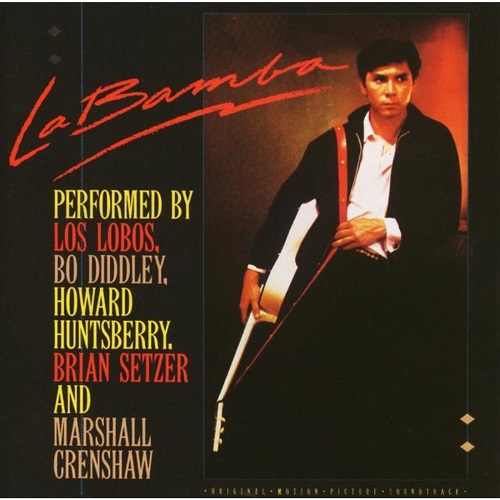
The soundtrack consists of many Ritchie covers done by Los Lobos as well as well as Howard Huntsberry (who played Jackie Wilson in the film), Bo Diddly and Brian Setzer. A second soundtrack was released 1988 with more music from the movie.
Los Lobos did a fantastic job capturing Ritchie Valens’ essence and his songs are fairly true to the originals. While La Bamba will forever be the song Richie is remembered for, Come On, Let’s Go was always my favorite. So for Movie Music Monday, let’s here Los Lobos’ version.
Valens’ story (like that of Buddy Holly and other singers who died young) leaves us wondering “What if ….?” His was a talent taken much too soon.
Bobby Vee was born on this day in 1943. In his career he had quite a few hits under his belt, but had it not been for a tragedy, the world may never have known him.
Anyone familiar with “The Day the Music Died,” remembers that on February 3, 1959, three of the four main headliners of the touring “Winter Dance Party” were killed in an airplane crash. Those three singers were Buddy Holly, Richie Valens, and The Big Bopper. Dion, the fourth headliner, chose not to travel by plane to the next city on the tour. That city was Moorhead, Minnesota.
The show in Moorhead went on as scheduled, but organizers searched for a musical act to fill in for Buddy Holly. Bobby Vee (who was 15 at the time) gathered up some musicians from Fargo (which includes his brother) and they performed that night. This was the jumpstart of his career.
A couple years later, Bobby recorded a tribute album to Buddy. In the liner notes, he recalled Holly’s influence on him and the events surrounding Holly’s death, describing how he had looked forward to attending the concert, how the local radio station put out a call for local talent to fill in after the disaster, and how Vee’s recently organized group, modeled on Holly’s style, had to make up a name (the Shadows) on the spot.
In 1963 Bobby was signed by American Bandstand to headline a tour called Dick Clark’s Caravan of Stars national U.S. tour, scheduled to perform its 15th show on the night of November 22, 1963, at the Memorial Auditorium in Dallas, Texas. The event, however, was cancelled after U.S. President John F. Kennedy was assassinated that afternoon while riding in his motorcade through downtown Dallas.
In 2012, Bobby announced publicly that he had been diagnosed with Alzheimer’s and sadly would have to withdraw from the music business. Four years later, on October 24, 2016, Vee died from complications of the disease at the age of 73.
He had hits with Devil or Angel, Run to Him, Rubber Ball, and hit #1 with Take Good Care of My Baby. My favorite Bobby Vee song is The Night Has a Thousand Eyes. The song came out in December of 1962 and went to #3 on the charts.
I have always liked this song melodically and for all of the little musical things that are happening in the background. Those little string licks that play off his vocal, the drummer’s cymbal rhythm during the chorus, and the syncopated lines at the end of the chorus always sound so good to me!
The Night Has a Thousand Eyes
They say that you’re a runaround lover Though you say it isn’t so But if you put me down for another I’ll know, believe me, I’ll know
Cause the night has a thousand eyes And a thousand eyes can’t help but see if you are true to me So remember when you tell those little white lies That the night has a thousand eyes
You say that you’re at home when you phone me And how much you really care Though you keep telling me that you’re lonely I’ll know if someone is there
Cause the night has a thousand eyes And a thousand eyes can’t help but see if you are true to me So remember when you tell those little white lies That the night has a thousand eyes
One of these days you’re gonna be sorry Cause your game I’m gonna play And you’ll find out without really tryin’ Each time that my kisses stray
Cause the night has a thousand eyes And a thousand eyes will see me too And no matter what I do I could never disguise all my little white lies Cause the night has a thousand eyes
So remember when you tell those little white lies That the night has a thousand eyes
This blog is my entry for Dave over at A Sound Day’s “Turntable Talk.” Kudo’s to Dave for picking some fantastic topics, and at the same time letting us participants “run” with it. The following are the instructions we were given:
We were told we ” …don’t have to write literally about the question, but we’re looking for your thoughts on all things music video – how much did MTV change the music of the ’80s? Since there were already British acts making videos regularly in the 70s, do you think it would have taken off in a big way even without the American MTV influence? Did it kill careers… or make careers that shouldn’t have happened? Do you have favorite ones you still like to watch? Do you miss the days when MTV (or Much Music in Canada, or European equivalents) ran music videos instead of reality TV and old reruns? Really, approach it how you like, but I’m curious to get thoughts on the Video Revolution.“
My Conundrum
There have been many people who truly believe that video killed the radio star. As a child of the 70’s and 80’s, I lived through the beginnings of MTV. When I think about music videos, there are so many that I will forever associate with the songs. For example:
Take On Me – a-ha
Sledgehammer – Peter Gabriel
Rhythm Nation – Janet Jackson
Bad, Billie Jean, Beat It, Black or White, and of course, Thriller – Michael Jackson
Vogue – Madonna
Smells Like Teen Spirit – Nirvana
Buddy Holly – Weezer
Weapon of Choice – Fatboy Slim
Dire Straits – Money For Nothing
Legs – ZZ Top
Land of Confusion – Genesis
Hot For Teacher – Van Halen
Simply Irresistible – Robert Palmer
Girls Just Wanna Have Fun – Cyndi Lauper
Run DMC and Aerosmith – Walk This Way
California Girls – David Lee Roth
Got My Mind Set on You – George Harrison
Stuck With You – Huey Lewis and the News
Faith – George Michael
White Wedding – Billy Idol
Opposites Attract – Paula Abdul
The list could go on and on! Those are just the ones that I pulled off the top of my head (and I am probably forgetting some big ones)!
The more I thought about it, I kept coming back to “Video killed the radio star.” Perhaps that is the case (as some proclaim), but I can think of one artist who made videos and it got him mainstream attention.
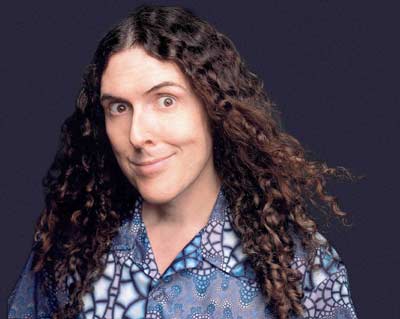
MTV Welcomes Weird Al Yankovic
According to Wikipedia, the discography of Mr. Yankovic consists of fourteen studio albums, nine compilation albums, eleven videos albums, two extended plays, two box sets, forty-six singles and fifty-four music videos.
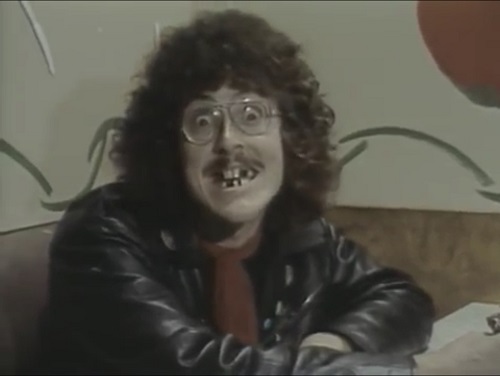
Those fifty-four music videos helped to take Weird Al Yankovic to the mainstream world. Let’s face it, the only place you could hear him on the radio was on the Dr. Demento Show, which was often aired in the worst possible time slot because of the crazy content. When Al ventured into the video realm, more and more viewers wanted to see – and hear – more of him!
Parody songs have been around forever, and very rarely ever got radio play. Novelty records were big in the 50’s and 60’s, and there were a few here and there in the 70’s. When Al comes on the scene in 1983, he took it to a whole new level, using videos.
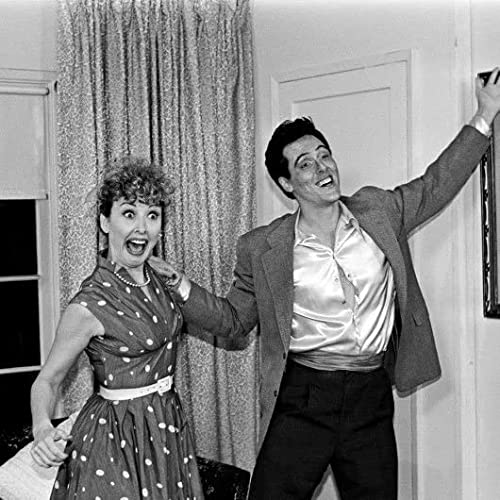
1983’s “Ricky” is credited as being his first video. It was a parody of Toni Basil’s “Micky.” It was a parody base on the TV show I Love Lucy. The video was shot in black and white and still looks great today.
From there, Al continued to use video to gain exposure on MTV. His next single was “I Love Rocky Road” which parodies Joan Jett’s “I Love Rock and Roll.” Instead of a greaser bar, it is set in … an ice cream parlor.
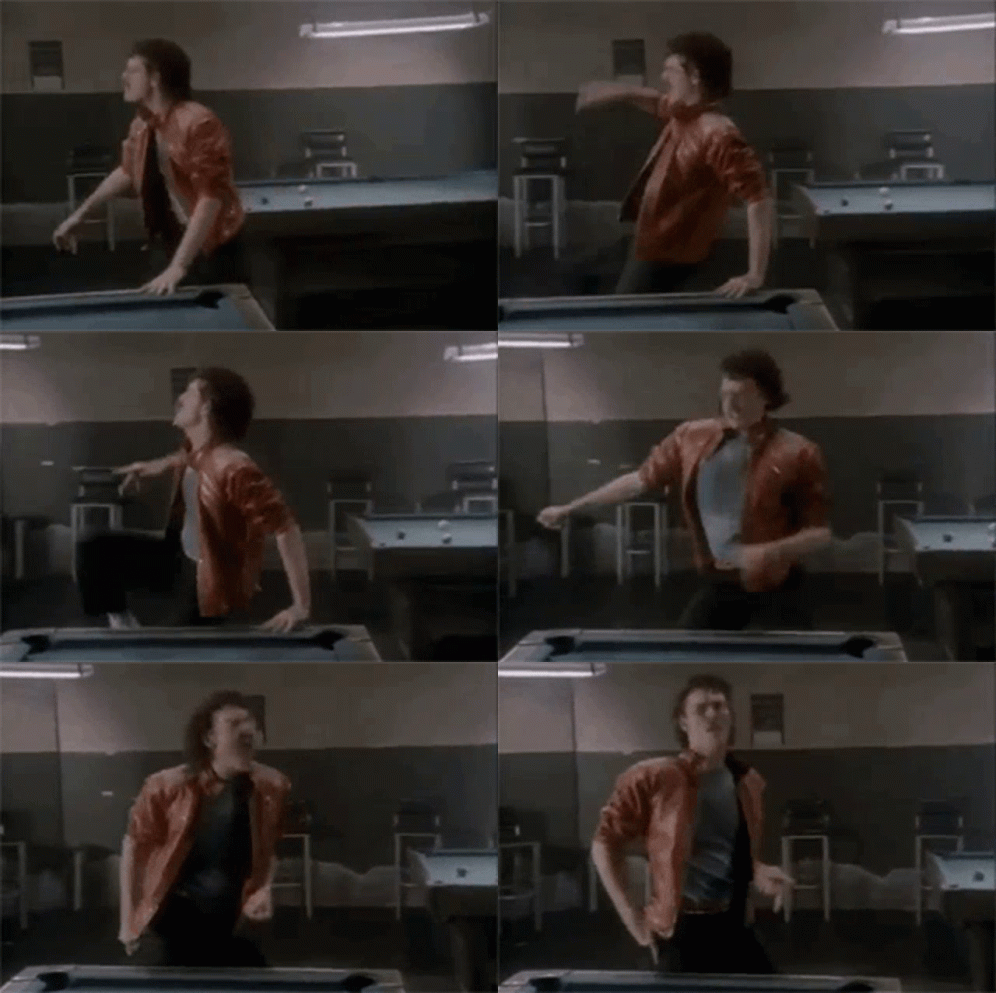
Al’s next video is really the one that really stands out as the one that moved him to a whole new level. Yes, he is a parody singer, but with the video for “Eat It” (a parody of Michael Jackson’s Beat It), not only is the song parodied, but so is the video. Al’s video is literally a shot for shot remake of Jackson’s. Throughout the video, instead of switchblades there are rubber chickens and kitchen utensils, and gags for almost everything in the Beat It video.
I can’t say whether or not the video is responsible for this, but the song won Al a Grammy Award for Best Comedy Recording in 1984. The video won for Best Male Performance at the 1984 American Video Awards!
From that point on, Al continued to make music videos for his singles. Art Fleming appeared in the “I Lost on Jeopardy” video, non-stop visual gags were plentiful in the “Like a Surgeon” video, and the James Brown “screams and shrieks” in “Living With a Hernia” were all more painful than soulful.
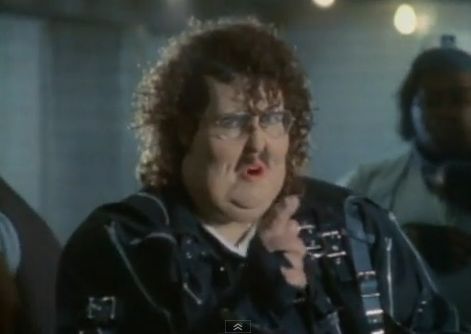
In 1988, Al once again parodied Michael Jackson. If I had to pick a “perfect” Weird Al parody video, it this would be one of two. Al won another Grammy Award for Best Concept Music Video for “Fat.” He even got permission from MJ to use the same set as the original video. Al’s makeup took three hours to apply every day and his fat suit weighed 40 pounds. Every time I hear the line, “Ding Dong, Yo!” I still crack up.
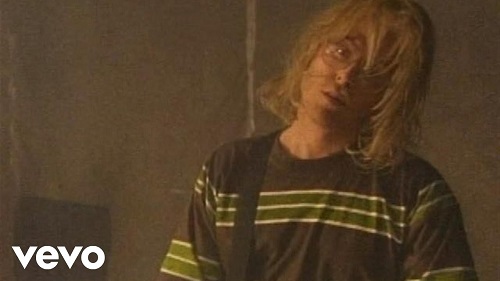
I mentioned that “Fat” is one of two “perfect” videos. The other would have to be the fantastic video for “Smells Like Nirvana” (a parody of Smells Like Teen Spirit). Al famously got permission for this parody from Kurt Cobain himself when he was performing on Saturday Night Live. In this Grammy-nominated video, Al satirizes Nirvana and the grunge movement, shooting on the same set as the original video and using the same actor who played the janitor (Rudy Larosa). Dick Van Patten has a cameo, which for whatever reason is extremely funny to me. Why Dick Van Patten??!! Someone said that Tony Hawk makes an appearance in the video, too. I’m not sure I know where.
Weird Al has certainly used music videos to his advantage. It takes a lot of creativity to write a good parody (I mean, come on, there are a lot of crap ones out there – just look on YouTube), but to take an already funny song and create a video that brings about even more humor, just enhances the song. I’ve said it before, and I will say it again, Weird Al is a musical genius.
There have been many other great videos that have followed. To name a few: Amish Paradise (featuring Florence Henderson), Headline News (featuring The People’s Court’s Doug Llewelyn), Gump (featuring Ruth Buzzi and Pat Boone), The Saga Begins (the fantastic Star Wars tribute), White and Nerdy (featuring Donny Osmond and Seth Green), and so many more.
Yes, video may have killed the radio star, but it certainly helped boost the career of Weird Al Yankovic.
May 1977. The month I turned 7 years old, two movies were released that would have major influences over my childhood, and adulthood. The movies were Star Wars and Smokey and the Bandit. I can recall exactly where I saw each movie, too.
I saw Star Wars at Hoover 11 when the movie theater was still in the complex. I don’t recall the exact date I saw it, but it was within a month of it’s release. Eventually, the theater closed and became a TJ Maxx. It was a one screen theater, and I remember the line was long. I remember waiting in line for what seemed like forever and it being a full house! I also remember not being able to sleep for a week, because Darth Vader scared the hell out of me.
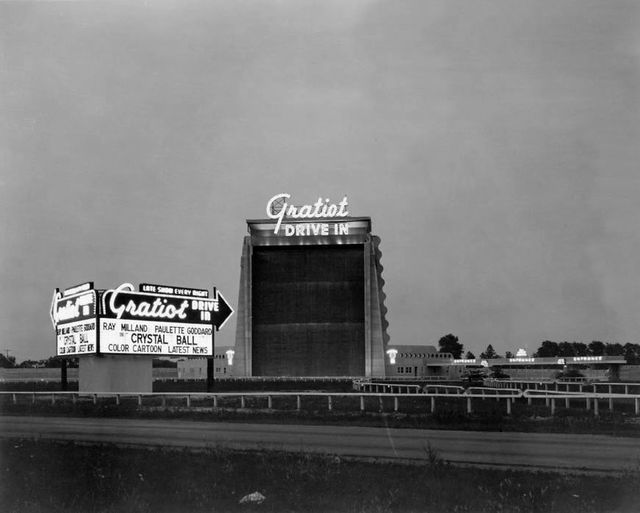
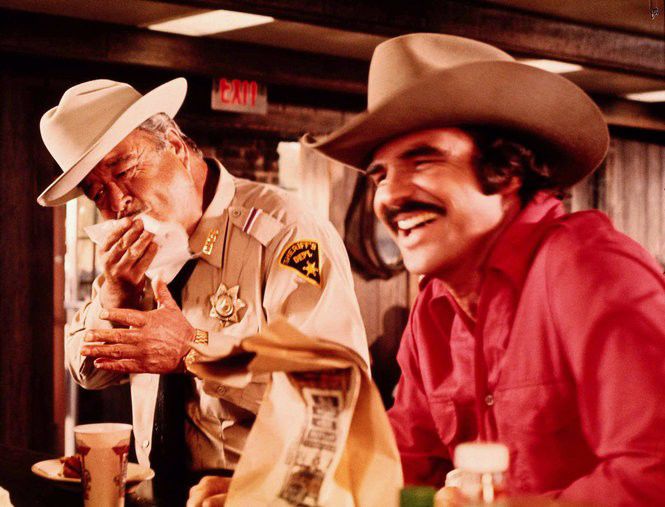
I do remember the exact date I saw Smokey and the Bandit. August 16, 1977 – 42 years ago today. I believe my folks had a station wagon at the time, and we drove to the Gratiot Drive-In in Roseville.
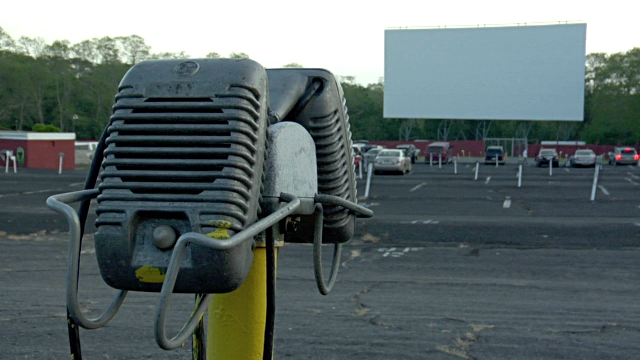
When you saw a movie at the Drive-In, you always got their early. You found a good spot where you could see the screen without obstruction. The spot also was ideally close to the bathrooms and concession stands. You had to pull up to the pole that held the speaker that you would hang from your window, so you could hear the audio of the movie.
The movie never started until it got dark, so I remember bringing a baseball and mitt to play catch, or we’d go to an old playground that was up near the screen.
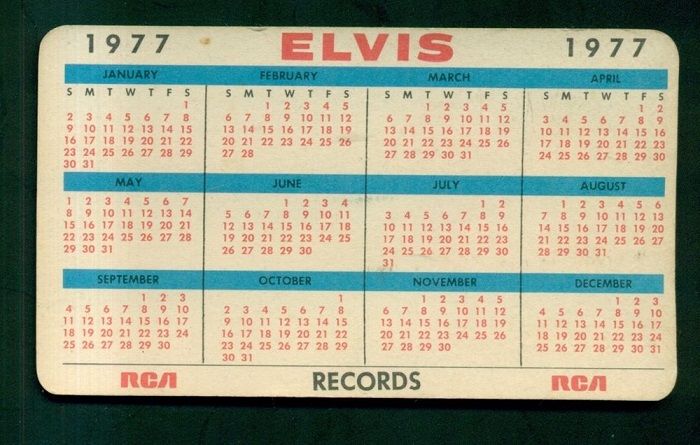
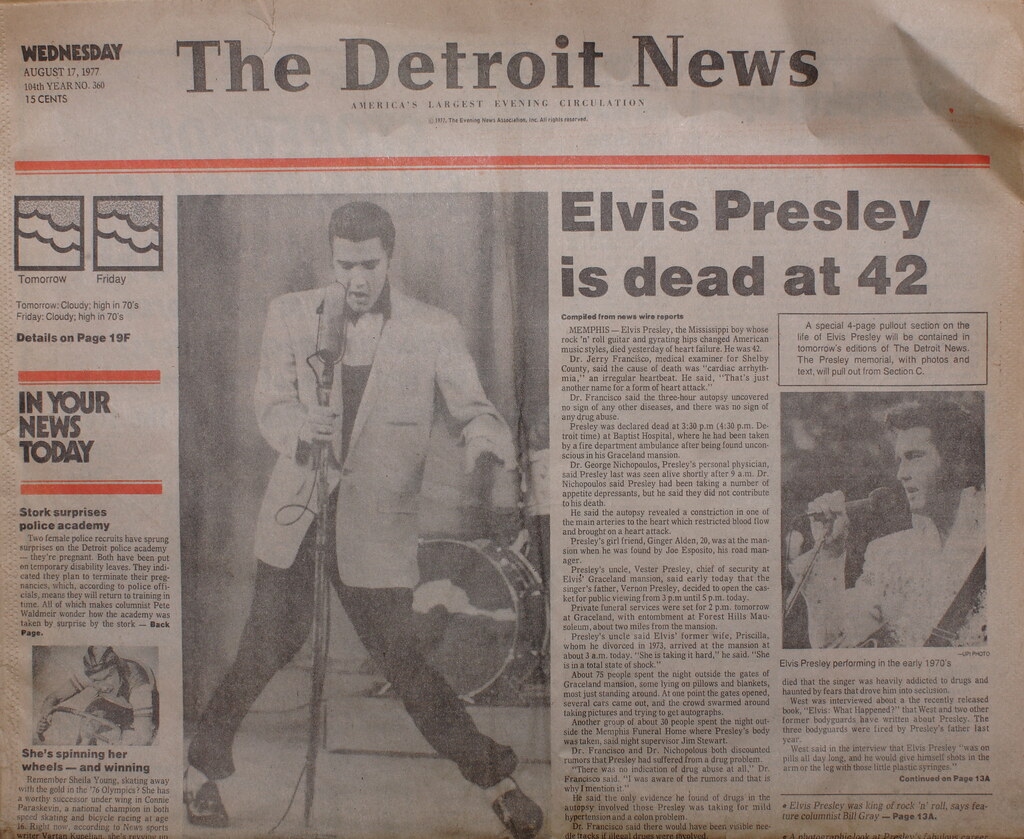
As the sun began to go down, we’d go back to the car and dad would usually turn on the radio. We had an AM radio in the car, and Dad turned on Honey Radio (where I would years later have the honor of working). I remember the DJ (I don’t recall who it was) coming on and saying that Elvis had died in Memphis. He was only 42. They played Elvis music for the remainder of the time we listened.
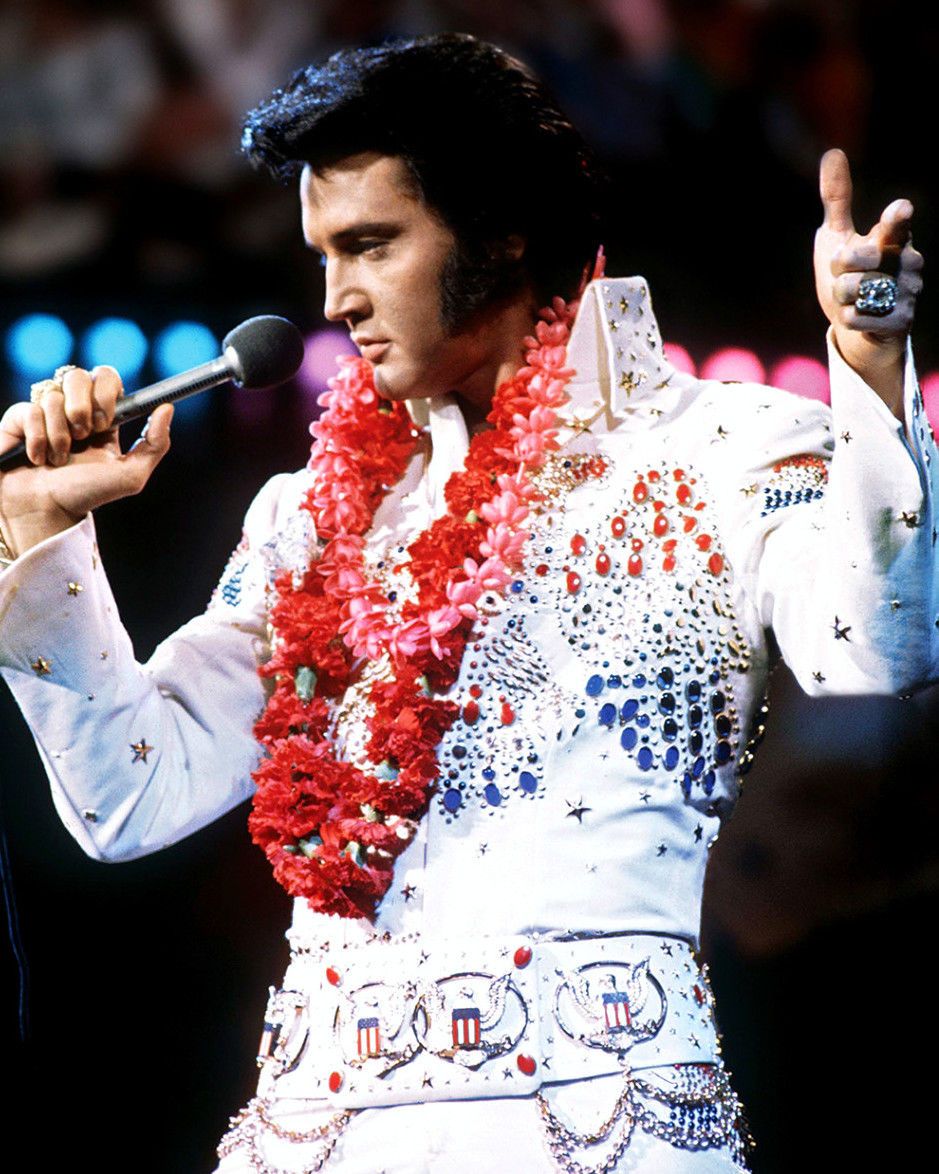
I remember the news sort of putting a damper on the night. My dad was a big Elvis fan. I remember him watching the Aloha From Hawaii concert in the living room. I remember the many albums he had (including the Moody Blue album on blue vinyl). And I remember how he recorded the song Way Down on 8 tracks that we listened to on the drive to Caseville. Dad would often put Elvis songs on the stereo and play his guitar along with them.
I’m glad that we were at the movies to see a comedy. I recall my dad being visibly upset by the news. I don’t know that I had ever seen him that way before. Once the movie started, I knew he was ok. I recall the hearty laughter from him as Jackie Gleason shouted out profanity into the CB microphone. Those scenes continue to make dad and me laugh out loud today – no matter how many times we’ve seen them!
I remember in the days before VCR’s. I used to record movies on cassettes so I could hear my favorite scenes. I had no idea that in the future you’d be able to go out and buy your favorite movies on DVD and Blu-Ray. Smokey and the Bandit was on cable one night at like 12:30am. It was the last time that month that it was airing. To me, it could have been the last time it ever aired! I asked my dad to record it for me on cassette. When I listened back to it, I could hear dad laughing at all of the Jackie Gleason scenes. I was probably mad about it at the time, but looking back, I know I’d have done the same thing!
In everyone’s life, there are events that become etched forever in your mind. For some, it was when they heard Buddy Holly died. For others, it was when JFK or Martin Luther King Jr. was shot. Those become memories that when you look back on them, you remember exactly where you were, who you were with, and what you were doing. I have a few of those memories – President Reagan being shot, the Challenger explosion, and, of course, 9/11. The first one that is forever etched in my mind, though, happened 42 years ago today.







 Various Ramblings of a Nostalgic Italian