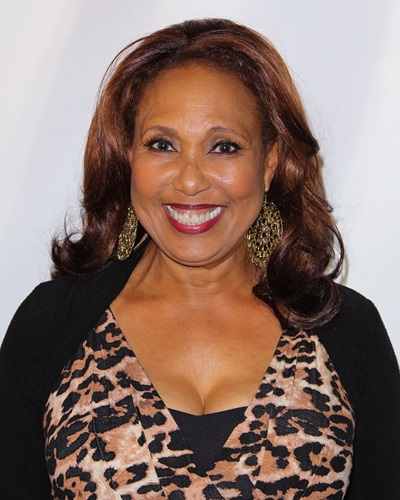
Happy 77th Birthday to actress and singer Telma Hopkins!
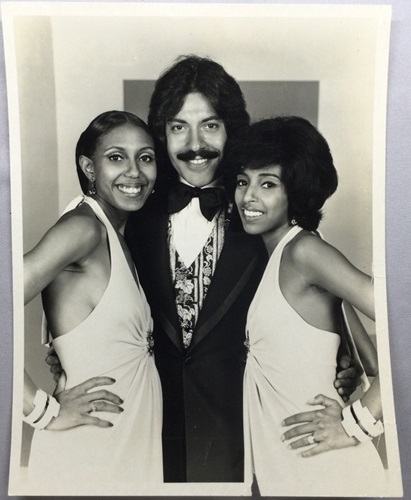
As an actress, Telma is known for appearing on Bosom Buddies, Gimme a Break!, Family Matters and the short lived Getting By. She first gained notoriety as a member of Tony Orlando and Dawn and starred on the CBS variety show of the same name from 1974-1976.
She started her career as a background singer in Detroit. She appeared on Freda Payne’s “Band of Gold” and on Isaac Hayes’ “Theme From Shaft” and worked with artists like The Four Tops and Marvin Gaye. She and Joyce Vincent Wilson were picked to join Tony Orlando as “Dawn.”
The group had chart success and number one songs with “Candida,” “Knock Three Times,” and “Tie a Yellow Ribbon ‘Round the Ole Oak Tree.” This won Favorite Pop/Rock Single at the first annual American Music Awards in 1974. The song also got two Grammy nominations: Song of the Year and Best Pop Group Performance. When the trio performed the song at the ceremony in March 1974, they got the attention of Fred Silverman at CBS, who gave them a summer variety series called Tony Orlando and Dawn, which began airing in July. They stayed on the air for three seasons, during which time the group charted more hits.
It was on this day in 1951 that the Amos ‘n Andy Show premiered on CBS television. The show had been a huge success on radio for many years prior to this. The difference between the two? The radio program had the characters played by white actors.
The show was created by Freeman Gosden and Charles Correll and almost all of the characters on the radio show were played by them. The show was so popular that many stores and businesses closed down for the time Amos ‘n Andy were on the radio.
Hoping to bring the show to television as early as 1946, Gosden and Correll searched for cast members for four years before filming began. CBS hired the duo as producers of the new television show. According to a 1950 newspaper story, Gosden and Correll had initial aspirations to voice the characters Amos, Andy and Kingfish for television while the actors hired for these roles performed and apparently were to lip-sync the story lines.
A year later, both spoke about how they realized they were visually unsuited to play the television roles, citing difficulties with making one of the Amos and Andy films.
Correll and Gosden did record the lines of the main male characters to serve as a guideline for the television show dialogue at one point. In 1951, the men targeted 1953 for their retirement from broadcasting; there was speculation that their radio roles might be turned over to black actors at that time.
Adapted to television, The Amos ‘n Andy Show was produced from June 1951 to April 1953, and was primarily sponsored by the Blatz Brewing Company. 78 half hour episodes were eventually produced. The television series used black actors in the main roles, although the actors were instructed to keep their voices and speech patterns close to those of Gosden and Correll. It was produced at the Hal Roach Studio for CBS. The program debuted on June 28, 1951
The main roles in the television series were played by the following black actors:
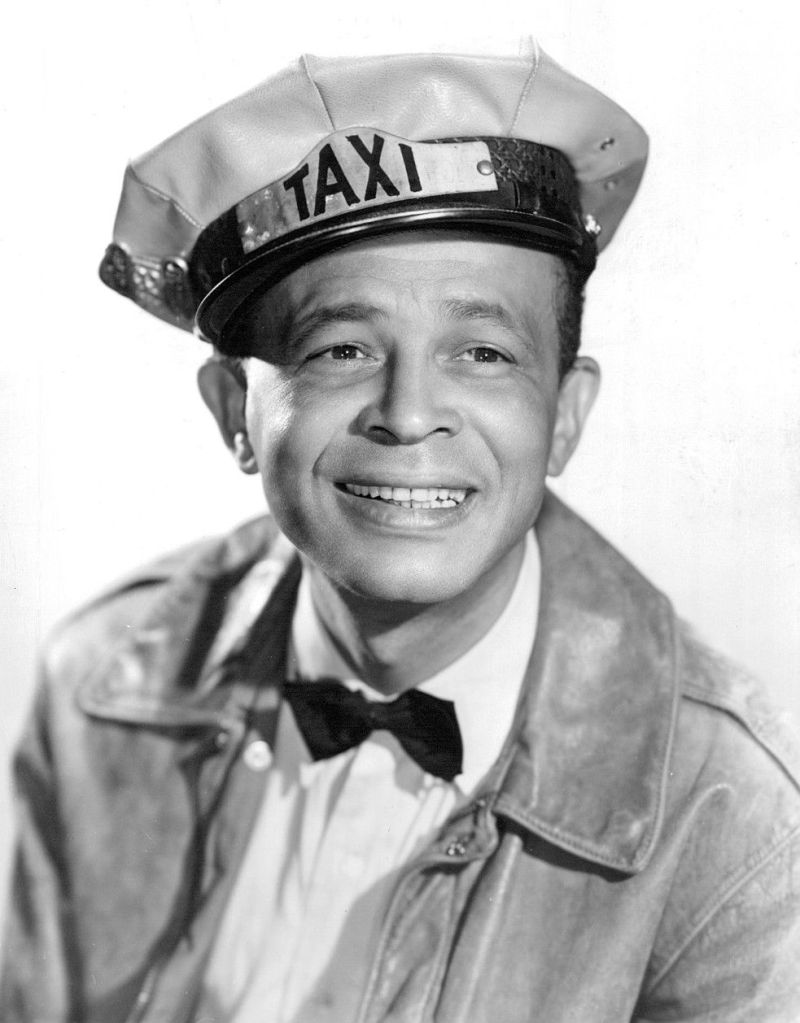
Amos Jones – Alvin Childress
Andrew Hogg Brown (Andy) – Spencer Williams
George “Kingfish” Stevens – Tim Moore
Sapphire Stevens – Ernestine Williams
Ramona Smith (Sapphire’s Mama) – Amanda Randolph
Algonquin J. Calhoun – Johnny Lew
Lightnin’ – Nick Stewart (billed as “Nick O’Demus”)
Ruby Jones – Jane Adams
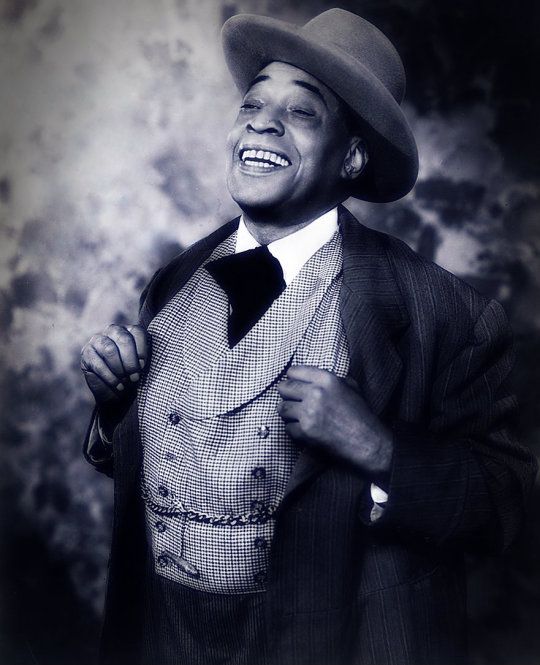
Tim Moore
Vaudeville veteran Tim Moore as Kingfish became the undisputed star of the television version, and one of the first Black actors to achieve TV stardom. Amos, the hard-working family man, was mostly relegated to providing brief commentaries to the audience and occasionally intervening to rescue his friends from some mess of their own making. Many of the plots involved Kingfish trying to rope the naive Andy into a money-making scheme; this sometimes led to a twist ending that gave Andy the better of things. Another frequent scenario was Kingfish trying to hide some scheme or misdeed from the watchful eye of his wife Sapphire. Bachelor Andy’s roving eye for the ladies was also a source of plotlines.
The NAACP mounted a formal protest almost as soon as the television version began, describing the show as “a gross libel of the Negro and distortion of the truth”. In 1951 it released a bulletin on “Why the Amos ‘n’ Andy TV Show Should Be Taken Off the Air.” It stated that the show “tends to strengthen the conclusion among uninformed and prejudiced people that Negroes are inferior, lazy, dumb, and dishonest, … Every character” is “either a clown or a crook”; “Negro doctors are shown as quacks and thieves”; “Negro lawyers are shown as slippery cowards”; “Negro women are shown as cackling, screaming shrews”; “All Negroes are shown as dodging work of any kind”; and “Millions of white Americans see this Amos ‘n’ Andy picture of Negroes and think the entire race is the same.”
Alvin Childress
In the documentary Amos ‘n’ Andy: Anatomy of a Controversy (1983), Alvin Childress (Amos) said that he never felt that the show was that negative of a portrayal of blacks since it was the only television show at the time that showed black people as businessmen, policemen, judges and doctors rather than maids or janitors.
That pressure was considered a primary factor in the show’s cancellation, even though it finished at #13 in the 1951–1952 Nielsen ratings and at #25 in 1952–1953. Blatz was targeted as well, finally discontinuing its advertising support in June 1953. It has been suggested that CBS erred in premiering the show at the same time as the 1951 NAACP national convention, perhaps increasing the objections to it.
The show was widely repeated in syndicated reruns until 1966 when, in an unprecedented action for network television at that time, CBS finally gave in to pressure from the NAACP and the growing civil rights movement and withdrew the program. The series would not be seen on American television regularly for 46 more years. The television show has been available in bootleg VHS and DVD sets, which generally include up to 71 of the 78 known TV episodes.
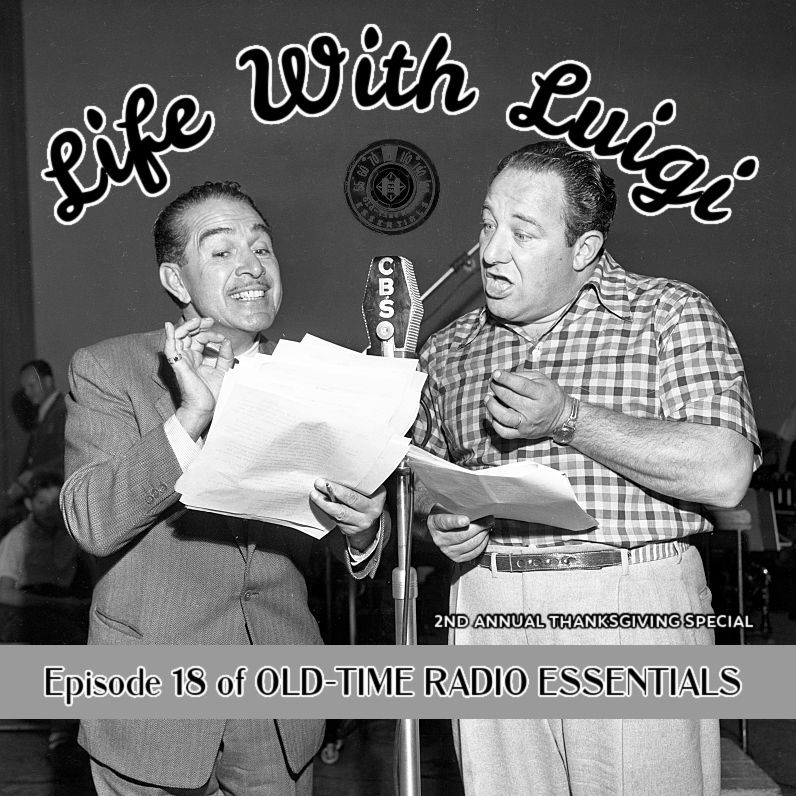
A very similar thing happened with the show Life With Luigi, which featured Alan Reed (voice of Fred Flintstone). It was about Italian immigrants. It was also adapted from the radio show and first aired in 1952.
Life With Luigi
Although it enjoyed high ratings, the show was pulled because of pressure from the Italian-American community. CBS tried to respond to advertisers’ concerns by tinkering with the characters, the writing, and replacing the actors with Italian actors, but the revised show was unsuccessful and was cancelled within weeks.
In 1983, a one-hour documentary film titled Amos ‘n’ Andy: Anatomy of a Controversy aired in television syndication (and in later years, on PBS and on the Internet). It told a brief history of the franchise from its radio days to the CBS series, and featured interviews with surviving cast members as well as popular black television stars such as Redd Foxx and Marla Gibbs who reflected on the show’s impact on their careers. Foxx and Gibbs emphasized the importance of the show featuring black actors in lead roles and expressed disagreement with the NAACP’s objections that had contributed to the program’s downfall. The film also contained highlights of a select episode of the classic TV series (“Kingfish Buys a Lot”) that had not been seen since it was pulled from the air in 1966.
Growing up, I was very familiar with the radio show. It aired often on the When Radio Was show that featured classic shows from the Golden Age of Radio. It was very clear why it was the most popular show on the air. It was well written and funny!
I first saw the television show when my dad got a copy of the show on VHS from the library. It was just as funny or funnier, because the actors were so good. Their facial expressions only enhanced the comedy.
In an episode entitled Leroy’s Suits, the Kingfish is trying to get Calhoun, the lawyer, to buy one of the suits. He tries it on, the jacket is extremely big on him. When Calhoun mentions this, the Kingfish says it looks amazing on him. To prove his point he has him look in a mirror. Kingfish grabs the back of the coat and pulls it so the jacket looks like it fits perfectly. I remember laughing so hard at that.
Almost every comedy show where the plot involves a scheme to make money or a misunderstanding leads to comedy gold can find their sources in Amos ‘n Andy. It was a classic that was enjoyed by millions. It paved the way for comedy, for actors, and holds a very special place in TV (and radio) history.
I’m a firm believer in using your imagination. In today’s society, we can plop down in front of the TV and watch shows and not really have to think about what’s going on. Everything is right there on the screen. However, back in the days before television, there was radio.
Radio was a medium that brought the listener’s imagination to life! You and I could listen to the same show, but each see our own version because we’d picture things differently. There is a reason that so many folks used the phrase “theater of the mind” when talking about old time radio.
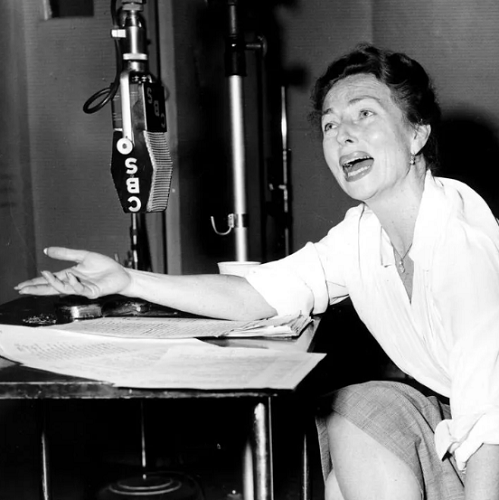
One of the best radio dramas was a show simply called Suspense. If I had to describe it, I’d say it was the radio version of the Twilight Zone. I say that because there was often a twist at the end of each show. If you really want to hear REAL acting, Suspense featured it every week! Actors and actresses only had the use of their voice to display the wide range of human emotions – and they did it flawlessly!
Suspense was a half-hour drama series that aired on the CBS radio network from 1940 to 1962 (for the first half of 1948, episodes lasted for 60 minutes). That multi-year run made it one of network radio’s longer lasting dramatic series with nearly 950 episodes produced.
At its height, the radio series featured a cross-section of well known Hollywood actors and actresses (it was aired from Los Angeles from 1943 through into the 1950s) who were attracted by the quality of the scripts and show’s production values. For years, the host was simply “The Man in Black” who would almost whisper the opening line “. . . And now, another tale well-calculated to keep you in . . . Suspense.”
82 years ago today, Suspense aired one of its classic episodes. It is an episode that will often come up when anyone speaks of the Golden Age of Radio. It starred a young Agnes Moorehead (who would go on to play Endora on TV’s Bewitched). I am talking about the classic “Sorry, Wrong Number.
“Sorry, Wrong Number,” a classic suspense radio drama, explores the chilling scenario of a woman accidentally eavesdropping on a murder plot. The episode, broadcast on May 25, 1943, tells the story of Mrs. Stevenson, a woman who listens to a phone call between two men planning a murder. She realizes the crime is set to happen that night, and she desperately tries to alert authorities. Sadly she finds her efforts blocked by indifference and bureaucracy, leading to a terrifying climax where she realizes she might be the intended victim.
In an essay by Christopher H. Sterling, he says,
In a modern era of digital cellphones, the impact of this period program is sometimes difficult to understand. But when it was originally broadcast in the midst of World War II, in an analog era of operator-assisted telephone calls and shared “party” lines, radio listeners could readily identify with the situations they heard.
Sorry, Wrong Number was initially broadcast live twice on May 25, 1943 (once for East Coast listeners–with a minor flub in one line—and then repeated for the West Coast). It was rebroadcast other eight times (on August 21, 1943; February 24, 1944; September 6, 1945; November 18, 1948; September 15, 1952; October 20, 1957; and February 14, 1960).
In 1948, the play was made into a movie starring Barbara Stanwyck and Burt Lancaster. The film is excellent, but nothing compares to the amazing performance of Agnes Moorehead on the radio version.
Do yourself a favor, pull up a chair and give it a listen. Let your imagination go wild! Listen to what she is able to convey simply with her voice. Let’s go back 82 years and enjoy a masterpiece!
For my next pick in the Hanspostcard TV Show Draft, I chose a show that is one of my all time favorites. I don’t remember when I first was introduced to this show, but I am guessing my dad had something to do with it. Early on in the draft, I chose Police Squad, which only aired 6 episodes. This show is known for its “Classic 39” – The Honeymooners.
This isn’t my first blog about the show. Some time ago, I took part in a “Favorite TV Episode” Blogathon and picked 2 of my favorite episodes to present. You can read that blog here:
When you examine 50’s TV shows, there was very little struggle involved. Think about it. I Love Lucy, The Adventures of Ozzie and Harriet, The Andy Griffith Show, and Leave it to Beaver all showed families who were living in nice homes or apartments, showed no signs of financial struggles, and while there may be a misunderstanding here and there, it was mostly “bliss.” In 1955-1956, however, The Honeymooners focused on two couples from New York, who were struggling to get by.
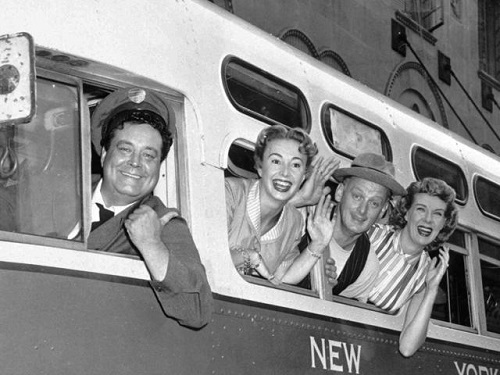
The show focused on the lives of Ralph (Jackie Gleason) and Alice Kramden (Audrey Meadows), and Ed (Art Carney) and Trixie Norton (Joyce Randolph). One article I found on the show says this about Gleason’s Kramden character: Ralph was the get-rich-quick scheming, short-tempered, soft-hearted guy who was always striving for greatness, but never made it out of that two-room Brooklyn apartment. And that’s one of the main attractions for even the most casual of viewers: the characters are so identifiable. As Jackie himself said at the time, “Everything we did could have happened. People like the show, because we are them.”
The show began as a simple sketch on the DuMont Television Network, on the Cavalcade of Stars. The original hosts were Jack Carter and Jerry Lester, but in July of 1950 comedian Jackie Gleason took over the hosting duties. In the process, Gleason took the struggling show and turned it around to be a hit. The show, which featured comedy skits and a number of different performers each week, was broadcast live in front of a theater audience. In 1951, Jackie and his writers came up with the idea for a sketch called The Honeymooners. It was about a struggling couple living in Brooklyn who frequently fought, but in the end, there was no question that they loved each other.
Leonard Stern was a writer on both The Honeymooners and The Jackie Gleason Show. In an interview with the Archive of American Television he stated, “We started doing one sketch of The Honeymooners every five or six weeks and the response of people on the street was tremendous. So we started doing them every other week. Eventually, though, everyone, including Jackie, lost interest in the other characters in the different sketches, so we started to do them every week until the fatigue level hit its high and we’d have to take a break. I think Gleason had fun doing them, because he recognized the impact Kramden and Alice and Norton and Trixie were having on the audience. I’m not a great fan of ratings, but let me say that 53% of the total television audience was watching the show. There’s nothing like that in existence today. It was astonishing and the show itself was live. Remember, the audience of 3,000 people filled that theater. You earned your laughs. It was a resounding success and very exhilarating for all of us. It was opening night every week.”
When Gleason left the Dupont Network and went to CBS, he hosted the Jackie Gleason Show, where the Honeymooners sketches continued. In the 1952 season, the sketches usually ran between seven and 13 minutes. In the following season, and those sketches ran for a minimum of 30 minutes, and sometimes longer. Then, in the 1954-55 season, they actually filled the entire hour of The Jackie Gleason Show, and was doing so well in the ratings that it occasionally surpassed the viewership of I Love Lucy. That is almost unheard of!
In the 1955-56 season, The Jackie Gleason Show literally became The Honeymooners! It aired as a half-hour sitcom that was filmed in front of a studio audience. In total, 39 episodes were produced, and these episodes are the ones that are still being broadcast today. These 39 episodes are the ones that most people remember.
I read an article that said Jackie Gleason had actually been given a three-year contract from CBS for 78 episodes of The Honeymooners to be produced in the first two seasons. The contract also included an option for a third season of 39 more. For whatever it is worth, Gleason felt the quality of the scriptwriting couldn’t be maintained, and the show was mutually canceled by him and CBS.
A Closer Weekly article says: What’s particularly impressive about The Honeymooners living on the way it has is the fact that back in the day, there needed to be a minimum of 100 episodes of a show available so that local stations could run it five days a week. Any less made syndication difficult, since the cycle would be repeated that much sooner. But then there was The Honeymooners, with a mere 39 episodes to offer up, yet it worked. And continues to do so.
In a 1996 appearance on The Tonight Show with Johnny Carson, Jackie was asked why the show ended. He told Carson, “We were running out of ideas. I liked The Honeymooners and I liked doing them, and I didn’t want to denigrate them by forcing scenes that didn’t mean anything. So I wanted to quit, but they didn’t believe me. They thought I had another job someplace, but I didn’t. I’m glad I did stop them, because what we had done was good and if we had gone any further, we might have spoiled it.”
Those “Classic 39” are classic for a reason. They are still funny. The situations that The Kramdens and the Nortons muddle through every week will make you laugh, cry, think, and smile. They still hold up today. Each one of them has memorable scenes and quotable lines.
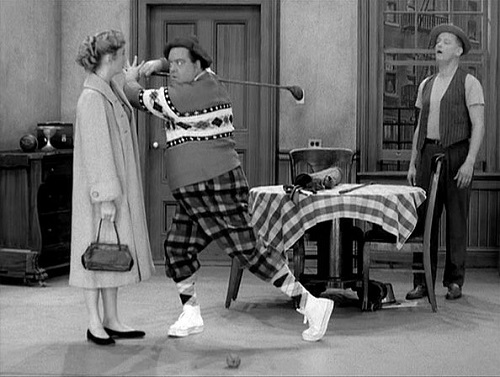
In one episode Ralph tells his boss he is a great golfer and is immediately asked to go play a round with him. Now Ralph needs to learn how to play – and fast. He finds the perfect teacher in his best friend Ed Norton. In pure Art Carney fashion, Ed reads from a book that you must “address the ball,” to which he takes the club, stands in front of the ball, looks down and says, “Hello, Ball!”
An episode of the show was featured in the movie Back To The Future. When Marty McFly winds up in 1955, a family is watching the episode The Man From Space. Intending to win the $50 first prize at the Racoon Lodge’s costume ball, Ralph decides to create his own outfit. And what an outfit! After appropriating (among other things) a faucet, a pot, a radio tube and the icebox door, he presents himself as the Man from Space.
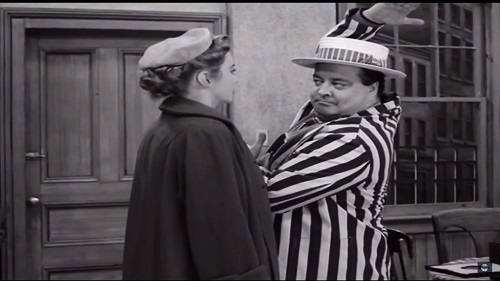
In another episode, Alice says she wants to go dancing. Ralph has Ed come over to teach him how to dance. Ralph’s outfit is hilarious (he tells Alice it is “what all us cats wear! I’m hip!”). The dance (to the song The Hucklebuck) is worth the watch.
To me, sometimes the funniest stuff can be as simple as Ralph’s face …
In another classic episode, Ralph and Norton appear on a TV commercial trying to sell their Handy Housewife Helper, a kitchen gadget that can, among other things, open cans, remove corns and “core a apple.” In the inspired, ad-lib-laden episode, “Chef of the Future” Ralph demonstrates the wonders of the gizmo to “Chef of the Past” Norton. Rehearsal goes great, but in front of live cameras, Ralph freezes up.
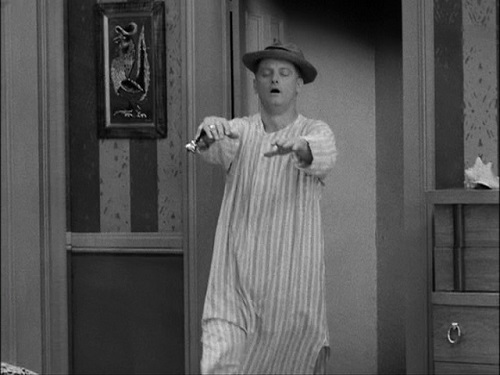
Art Carney was the perfect second banana. The play between him and Gleason is classic. In one episode Norton’s sleepwalking becomes a waking nightmare for Ralph. Ralph can’t get any sleep because he’s been asked to keep his pal from wandering off on late-night strolls around the neighborhood.
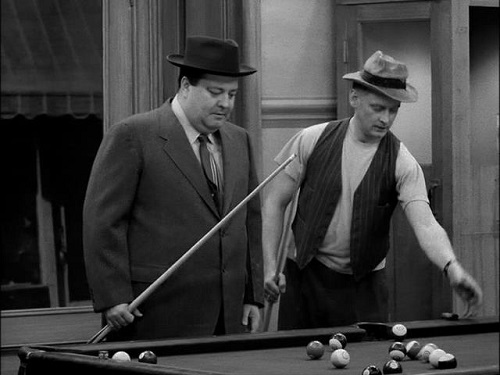
Another classic episode takes place at the pool hall where Ralph gets into an argument with the diminutive guy named George. “My friend is even bigger than me,” he tells Ralph. “I have a friend Shirley that’s bigger than you,” Ralph counters. But then he comes eye-to-chin with George’s friend, the towering Harvey, who challenges Ralph to a fight. This prompts Norton to observe: “He’s even bigger than your friend Shirley.”
Many of the plot lines from the classic episodes made it into the Joe Piscopo and Eddie Murphy novelty hit “The Honeymooners Rap.”
In the 1980’s, Jackie Gleason announced that in his vault he had found a number of Honeymooners skits from The Jackie Gleason Show that had been shot on Kinescope, which is a way of filming directly through a lens that actually focused on the screen of a video monitor. 107 of those skits were released on DVD and syndicated to television stations. These would have been shot before the “Classic 39” and two of them stand out to me.
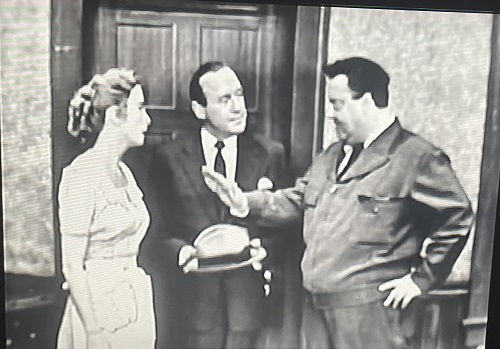
Jackie had been a guest star on the Jack Benny show, so Jack makes an appearance in one of those “lost” episodes as the Kramden’s landlord. The rent is being raised and Ralph is mad. When there is a knock on the door, Ralph opens it and Jack Benny is standing there. The audience chuckles in anticipation. Ralph calls to Alice that “the Landlord’s here” and the audience erupts. Benny stands there quietly as Ralph reads him the riot act! He calls him a “penny pincher” (which plays into Benny’s “cheap” character”) and says that he pinches a penny so hard that when he is through “both heads and tails are on the same side of the coin!”
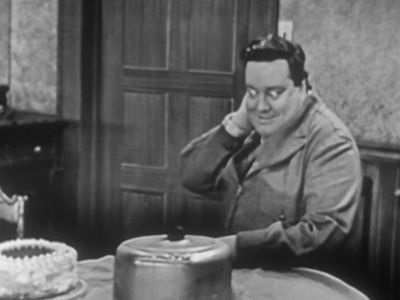
In another lost episode, Ralph must lose weight for work. All through the episode he is starving. Finally, he is left alone in the apartment and sitting at the kitchen table. He notices a cake pan. He lifts the lid and sees the cake. His eyes bulge and he goes nuts. As he is about to tear into the cake Alice walks in. “Everybody get back,” he yells! The brief 3 minutes of him staring at the cake before getting ready to eat it is comedy genius!
As brilliant as Jackie Gleason was as Ralph Kramden, he never won an Emmy Award for it. Art Carney, however, won 5 Emmy’s for Best Supporting Actor on The Honeymooners and the Jackie Gleason Show.
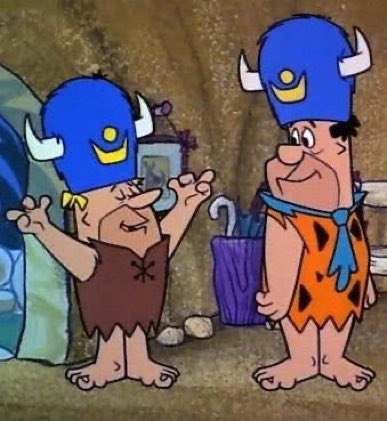
The Honeymooners influenced a huge 1960’s cartoon – The Flintstones. It is a blatant rip off of the show, and was a huge hit. It is said that Gleason considered suing Hanna-Barbera Productions because of the similarities, but decided that he did not want to be known as “the guy who yanked Fred Flintstone off the air”
Water Buffalo members and Racoon members
The Honeymooners is over 65 years years old! Joyce Randolph, who played Trixie Norton is 97 years old and still going strong. I wonder if Gleason ever thought that those 39 episodes would still find an audience today and that they would still bring much laughter.
If you have never seen an episode, I encourage you to do so. The two episodes I mentioned in a previous blog are good places to start – TV or Not TV or A Matter of Record. Most are available on Youtube.
It’s time for my next pick in the Hanspostcard TV Show Draft. My next pick is sort of a guilty pleasure. So many of the gags are ones you see coming a mile away, but they still crack me up. It is another one of those shows that was loaded with great guest stars and a solid cast. My next pick is Get Smart.
In the early 1960’s, America got their first look at James Bond and the secret agent/spy genre took off in full force. In 1965, Daniel Melnick, who was a partner in the production firm of Talent Associates in New York City, decided that it was time for a TV series that satirized James Bond. He approached Mel Brooks and Buck Henry to write a script about a “bungling James Bond-like hero.”
Mel said that Talent Associates had a pool table. He and Buck met at the pool table and while playing discussed the show. Mel says, “I knew we could do this thing together because we couldn’t stop babbling about things like the Shoe Phone and the Cone of Silence. These things just rolled out of our mouths.”
Henry said they created the script for the pilot in about three months around the pool table. “We decided on a secret agent named Smart – Maxwell Smart – and gave him, as his most sterling quality, a remarkable lack of insight. Nevertheless, since he was our hero, he would always win out despite his inspired inefficiency. We also gave him a number, which all operatives must have.” The number they chose was 86, which was chosen by Melnick and derived from the slang expression “to eighty-six someone.”
The show was pitched to ABC. The pitch was pretty much exactly what the show ended up being: Max would work for the Chief, the head of the Washington-based US intelligence agency Control. He would have a beautiful and brilliant young partner known only as Agent 99. Loaded up with gadgets, they would fight against the evil agents of Kaos, an international organization seeking world domination.
Originally, Mel Brooks considered playing Smart himself. Orson Bean was also considered. ABC decided that if it aired the show, Tom Poston (best known for his work on the Steve Allen Show and Newhart) would star as Agent 86. ABC liked the pilot, but wanted to change things up. They wanted Max to have a mother and a dog on the show. Brooks hated the idea of Max coming home to his mother at the end of every show and explaining everything to her. When they told ABC “no,” they passed on the show calling it “un-American.”
They took the script to NBC. NBC had already spent all the money allotted for making pilots. Grant Tinker was contacted about the show and was told that he “had to” read the pilot. “I read it and I just loved it. It was exactly the kind of thing that makes me laugh.” He called the head of programming at NBC and convinced him to come up with the money for one more pilot. They did so on one condition – Tom Poston, who was not under contract at NBC, would be replaced by Don Adams, who was.
The Cast
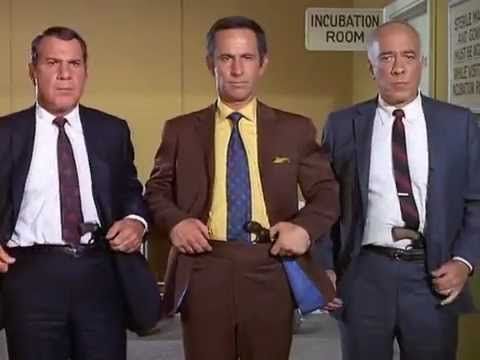
Maxwell Smart – Agent 86
You have to wonder how Max keeps his job! He is extremely clumsy and forgetful. He’s forever on the Chief’s last nerve, yet he always wins. He is a proficient marksman, skilled in hand to hand combat, and incredibly lucky. Believe it or not, he is one of the top Control agents!
Once Don Adam’s was brought in as Max, many of his routines from his stand up act were incorporated into the character. He had used his “Would you believe…” before, but it became a staple on Get Smart.
Smart: At this very moment, 25 Control agents are converging on this building.
Kaos Agent: I don’t believe it.
Smart: Would you believe 2 squad cars and a motorcycle cop?
Kaos Agent: No
Smart: How about a vicious street cleaner and a toothless police dog?
Agent 99
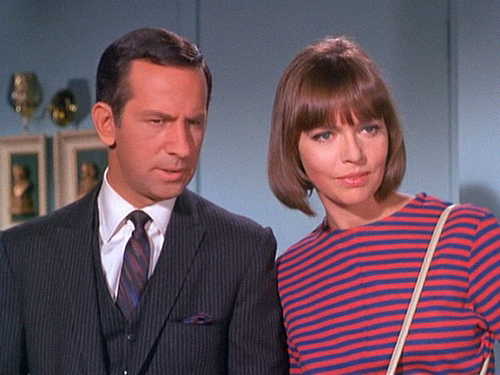
Played by Barbara Feldon, whom Buck Henry says he fought for from the beginning. Despite some sources, the creators of the show and Feldon herself say that 99’s real name is never mentioned. Originally, they wanted her to be Agent 69, but Henry says, “We knew it would never get past the censors. So 99 was our little joke.”
99 is another of Control’s top agents and often works together with Max. One had to wonder what an intelligent and sensible woman like 99 sees in a goofball like Maxwell Smart!
The Chief
For the Chief, Mel Brooks and Buck Henry wanted someone who would “personify authority and grave intensity all while delivering ludicrous information with a stern voice and fatherly demeanor.” They had seen Ed Platt in North by Northwest and Rebel Without a Cause and knew he was their Chief.
He is the head of Control. He oversees all of Control’s activities and missions. He frequently speaks to the President over a direct line. He considers 86 and 99 to be Control’s best agents and his best friends, even though Max seems to be a continuous thorn in his side.
Chief: All we know is that they threaten to wipe out the city containing our finest intellectual minds and greatest leaders!
Max: Well, at least Washington is safe.
Larabee
Larabee (played by Robert Karvelas) is the Chief’s right hand man and assistant. In all honesty, he is even more slow-witted and incompetent than Max! Don Adams said that they used Larabee for the jokes that were “too dumb for Max.” Despite his stupidity, his unwavering dedication and extremely simple mind make him an indispensable government employee.
Hymie The Robot
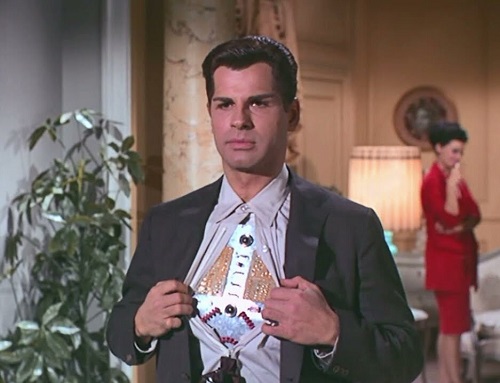
Hymie (played by Dick Gautier) was a robot originally designed by Kaos to battle against Control. However, in his first appearance on the show, Max mistakes him for a rookie Control agent and takes him under his wing. When Hymie is ordered to kill Max, Hymie shoots his creator instead. Max then reprograms him to work for Control.
Hymie often takes things literally. When told to get a grip on himself, he grabs himself. Many jokes of this type were Hymie oriented (“Kill the lights,” “Grab a waiter,” “Hop to it,” “Knock it off,” and so on.
Agent 13
Agent 13 (David Ketchum) is forever spying from odd places. You will find him in washing machines, in mailboxes, file cabinets, lockers, fire hydrants, and other small places. He is loyal to Control, but often complains about his assignments. Though he complains, he always gets the job done intercepting messages, overhearing plans, and often coming to Max’s rescue.
From 1965-1966, Agent 44 was played by Victor French and was also confined to small spaces like Agent 13.
Professor Carlson
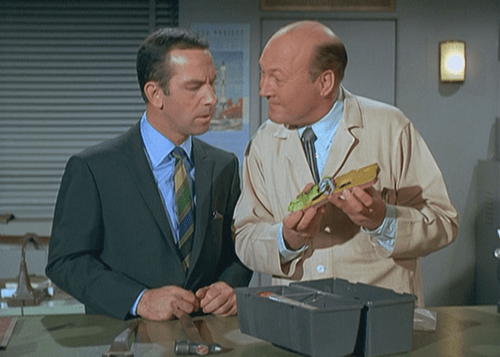
Carlson (Stacy Keach Sr.) is a Control scientist and inventor. He often presents Max with gadgets that will be used on his assignment. Carlson succeeded Professor Parker who was played by Milton Selzer.
KAOS
Maxwell Smart calls Kaos “a monstrous organization of evil dedicated to the destruction of the free world and the systematic subjugation of every man, woman, and child on this planet. Kaos Agent Omar Shurok describes it as “the international organization of evil formed in 1904 in Bucharest , designed to foment unrest and revolution throughout the world.”
Ludwig Von Seigfried
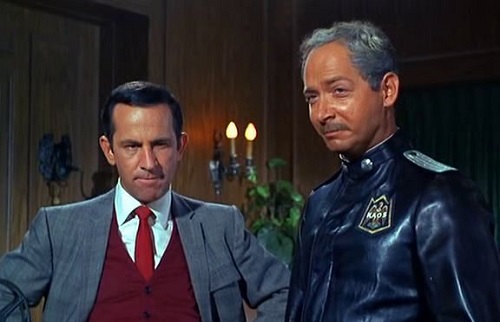
Seigfried (played wonderfully by Bernie Kopell) is described as “the merciless, fiercely conceited, preeminent Kaos kingpin” who “considers himself vastly superior to his underlings and his adversaries.” He is also described as “undeniably sinister, shrewd, underhanded, conniving, contemptuous, haughty, scornful, and explosive. He considers all Kaos agents thick-witted, nitwits, fools, incompetents, bunglers, dummkopfs, dunderheads, and sissies, and he is easily angered by the slightest display of incompetence or silliness.”
Seigfried (on the phone with Max): Your Chief was just silenced by a pistol butt.
Max: That’s a little drastic, wasn’t it, Seigfried? Couldn’t you have just shushed him?
Seigfried: We don’t SHUSH here!
Shtarker (or Starker)
(King Moody) He is Seigfried’s ruthless, but often inept henchman. Shtarker is the Yiddish word for a “strong-arm man” or a “tough guy.” He certainly is a towering bodyguard, but he is nothing more than a goofball.
Gadgets
Throughout the show there are many gadgets. No doubt, many of these were inspired by the James Bond series. There are too many to list here, but there are a couple that have become synonymous with the show.
Shoe Phone
Mel Brooks is credited with coming up with the idea for the Shoe Phone. It came to him one day when every phone in his office started ringing and he took his shoe off and began speaking into it.
In 2002, the prop shoe phone was placed on display in an exhibit called “Spies: Secrets from the CIA, KGB, and Hollywood” which featured real and fake spy gear in the Ronald Reagan Presidential Library.
Cone of Silence
Buck Henry claims to have come up with this recurring gag.
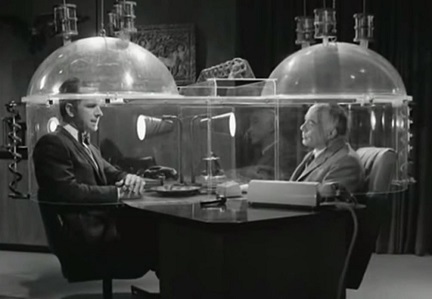
Whenever something needed to be discussed that was sensitive, Max would insist on Control’s protocol of using the Cone of Silence. It was designed to keep whatever was discussed audible to whoever was in it. However, it almost never worked. Many times the people under it could not hear each other, or couldn’t understand what the other was saying. Sometimes they had to yell so loud that the people outside the Cone of Silence could hear better than the ones under it.
Catchphrases
Get Smart contributed many catchphrases that were popular among viewers. “Would you believe…” which I already mentioned was just one of them. Others were:
“Missed it by that much.”
“Sorry about that Chief”
“I asked you not to tell me that”
“….and LOVING it!”
“Of course, the (such and such). Just one question. What’s the (such and such)?
“The old (such and such) trick”
Passwords
Sometimes a password was needed to enter Control buildings. Other times a sign and counter sign was needed.
Passwords include:
Ricardo Montalban hates tortillas
Herb Alpert takes trumpet lessons from Guy Lombardo
Signs/Countersigns include:
Sign: Camptown ladies sing this song
Countersign: Doo-dah. Doo-dah.
Sign: Camptown racetrack five miles long
Countersign: Oh Doo-dah day.
The Show
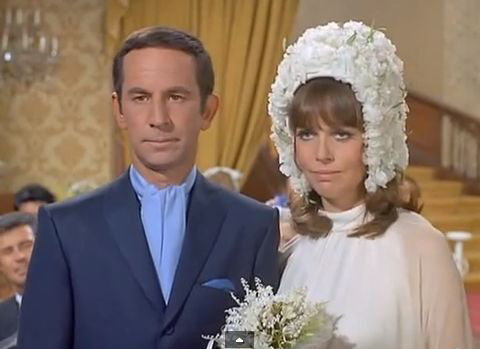
Get Smart aired for 5 seasons. The first four seasons were on NBC and when faced with cancellation, it moved to CBS for it’s fifth and final season. In the final season, the show “jumped the shark” and 86 and 99 got married and had kids, which many say is what killed the show.
Afterward
In 1980, Don Adams starred in the theatrical film, The Nude Bomb. It lacked much of what made the show so good. Max is not working for Control, 99 is not present, and it lacked all the fun of the show.
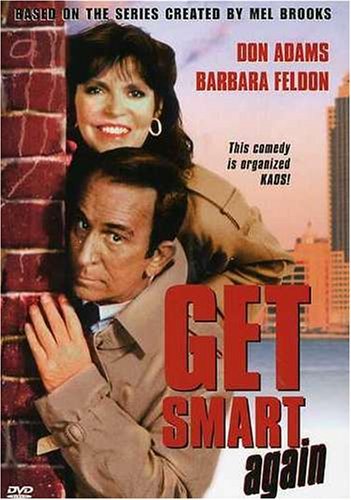
In 1988, many of the original cast reunited for Get Smart Again, a TV movie that aired on ABC. It reunited 86, 99, Larabee, Hymie, and Agent 13. Seigfried and Shtarker return as Kaos agents. It was more true to the original series and it helped spawn a short-lived weekly series on Fox in 1995.
Why I Picked It
Today, we are bombarded with all kinds of shows on TV that try to push a political or social message. Get Smart makes me laugh. It is one of those shows that I wish didn’t have a laugh track (the only thing I hate about it). I love to watch the interaction of the characters and enjoy the guest stars. It’s one of my favorite guilty pleasures.
The theme song is one of my favorites, too! When I worked at one hospital, I used to have to walk down a long hallway and I would often find myself humming the theme! Silly, yes! Incidentally, it is interesting to note that in 2010, TV Guide ranked the opening title sequence at number 2 on its list of Top 10 credits sequences as selected by readers. It’s classic!
This blog post is part of the Hanspostcard TV Show Draft.
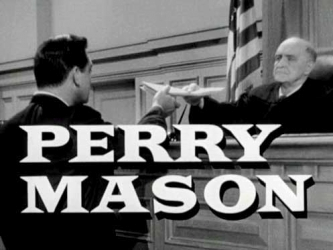
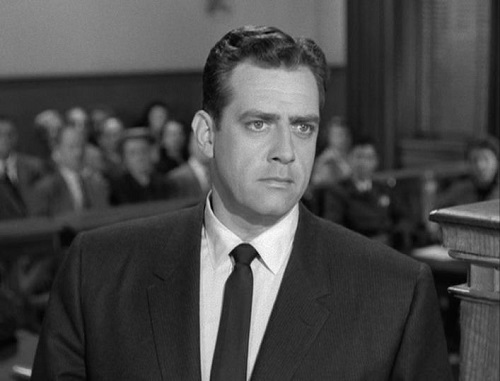
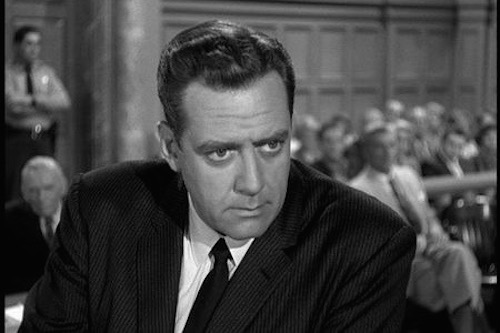
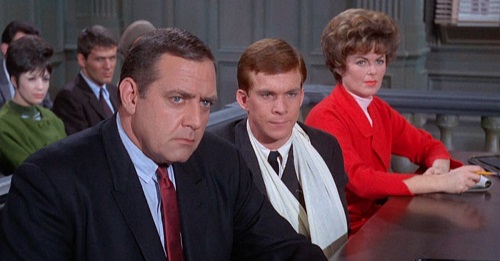
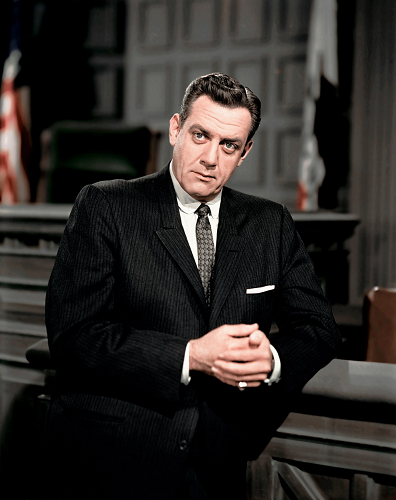
My choice for the third round draft pick is Hollywood’s first weekly one-hour series that was filmed for television – Perry Mason. The show ran for 9 seasons (September 1957 – May 1966) and starred Raymond Burr in the title role.
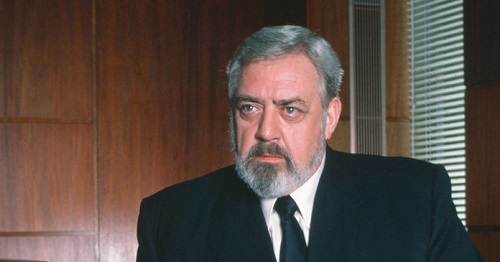
Raymond Burr
The character of Perry Mason was well known before he was ever on TV. The attorney was the star of novels and stories written by a lawyer-turned-author Erle Stanley Gardner. There were some movies made by Warner Brothers and also a radio series based starring the character, by Gardner hated them! As a matter of fact, he refused to license the character of Perry mason for any more adaptations. (Interestingly, the radio series continues and evolved into the famous soap opera The Edge of Night.)
Gardner’s agent married actress Gail Patrick and she was the one who talked him into adapting the novels into a TV series. He made it clear that he wanted a lot of control over the show and how it was presented. He also had a hand in helping pick the cast. Many of the stories he wrote were turned into episodes for the series.
The Cast
It is hard to imagine anyone other than Raymond Burr as Perry Mason. However, among the actors in the running were Mike Conners, Richard Egan, William Holden, Efrem Zimbalist Jr., William Hopper, and Fred MacMurray. Raymond Burr actually auditioned for the role of Hamilton Burger, the DA. Gail Patrick remembered his performance from the 1951 film “A Place in the Sun” and told him he was perfect for the role.
At the time, Burr was about 60 pounds overweight, so he went on a crash diet and tested for the role again with about 50 other actors. Erle Stanley Gardner saw him and reportedly said, “THAT is Perry Mason!” Burr continued to lose weight as the series continued. He stated, “I just don’t have time to eat.”
Syndicated columnist Erskine Johnson wrote, “Every six days Burr stars in what almost amounts to a full-length feature movie. He’s in 98% of all the scenes.” Burr stated, “I had no life outside of Perry Mason. And that went on 24 hours a day, sox days a week. I never went home at night. I lived on the lot. I got up at 3 o’clock every single morning to learn my lines for that day, and sometimes I hadn’t finished until 9 o’clock. I had a kitchen, bedroom, office space, sitting room – al of that – on every lot I ever worked on.“
Burr won three Primetime Emmy Awards for his portrayal of Perry Mason (1959, 1960, and 1961).
Raymond Burr IS Perry Mason
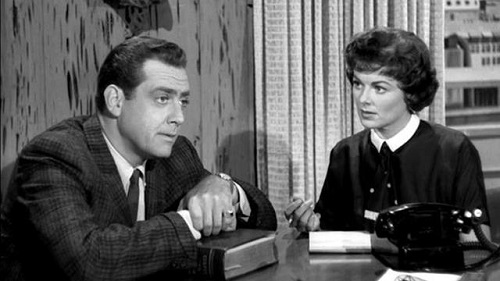
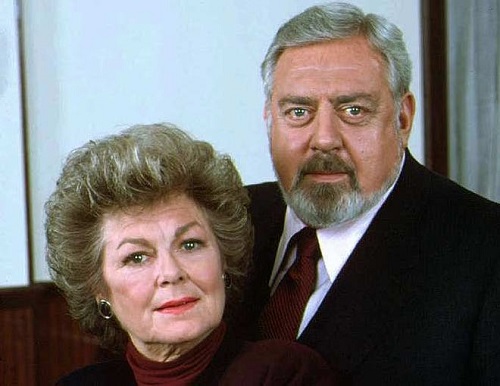
Other major players in the cast included Barbara Hale as Perry’s secretary, Della Street. Hale had done some feature films, but wanted to avoid going away for long periods of time to shoot them because she had a rather young family. According to Gail Patrick, it was Hale who called her to inquire about the role of Della.
Perry and Della (Barbara Hale)
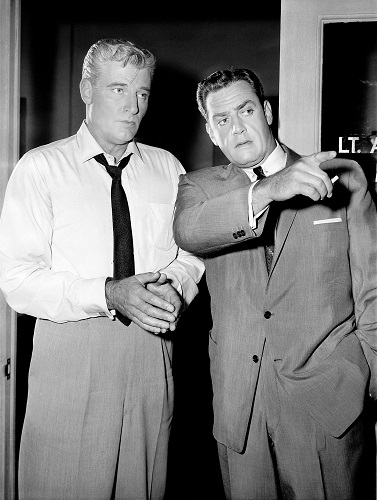
William Hopper, as I mentioned before, auditioned for the role of Perry Mason (I believe you can find some of the audition tapes on YouTube). After not getting the role of Mason and auditioning for Private Detective Paul Drake, he walked in the room and said, “You hate my mother!” His mother was Hedda Hopper, the famous gossip columnist. Patrick said he was the perfect Paul Drake, so he got the role.
William Hopper as Paul Drake with Burr’s Mason
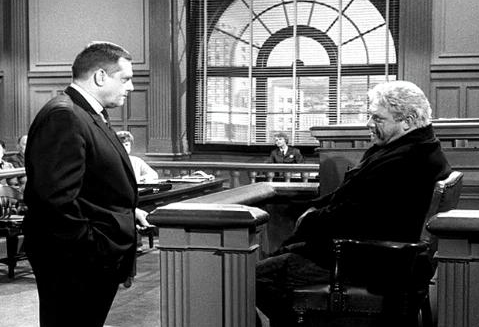
For the role of District Attorney Hamilton Burger, Patrick knew exactly who she wanted. She had seen William Tallman in The Hitch-Hiker and knew he was perfect for the role. She said, “He never disappointed.” In an interview he was asked how he felt about his character losing to Perry Mason every week. His response is perfect. He stated, “Burger doesn’t lose. How can a district attorney lose when he fails to convict an innocent person?” When Burr was asked by a fan why he won every case, he told her, “But madam, you only see the cases I try on Saturday!”
William Tallman – Hamilton Burger
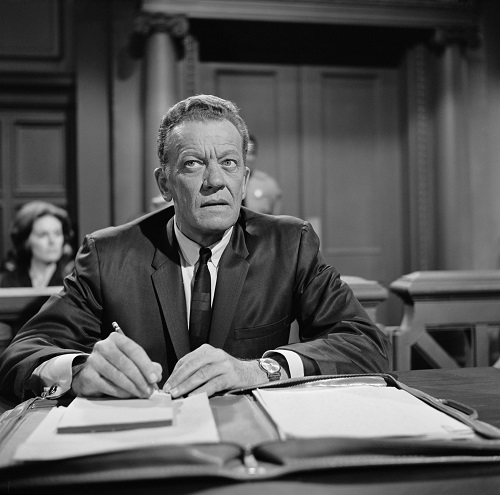
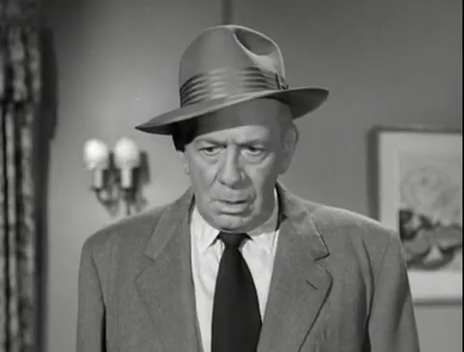
Another one of Perry’s foils was Police Lt. Arthur Tragg. Ray Collins’ voice was known to so many listeners of the Mercury Theater on radio. He had also been in movies and other TV shows. Patrick joked saying, “We overlooked the fact that on an actual police force, he would probably be long retired.” He was 68 years old when the show debuted on CBS. The playful interaction between Tragg and Mason are priceless.
The great Ray Collins as Lt. Tragg
The Plot
The basic formula for each episode was the same. The first part of the show introduced the viewer to a client who is hiring Perry Mason for some legal work or is introduced to him in some way. We then see the murder victim and other “suspects” introduced. The victim is murdered and Perry’s client is wrongfully accused of the crime. The remainder of the episode focuses on Burger and Tragg gathering evidence to convict the said “murderer”, Perry, Drake and Della take up their own investigation to prove their client is innocent.
The second half of the show would shift to the courtroom where Perry and Hamilton would duke it out in the preliminary hearing. In the novels, Perry likes to clear the client before they are bound over for trial, so this was worked into the show. They happen, but jury trials are rarely seen on the show.
The show would often culminate with Mason recalling a witness and questioning them until they cracked and admitted committing the murder OR causing someone else in the courtroom to admit that THEY committed the murder. The show would then wrap with a scene in Perry’s office or the courtroom where details would be presented on what led Perry to discover the real killer.
The formula worked for 9 seasons and eventually 30 TV made for TV movies.
Episodes of Interest
Throughout the run of the series, there were some very unique episodes. In the entire run of the series, Perry tackles an astounding 271 cases, and wins almost all of them! He actually lost thre cases (that we know of). In The Case of the Witless Witness, he loses a non-murder case. In The Case of the Terrified Typist, his client is found guilty of murder, but he is eventually able to clear her name. Finally, in The Case of the Deadly Verdict his client is found guilty of murder and is actually sentenced to death in the gas chamber! Perry, of course, is able to save the day before the execution is scheduled to take place.
A fun episode to watch is The Case of the Dead Ringer. Raymond Burr plays a dual role in this episode playing a man named “Grimes.” It’s fun to watch Burr question Burr as two different characters!
In season 6, Burr had some episodes where is appeared briefly, but guest actors filled in for Perry. Among those actors were Bette Davis, Michael Rennie, Hugh O’Brian, and Walter Pidgeon. Two years later, Burr was hospitalized for jaw surgery and Mike Conners and Barry Sullivan filled in for him.
How about the three that never set foot in a courtroom? Those were The Case of the Baited Hook, The Case of the Velvet Claws, and The Case of the Careless Kitten.
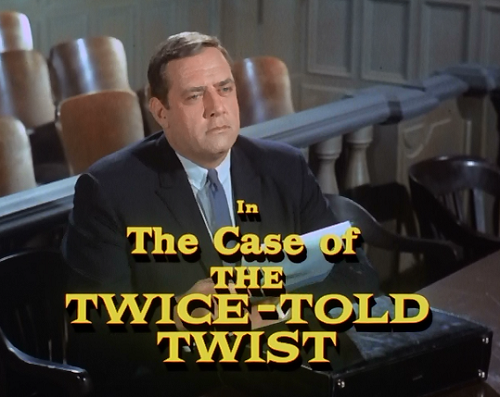
One of the most interesting shows was the one – and only – show that was shot in color. In the 9th season, CBS was hoping that the show would shoot a 10th season. Many shows were being shot in color by this time and they wanted to see what the show would look like. The Case of the Twice-Told Twist aired – in color – on February 27, 1966.
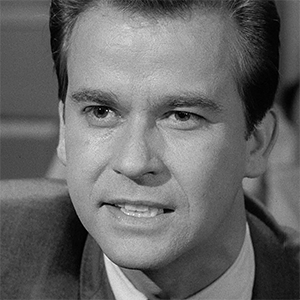
A must see episode is the series finale, The Case of the Final Fade-Out. First of all, it features cameos by all of the Perry Mason Crew in various roles. Second, it features the creator of the character, Erle Stanley Gardner, as the judge, and the murderer is … spoiler alert … a young Dick Clark!
Before They Were Famous
Many soon-to-be stars appeared on Perry Mason. I guess that is another reason why I love watching it. You never know who will pop up. Some examples: Barbara Eden, Cloris Leachman, Lee Meriwether, Pat Priest, Yvonne Craig, James Coburn, Angie Dickenson, George Kennedy, Diane Ladd, Frankie Laine, Ryan O’Neal, Robert Redford, Burt Reynolds, Claude Akins, Richard Anderson, Barbara Bain, James Best, Whit Bissell, Frank Cady, Bert Convey, Richard Deacon, Norman Fell, Alan Hale Jr., Harvey Korman, Gavin MacLeod, Allan Melvin, Leonard Nimoy, Denver Pyle, Marion Ross, Adam West, and MORE!
The Theme Song
Let’s be honest, the Perry Mason Theme Song is one of the most recognizable in all of television. The task of writing the theme went to composer Fred Steiner. He set out to write a song that would convey two of Perry’s prime characteristics – sophistication and toughness. The piece he wrote was called “Park Avenue Beat.”
Here is Fred discussing how he came up with the theme:
Here is the theme from the first season:
As much as I love the original version, I have to admit that when Perry Mason returned to TV in the two hour movies, I loved the version used for these films better. They just sound more full and better produced to me. So here it is:
I may as well touch briefly on the TV movies. In December of 1985, Perry Mason Returns aired on NBC.
In the movie, Perry is now a judge and steps down from the bench to defend Della Street, who is accused of murder.
William Hopper died in 1970, so William Katt (Barbara Hale’s son) was called in to play Paul Drake Jr. The movies followed the same formula as the TV show. Burr and Hale had aged, but their on screen chemistry hadn’t changed at all. Burr was fantastic in this of course, he proves that Della is innocent! The successful reception and ratings of the reunion show led to 29 more Perry Mason Movies (Burr starred in 26 of them before passing away in 1993).
I never tire of watching Perry Mason. Despite being a bit dated, I think it still holds up today. HBO has created a “pre” Perry Mason show supposedly showing how he became the famous lawyer. I have no desire to watch it. To me, there is one and only Perry Mason!
FUN FACT: Raymond Burr started playing the character in 1957 and played him until his death in 1993. He played Perry Mason for a whopping 36 years!
So if you ever find yourself accused of murder … there is only one lawyer to call….
Earlier today it was reported that all of the Charlie Brown holiday specials will NOT be airing on broadcast TV this year! Instead, it will be moving to Apple TV (a pay service) for viewing. I’m not going to lie, I am sick of all of the various streaming options! I pay for cable and Netflix. Now there is Disney Plus, Hulu, Amazon, and others! CBS and NBC also have their own “pay” services! This just proves it is all about money!
I’m 50 years old, but I have always made it a point to watch the Peanuts specials (and many others). Now, I’m going to be forced to pay to watch it? No, thanks! I’ll go out and buy the specials on DVD. Then I can watch them when I want to! I’ve done the same with many of my favorite TV shows. If you look at my movie shelf, I have my favorites (not all, but most) on DVD.
Growing up, I remember it being a yearly tradition to sit down and watch Charlie Brown’s Halloween, Thanksgiving, and Christmas specials. What a shame that after 60 years on broadcast TV, the almighty dollar has ruined it for kids of this generation!
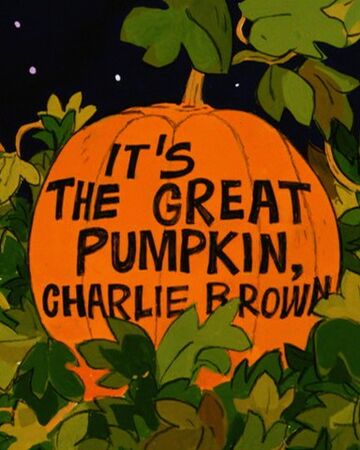
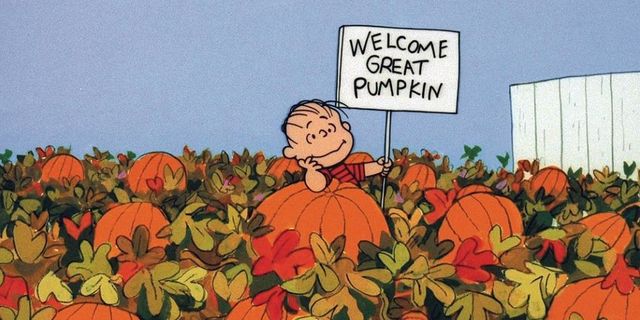
The Halloween special is just fun. There are some great moments in it. I always thought it was cool that Charlie Brown was actually invited to Violet’s Halloween party! Of course, the story revolves around Linus and his belief in the Halloween entity, the Great Pumpkin. He vows to see the Great Pumpkin and convinces Sally to join him in the pumpkin patch.
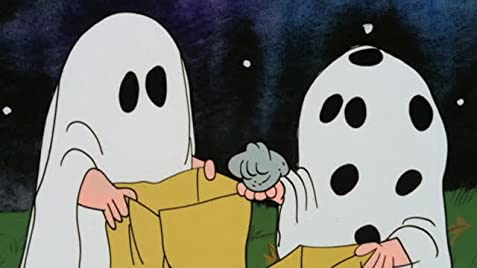
I love when the gang goes out trick or treating! One of the things I always laugh at is Lucy’s witch mask! It’s hideous!
When the kids yell trick or treat at one house, the home owner passes out treats and the kids meet at the sidewalk excited to share what each of them got. It is here that Charlie Brown says the funniest 4 words in the special (in my opinion) – “I got a rock!”
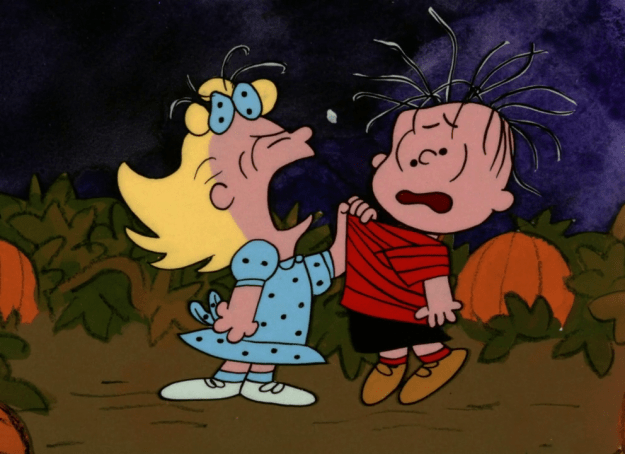
As Sally and Linus wait for the Great Pumpkin, the two mistake Snoopy for the Great Pumpkin. Sally realizes that she has missed all the fun of Halloween and at this point loses it! She lets loose on Linus with one hell of a rant:
I was robbed! I spent the whole night waiting for the Great Pumpkin, when I could’ve been out for tricks-or-treats! Halloween is over and I missed it! You blockhead! You kept me up all night waiting for the Great Pumpkin, and all that came was a beagle! I didn’t get a chance to go out for tricks-or-treats, and it was all your fault! I’ll sue! What a fool I was! I could’ve had candy, apples, and gum! And cookies and money and all sorts of things, but no! I had to listen to you. You blockhead. What a fool I was. Trick-or-treats come only once a year. And I miss it by sitting in a pumpkin patch with a blockhead.You owe me RESTITUTION!!
I guess I could easily go off on my own rant about the blockheads who made these classics unavailable to broadcast TV, but what good would it do? In the words of Charlie Brown….”good grief!”


















 Various Ramblings of a Nostalgic Italian