Book Recommendation: Challenger

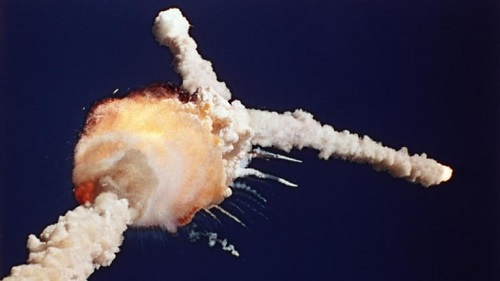
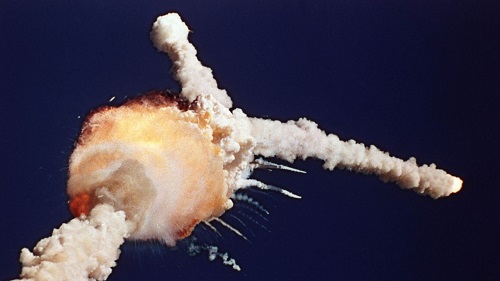
It was 39 years ago today. The world watched in horror as the Space Shuttle Challenger exploded live on television. There were no survivors, but there were plenty of questions raised afterwards.
I read Challenger by Adam Higginbotham at the end of November. Knowing the anniversary was coming up, I waited to post this recommendation.
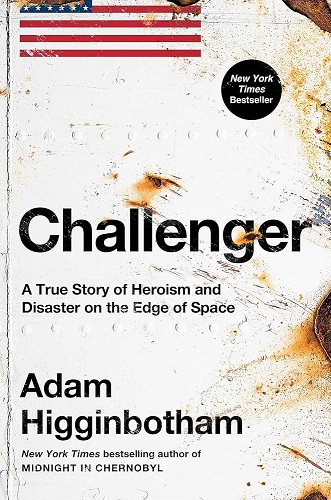
This book was eye opening on so many levels. I suppose it is always easier to look back and see the red flags after knowing the outcome. It’s like all the missed signs and cues that led to the Pearl Harbor attack. They were right there, but they were blown off or not taken seriously.

In order to understand the Challenger disaster, you have to start a few years before. Higginbotham does just that. He lays all the groundwork and presents all the info to help you see just how preventable this disaster was. Here is the Goodreads synopsis:

The definitive, dramatic, minute-by-minute story of the Challenger disaster based on new archival research and in-depth reporting.

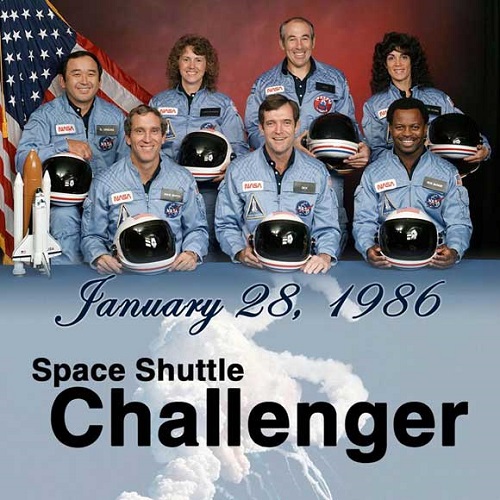
On January 28, 1986, just seventy-three seconds into flight, the space shuttle Challenger broke apart over the Atlantic Ocean, killing all seven people on board. Millions of Americans witnessed the tragic deaths of a crew including New Hampshire schoolteacher Christa McAuliffe. Like 9/11 or JFK’s assassination, the Challenger disaster is a defining moment in 20th-century history—yet the details of what took place that day, and why, have largely been forgotten. Until now.

Based on extensive archival records and meticulous, original reporting, Challenger follows a handful of central protagonists—including each of the seven members of the doomed crew—through the years leading up to the accident, a detailed account of the tragedy itself, and into the investigation that followed. It’s a tale of optimism and promise undermined by political cynicism and cost-cutting in the interests of burnishing national prestige; of hubris and heroism; and of an investigation driven by leakers and whistleblowers determined to bring the truth to light. Throughout, there are the ominous warning signs of a tragedy to come, recognized but then ignored, and ultimately kept from the public.

Higginbotham reveals the history of the shuttle program, the lives of men and women whose stories have been overshadowed by the disaster as well as the designers, engineers, and test pilots who struggled against the odds to get the first shuttle into space.

I was totally fascinated by this book. At times, it could feel a bit too scientific for me. However, to walk alongside the engineers, the astronauts, and the people involved helped to grasp it all. What were they feeling? How something so big, be overlooked? Were the lives of the astronauts worth gambling with? How did the decision makers even begin to cope with the outcome of their actions?

This was truly a thorough and fantastic work on the events that led up to the Challenger tragedy.

5 out of 5 stars.
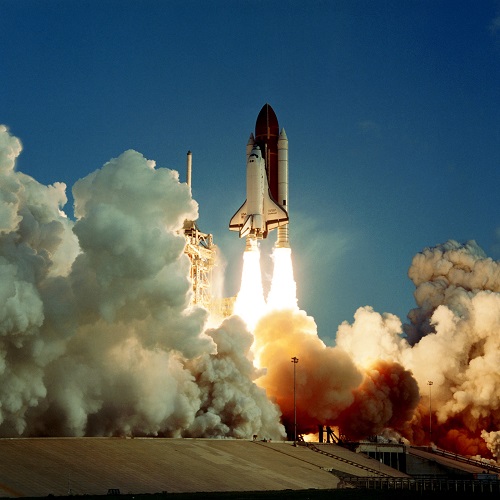
Challenger

I was a sophomore in high school 36 years ago. Space shuttle launches were nothing new to me, as they had done 24 launches since 1981. On January 28, 1986, the entire country watched as the first teacher (Christa McAuliffe) was on board. It was a Tuesday and it seemed like every classroom was watching the launch. 73 seconds into the launch, the shuttle exploded. The entire crew was killed.

The footage of the explosion was replayed over and over again as all the major networks did special reports throughout the day. I remember watching the footage live. I recall some silence as the explosion happened and the rocket boosters went off in different directions. I remember the cameras panning the crowd and the looks of horror and sadness on their faces.

I remember watching President Reagan address the nation that evening from the White House. I remember how much that impacted me. He truly was the “Great Communicator”: “We will never forget them, nor the last time we saw them, this morning, as they prepared for their journey and waved goodbye and ‘slipped the surly bonds of earth’ to ‘touch the face of God.’” Here is a wonderful article about that address to the nation:

https://www.washingtonpost.com/news/morning-mix/wp/2016/01/28/how-ronald-reagan-explained-the-challenger-disaster-to-the-world-its-all-part-of-taking-a-chance/

In band class, we were rehearsing music for our Winter Concert, which was usually in early to mid February. After the Challenger disaster, a new piece of music appeared in our music folders. We probably had less than two weeks to work it up to include it in the concert. It was The Navy Hymn (Eternal Father Strong to Save).

That particular concert was going to be a busy one. Dr. Tim Lautzenheiser was visiting our band and after an extremely powerful two days worth of team building, and leadership lessons was set to conduct a few numbers. A local pastor was there to serve as emcee. A few of the songs on the program were ones that we would work up to take to Band Festival that year. With all of that going on, here was a new piece of music to learn.

We were told by our band director, Tom Shaner, that we were adding it to honor those lost in the Challenger disaster. It was not a difficult piece to play. We were told that our emcee was going to do some sort of narrative over the music as we played the song. Up until a few days before the concert, we had no idea what he was going to say. We brought him in to rehearse the song with us so he could be sure that the timing of it worked out.

I don’t recall what he said word for word, but somewhere I am sure a member of the band had the cassette recording of that concert. I remember it being an very moving tribute. What I remember most was when he read off each of the crew member’s names. Hearing them over the music that we were playing was very emotional for sure. It was the perfect tribute and I doubt there was a dry eye in the auditorium.

I don’t recall if it was the following day, or the following week, but I remember that the pastor who served as our emcee for that show passed away suddenly soon after that concert. It was so sad, but that amazing narrative was saved for many to hear on those cassette tapes. It was a concert I won’t soon forget.