An Often Overlooked Voice

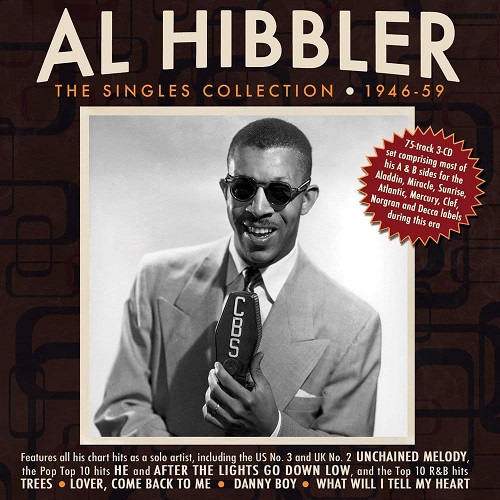
Al Hibbler was born on this day in 1915. The only way I can describe him is “unique.” The reason? No one seems to know how to categorize his work. He’s been called an R&B singer, and some of his hits were just that. He’s also been called a jazz singer, but he really wasn’t. However, he did perform with some of the greatest jazz musicians in music. Finally he is referred to as a pop singer, which is probably the best description. Many people see his music as “the bridge” between R&B and traditional pop music.

The other reason I call him “unique” is because of the way he sings. I tried to think how to even explain it and came up with nothing. Thankfully, there are a few descriptions of his singing I found online. His style was described as “mannered”, “over-stated”, and “full of idiosyncrasies” and “bizarre vocal pyrotechnics.” Keep this in mind as you listen to a couple songs I’ll post at the end of this blog.

Al was born blind, but he didn’t let that stop him from chasing a dream. He auditioned to be a singer for Duke Ellington and his orchestra in 1935. He failed miserably. Afterward, he entered a Memphis talent show and won. This win paired him up with Dub Jenkins and his Playmates. Dub was a local bandleader and sax player. He was with him until 1942 when he joined another band headed up by jazz pianist Jay McShane. The following year, when Herb Jeffries left the Ellington band – Hibbler was named his replacement. He was considered “undoubtedly the best” of Ellington’s male vocalists.

He stayed with Duke until 1951 and left because of a dispute over his pay. He bounced from band to band and from label to label until he started recording for Decca Records in 1955. It was there that he released his biggest hit, his version of Unchained Melody.

It is a coincidence that today is Al’s birthday. Yesterday on my way into work I heard a Hibbler song I had never heard before. I was surprised by the song because it could easily have been considered a Gospel song. Original Billboard review: “Al Hibbler contributes a warm, sincere warbling job on an effective ballad with a strong sacred theme, similar to “I Believe”. Hibbler is a big favorite with deejays, and the disk should stir up some action in the R&B field as well as pop”.

It’s really beautiful. This is “He.”

In 1956, he had his last top ten record with my favorite Hibbler track – After The Lights Go Down Low. It is in this song that those descriptions of his singing (“mannered”, “over-stated”, and “full of idiosyncrasies” and “bizarre vocal pyrotechnics”) really ring true.

Al Hibbler passed away in Chicago in 2001 at age 85. His work is sadly overlooked and many have never even heard of him. The songs above don’t do him justice. He is definitely an artist who should be on your “Listen to List.” You won’t be disappointed.

Happy Heavenly Birthday, Al!!
Turntable Talk #34 – What’s My Scene?

Welcome to the first Turntable Talk of 2025, hosted by Dave of A Sound Day. This is the 34th round, if you are keeping track. If you are a new follower, let me fill you in on how it works. Dave Ruch offers up a musical topic to a group of us music fans each month. Each of the writers come up with a response to the topic and Dave runs each piece on his website.

We have had some fun and interesting topics, and this one is no exception. This time around, Dave asks,  “What’s my scene?” Our instructions: Pick a sort of music “Scene” that either you would have liked to have been a part of or one that you think really created a lot of the music you love. Pick a general place and time and have fun…. 

My fellow music bloggers know my musical tastes pretty well by now. So, let’s see a show of hands – How many thought I’d pick The Rat Pack in Vegas? I almost did, but I know I have written on a live Rat Pack show in the past. Honestly, as awesome as that would be, the more I thought about it the more I leaned another way.

My scene certainly influenced the Rat Pack. Dean Martin cut an album called Swingin’ Down Yonder. Frank Sinatra recorded albums titled: Sinatra Swings, Songs for Swingin’ Lovers, Swing Easy, Sinatra’s Swingin’ Session, Sinatra and Swingin’ Brass, and A Swingin’ Affair! You know what the song says, “It don’t mean a thing, if it ain’t got that swing!”

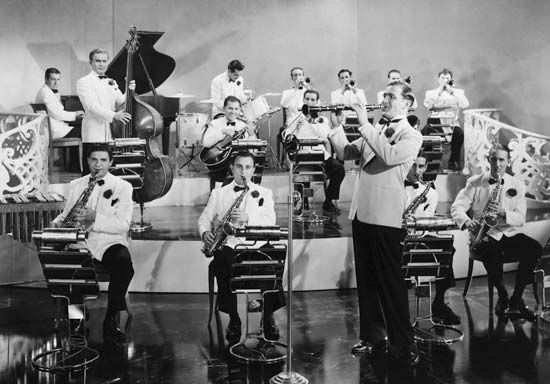
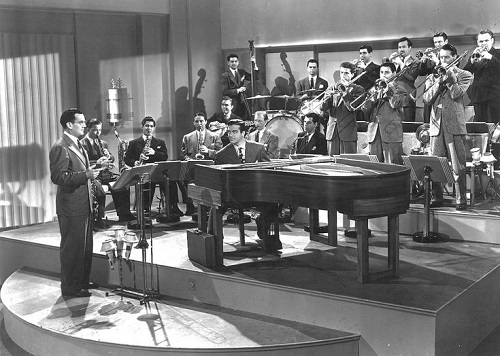
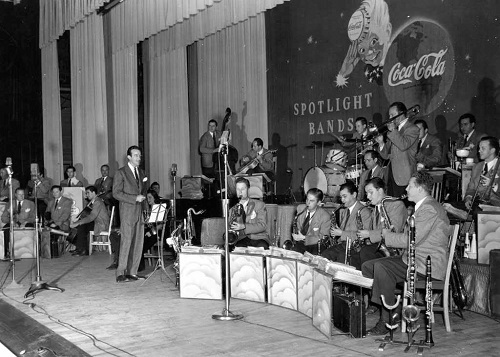
As a mediocre trumpet player, I have always loved Big Band/Swing music. Most folks would consider the Swing Era to be from the early 1930’s to around the mid 1940’s. Even though swing music was prominent in the early 1930’s, it was often ridiculed for its style and feel. Some went as far as to call it a menace (much like Rock and Roll when it gained popularity). After 1935, big bands rose to prominence playing swing music. They held a major role in defining swing as a distinctive style.

There were many big bands on the scene at this time. Each had a very distinct sound and feel to it. For example, Glenn Miller’s orchestra often used a clarinet lead. Count Basie’s sound has a relaxed feel to it. Benny Goodman used a driving and hard swing sound. Duke Ellington’s songs has a sophisticated sound to them.

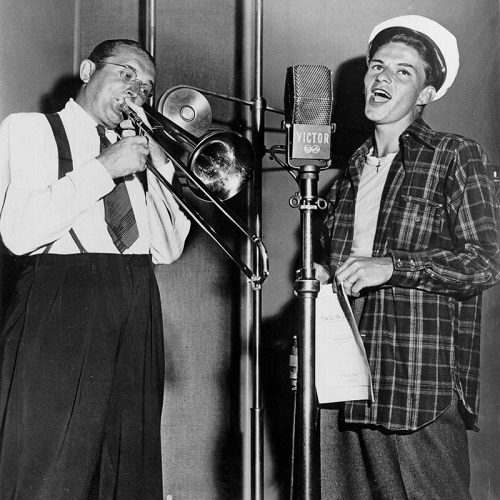
The band leaders often took the spotlight. They were amazing instrumentalists. Harry James and his trumpet, Benny Goodman and Artie Shaw on their clarinets, Gene Krupa on his drums, the trombones of Tommy Dorsey and Glenn Miller, and Lionel Hampton’s vibes. Along with those great leaders, there were plenty of talented musicians within those bands who went on to make a name for themselves.

Perhaps Sinatra recorded his many swing songs because he rose to fame alongside Tommy Dorsey. He was one of many singers who sang with those big bands. Others included the voices of Ella Fitzgerald, Billie Holiday, Kay Starr, Peggy Lee, Doris Day, Kitty Kallen, and Dick Haymes. While they all started with the big swing bands, they also went on to have prolific careers.

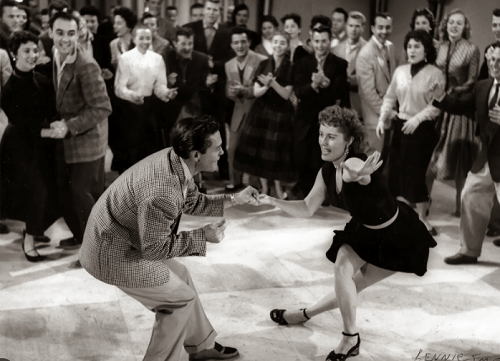
During the swing era, the big bands would often play at dance halls across the country. They appeared on the radio playing dance music. Some appeared in movies, and all of them made records. Their music had teenagers and young adults dancing until their feet hurt.

As years went on, the taste of music listeners changed. Swing began to fade away to make way for music that was less “danceable” like bebop. Many of the swing bands broke up, while other continued without their original leaders. The Glenn Miller Orchestra still tours today, for example.

When I put on headphones and listen to old big band recordings, I picture myself there listening. I picture myself in one of those great 1930’s suits with a stylish fedora.

Maybe it is in a dance hall or at a live concert. Maybe I am in the audience of a radio program where the band is playing. Wherever the music is being played, I am zoned in on it. I am listening to the drum beat of Sing, Sing, Sing and Benny Goodman. I can hear the vibrato of Tommy Dorsey’s trombone solo on I’m Getting Sentimental Over You. I marvel as I watch and listen to Harry James play his theme song, Ciribiribin.

Throughout the evening, I will study those great instrumentalists who improvise solos off the top of their head. Looking at nothing but chords and making up their own melodies. This is something I wish I could do as a trumpet player.

In all honesty, in my “scene,” I would be happy as a clam to just be in the audience. It would be the bees knees just watching those guys swing! Yeah, I can totally see myself swinging, singing, and dancing to the sounds of swing.

Thanks again, Dave for inviting me to take part in this feature. It is always fun to contribute and to read the other submissions. I’m already looking forward to next month’s topic!

Tickling The Ivories

Today is World Pianist Day, so I thought I’d share a guilty pleasure piano song with you.

The Piano has been an instrument that has provided music and melodies for centuries. It has figured prominently in all genres of music and some very talented people have been known for the instrument.

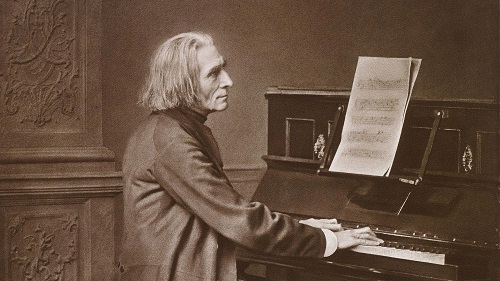
Frederic Chopin, Ludwig Von Beethoven, Wolfgang Amadeus Mozart, and Franz Liszt are all well known classical pianists.

Duke Ellington, Oscar Peterson, Nat King Cole, and Count Basie are all well known jazz pianists.

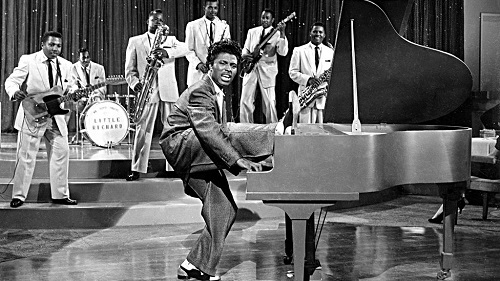
Fats Domino, Little Richard, Billy Joel, Elton John, Stevie Wonder, Carole King, and Freddie Mercury were all well known pop/rock pianists.

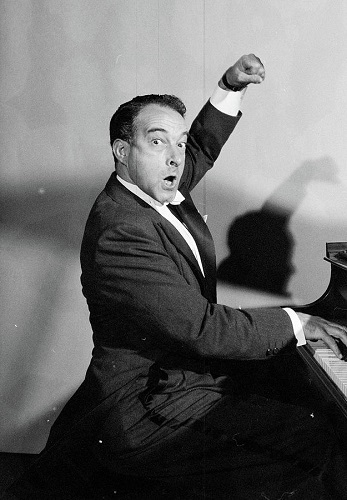
PDQ Bach, Tom Lehrer, and Victor Borge were all known for incorporating the piano into their comedy.

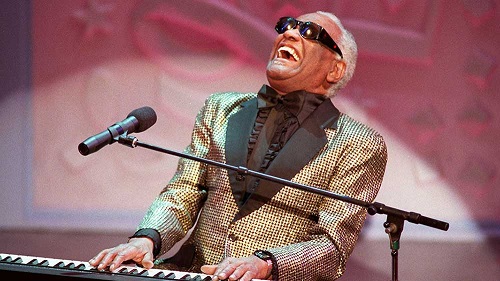
Otis Spann, Billy Preston, Charles Brown, Dr. John, and Ray Charles all offered up some great blues piano tunes.

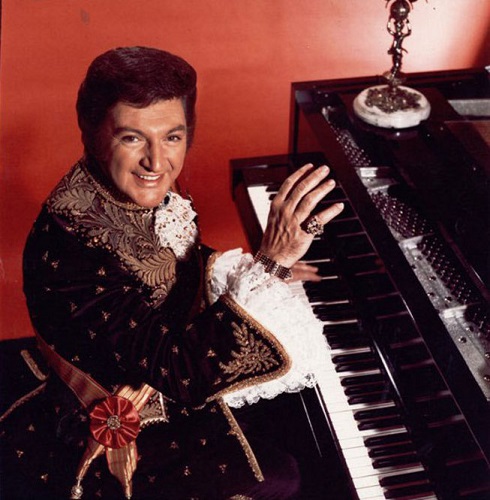
Then, of course, there was Liberace … who played everything.

When I was young, I learned how to play the Hammond Organ. I wish I had learned how to play piano, though. Over the years, I have come to appreciate how talented piano players are. I can’t imagine playing one riff with one hand and a melody on the other.

The guilty pleasure song I wanted to share today features the piano and is played by a guy who I have written about before. TV and movie star Hugh Laurie had an album out a few years back called “Let Them Talk.” On this album, he plays the song Swanee River. The song was written by the great Stephen Foster back in 1851!

Hugh’s version is an amazing boogie woogie romp that you cannot help but tap your toes to. It is one of those “pick me up” songs. I find myself listening to it when I am feeling down. So for World Pianist Day, I apologize to the legendary pianists I mentioned early on, and offer up – Mr. Hugh Laurie.