It was on this day in 1881 that Billy the Kid was shot dead by police.
His story is one of fascination and uncertainty. Eyewitness history says that prior to his death “Billy worked as a ranch hand for John Tunstall. Tunstall befriended the Kid acting in many ways as a surrogate father. Tunstall’s ambush and murder in 1878 by a sheriff’s posse set the Kid off on a path of revenge. His first victims were the sheriff and his deputy, killed from ambush on the streets of Lincoln. On the run for two years, the Kid was eventually captured, tried, convicted and returned to Lincoln to hang for the murders.
On the evening of April 28, 1881 as he was climbing the steps returning him to his cell, the Kid made a mad dash, grabbed a six-shooter and shot his guard. Hearing the shots, a second guard ran from across the street only to be gunned down by the Kid standing on the balcony above him. Mounting a horse, he galloped out of town and into history.”
After his escape he was pursued by sheriff, Pat Garrett. “I knew the desperate character of the man,” Garrett later wrote. “That he was daring and unscrupulous, and that he would sacrifice the lives of a hundred men who stood between him and liberty, when the gallows stared him in the face, with as little compunction as he would kill a coyote.”
That July, Garrett and his deputies followed the outlaw’s trail to Fort Sumner, New Mexico, and to a ranch owned by Peter Maxwell. On that fateful night, Garrett snuck into Maxwell’s home and found the rancher in bed. There, in the dark, the sheriff suddenly heard someone else approaching. He hardly had time to react when a shadowy figure appeared in the doorway and demanded in Spanish to know who else was there.
“That’s him,” Maxwell whispered to Garrett, so the sheriff raised his gun.
Billy the Kid died that night at the age of 21, shot near the heart as he lurched into Maxwell’s bedroom. But despite several people coming forward in the subsequent days to identify his body, it didn’t take long for rumors to circulate that Billy the Kid had actually escaped death — again.
Emilio Estevez starred as Billy the Kid in the 1988 film, Young Guns and the 1990 sequel. A third installment is currently in the works with Estevez returning again as the Kid.
For the sequel, Emilio Estevez asked Jon Bon Jovi for permission to use the song “Wanted: Dead or Alive” in the movie. Bon Jovi didn’t feel the song’s lyrics were appropriate; however, he was inspired by the project and resolved to write a new song for the film that would be more in keeping with the period and setting. He quickly wrote the song “Blaze of Glory”, and performed it on acoustic guitar in the Utah desert for Estevez and screenwriter John Fusco. John loved it and put it in the movie.
Fun Fact: Bon Jovi wrote the song on a napkin in a diner on the set of Young Guns II. Emilio Estevez has it framed on a wall at his home.
Bon Jovi ended up recording a whole album of songs inspired by Young Guns II, which was released a week after the film and also called Blaze of Glory. It was his first solo album, and it sold over 2 million copies. To play on the album, Jon recruited some big names, including Elton John, Little Richard and Jeff Beck, who played slide guitar on this track.
Sources: Songfacts, All That’s Interesting, Eyewitness History.
This is sort of a continuation of the Music of My Life feature. It focused on music from 1970-2025. It featured tunes that have special meaning to me, brought back a certain memory or a tune that I just really like. I found that with the first three decades, there were songs that I didn’t feature. So I sat down with my original lists and selected some songs that “bubbled under,” so to speak.
I figured a good way to present them was to focus on a decade. 10 years = 1 song per year = 10 songs. Last week we looked at the 70’s, and I thought we’d stay there one more week before moving on to the 80’s. So, let’s check out a few “Decade Extras.”
A hat tip to songfacts.com for much of the information.
1970
I suppose it wouldn’t be right to leave out the number one song for the entire year I was born, so we start off with Simon and Garfunkel’s Bridge Over Troubled Water. Paul Simon wrote this about providing comfort to a person in need. It started as a modest gospel hymn but became more dramatic as he put it together.
He wrote the song with just two verses, considering the song “a little hymn.” Art Garfunkel and producer Roy Halee heard it as more epic, and convinced him to write an extra section, which Paul did in the studio (the “Sail on, Silvergirl part”). This was very unusual for Simon, as he usually took a long time writing his lyrics. The song got a grand production, and after hearing it, Paul thought it was too long, too slow and too orchestral to be a hit. It was Clive Davis at Columbia Records who heard the commercial appeal of the song, and insisted they market it like crazy and use it as the album title.
In 1971, this won five Grammy Awards: Song of the Year, Record of the Year, Best Contemporary Song, Best Engineered Record, and Best Arrangement Accompanying Vocalists. The album also won Album of the Year.
My mom loved this song and I remember her singing along with it on car trips.
Bridge Over Troubled Water
1971
Many folks poked fun at Ringo Starr when he began a solo career. Of the four, people thought he was the least likely to have success as a solo artist. He proved them wrong and he still tours to this day. One of the songs that did well for him was It Don’t Come Easy.
Ringo is the only songwriter credited on this one, but he had a lot of help from George Harrison. George was very generous in giving his former band mate full writing credit. The track (less Ringo’s vocal and horn parts) was already completed when Harrison gave it to him, and it included a scratch vocal by George.
Fun Fact: Peter Ham and Tom Evans of Badfinger sang on the intro to this song (“It don’t come easy, ya know it don’t come easy”). Badfinger was signed to The Beatles’ Apple Records, and helped out George Harrison’s first solo album.
It Don’t Come Easy
1972
Growing up there were a lot of Van Morrison songs that I liked, but never knew it was him. It wasn’t until I worked at my first radio station that I discovered he sang Moondance, Domino, and Jackie Wilson Said.
Listening to Jackie Wilson Said, I would have never guessed that the recording was unorganized. However, according to guitarist Doug Messenger the session was chaos! He told “Uncut”:
“Jackie Wilson Said was totally disorganized. He didn’t know where anything went, and no one seemed to know what to do with it. Van went away and the band worked on the basic structure. When he came back we went through it a couple of times and he was real happy because all of a sudden it seemed to be making sense. He said, ‘I think it’s coming together,’ which is what he always said when he felt it was working.”
“I remember he said to the drummer, Ricky Schlosser, ‘When I sing “boom boom boom,” hit the tom and the kick drum at the same time.’ We ran through it once or twice, and the first recorded take is what’s on the album. It was all over the place, but somehow it worked. Even when he ad-libbed at the end -‘One more time’- somehow we all kept it together. At the end, Van was smiling like a Cheshire Cat. ‘I think we got it!’ We tried a second take and – of course – it all fell apart.”
Give it a listen and see if you can hear the “disorganization.”
Jackie Wilson Said
1973
The next song makes me think of my oldest son. His mother would play songs from her iPod around the house and one of those songs was Let Me Be There by Olivia Newton-John. There would be times where he would take her iPod and listen to it in headphones. I still laugh when I think about him singing loudly and off-key “Let me be there in your mornin’, let me be there in your night!” It was really more of a scream than singing.
The was Newton-John’s breakthrough single in the US, where it landed in the Top 10 on the Hot 100, the Country chart, and the Adult Contemporary chart. At the time, she was still living in Britain and didn’t travel across the pond to promote the single or the album. Turns out she didn’t need much promotion at all. When the song hit it big, people had no idea who she was. That actually was a relief to the singer. “The one great thrill I had in America was that my music was accepted before I was ever seen, before I was on television, before I did live appearances,” she told Rolling Stone. “Therefore I had to hope it was my music and not my face.”
Keep in mind that this was five years before she starred in the movie musical Grease. She would win her first Grammy Award for song. This was surprising because she was up against country veterans like Tammy Wynette and Dottie West. She won for Best Female Country Vocal Performance.
Let Me Be There
1974
I was lucky enough to have never walk in on my parents when they were being intimate. My friends who have say it was a truly traumatic experience. On the TV series That 70’s Show, that exact thing happens to Eric, the main character. As he opens the door, Tell Me Something Good by Rufus and Chaka Khan. As a running gag throughout the episode, that song pops up a few times. I think of that episode when I hear this song.
Stevie Wonder wrote the song and recorded it himself on December 13, 1973 – he copyrighted it on January 3, 1974. His version was never released because he gave the song to Rufus, since Stevie was a fan of their lead singer, Chaka Khan.
Chaka Khan tells the story that Stevie was going to bring them a song in the studio, and when he dropped by and played her one he had written, she stunned her bandmates by telling the mighty Stevie Wonder she didn’t like it! So Wonder asked her astrological sign, and when she told him Aries, he delivered “Tell Me Something Good.” According to Chaka, she loved it and they worked out the song together in the studio, although Stevie is the only credited writer on the song.
Fun Fact: Rufus evolved from a group called The American Breed, who had the hit “Bend Me, Shape Me.” They took their name from a column in Popular Mechanics magazine called “Ask Rufus,” later shortened to Rufus when Chaka Khan joined the band in 1972.
Tell Me Something Good
1975
I remember playing Bad Blood by Neil Sedaka when I worked at the oldies station. I had no idea at the time that he had done anything other than those 60’s songs he was known for.
Sedaka wrote this song with Philip Cody. Phil said in a Songfacts interview that it’s his least favorite song. “I went to visit my family and I spent some time with my grandmother, who is an old Sicilian lady. She was telling stories about the lady up the street who used to be a witch, a Strega. And the whole idea of people being good or evil because of what goes on in their blood was just part of the superstitious nature of my Sicilian upbringing that I tried to stay as far away from as I could. (laughing) I just thought it would be an interesting way to approach a lyric: rather than from a place of enlightenment the idea is that love makes us stupid. And that’s where I went. It wasn’t (heavy sigh – pause)… I did it, and I didn’t think I did a very good job on it, and before I had a chance to do a re-write Neil was in the studio with Elton doing the song, and that was it. So I guess the best things are left undone.”
This song turned out to be Sedaka’s biggest hit, reaching #1 on the Billboard Top 100, remaining there for three weeks. He was helped by Elton John, who sang back-up for this song which ensured airplay. In an odd coincidence, this song was knocked out of its #1 position by an Elton John song, “Island Girl.”
Bad Blood
1976
More Than a Feeling was Boston’s debut single. It turned out to be a big surprise hit. Songfacts says: The group’s rise was sudden and unexpected; when “More Than a Feeling” was released, their managers spent a lot of time pitching it to radio stations, which is a very tough sell for an unknown band, but the song is so polished and radio-friendly that many stations put it on the air. It took off, and very soon this unknown band with an album recorded mostly in a basement was a major player on the rock scene.
Boston’s Tom Scholz worked at Polaroid, which made him enough money to buy equipment to create a basement studio. He did most of the recording of the first album there. He actually took a leave of absence from his job at Polaroid to complete the album. Once the album was released, he went back to work.
Songfacts says, “disco was big, so he wasn’t sure his rock record would find an audience. He got very excited when co-workers would summon him to let him know ‘More Than A Feeling’ was playing on the radio. After that happened a few times, he was confident enough to quit his day job.
The song is a classic rock standard and appeared on the soundtrack of the film “FM,” which was the subject of this blog on Monday.
More Than a Feeling
1977
Being born and raised in Michigan, Bob Seger’s music was everywhere when I grew up. When my dad played in a wedding band Night Moves and Trying To Live My Life Without You were songs that they played at gigs.
Mainstreet was a song that was always requested at the station. The actual street Seger sings about in this song is Ann Street, which was off of Main Street in Ann Arbor. Seger told the Chicago Sun-Times: “It was a club. I can’t remember the name of the club, but the band that played there all the time was called Washboard Willie. They were a Delta and Chicago blues band. Girls would dance in the window. They were a black band, and they were very good. That’s where I would go but I was too young to get in. It wasn’t in a great part of town but college students loved to go there.”
This was the second single from the Night Moves album, following the title track. Both songs are very nostalgic and a departure from high-energy rockers his fans were used to hearing. By this time, Seger had been at it in earnest for over a decade and was just starting to break through to a national audience. Live Bullet was his first album to find a broad audience; many who bought it snatched up Night Moves when it came out, and weren’t disappointed. Both albums ended up selling over 5 million copies, making Seger a star.
Mainstreet
1978
Kiss You All Over by Exile was another one of those songs that dominated pop and country radio. It was the perfect crossover song.
In an interview with Billboard, writer Mike Chapman said:
“It’s a very unusual song and is very much about what music in the US is all about in 1978. It’s MOR (Middle Of the Road) soft rock, slightly disco though not pure disco, and has a sensuous lyric line that Americans love. Americans are big lyric listeners and listen to every word.”
It is no surprise that the song has frequently been used as backing music for TV scenes involving various degrees of smooching or similar lip-caressing activities. Songfacts notes that the most creative use of “Kiss You All Over” goes to the Canadian Broadcasting Company’s use of the song in a 2007 montage of hockey players kissing the Stanley Cup. HA!
Kiss You All Over
1979
Many DJ’s will play the song Single Ladies when they do the bouquet toss at weddings. I always love using Ladies Night by Kool and the Gang. It had a funky beat that the ladies would dance to as they waited for the bride to toss her flowers.
Songfacts notes that disco was dying when “Ladies Night” was released at the end of 1979. That didn’t stop Kool & the Gang from using a disco groove on this track and mentioning the “disco lady” and “disco lights” in the lyrics. The song mixed in enough of their funk flourishes to stand out from the pack and bring them into the ’80s – it reached its chart peak of #8 in America the second week of 1980.
Like most Kool & the Gang songs, every member of the group is credited as a writer. “Ladies Night” started with a groove their multi-instrumentalist music director Ronald Bell came up with. His brother, Robert “Kool” Bell (the bass player in the group), gave him two ideas for lyrical themes: “Ladies Night” and “Hangin’ Out.” It was no contest – Ronald knew there were ladies nights everywhere, and loved the idea.
They fleshed out the song with the group, but struggled to find a hook. Ronald Bell remembered a piece of advice from his mother. He recalled to Billboard: “My mother, Aminah, had a hand in that one. Because she would say to me, ‘Always give the people nursery rhymes. Give them something they remember.’ She liked the Dells’ song, ‘Oh What A Night,’ so I put that in. When we were finished, we were all in tune that this was it. We just didn’t know how big!”
Of course, younger folks will always think of Jon Lovitz in the Wedding Singer when they hear this one.
Ladies Night
Yes, there are plenty of great songs I missed from the 1970’s, but next week, we’ll head to the 80’s. I’ll feature ten songs, one from each year of the decade. I hope you will join me next week.
Back in the early 2000’s I was the Afternoon Drive guy on B-95. My shift was from 2pm to 7pm. I got to “kickoff” the weekend every Friday at 5pm. They were calling the 5pm hour “The Drive at Five.” It was far from an original name.
When the clock hit 5PM, I had a factory whistle that I would play followed by the voice guy saying, “Welcome to the weekend!” This was immediately followed by 4 or 5 weekend oriented country songs. Since it is now officially the weekend here in Michigan, I thought I’d showcase some of those songs.
I’d usually start with one of these two classics –
Finally Friday – George Jones
Take This Job and Shove It
Then I would rotate from the following:
Working for the Weekend – Ken Mellons
Redneck Rhythm and Blues – Brooks and Dunn
It’s Five O’clock Somewhere – Alan Jackson and Jimmy Buffett
Come Friday – Aaron Tippin
Wrong Five O’clock – Eric Heatherly
Yee Haw – Jake Owen
That got me thinking about other formats. What might I play if I was working at an oldies station? Maybe:
Rip It Up – Little Richard
Friday on my Mind – The Easybeats
Five O’clock World – The Vogues
If I was at a classic rock station? Maybe:
Saturday Night – Bay City Rollers
Working For The Weekend – Loverboy
Saturday Night’s Alright for Fighting – Elton John
What song is YOUR weekend song? Drop it in the comments!
Nathan Lane turns 69 today. Nathan has starred in movies like The Birdcage, Mouse Hunt and The Producers. To me, he will always be Timon from The Lion King, where he introduced us to the phrase “Hakuna Matata.”
In this popular song from the 1994 Disney classic The Lion King, Timon the meerkat (Nathan) and Pumbaa the warthog (Ernie Sabella) share their worry-free philosophy with Simba (Matthew Broderick), a lion cub who is grieving over the death of his father.
The Swahili phrase “Hakuna Matata,” they explain, means “no worries” and helped Pumbaa deal with his own rough childhood, when all the other animals shunned him over his frequent flatulence. Simba also adopts the motto as he transitions from a cub to a full-grown lion.
The song was written by Elton John (music) and Tim Rice (lyrics), who also wrote Can You Feel The Love Tonight and Circle of Life for the film. It was nominated for the Academy Award for Best Original Song, but lost to another Lion King number: “Can You Feel The Love Tonight.”
Shortly after the film was released, Disney trademarked the phrase so other companies couldn’t exploit the brand by plastering the motto on their products. In 2018, close to 200,000 people signed a petition for Disney to give up the trademark on the grounds of cultural appropriation. “The term ‘Hakuna Matata’ is not a Disney creation, hence not an infringement on intellectual or creative property, but an assault on the Swahili people and Africa as a whole,” the petition reads. But, as trademark experts point out, Disney doesn’t really own the phrase, it just owns the use of the phrase when connected to the film or the company.
“No worries”…..feel free to use the term and sing along! Happy birthday, Nathan Lane!
Welcome back to The Music of My Life, where I feature ten songs from each year of my life. In most cases, the ten songs I choose will be ones I like personally (unless I explain otherwise). The songs will be selected from Billboard’s Year-end Hot 100 Chart, Acclaimed Music, and will all be released in the featured year.
I turned 35 in 2005. There was plenty going on in my personal life at this time. We were doing various therapies for my son, who had been diagnosed as being on the Autism spectrum. I had settled into my position at 94-5 The Moose in Saginaw as their afternoon guy and music director. I was certainly loving that. And at some point during the year, my mother’s cancer returned.
At the time, My Space was pretty popular. I was blogging a lot on there. Somewhere, I have a Word document with every one of those blogs. I had to contact them to get them. I had stopped posting there after joining Facebook, and at some point they moved content. I was thankful to get those blogs as they covered the time leading up to my wedding, the birth of my sons and the death of my mom.
I posted a lot about new songs we were playing on the radio, too. A few of them make this list. Let’s head into 2005:
The legendary Ray Charles passed away in 2004, but before he did, he recorded an amazing duets album. Genius Loves Company was the best selling recording of Charles’ more than 50-year career. It was a collection of duets with Norah Jones, Natalie Cole, Elton John, B.B. King, Gladys Knight, Diana Krall, Michael McDonald, Johnny Mathis, Van Morrison, Willie Nelson, Bonnie Raitt and James Taylor.
The album entered the Top 10 on the US album chart more than 40 years after Charles’ previous appearance on that same chart. This broke the record held by another act who also made his comeback with a duets album. In 1993 Frank Sinatra’s Duets reached the Top Ten 25 years after his previous Top 10 album.
Here We Go Again was a song that Ray had recorded in 1967. Then in 2004 he re-recorded this as a duet with Norah Jones for Genius Loves Company. She recalled collaborating with Charles on this song in a 2010 interview with Billboard magazine:
“I got a call from Ray asking if I’d be interested in singing on this duets record. I got on the next plane and I brought my mom. We went to his studio and did it live with the band. I sang it right next to Ray, watching his mouth for the phrasing. He was very sweet and put me at ease, which was great because I was petrified walking in there.”
This song won Grammy Award for Record of the Year and Best Pop Collaboration in 2005 eight months after Charles passed away. In addition Genius Loves Company was awarded Album of the Year among six other awards, as the American music industry paid lavish tribute to him.
Unlike Frank Sinatra and Willie Nelson, Ray Charles’ voice is as strong as ever on this recording. I felt Sinatra’s voice was weak on his duets albums. Willie is still putting out albums and at times he sounds like he’s just speaking the lyrics. Ray, however, sounds fantastic. I love the blending of these two voices.
Here We Go Again
The next song is an example of a song that I first heard in a polka. You read that right – a polka. Weird Al Yankovic has done quite a few polka medleys on his albums. The medley usually contains a verse or chorus from a pop song done as a polka. When I first heard Beverly Hills by Weezer on the radio, I found I liked it.
Weezer lead singer (Rivers Cuomo) explained in an interview with Rolling Stone magazine that this song is about how he could live in Beverly Hills, but he wouldn’t fit in. “I could live in Beverly Hills, sure,” he says, meaning he could afford it easily. “But I couldn’t belong there.'”
Songfacts explains:
The song comes off as satire, but that wasn’t what Rivers Cuomo had in mind when he wrote it. “I was at the opening of the new Hollywood Bowl and I flipped through the program and I saw a picture of Wilson Phillips,” he said. “And for some reason I just thought how nice it would be to marry, like, an ‘established’ celebrity and live in Beverly Hills and be part of that world. And it was a totally sincere desire. And then I wrote that song, ‘Beverly Hills.’ For some reason, by the time it came out and the video came out, it got twisted around into something that seemed sarcastic. But originally it wasn’t meant to be sarcastic at all.”
The music video was shot at the Playboy mansion. It included appearances by Playboy founder Hugh Hefner and some of the Playboy bunnies. Two of those bunnies were Holly Madison and Bridget Marquardt.
Beverly Hills
When I was music director at the Moose, I spoke with a lot of record people. One of the industry folks knew I loved music from the Rat Pack. She asked me if I had heard of Michael Buble’. I hadn’t. She sent me some MP3’s of his music and I was hooked.
The song could have been sung by just about any artist who tours. The lyrics sound as if they could be autobiographical. It is sung by someone who spends a lot of time on the road with great success. With that success, there is sacrifice. He is missing his home, particularly the woman he loves.
Despite the fact that Home only reached #72 on the Hot 100 chart, it was a breakthrough song for him. The song hit #1 on the Adult Contemporary survey in July 2005. Three years later Blake Shelton reached #1 on the Country chart with his cover of Bublé’s hit.
Bublé and Blake Shelton teamed up in 2012 to record a holiday version of this song for Shelton’s, Cheers, It’s Christmas album. The collaboration happened after Shelton sent Bublé an email saying he hoped to record a yuletide-themed rendering of the tune. “I had the idea of doing a Christmas version of ‘Home,'” he said.
This was the song that proved to folks that Michael was more than a cover artist. His original songs are just as good as the standards he records. He is also more than just a Christmas artist. It bugs me that people pigeon hole him and label him like that. He’s one of my favorites.
Home
My on air name was “Keith Allen.” As a music director, I got to hear all the new music before it went on the air. I popped Play Something Country by Brooks and Dunn in the CD player and loved it. On my first listen, I thought they said my name – Keith Allen. I suppose, in a way, they did. But the lyrics refer to Toby Keith and Alan Jackson:
Said, I’m a whiskey drinking, cowboy chasing, hell of a time I like Kenny, Keith, Alan and Patsy Cline.
I have to tell you my favorite story about this song. When my program director and I first heard this, we said, “That’s a number one song!” We told our consultant that we wanted to add it. He said he didn’t feel like it was a hit. We were both shocked. We both told him that we felt it would be number one. He fought us.
He fought us for a few weeks on this one. He finally said that if we really felt it was a hit, we should add it. We wound up making a wager. I told him that if it didn’t go to number one, we’d buy him dinner. He said if it did hit number one, he would buy US dinner. The week it hit number one, he called us for our weekly music call. When we answered we started giving him restaurants we could go to!
His issue with the song? The “wolf-like” howl of the chorus.
Play Something Country
The next song is one that everyone jokes about on October 1st every year. “Someone needs to go wake up the guy from Green Day!”
This song reminds me of Fastball’s The Way. I say that because it starts with a simple acoustic guitar behind lead singer Billie Joe Armstrong. Then the song kicks in with drums and the rest of the instrumentation. I love the sound of that.
Green Day’s Billie Joe Armstrong wrote this song about his father, who died of cancer on September 1, 1982. At his father’s funeral, Billie cried, ran home and locked himself in his room. When his mother got home she knocked on the door to Billie’s room. Billie simply said, “Wake me up when September ends,” hence the title.
“My father died in September of ’82, and I purposely, up until that point, never went there,” Armstrong said in an interview. “I think really what I was doing was processing that loss that I had with this person that I never really knew. So I wrote that song for my father and about that loss and how 20 years had passed. I remember right after I wrote it, I felt this huge weight off my shoulders.”
Wake Me Up When September Ends
Another country newcomer makes my list this week. I have actually written about him, and the song. Here is that blog:
The next song is one of the slowest chart climbers in history. It was on the American Hot 100 chart for 23 weeks before it entered the Top 40. KT Tunstall’s “Suddenly I See” was inspired by another artist, Patti Smith. Tunstall said, “The inspiration for the song was Robert Mapplethorpe’s photograph of Patti Smith on the cover of her album Horses. I was staring at it one day thinking it was incredible. It’s everything I love about music – mysterious, inviting, frightening.”
Suddenly I see This is what I wanna be Suddenly I see Why the hell it means so much to me
“The chorus was me thinking, ‘that’s what I want to be,'” Tunstall told The Guardian. “Not a famous pop star with lots of money, but like this woman who’s living her life as an artist. I’d been trying for more than 10 years to be a professional musician. I was just exhausted from trying to persuade other people I was good enough.”
I remember hearing this song shortly after realizing that my first marriage was over. After all I learned and discovered through therapy, the title spoke to me. Suddenly, I saw just what was going on and I realized that I couldn’t do it anymore.
Suddenly I See
There were some really good country songs around this time. There were many new artists and some really distinct sounds that were on the radio. I was impressed with Josh Turner from the first time I heard him. I couldn’t believe the tone of his low voice.
Your Man is a song that I wish I could have written. Here is a guy who has been thinking about his woman all day long. He tells her to lock the door, turn the lights down low, and play some music.
I’ve been thinking about this all day long Never felt a feeling quite this strong I can’t believe how much it turns me on Just to be your man
That’s LOVE right there!!
I love the entire feel of this song. It’s the perfect song to “sway” to.
Your Man
As the “Nostalgic Italian,” I think it is safe to say that I believe in the power of a photograph. The memories that can come from looking at an old picture just amazes me. My Friday Photo Flashback is always fun to do. I think that is because of the stuff that comes to mind with those old pictures.
I know there are plenty of people who hate Nickelback. However, Photograph is a song that I can relate to in so many ways. (From songfacts): This song is about reviewing the memories (missed and forgotten) from the band’s childhood in Hanna, Alberta. The lyrics are a chronicle of real events and personal landmarks lead singer Chad Kroeger recalled as he wrote it.
“It’s just nostalgia, growing up in a small town, and you can’t go back to your childhood. Saying goodbye to friends that you’ve drifted away from, where you grew up, where you went to school, who you hung out with and the dumb stuff you used to do as a kid, the first love – all of those things. Everyone has one or two of those memories that they are fond of, so this song is really just the bridge for all that.”
Someone once said, “If you don’t think photos are important, wait until they are all you have left.” I couldn’t agree more.
The photograph Kroeger is holding in the video is the one that inspired the song: It’s a shot of him and their producer, Joey Moi, at a New Year’s Eve party.
Photograph
We wrap up 2005 with a One Hit Wonder. Defining a “one hit wonder” isn’t really easy. Most feel it is when the artist fails to have their follow up released crack the Top 25. There are certainly many songs that fit into that category.
Daniel Powter’s album was released in America in 2006. Bad Day was released in the UK in 2005. In the fifth season of Americal Idol, the song was played over a video montage of the contestant that was being sent home that week. This helped the song gain popularity.
Powter is from British Columbia who later moved to Los Angeles. “Bad Day” was his first single released on a major label (Warner Bros.), and his only hit. He later described it as “a blessing and a curse.” Powter said:
“I was touring the world and performing for thousands of people, but I felt like the song was starting to define me. I actually found myself getting almost angry about it.”
This was the top-selling digital download of 2006. This was the star of people prefer downloading songs to buying CDs. It was part of a shift toward digital distribution of individual songs. In America, the album sold 500,000, but the single was digitally downloaded over 3 million times!
My mom was doing chemotherapy and radiation for her breast cancer at this time. She found the song to be inspiring. It basically says that even if you have a bad day once in a while, things will get better. My mom always tried to have a positive outlook. She battled cancer for 10 years and by this point she was tired.
My mom had the gift of gab. She was always on the phone. She assigned Bad Day to be the ringtone for her cell phone. I believe it was on there until she passed away. When I hear this song, I am taken back to those final weeks of her life.
Bad Day
What song from 2005 did I miss that was your favorite? Drop it in the comments.
Next week, we’ll focus on 2006. On my list is a song about a steeplechase runner, a song that became a hit because of Grey’s Anatomy, and a song that was a hit on the Adult Contemporary Chart and the Country charts. It also has a great Drifter’s cover song, one that took on a whole new meaning for me when my daughter was born, and a creative way to insinuate profanity without actually using it.
Thanks for reading and for listening! See you next week.
We continue with my trial run of Share Your Nostalgia, an idea suggested to me by some fellow bloggers. The topic for this feature is “The Toy of Your Life.” Was there one toy that you considered the “best?” When you think of yourself as a child, what is the toy that immediately pops into your mind? What was the toy that you brought to Show and Tell or took with you everywhere?
We turn the blog over to my buddy, Randy Dafoe today. Randy is a fellow music lover and he and I happen to share a love for a good (and sometimes bad) cover song. His blog, Mostly Music Covers, is a daily read for me. Be sure to check him out here: https://mostlymusiccovers.com/
Will Randy opt for a musical toy like Nancy did yesterday? Take it away, Cowboy …..
The Toy of Your Life – Randy Dafoe
What was the “Toy of Your Life?”. What was that one toy that you carried with you everywhere, brought to show and tell, and made your friends envious of you? When you think back to your childhood, what is that one toy that sticks out as a favorite? Why was it? Why did you want it? How did you get it?
When Keith asked the above questions, I needed no time to think about which toy I was going to write about. It was my Roy Rogers toys. If you grew up from the 1940s through to the 60s it was a coveted thing to have the pair of Roy Rogers and his horse Trigger action figures.
If you don’t know who he was here is a song “Blue Shadows On The Trail” and a little background.
Roy Rogers (Leonard Franklin Slye, November 5, 1911 – July 6, 1998) was following the dusty trail blazed by the likes of Tom Mix and the great Gene Autry (where Rogers was at one time just his sidekick). However, Rogers would come to be known as the “King of the Cowboys”. A great singer who would go into acting and become the biggest singing and acting “Western Star” of all time.
Elton John & Bernie Taupin wrote a song about him, and it appeared on the Goodbye Yellow Brick Road album in 1973.
Being a star like that you inevitably have the merchandise. Back then lunch boxes were a big thing, but for me it was the Roy Rogers Cowboy figure and his faithful horse Trigger. I found a picture that shows it came with his dog Bullet (gotta love the original names) but I really don’t remember having it. At around seven years old Roy Rogers was like a hero to me. He had his own TV series that, like his Western movies were in reruns in the mid 60s. So, I got to watch his shows when we got our first TV in about 1965. Now one TV and eight people in the house, my time was rationed, thankfully my dad liked to watch Roy Rogers, which is where I picked it up to begin with. Roy was the prototypical good guy in the white hat who always did the right thing and saved the day.
So, I probably bugged my parents for the better part of a year before I got it for Christmas. I would pretend he was riding into various adventures and sometimes I just liked to look at it sitting on the floor of my room. I use the term ‘room’ generously, I actually didn’t have one at that time. My bed was on the landing at the top of the stairs in our little one and half story house. My sister’s had the room on the left and my two older brothers the room on the right. But there was plenty of space to play and as possessions were a rare thing, I coveted that Cowboy and horse for at least a couple of years.
But, as it is said in the song “A dragon lives forever, but not so little boys”. Roy and Trigger got put in a box. At first it was in the closet in my sisters (I have three of them) room and then to be honest I don’t know what happened to them. My mother made a healthy habit of donating our things. As the years passed Roy became less of a celebrity and to another little boy it was probably just a cowboy and horse. Needless to say, I have not forgotten Roy and Trigger, nearly 60 years later I can still picture myself on the floor and having the time of my life making up my own cowboy stories.
Thanks, Keith, for the opportunity to reminisce and share a story about my favorite toy.
Welcome back to The Music of My Life, where I feature ten songs from each year of my life. In most cases, the ten songs I choose will be ones I like personally (unless I explain otherwise). The songs will be selected from Billboard’s Year-end Hot 100 Chart, Acclaimed Music, and will all be released in the featured year.
A brand new decade has dawned and I will turn 20 in 1990. It was a time of change for me, as well. I had been working at WKSG for a little over 2 years. I truly believed that I’d have that job for years, but had yet to learn how unstable radio jobs were. When I was fired, I called my old boss (now at another station in Detroit) and cried like a baby. He brought me in part time at WMXD.
As I looked through the music from 1990 and 1991, there were many songs that I played while at WMXD. When I started there, the music was a mix of Adult Contemporary and Urban songs. Eventually, they would go all Urban Contemporary and I was let go again.
One of the songs I played, I wrote about recently, but it still makes my list here. If you want to know more about Elton John’s Club at the End of the Street, you can read the earlier post here:
Next on the list is a song that was released on my 20th birthday, May 15, 1990. “Vision Of Love” was Mariah Carey’s first single. The song debuted at #73 in America, but two months later, in August, spent four weeks at the #1 spot. I remember playing this one on WMXD, as well. It was a song that really showcased her outrageous vocal range! The first time I heard her belt out that high note, I couldn’t believe it!
The original demo of the song was described as a 1950’s shuffle, but that didn’t matter. The song was good enough. Songfacts says, The original version was included on Mariah’s demo tape for Columbia. It was one of the songs that caught the ear of Tommy Mottola, her future husband and, more importantly, the head of the label’s parent company, CBS Records. At the time, Mariah was working as a backup singer for Brenda K. Starr, who invited her to a label party in Manhattan where the demo tape made its way into Mottola’s hands. After listening to the tape in his limo on the way home, he went back to the party to track down the singer. Mariah had already left and no one knew who she was. Days later, she found a message on her answering machine inviting her to sign with the label. Mottola then sent her to Los Angeles to re-record “Vision Of Love.”
Let me be honest right here. After her second album, there were not too many songs by Mariah that I cared for. I don’t know this for sure, but I feel the “business” changed her. There were a couple of songs later that were good. I felt, however, her strongest stuff was on those first two albums.
Vision of Love
The Godfather trilogy will always be my number one, but my second favorite trilogy would be Back to the Future. In 1990, Back to the Future Part III was released in theaters. I couldn’t wait to see how it all wrapped up.
ZZ Top released their Recycler album in 1990. The lead single from the album was a song from Back to the Future Part III called Doubleback. The group made a cameo appearance in the movie playing an acoustic version. That version is on the soundtrack of the movie.
Doubleback
But wait, there’s more! Consider this a Double Shot of ZZ Top. From the same album, My Head’s In Mississippi sounded like classic ZZ Top to me. I just loved the shuffle and the vocals. Billy Gibbons said:
“My buddy Walter Baldwin spoke in the most poetic way. Every sentence was a visual awakening. His dad was the editor of the Houston Post. We grew up in a neighborhood where the last thing you would say is, ‘These teenagers know what blues is.’ But our appreciation dragged us in. Years later, we were sitting in a tavern in Memphis called Sleep Out Louie’s — you could see the Mississippi River. Walter said, ‘We didn’t grow up pickin’ cotton. We weren’t field hands in Mississippi. But my head’s there.’ Our platform, in ZZ Top, was we’d be the Salvador Dalí of the Delta. It was a surrealist take. This song was not a big radio hit. But we still play it live, even if it’s just the opening bit.”
In 2008, Gibbons stated, “‘My Head’s in Mississippi,’ which was one of the first completed tracks on the album, is a great example of how we mixed the new with the old. Initially, it was a straight-ahead boogie-woogie. Then Frank stepped in and threw in those highly gated electronic drum fills, which modernized the track.”
My Head’s in Mississippi
I have never owned a pair of parachute pants. They do look comfortable, however, and it looks like you have a lot of freedom in them.
As much as I didn’t really want to include this one, I did play it a lot while DJing. It always got folks out dancing, then again, so did Super Freak by Rick James. Believe it or not, James did NOT give Hammer permission to use the song.
Songfacts explains: Rick James tried to keep rappers from sampling his music, turning down any requests. According to James, his lawyers authorized the “Super Freak” sample without his permission. He heard about it when a friend told him about “U Can’t Touch This” and the song came on the radio they were listening to in the car. James said he was irate, but somewhat appeased when he found out how much money it was making for him. Still, he claimed he wouldn’t have done the deal if he was asked.
James had another beef as well: he wanted to be listed as a songwriter on “U Can’t Touch This.” He sued MC Hammer for credit. The case was settled out of court, with James getting listed as a co-writer on the track along with Hammer and Alonzo Miller. Miller was a disc jockey who wrote some lyrics on “Super Freak.”
He recorded the song at Capitol Records, where Frank Sinatra, Nat King Cole, and Dean Martin recorded, The label ran an innovative marketing campaign to promote this song. They mailed out free cassette singles of the track to 100,000 kids. The cassettes came with a letter from Hammer asking them to call MTV and request the video. The ploy worked, and the video became the most-played of 1990 on the network.
U Can’t Touch This
I don’t remember when my ex-girlfriend had sent this song to me. It was probably after we broke up the first time. I say that because I believe that this song is what led us to getting back together eventually. I remember being pretty messed up after the break up. I did end up dating someone else.
I don’t recall how my ex and I began chatting again, but it led to her giving me this song. I really loved and cared about my ex. I broke it off with the gal I had been dating to get back together with my ex. It was really unfair to her, but I was 20, almost 21, and didn’t really know any better.
While we enjoyed some very good times the second time around, it didn’t last. She broke up with me again, which led to me always wondering what I did to cause he to leave. Anyway, I tell you all that to play Cuts Both Ways.
Cuts Both Ways
In 1967, Otis Redding wrote and recorded his version of Hard to Handle. He wrote it with Allen Jones and Al Bell and the track was produced by the legendary Steve Cropper. It was released in 1968 (after his death) as the B-side to his song “Amen.”
The song was first covered in 1968 by Patti Drew. The Black Crowes covered the song on their debut album, Shake Your Money Maker. Two versions of the song exist. First, the original album version and the hit single remixed with an overdubbed brass section. The latter is available on the 30th Anniversary edition of Shake Your Money Maker.
Songfacts says: This was The Black Crowes’ third single, following “Twice As Hard” and “Jealous Again.” It made #45 in the US in December 1990, as the group was rapidly gaining momentum. After “She Talks To Angels” hit #30 in May 1991 – over a year after the album was released – “Hard To Handle” was reissued, this time going to #26 and becoming the highest-charting single for the band on the Hot 100.
This has always been a song that I love to crank up. It’s funky and fun!
Hard To Handle
My next song is another one that I played while at WMXD. I was familiar with James Ingram before I worked there and always liked his voice. I Don’t Have The Heart was his only solo number one song. The song won him a Grammy Award for Best Male Pop Vocal Performance in 1991.
The song was written by the duo of Allan Rich and Jud Friedman. It was the first song they wrote together. Speaking about Rich’s lyrics, Friedman told Songwriting Magazine, “Allan says he’s not a poetic lyricist, and he’s not a flowery lyricist. He is very conversational, but in a good way, and that has its own poetry. It’s the poetry of reality and the poetry of life and interactions. And the thing about I Don’t Have The Heart, among many brilliant things about Allan’s idea for the song, is it’s an example of taking a phrase that’s very well known, ‘I don’t have the heart,’ and flipping it. ‘I don’t have the heart to hurt you but I don’t have the heart to love you.’ He used it in two different ways, and that was poetic. We’ve all been there, sometimes wearing one of the shoes and sometimes wearing the other.”
That was the thing that caught me, too. The flip. I love when a lyric does that.
I Don’t Have the Heart
Whitney Houston hadn’t been on the radio since 1988. While she had her fair share of uptempo songs, but I feel like radio played more of her ballads. So the first time I played I’m Your Baby Tonight, I was wowed by it.
According to Songfacts:
By the time Houston released her third album, I’m Your Baby Tonight, she was coming off of a three-year hiatus. Prior to this, she had a record-breaking string of seven consecutive #1 singles on the Billboard Hot 100. The problem was, her record label felt she was losing touch with her black audience. Houston balked at the claim, telling USA Today, “I don’t sing music thinking this is black, or this is white… I sing songs that everybody’s going to like.”
But producers L.A. Reid and Babyface agreed with the assertion. Reid told Billboard: “We wanted to come up with something that was different than anything Whitney had sung. So we approached it from that angle. We wanted to give her a new direction, and pick up where we felt she was lacking. We felt like she needed more of a black base.”
It definitely was a fresh sound for her, but I don’t know hear it as “more black” or “more white.” To me, it is just a great song!
The Julien Temple-directed music video shows Houston in the guise of different pop culture figures. They include silver screen siren Marlene Dietrich, Audrey Hepburn, and all three of The Supremes.
I’m Your Baby Tonight
Allow me just one more song from my WMXD days. Let me set this up for you. When I was at WKSG, these two sweet old ladies always called to request songs. They were sisters named Virginia and Dorothy. They always seemed to call toward the end of my overnight shift.
Virginia suffered with respiratory issues, so it took her a bit to say what she wanted. She would get a couple words out and have to take a breath. She had emphysema and really struggled to breathe.
Dorothy, on the other hand, was always on the go. She was always talking about where she was over the weekend. She was always at a party or something, even though she didn’t drive. She took a bus or Your Ride where she needed to go.
When I told them that I was leaving the station, Dorothy gave me her address to keep in touch. When I moved to Ludington, she and Virginia wrote me often. Eventually, communication was over the phone. When I moved back home, we actually ran into each other at a Weight Watchers. meeting.
I was closer to Dorothy, and she would invite me to stop by for coffee. She always had some sort of baked good ready. She was born the same day as Frank Sinatra. She was such a sweet friend. I am sure that I lost touch with her after I married my ex, and was sad to hear that she (and her sister) had passed away.
She once told me that she didn’t like all of the music we played at WMXD. One song she loved was The First Time by Surface. This song went to number one on the Billboard Hot 100. Whenever I hear it, I think about my friend and am grateful to have known her.
The First Time
Robert Palmer’s Don’t Explain album was very different. It contains 18 tracks and a variety of styles. There is R&B, Rock, Jazz, and more. It also includes some cover songs. I love the track “Top 40” because it swings a bit with a great sax line. It, however, wasn’t released as a single.
The song that is closest to what he had success with in the 80’s is You’re Amazing. I love the guitar line in the song. Billboard said, “Palmer’s reliably strong soul stylings added to headbanger guitar riffs and sweet background harmonies proves to be a quirky, but potent, combination.”
I don’t know that I would call the guitars “headbangers,” but I suppose they are a bit harder than Palmer usually presents. Now, the background harmonies – yeah, I dig those!
You’re Amazing
1990 Bonus Song
I just can’t pass up one song. It is a song that my best friend, Jeff, and I still laugh about. I can’t be sure who heard this first, but I know we laughed about it for years. The idea of taking the voice from a 1970’s instructional dance record and incorporating it into this is brilliant. The Bingo Boys did just that!
It is this vocal part from that record that makes us laugh so much. I cannot even being to picture a couple in their living room trying to learn a dance to that guy! It is so absurd that after a few of his lines, Princessa jumps in to shut him up. “Act like the end of a record and fade out …” is the lyric. I think that’s an awesome line.
The Bingo Boys were a trio from Austria. The song was actually released in the US first. It was released in the UK in 1991. It went to number one on the Hot Dance Club Play chart and reached number 25 on the Hot 100.
The song borrows heavily from a number of earlier recordings, including “Dance, Dance, Dance (Yowsah, Yowsah, Yowsah)” by Chic, “Dance (Disco Heat) by Sylvester, “Kiss” by the Art of Noise and Tom Jones, the popular James Brown “Yeah! Woo!” sample loop, the bassline motif from Mantronix’s single “Got to Have Your Love”, and a synth motif from The Whispers’ “And The Beat Goes On”. See if you can catch them all ….
How To Dance
That’s a wrap on 1990. Next week, we’ll check out 1991. That was the year I turned 21 and moved out for the first time. What kind of surprises will pop up?
Did I miss any big 1990 songs from your list?? Drop them in the comments!
Welcome back to The Music of My Life, where I feature ten songs from each year of my life. In most cases, the ten songs I choose will be ones I like personally (unless I explain otherwise). The songs will be selected from Billboard’s Year-end Hot 100 Chart, Acclaimed Music, and will all be released in the featured year.
I would turn 17 in 1987. It was my junior year in high school and I did what I had to do to get by in all my classes except band class. I was completely devoted to band class. I was an officer in band class (I was one of the librarians who helped sort, catalog and distribute music). I often stayed late and practiced with a couple other band nerds.
It was also the year I dated a gal who was kinda sorta toxic. It was an 8 month relationship that really had me messed up. I won’t go into details. We had some good times, but the bad times outweighed them. As I have worked ahead for this feature, I began to notice how some songs really hold some big relationship memories. The power of a song and the memories attached to them aren’t always happy, but I have noticed that there are more happy ones than bad ones.
Off to 1987 and my ten picks …
One of the best concerts I ever attended was Billy Joel and Elton John. There were two piano greats and a night of fantastic music. I am always interested to find out an artist’s hero, or favorite artist. Billy has often said that his favorite was the great Ray Charles. Put the two of them together and you’ve got one very cool song.
According to songfacts.com, when Ray showed up at the session, they met for the first time, and Joel was in awe. To break the ice and get to know each other, they each played piano for a while before recording the song. Whenever Charles would meet someone for the first time, he would touch that person’s face. When he did this to Joel, he said, “relax,” since he could tell Billy was nervous.
In a 1986 promotional interview, Joel said he was sitting at home trying to find inspiration for the song in his surroundings when his baby grand sparked his imagination. “I began looking around at things that have been consistent in my life, and in this age of synthesizers and electronic keyboards the piano has almost become an old-fashioned instrument,” he recalled. “I glanced at the baby grand piano and realized that I had a lot of love for that thing. The piano has provided me with a nice living, a career, and happiness. It’s gotten me women, and it’s gotten me through some strange times.”
He continued: “Sometimes at night I’d sit down and give myself a concert, and it’s almost like the piano did it – I didn’t even have anything to do with it. When I was thinking about a theme for Ray and me, it seemed apropos: you know, Ray Charles, piano player. Billy Joel, piano player. Let’s talk about a real love in our lives – the baby grand. ‘Baby Grand’ is really a love song to an instrument.”
Personally, this is just one of those magical musical songs to me. It’s a bluesy love song played by two talents who love their instrument – and making music. And that is good enough for me.
Baby Grand
I’m sure that every radio market had an adult contemporary station that played love songs at night. Usually, it was hosted by a deep voiced DJ who would smoothly deliver requests and dedications over the air. In Detroit, we had “Pillow Talk” hosted by Alan Almond.
In 1987, I had my driver’s license and I would go out cruising around with my friends. When I began dating, I would often “park” and listen to the love song show. As I was going through songs for this feature, I was overwhelmed by just how many of those songs were nightly staples on that show.
While there were times that my girlfriend and I would make out in a parking lot, there were also a lot of times when we sat and listened to the music and talk. There were a lot of ballads that came out in the mid-80’s. Many of them continue to be played as wedding songs and such.
One song that really stood out on the radio was an instrumental by Kenny G. It was his hit, Songbird. It sounded so out of place, yet perfectly fit. Because it was an instrumental, the DJ would often use it to read those lovey dovey dedications. “Sarah wants Josh to know that she misses him so much tonight.” “William called in to thank Beth for a wonderful first date.” “Deborah wants Tim to know that she is very sorry for the argument they had tonight and wants to dedicate this one to him.”
Fun fact: “Songbird” is all Kenny G – he played every instrument on the track (including the drum programming) and recorded it in his home studio. “I created a whole sound based on what I was hearing inside me,” he told Vanity Fair. “It came out, and Whoa! That’s exactly what I wanted!”
When I hear Songbird, I am reminded of those nights where I thought I was really in love and had no idea what true love was at the time.
Songbird
MTV turned 6 in 1987 and as we have seen in the past few weeks, there were many creative videos to boost record sales. I could list about 50 videos that are forever etched in my brain, and up near the top would be the one for the next song – Doing It All For My Baby.
Mike Duke (who played with the Outlaws) cowrote the song with Philip Cody. They couldn’t get anyone to record it. Mike went on tour with Delbert McClinton and at some point was doing club gigs in Mississippi. Some guys from Huey’s band came in to see the gig and he was playing ‘Doing It All For My Baby.’ The guys in the band said, ‘Wow, we love this song. We’re going to bring it to Huey.’ And they brought it in, and three years after we wrote the song, Huey Lewis & the News recorded the song and put it on their biggest selling album ever.”
The band produced an extended video for the song that lasted almost 8 minutes and resulted an one of the iconic MTV images of the ’80s: the band’s heads on display in glass cases while they sing this song. In the video, the band gets stranded somewhere spooky, and end up in various Frankenstein scenes with Lewis playing Dr. Frankenstein. It was truly one of those “fun” videos!
This song features the Tower of Power Horns. I can’t imagine the song without them!
Doing It All For My Baby
When I used to DJ, I would often play music at the VFW hall that my dad belonged to. I met so many great people there and remain friends with many of them. It was here that I became familiar with a lot of songs that I hadn’t heard before. One of them was my next song.
Jimmy Mac, as he was known to all of us, used to always ask for stuff like Barry White, Deon Jackson and the Whispers. Rock Steady never failed to get people on the dance floor. I started playing it at other gigs afterward and it always worked.
According to songfacts.com, the song was written and produced by the team of L.A. Reid and Babyface. It was one of the first songs the pair worked on for another artist – they were members of the group The Deele at the time. In 1989, they formed LaFace Records and became music moguls as well as hit producers. TLC, OutKast and Pink were all signed to LaFace. It would be their biggest hit, reaching #7 on the chart.
Rock Steady
It has taken me 17 weeks to finally “Rickroll” you. Sorry. Of course, Rickrolling wouldn’t even become a thing until 2007, but you have to admit that the song was an earworm. Once you heard it, it was stuck in your brain for hours. (The same thing happens to me with his song, “Together Forever.” Which is almost the same song, really!)
At the time, however, this was a pretty big thing. I remember it playing at all the high school dances and all the kids dancing to it, well, not me, but you know what I mean. Astley’s story is actually a cool one …
He worked for the British production team of Stock, Aitken and Waterman’s studio for two years. While he was there he was operating tape machines, singing on recordings for other singers, learning the trade and famously making the tea before the production trio wrote and produced this song for him, which became his first hit. It was recorded in October 1986, but wasn’t released until July 1987, as the producers were waiting for the right environment to break a new artist.
It was inspired by a woman Pete Waterman had been seeing for three years. Rick Astley was staying with Waterman at the time, and after a three-hour phone call with the woman, Astley said, “You’re never gonna give her up.” Aitken and Waterman then changed the story a bit and made him the one who was vulnerable. It was the biggest hit of 1987 in the UK, and went to number one here in the states.
I guess the nice thing about this blog is that you don’t have to click on the video, but you KNOW you want to! Do it! Click it!
Never Gonna Give You Up
Time to clear your musical pallet of Mr. Astley. I’ll do it with the phenomenal blending of three beautiful voices.
The group Trio was made up of Dolly Parton, Linda Ronstadt, and Emmylou Harris. These three ladies were good friends with each other and admirers of each other’s work. The first attempted to record an album together in the mid-1970s, but scheduling conflicts and other difficulties (including the fact that the three women all recorded for different record labels) prevented its release. Record labels were real peculiar about that kind of thing, I guess.
The Trio album was released in March of 1987. One of four singles that was released was called Those Memories of You. This song was recorded by Bill and James Monroe in 1950! Mel Tillis’ daughter, Pam, released a version in 1986 (reaching #55), but the Trio version is the one that was the hit. It was a top 5 song on the Country charts. The video starred a familiar face – actor Harry Dean Stanton.
The Trio album won the Grammy Award for Best Country Performance by a Duo or Group with Vocal.
It is one of those songs that I could get lost in the vocals and the harmonies.
Those Memories of You
The next song is on my list because of my brother. He listened to a lot of music in his room, but I can distinctly remember Madonna and Debbie Gibson music playing a lot. If memory serves me right, he saw her in concert a few times. Shake Your Love seems to be the one song from this album that I always heard from down the hall.
Out of the Blue was Debbie’s debut album and Shake Your Love was the second single from it. What is impressive to me is that she wrote every song on this album and was only 16 when the album was released! This and her first single (Only in My Dreams) were both top 5 records for her.
Another 1980’s superstar helped Debbie with the dance moves in the video for this song – Paula Abdul.
Shake Your Love
Desmond Child has written and co-written some very big songs, including You Give Love a Bad Name and Livin’ on a Prayer for Bon Jovi. When a record rep suggested that Steven Tyler and Joe Perry of Aerosmith write a song with him, they were not thrilled.
Child told songfacts.com: Steven was much more friendly, as he is, and was very generous, really, and showed me a song that they had started called ‘Cruisin’ for the Ladies.’ I listened to that lyric, and I said, ‘You know what, that’s a very boring title.’ And they looked at me like, ‘How dare you?’ And then Steven volunteered, sheepishly, and said that when he first wrote the melody he was singing ‘Dude Looks like a Lady.’ It was kind of a tongue twister that sounded more like scatting. He got the idea because they had gone to a bar and had seen a girl at the end of the bar with ginormous blonde rock hair, and the girl turned around and it ended up being Vince Neil from Motley Crue. So then they started making fun of him and started saying, ‘That dude looks like a lady, dude looks like a lady, dude looks like a lady.’ So that’s how that was born. That’s the true story of how that was born. So I grabbed onto that and I said, ‘No, that’s the title of the song.'”
I have always loved the story of how the song came to be. It really became the comeback song for the group, as their last hit was back in 1978. When I first saw Mrs. Doubtfire with Robin Williams and they played this song, I laughed out loud.
Dude Looks Like A Lady
In 1982, George Harrison released his Gone Troppo album and it didn’t do well. It can be said that a lot of his work was well off the mainstream, using unusual instruments and based on Indian music. “Got My Mind Set On You” proved that he could release a song requiring very little thought and send it up the charts. Naturally, many of Harrison’s ardent followers can’t stand this song.
The song was written by Rudy Clark and originally recorded by James Ray in 1962. George had bought a copy of the single in the summer of 1963 when visiting his sister Louise in Illinois. Many years later when he was writing his Cloud Nine album, he remembered the song and decided to cover it.
Songfacts.com says that when Harrison conceived the Cloud Nine album, he looked for a producer who could carry some of the load and not be intimidated by working with a former Beatle. He sought out Jeff Lynne of ELO for the role even though he had never met him – he connected with Lynne by having their mutual friend, Dave Edmunds, get him the message. It ended up being a great fit. Lynne brought his distinctive production sheen to the tracks and helped out writing some of the songs. Lynne’s influence can be heard in the backing vocals of the “Got My Mind Set On You” chorus. Harrison and Lynne are responsible for bringing together Roy Orbison, Bob Dylan, and Tom Petty, forming The Traveling Wilburys in 1988.
MTV played the video a lot for this song and VH1 had recently gone on the air, so it aired there, too. As simple as this song is, I’ve always loved this one by George.
There were two videos for the song, the first I was unaware of until I stumbled on it for this piece. Both were directed by Gary Weis. The first features a young guy trying to win a ballerina for a gal he sees in an arcade. She is watching the video of George on a kinescope. Here is that video:
Got My Mind Set On You
This second video is the one I am most familiar with. It was inspired by the then-recently released movie – Evil Dead II. As George sits in a study singing, furniture and knick-knacks (including a stuffed squirrel, sentient chainsaw, a suit of armor, and mounted stag and warthog) begin to sing or dance along with the song. FYI, the backflip is performed by a stunt double.
I have made it no secret that I love Roy Orbison’s music. I remember being thrilled that he was making a comeback in the late 80’s. His stuff with the aforementioned Wilburys is so good. His posthumous Mystery Girl album was a fitting sendoff for him.
The original version of crying was recorded in 1961. Roy claimed to have written this as the result of an encounter he had with an old flame with whom he was still in love. He refused to say how much she meant to him, and when he ran into her again it was too late. It has one of the most powerful endings in music, in my opinion.
He claimed the stunning climax at the end of the song was not contrived, but just happened in the course of the song. He told the NME in 1980: “Immediately I thought of a past experience and just retold that, was the way that came about. It was the retelling of a thing with a girlfriend that I had had. I couldn’t tell you right now what notes I hit at the end of the song, or anything.”
In 1987, shortly after he signed with Virgin Records, he recorded a duet of this song with kd lang which was released as a single and later used as the B-side to his 1989 release “She’s A Mystery To Me.” This duet won the 1988 Grammy award for Best Country Vocal Collaboration, and was re-released in the UK in 1992, where it hit #13. Lang said that when they met to do the recording, it was obvious that their voices had a “tonal connection.”
I do not disagree with her. To me, the 1961 version is perfection. When I hear it, I am mentally exhausted. It is so moving. How can you top it? Add kd lang. Wow. To say that I was blown away by this version is an understatement. The arrangement and the vocals are just powerful and beautiful at the same time.
There was a time in my life where I could relate to the lyrics of this song. It was a painful time, and the hurt conveyed in the song was very real to me.
Crying
Boy, this week I Rickroll you and end on a sad note. Sorry about that. Next week will be better.
We’ll travel to 1988 next week. It was my senior year, and there are some fun ones on my list. I hope you will come back and check out the list.
What was your favorite from 1987? Drop them in the comments ….
Welcome back to The Music of My Life, where I feature ten songs from each year of my life. In most cases, the ten songs I choose will be ones I like personally (unless I explain otherwise). The songs will be selected from Billboard’s Year-end Hot 100 Chart, Acclaimed Music, and will all be released in the featured year.
I turned 13 in 1983. I had a paper route and a weekly income because of it. I spent my money on toys, books and music. I loved going into Harmony House and buying 45’s or albums. As I get deeper into the 80’s, I’m seeing more and more songs that I “had” to have.
I am noticing something about a lot of the songs on my lists. There have been some that have not necessarily been meaningful to me the year they were released, but wound up being important later on in my life. That is the case of a few of them from this year. That being said, let’s check out my list….
When Lionel Richie left the Commodores, he had a number one song with “Truly.” The follow up song has always been one of my favorites. I can still see and hear my mother singing along the the chorus of “You Are.”
What I love about this is the fact that while it is a love song, it has some tempo to it. It also has a horn section. Future hit maker Richard Marx sang backup on this track. His first job in music was singing on the Lionel Richiealbum, and he proved himself on this track, which required some deft background vocals. Richard told songfacts.com: “Every session I ever did with Lionel, or for him, was a very fun atmosphere. I’ve been on so many sessions where it’s a downer, and you just try to get through it and nobody is having fun. Lionel is always having fun – no matter what.”
You Are
When I worked in country radio, I used to go to the Country Radio Seminar. It was a place where you got to hear various panels discussing programming, promotions and more. There were plenty of artists there (both old and new) to entertain. We’d often bring stuff for artists to sign so we could auction them off for St. Jude.
Every night there was always a show somewhere. Everyone had always talked about “the boat.” One record label would bring folks about the General Jackson Showboat and provide dinner and drinks. While us radio people would sit and eat, they would bring artists out on the stage to play for us. Many times it was familiar artists featuring their new songs or new artists that the label wanted to showcase.
One of the things about the boat was that there were always one or two surprise guests. You never knew who might show up. The year before my first boat ride, Huey Lewis had mad an appearance. The first time I was on the boat, they wheeled out this piano on the stage. Next, they brought out Ronnie Milsap and I was thrilled. I had always loved his music and he did not disappoint.
He came out laughing and joking and cranked out a few songs, including Stranger In My House. It was written by Mike Reid, who was a defensive tackle for the Cincinnati Bengals for five seasons and had a couple country hits of his own. The song was a country hit and also crossed over to the AC and Hot 100 charts.
The song is done in a minor key and from the opening chords, I was hooked.
Stranger In My House
Anyone who goes through a divorce or a break up knows that what follows can be a rough road. The next song is an example of a song that meant nothing to me at the time, but years later it did.
The fighting, the bickering, the pettiness, the blame, the suffering, the accusations and all the things that comes with a divorce is difficult enough. Once they hand you the final decree, it is important to start anew. I had a wonderful support system in place for me and as time passed, I looked back to see that I was making it. I had been through the war and I had made it to the victory.
Elton John’s I’m Still Standing was used in an animated movie called “Sing.” It was while watching that with the kids that I really heard and felt the lyrics. I can look in the mirror and know that I’m Still Standing and life is GOOD!
I’m Still Standing
Remember ELO’s song “Motor Factory?” Of course, you don’t. That’s because as the group was recording the song, it went through a bunch of changes. They lyrics were completely changed and it became Rock and Roll Is King. The song was released as a single from their Secret Messages album.
ELO’s Dave Morgan said in an interview, “I sang on quite a few tracks, I sang on ‘Rock ‘N’ Roll Is King’. I played on that one, but it wasn’t called that, it was something about something about working at Austin Longbridge! It was full of car plant sounds, you could hear it going clank, clank, clank, like somebody hitting a lathe with a hammer, and Jeff went away and made it into ‘Rock ‘n’ Roll Is King’, wiped off everything we’d done, no, there was still some backing left in there, It was much better how he finished it off than it was before.”
I remember recording this off the radio as a kid. I didn’t realize that there was (what we radio guys call) a “fake cold” ending. That’s where the song stops, you think it’s over, and they come back and sing again. The first time I recorded it off the radio I hit pause on the fake cold, only for ELO to start singing again. Urgh! I got smart after that and went and bought the single.
Rock and Roll Is King
Fleetwood Mac’s Lindsey Buckingham released a few solo albums in the 80’s. Despite some songs that were Top 40 hits, not many folks can recall them. There is, however, one song that folks know thanks to the misadventures of a family named Griswold.
Thanks to National Lampoon’s Vacation, Buckingham’s song Holiday Road had become his best known song. That’s really saying something for a song that never cracked the Top 40 and peaked at #82 when it was released. The song almost didn’t happen.
Actor/director Harold Ramis asked Buckingham to create two songs for his film National Lampoon’s Vacation. He was initially reluctant, believing that soundtrack work “wasn’t part of his discipline.” Thankfully, he decided to grant Ramis’s request, and wrote. Buckingham recorded “Holiday Road” without seeing the entire film. He figured that the movie “had to be somewhat uplifting and a little bit funny”. To keep in line with that, he added dog barks near the end of the song, unaware that the movie featured a scene where a dog is accidentally dragged to death from the bumper of a car.
It is one of those songs that makes you unconsciously press down a bit too much on the gas pedal if your driving while it is playing. I’m not sure I ever “got” the video for the song, though.
Holiday Road
ZZ Top’s Eliminator album was one of few albums that have sold over 10 million copies in America, earning Diamond certification. I helped it get there! This was an album that I remember buying and dropping the needle on for the first time. It had such a neat sound.
Billy Gibbons says that he got the idea for Sharp Dressed man when he saw a movie and a character was listed in the credits as “Sharp-Eyed Man.” According to songfacts.com, the song attracted a slew of new fans to ZZ Top when the video ran constantly on MTV. Their long beards made them instantly recognizable and the babes certainly helped, but the car was the real star.
Prior ZZ Top albums had a Tex-Mex vibe, but when it came time to sort out visuals for the album, the hot rod was finally ready – Gibbons had been working on it for years. It was good timing, giving them an MTV-friendly focal point just when they needed it. They had never made videos before and had no acting experience, but their videos provided everything MTV’s target audience craved: girls, rock and roll, and a really sweet ride.
The music video was the first that was a sequel. It picked up the story from the “Gimme All Your Loving” video of the down-on-his-luck gas station worker who is swept away by three beautiful women. In “Sharp Dressed Man,” he’s a valet, and he encounters the same three girls and is once again given the keys to the Eliminator, Billy Gibbons’ 1933 Ford Hot Rod.
Sharp Dressed Man
I had no idea in 1983 that I would be working as a sleep technologist. The next song is one that is based on a real sleep disorder – somniloquy (Sleep talking). “Talking In Your Sleep” is the biggest hit of The Romantics’ career. In fact, it’s their only Top 10 hit, and only one other song by them (“One in a Million”) even made it to the Top 40. Contrast that with the number of times you’ve heard their song, “What I Like About You,” which only made it to #49.
I love this story about the song: As usual, MTV helped boost The Romantics’ success right around this time with videos of their songs. In Greg Prato’s book MTV Ruled the World, Romantics’ lead singer Jimmy Marinos talks about this song: “That was the last song recorded for the album In Heat. All we had was a backtrack, the instrumental part of the song. And we realized it was too good a track to leave unfinished. So everybody put their heads together, and in a couple of days, we finished up the song melodically and lyrically.” Ha also mentions that the video was filmed at 8:00 in the morning in Detroit, surrounded by girls in their jammies, at what was deemed “not really rock ‘n’ roll hours.” So if they look like they just woke up, that’s because they did – and it works great!
Check out their hair in this video!!
Talking In Your Sleep
Two years ago, Dave Ruch invited a bunch of us to write a column for his Turntable Talk feature. The first topic was about why the Beatles are still relevant, the next song is an example of their influence.
When Genesis began to write That’s All, it was intended as an attempt to write a simple pop song with a melody in the style of The Beatles. Phil Collins even acknowledged in a subsequent interview that the song also features one of his attempts at a “Ringo Starr drum part.”
Genesis keyboard player Tony Banks was one of the first to use an Emulator, which was one of the first digital samplers (it was introduced in 1981). Banks would record his bandmate Mike Rutherford as he noodled around on his instruments, then play around with those samples to craft a track, which is how this song developed.
That’s All was the band’s first Top 10 hit in the US, setting the stage for their tremendous success the rest of the decade as they adapted their sound from progressive rock to tighter pop songs. The video certainly played a part in the success of the song, too. It depicts the band as homeless men taking shelter outside a disused factory. They perform the song, eat soup, play cards, and keep warm around an open fire. It was the first time Genesis used director Jim Yukich, who would direct the majority of their next videos as well as many of Collins’s solo videos.
That’s All
Remember the group Blue Angel? Me either. It was the group that Cyndi Lauper was in in 1981. It was her solo career and her first single, however, that made her famous. It is interesting to note that Girls Just Wanna Have Fun didn’t start out as the female anthem that Cyndi made it.
A Philadelphia singer/songwriter named Robert Hazard, who had a band called Robert Hazard and the Heroes, wrote it. He recorded a demo of it in 1979. Speaking with Rolling Stone, Lauper said that she had to alter the lyrics from Hazard’s original. “It was originally about how fortunate he was ’cause he was a guy around these girls that wanted to have ‘fun’ – with him”
Believe it or not, Cyndi didn’t want to record this song, but her producer, Rick Chertoff, was convinced it could become her anthem. The challenge for her was figuring out how to sing it. She ended up doing her vocal in the style of the ’50s hit “Let the Good Times Roll” by Shirley & Lee, which Shirley Goodman sings in a high-pitched voice. It obviously worked as the song went to number 2 on the Billboard Hot 100 chart.
MTV again played into the success of the song, as this was a very fun video to watch. The video, which ran constantly on MTV, features the wrestler Captain Lou Albano as Lauper’s father, and also Lauper’s real-life mother, who had no acting experience but did just fine. It won the first ever award for Best Female Video at the 1984 MTV Video Music Awards.
The song had a huge influence on how girls dressed in the 80’s. When I think of it, I can picture so many of my gal friends who dressed like Cyndi.
Girl’s Just Want To Have Fun
Everyone I grew up with had the 1984 album from Van Halen. The song actually was a bigger hit in 84, but it is on this list because it was released in December of 1983. Jump is just one of many songs that used synthesizers in the 80’s. The synthesizer intro for Van Halen’s Jump is iconic, but not everyone in the band wanted to use it.
The synthesizer was a point of contention in the band. Eddie wanted to use it, but lead singer David Lee Roth thought it would look like they were selling out to get more radio play. Eddie was classically trained on piano growing up – he didn’t start playing guitar until he was a teenager – so it wasn’t that far a stretch for him. Had the band brought in an outside keyboard player they probably would have gotten a lot of flak, but Eddie was held in such high esteem that fans were happy to hear him on another instrument.
Songfacts.com says: 1984 was David Lee Roth’s last album with Van Halen before he left the band in 1985; the video for “Jump” inflamed the tensions that led to his departure. The video was produced by Robert Lombard, who wanted to show the personal side of the band on stage. Roth, however, wanted the performance intercut with footage of him doing other things, so they shot him doing things like riding a motorcycle and getting arrested while wearing nothing but a towel. Lombard edited the video and used none of the extra Roth footage, taking it to Eddie and Alex for approval. Two days later, the band’s manager fired him for bypassing Roth. Lombard says he never received the award the video won from MTV.
Jump
Next week, we’ll look at songs from 1984. 1984 was a big year for me in a lot of ways. Musically, it was a big year for ballads. With a mix of country, R&B, and a song that led to me embarrassing myself on the air years later, it will be an interesting list!
Tell me about your favorite from 1983 that I may have missed in the comments and I will see you next week.
When it was brought to my attention that the “musical” posts here have not been what they used to be, I decided to make it a point to do one today. This one takes us back to 1990. The year before Elton John released his Sleeping With The Past album. The first single was Healing Hands followed by Sacrifice, both of which were top 20 hits.
The third single was one that I remember playing at WMXD in Detroit before it went all urban. The song was a great uptempo song called “Club at the End of the Street.” I have always loved this song as I felt that it had a “60’s” sound/feel to it. After doing a bit of searching, I found out why.
The song, of course , was written by Bernie Taupin and Elton John. According to songfacts.com:
This is a fun song about a fictional hangout where they play the soul music Elton and his writing partner Bernie Taupin have always loved. Elton mentions Otis Redding and Marvin Gaye in the lyrics. Explaining the inspiration in a 1989 interview with Music Connection, Taupin said: “What I would do is I’d take a song like a Drifters song and I’d try to write a Drifters-type lyric. There’s a song on the album called ‘Club At The End Of The Street,’ which is probably the straightest emulation of one of those songs. When you hear it, it has the feel of a song like ‘Under the Boardwalk.’ It’s a real Drifters-style song. So what I would do is I’d make notes for Elton at the bottom of the lyric sheet, like ‘Think Drifters, think this or think that.'”
Elton said that he loved the song. He told Rolling Stone in 2013: “We wanted to write a song like the Drifters would record, one of those Goffin-King, Brill Building songs. It’s the closest we ever got to one.”
The song only charted at #28, but it always makes me want to sing along. The B-Side of the song was Elton’s cover of John Lennon’s Give Peace a Chance. The video is a fun one where you see an animated Elton playing at EJ’s Club and the patrons are dancing away.
Check it out!
Club at the End of the Street
When the shades are drawn And the light of the moon is banned And the stars up above Walk the heavens hand in hand There’s a shady place At the end of the working day Where young lovers go And this hot little trio plays
That’s where we meet That’s where we meet Me and you rendezvous In the club at the end of the street Oooh where we meet Oooh where we meet Me and you rendezvous In the club at the end of the street
From the alleyways Where the catwalks gently sway You hear the sound of Otis And the voice of Marvin Gaye In this smoky room There’s a jukebox plays all night And we can dance real close Beneath the pulse of a neon light
That’s where we meet That’s where we meet Me and you rendezvous In the club at the end of the street Oooh where we meet Oooh where we meet Me and you rendezvous In the club at the end of the street
There’s a downtown smell of cooking From the flame on an open grill There’s a sax and a big bass pumping Lord have mercy You can’t sit still You can’t sit still
That’s where we meet That’s where we meet Me and you rendezvous In the club at the end of the street Oooh where we meet Oooh where we meet Me and you rendezvous In the club at the end of the street
You can’t sit still Where we meet In the club at the end of the street You can’t sit still Where we meet In the club at the end of the street You can’t sit still Where we meet At the club at the end of the street Where we meet Where we meet At the club at the end of the street You can’t sit still


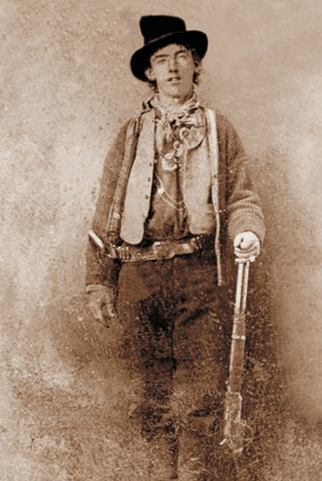
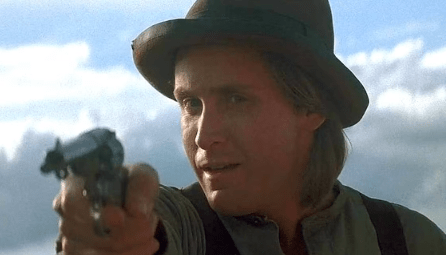

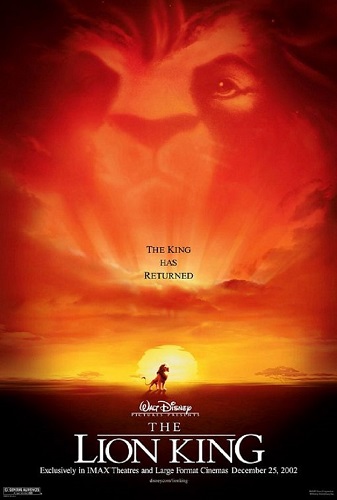
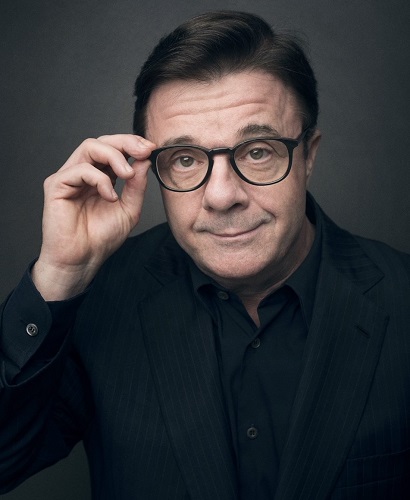


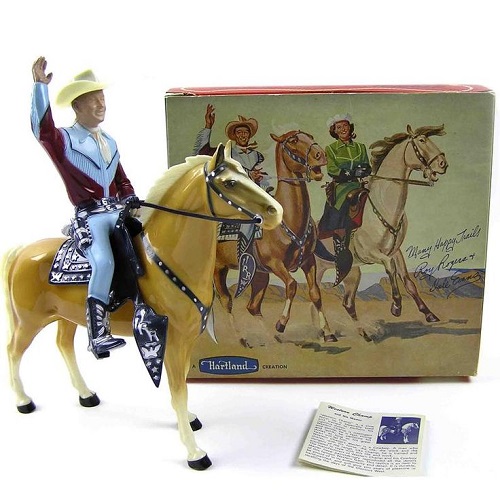
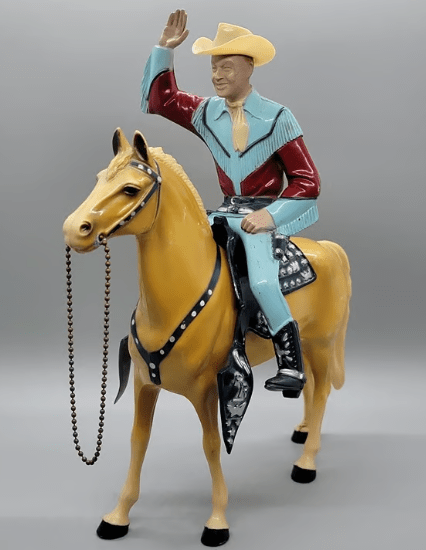


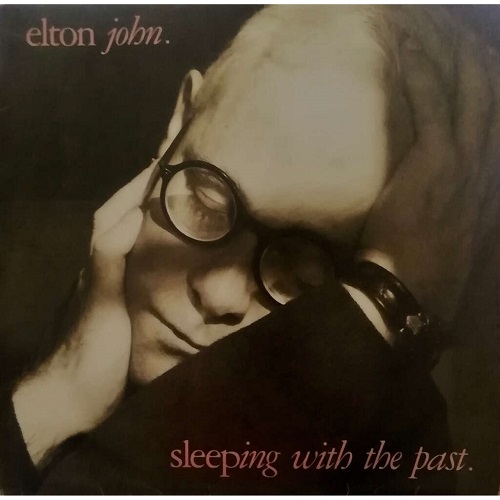
 Various Ramblings of a Nostalgic Italian