

It was on this day in 1951 that the Amos ‘n Andy Show premiered on CBS television. The show had been a huge success on radio for many years prior to this. The difference between the two? The radio program had the characters played by white actors.
The show was created by Freeman Gosden and Charles Correll and almost all of the characters on the radio show were played by them. The show was so popular that many stores and businesses closed down for the time Amos ‘n Andy were on the radio.
Hoping to bring the show to television as early as 1946, Gosden and Correll searched for cast members for four years before filming began. CBS hired the duo as producers of the new television show. According to a 1950 newspaper story, Gosden and Correll had initial aspirations to voice the characters Amos, Andy and Kingfish for television while the actors hired for these roles performed and apparently were to lip-sync the story lines.
A year later, both spoke about how they realized they were visually unsuited to play the television roles, citing difficulties with making one of the Amos and Andy films.
Correll and Gosden did record the lines of the main male characters to serve as a guideline for the television show dialogue at one point. In 1951, the men targeted 1953 for their retirement from broadcasting; there was speculation that their radio roles might be turned over to black actors at that time.
Adapted to television, The Amos ‘n Andy Show was produced from June 1951 to April 1953, and was primarily sponsored by the Blatz Brewing Company. 78 half hour episodes were eventually produced. The television series used black actors in the main roles, although the actors were instructed to keep their voices and speech patterns close to those of Gosden and Correll. It was produced at the Hal Roach Studio for CBS. The program debuted on June 28, 1951
The main roles in the television series were played by the following black actors:
- Amos Jones – Alvin Childress
- Andrew Hogg Brown (Andy) – Spencer Williams
- George “Kingfish” Stevens – Tim Moore
- Sapphire Stevens – Ernestine Williams
- Ramona Smith (Sapphire’s Mama) – Amanda Randolph
- Algonquin J. Calhoun – Johnny Lew
- Lightnin’ – Nick Stewart (billed as “Nick O’Demus”)
- Ruby Jones – Jane Adams
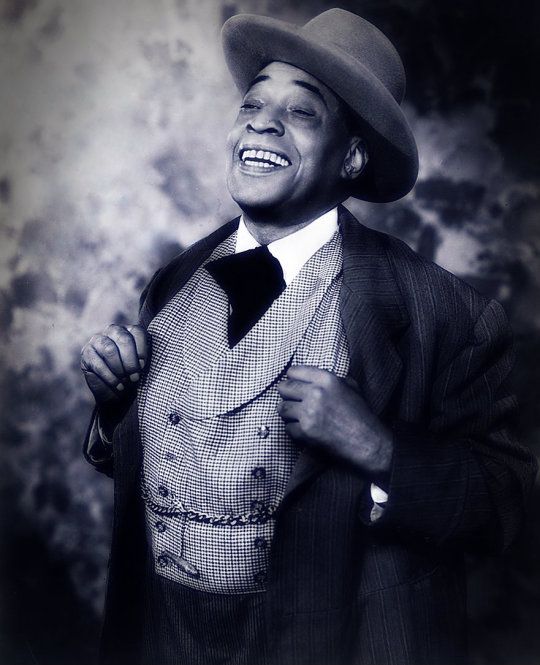
Vaudeville veteran Tim Moore as Kingfish became the undisputed star of the television version, and one of the first Black actors to achieve TV stardom. Amos, the hard-working family man, was mostly relegated to providing brief commentaries to the audience and occasionally intervening to rescue his friends from some mess of their own making. Many of the plots involved Kingfish trying to rope the naive Andy into a money-making scheme; this sometimes led to a twist ending that gave Andy the better of things. Another frequent scenario was Kingfish trying to hide some scheme or misdeed from the watchful eye of his wife Sapphire. Bachelor Andy’s roving eye for the ladies was also a source of plotlines.
The NAACP mounted a formal protest almost as soon as the television version began, describing the show as “a gross libel of the Negro and distortion of the truth”. In 1951 it released a bulletin on “Why the Amos ‘n’ Andy TV Show Should Be Taken Off the Air.” It stated that the show “tends to strengthen the conclusion among uninformed and prejudiced people that Negroes are inferior, lazy, dumb, and dishonest, … Every character” is “either a clown or a crook”; “Negro doctors are shown as quacks and thieves”; “Negro lawyers are shown as slippery cowards”; “Negro women are shown as cackling, screaming shrews”; “All Negroes are shown as dodging work of any kind”; and “Millions of white Americans see this Amos ‘n’ Andy picture of Negroes and think the entire race is the same.”
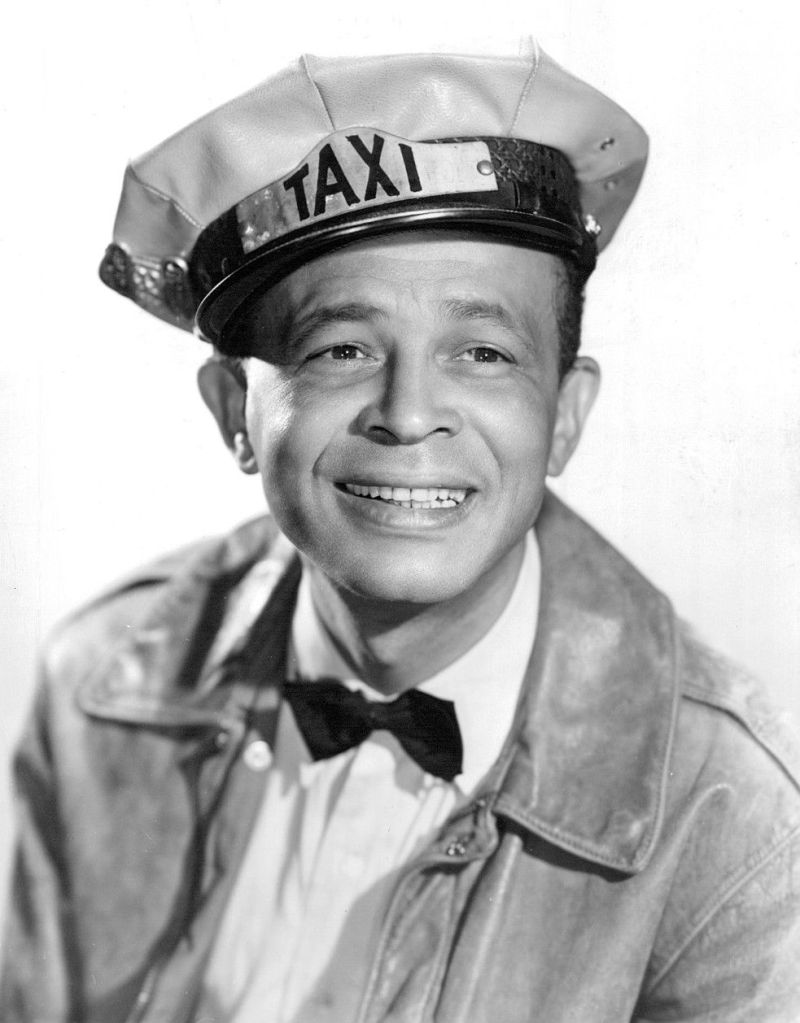
In the documentary Amos ‘n’ Andy: Anatomy of a Controversy (1983), Alvin Childress (Amos) said that he never felt that the show was that negative of a portrayal of blacks since it was the only television show at the time that showed black people as businessmen, policemen, judges and doctors rather than maids or janitors.
That pressure was considered a primary factor in the show’s cancellation, even though it finished at #13 in the 1951–1952 Nielsen ratings and at #25 in 1952–1953. Blatz was targeted as well, finally discontinuing its advertising support in June 1953. It has been suggested that CBS erred in premiering the show at the same time as the 1951 NAACP national convention, perhaps increasing the objections to it.
The show was widely repeated in syndicated reruns until 1966 when, in an unprecedented action for network television at that time, CBS finally gave in to pressure from the NAACP and the growing civil rights movement and withdrew the program. The series would not be seen on American television regularly for 46 more years. The television show has been available in bootleg VHS and DVD sets, which generally include up to 71 of the 78 known TV episodes.
A very similar thing happened with the show Life With Luigi, which featured Alan Reed (voice of Fred Flintstone). It was about Italian immigrants. It was also adapted from the radio show and first aired in 1952.
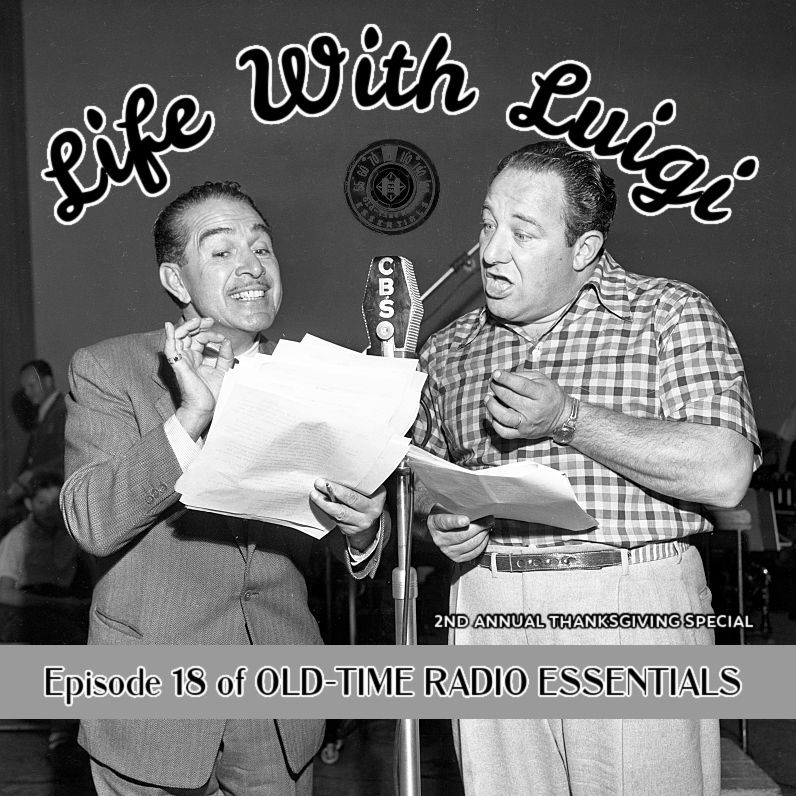
Although it enjoyed high ratings, the show was pulled because of pressure from the Italian-American community. CBS tried to respond to advertisers’ concerns by tinkering with the characters, the writing, and replacing the actors with Italian actors, but the revised show was unsuccessful and was cancelled within weeks.
In 1983, a one-hour documentary film titled Amos ‘n’ Andy: Anatomy of a Controversy aired in television syndication (and in later years, on PBS and on the Internet). It told a brief history of the franchise from its radio days to the CBS series, and featured interviews with surviving cast members as well as popular black television stars such as Redd Foxx and Marla Gibbs who reflected on the show’s impact on their careers. Foxx and Gibbs emphasized the importance of the show featuring black actors in lead roles and expressed disagreement with the NAACP’s objections that had contributed to the program’s downfall. The film also contained highlights of a select episode of the classic TV series (“Kingfish Buys a Lot”) that had not been seen since it was pulled from the air in 1966.
Growing up, I was very familiar with the radio show. It aired often on the When Radio Was show that featured classic shows from the Golden Age of Radio. It was very clear why it was the most popular show on the air. It was well written and funny!
I first saw the television show when my dad got a copy of the show on VHS from the library. It was just as funny or funnier, because the actors were so good. Their facial expressions only enhanced the comedy.
In an episode entitled Leroy’s Suits, the Kingfish is trying to get Calhoun, the lawyer, to buy one of the suits. He tries it on, the jacket is extremely big on him. When Calhoun mentions this, the Kingfish says it looks amazing on him. To prove his point he has him look in a mirror. Kingfish grabs the back of the coat and pulls it so the jacket looks like it fits perfectly. I remember laughing so hard at that.
Almost every comedy show where the plot involves a scheme to make money or a misunderstanding leads to comedy gold can find their sources in Amos ‘n Andy. It was a classic that was enjoyed by millions. It paved the way for comedy, for actors, and holds a very special place in TV (and radio) history.


 Various Ramblings of a Nostalgic Italian