

It was on this day in 1843 that Charles Dickens’ classic A Christmas Carol was first published. The first run of 6000 copies was sold out by that Christmas Eve.

I have read A Christmas Carol every year since 1982. It got me to thinking about the life lessons one can glean from the story. I read somewhere that Ebenezer Scrooge could be a good example of how one should never live as well as the way one must live. He teaches us lessons through both his selfish life as well as his redeemed life.
Bob Welch, a journalist and teacher is the author of “52 Lessons From a Christmas Carol.” He tells us exactly why the story works so well: “Beyond entertaining us, Dickens wanted to make us uncomfortable, because it’s only after we get a touch uneasy with ourselves that we open ourselves to change.”
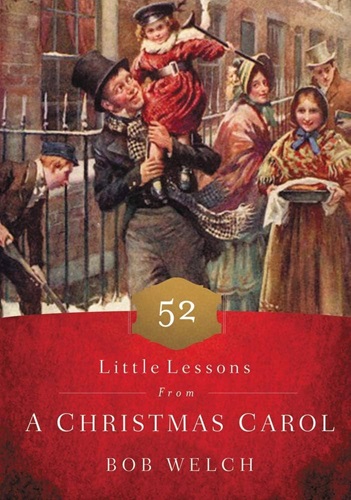
After reading the story, the reader sees that Scrooge is able to defeat a lifetime of selfishness and the worship of money to become a new man with an entirely new outlook on life. He learns how to be patient, kind and generous.
Welch’s book gives 52 lessons, here are 7:
1. Learning begins with listening. Once Scrooge understands the Spirits have his best interests at heart, he willingly lets them lead. “Spirit,” he tells the Ghost of Christmas Present, “conduct me where you will.” When we listen, we learn. When we learn, we have the potential to grow and change.
2. Humility enhances vision. Scrooge feels sorrow at past memories. He feels remorse for having treated people badly. In short, he humbles himself and pledges to do better.
3. Regret leads to renewal. Regret is not meant to be wallowed in, but regret is the rocket booster on a space shuttle that allows the craft to soar to new heights, then detaches from it and falls helplessly into the Atlantic Ocean.
4. There’s joy in starting over. On Christmas morning, Scrooge reminds us that starting over washes us in newness and gives us the energy we need to figure out difficult things.
5. We must be present to win. On Christmas morn, one of the first things Scrooge does after realizing he’s been given a second chance at life is to fling open his window. He moves from self to the world at large. He notices life around him instead of only himself.
6. Seeking forgiveness is a strength, not a weakness. Actions often say we’re sorry more than words. For example, the born-again Scrooge makes a financial pledge to one of the two solicitors for the poor whom Ebenezer all but threw out of his office the previous day. Scrooge was saying, in essence: I am sorry for being so stingy my entire life. That wasn’t easy. But it affirmed that Scrooge’s turnaround is real stuff. Humbly admitting wrongs and seeking forgiveness is a sign of strength that allows for renewal and moving forward.
7. It’s never too late to change. Nobody would have bet a pound on Scrooge turning his life around, but nobody is beyond change if they pursue it and invest in it. As someone once said, the best time to plant a tree was 50 years ago, but the second best time is now. It’s a lesson that Ebenezer Scrooge teaches us well every Christmas. Scrooge’s journey proves that anyone, no matter how hardened, can undergo profound change and embrace a better way of life.
Other Lessons one can take away from A Christmas Carol:
Actions Have Consequences: We must remember that every choice, good or bad, impacts others and shapes your own future, creating a legacy of either connection or regret. How often do we wonder about “what might have been?” That leads to the next point-
Live in the Present: I need to remind myself of this often. Being consumed by the past or future will make you miss the beauty and opportunities of today. That being said, it’s crucial to be present and engage with the world.
Your Past Doesn’t Define Your Future: Learn from your mistakes, but don’t let them paralyze you. Remember that you can choose to build a different future starting now.
Beware of Ignorance & Greed: Selfishness and obsession with money will blind you to the real meaning of life and lead to isolation, as shown by the lonely future Scrooge faces. Don’t let greed consume you.
Notice Others’ Burdens: Treat everyone with empathy, as you never know the struggles they face, much like the Cratchit family’s hardships.
Kindness and Generosity Win: Giving to others and showing compassion enriches the giver as much as the receiver, leading to true happiness, not wealth. In essence, this is the old saying, “It is better to give than to receive.”
One summary of the story states: A Christmas Carol teaches that it’s never too late to change, emphasizing redemption through kindness, generosity, and compassion, revealing that bitterness and greed blind us to true joy, while investing in people and living in the present, not just for the future, brings lasting happiness, reminding us that our actions have consequences and that we forge our own chains of regret or liberation.
Another reminds us that: In essence, the story is a powerful reminder that a rich life comes from love, connection, and generosity, not material wealth, and that a second chance at life is always available if you open your heart.





 On the ride into work, I have been listening to the audio book of The Last Lecture by Professor Randy Pausch. In 2006, he was diagnosed with pancreatic cancer. He underwent the most aggressive treatments in hopes that it would prolong his life. A year later, he was given the prognosis that the cancer was terminal and he only had a short time left. One month after hearing this news, he delivered his “Last Lecture”. He knew that it would be recorded, and he also knew that it was a way to give advice to his children, long after he had passed away. It includes stories of his childhood, lessons he wanted his children to learn, and things he wanted his children to know about him. The book is loaded with many “lessons” and bits of wisdom that many of us can apply to our own lives on a daily basis, and if you haven’t read it, I encourage you to do so.
 Various Ramblings of a Nostalgic Italian