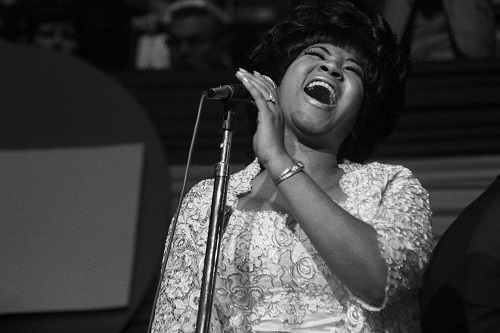
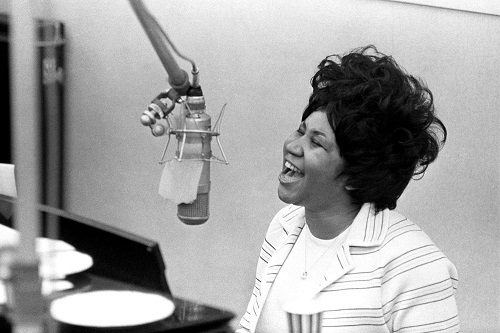
The Queen of Soul, Aretha Franklin was born on this day in 1942. She was a musical force! Rolling Stone magazine named her “the greatest singer of all time” twice.
Her songs are soul staples. The list of hits is a long one that includes “Chain of Fools,” “The House That Jack Built,” “Until You Come Back to Me,” and “Think.” I could have chosen any one of those songs, but someone would call me out for not picking her best known hit – Respect. So that’s our tune for today.
Otis Redding wrote Respect and originally recorded it in 1965, with his version hitting #35 in the US. It was Aretha’s idea to cover this song. She came up with the arrangement, added the “sock it to me” lines, and played piano on the track. After Redding heard Aretha’s rendition for the first time, he said: “This girl has taken that song from me. Ain’t no longer my song. From now on, it belongs to her.”
“Sock it to me,” became a catch phrase on the TV show Laugh In. This line is often heard as a sexual reference, but Aretha denies this. “There was nothing sexual about that,” she told Rolling Stone in 2014.
The “ree, ree, ree, ree…” refrain is a nod to Franklin’s nickname, Ree (as in A-Ree-tha). In the second verse, Franklin proclaims to her man that she is about to give him all her money, and that all she’s asking is for him to give her “her propers,” when he gets home. This term would evolve into “props,” commonly used in hip-hop in the context of proper respect.
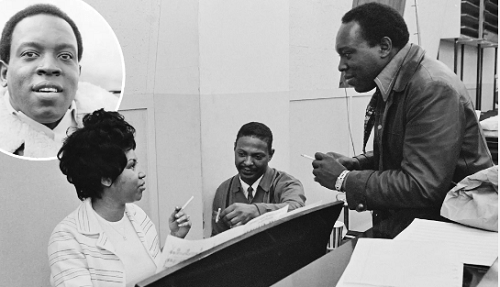
Songfacts.com says: Sax player Charlie Chalmers played in the horn section alongside King Curtis and Willie Bridges. Chalmers intended to take on the famous solo until Curtis started wailing away. He explained to Cleveland’s The Plain Dealer in 2011: “When the horn solo came up, which I was ready to play because I’d been playing it on the other takes, Curtis jumped in there and took that solo, man. He was so good. Even though he pushed me out of the way… it was the right thing to do.”
In 2017, the Royal Philharmonic Orchestra rearranged the track just a tad and gave it a new, yet familiar sound that does not take away from the original.
The thing I love about Aretha is she can perform a song 40 times and each time it will have a unique sound. An example is how she performed the song in the movie Blues Brothers 2000. It still holds the basic framework of the original, but it is just different enough to make it sound phenomenal.
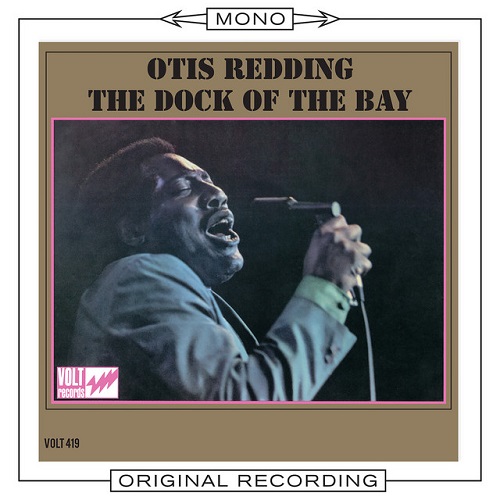
Music history was made on this day in 1968. Otis Redding’s Dock of the Bay reached #1 on the charts, making it the first ever posthumous single in the United States. Redding died in a plane crash just 3 months earlier in December of 1967. It was released on January 8, 1968.
The song was written by Otis and guitarist Steve Cropper (of Booker T & The MG’s). Otis started writing the lyrics in August 1967 while staying on a rented houseboat in California. It was there where Redding started writing the lines, “Sittin’ in the morning sun, I’ll be sittin’ when the evening comes” and the song’s first verse, under the abbreviated title “Dock of the Bay.” In November of 1967, he completed the song in Memphis with Cropper and recorded it.
Allmusic states: Redding’s restrained yet emotive delivery is backed by Cropper’s succinct guitar playing. The song is somewhat different in style from most of Redding’s recordings. While discussing it with his wife, Redding said that he wanted it to “be a little different”, to “change his style”.
There were concerns that the song had too much of a pop feel. There were discussions of contracting the Stax gospel group the Staple Singers to do some background vocals. This never did happen. Otis considered the song “unfinished” and planned to finish it, but he died before he could do so.
After Redding’s death, Cropper mixed “Dock of the Bay” at Stax Studios. He added the sound of seagulls and crashing waves. This was was Otis had requested. He did so because those were the sounds he had heard staying on the houseboat.
Today we celebrate two birthdays that have a movie tie-in. Both appeared in one of the greatest films of the 1980’s – The Blues Brothers.
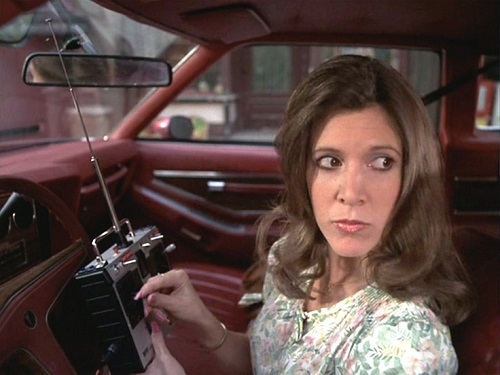
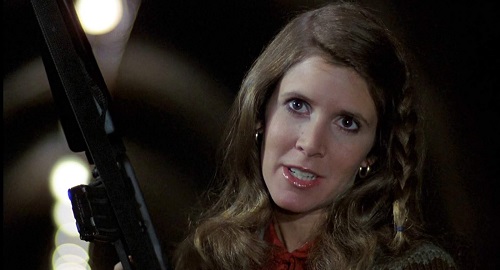
First, we remember the beautiful Carrie Fisher who was born on this day in 1956. While known for Star Wars and many other films, she appears as one of Jake Blues’ jilted girlfriends. Throughout the movie, she is hell bent on killing The Blues Brothers.
Despite having some pretty powerful and amazing weapons, she never seems to be able to get the job done. In one of the most “emotional” scenes in the film, she finally confronts Jake and Elwood. Up to this point in the film, she has been silent, but when she get’s the chance to speak, she let’s Jake have it!
Jake’s list of excuses is one of my favorite part of the film.
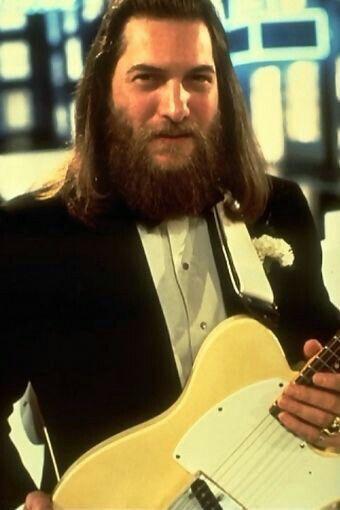
Steve “The Colonel” Cropper turns 83 today. He was a member of the Stax house band and a member of Booker T and the MG’s. He played on tracks by Otis Redding, Wilson Pickett, Sam and Dave (“Play it, Steve!”), Rufus Thomas, Johnnie Taylor and more.
He is one of the most respected guitar players in the business, and he is still making music! He was one of many amazing musicians who joined the Blues Brothers Band. So it is only appropriate to play a song from the movie. Originally done by the Spencer Davis Group, here is Gimme Some Lovin’
Welcome back to The Music of My Life, where I feature ten songs from each year of my life. In most cases, the ten songs I choose will be ones I like personally (unless I explain otherwise). The songs will be selected from Billboard’s Year-end Hot 100 Chart, Acclaimed Music, and will all be released in the featured year.
A brand new decade has dawned and I will turn 20 in 1990. It was a time of change for me, as well. I had been working at WKSG for a little over 2 years. I truly believed that I’d have that job for years, but had yet to learn how unstable radio jobs were. When I was fired, I called my old boss (now at another station in Detroit) and cried like a baby. He brought me in part time at WMXD.
As I looked through the music from 1990 and 1991, there were many songs that I played while at WMXD. When I started there, the music was a mix of Adult Contemporary and Urban songs. Eventually, they would go all Urban Contemporary and I was let go again.
One of the songs I played, I wrote about recently, but it still makes my list here. If you want to know more about Elton John’s Club at the End of the Street, you can read the earlier post here:
Next on the list is a song that was released on my 20th birthday, May 15, 1990. “Vision Of Love” was Mariah Carey’s first single. The song debuted at #73 in America, but two months later, in August, spent four weeks at the #1 spot. I remember playing this one on WMXD, as well. It was a song that really showcased her outrageous vocal range! The first time I heard her belt out that high note, I couldn’t believe it!
The original demo of the song was described as a 1950’s shuffle, but that didn’t matter. The song was good enough. Songfacts says, The original version was included on Mariah’s demo tape for Columbia. It was one of the songs that caught the ear of Tommy Mottola, her future husband and, more importantly, the head of the label’s parent company, CBS Records. At the time, Mariah was working as a backup singer for Brenda K. Starr, who invited her to a label party in Manhattan where the demo tape made its way into Mottola’s hands. After listening to the tape in his limo on the way home, he went back to the party to track down the singer. Mariah had already left and no one knew who she was. Days later, she found a message on her answering machine inviting her to sign with the label. Mottola then sent her to Los Angeles to re-record “Vision Of Love.”
Let me be honest right here. After her second album, there were not too many songs by Mariah that I cared for. I don’t know this for sure, but I feel the “business” changed her. There were a couple of songs later that were good. I felt, however, her strongest stuff was on those first two albums.
Vision of Love
The Godfather trilogy will always be my number one, but my second favorite trilogy would be Back to the Future. In 1990, Back to the Future Part III was released in theaters. I couldn’t wait to see how it all wrapped up.
ZZ Top released their Recycler album in 1990. The lead single from the album was a song from Back to the Future Part III called Doubleback. The group made a cameo appearance in the movie playing an acoustic version. That version is on the soundtrack of the movie.
Doubleback
But wait, there’s more! Consider this a Double Shot of ZZ Top. From the same album, My Head’s In Mississippi sounded like classic ZZ Top to me. I just loved the shuffle and the vocals. Billy Gibbons said:
“My buddy Walter Baldwin spoke in the most poetic way. Every sentence was a visual awakening. His dad was the editor of the Houston Post. We grew up in a neighborhood where the last thing you would say is, ‘These teenagers know what blues is.’ But our appreciation dragged us in. Years later, we were sitting in a tavern in Memphis called Sleep Out Louie’s — you could see the Mississippi River. Walter said, ‘We didn’t grow up pickin’ cotton. We weren’t field hands in Mississippi. But my head’s there.’ Our platform, in ZZ Top, was we’d be the Salvador Dalí of the Delta. It was a surrealist take. This song was not a big radio hit. But we still play it live, even if it’s just the opening bit.”
In 2008, Gibbons stated, “‘My Head’s in Mississippi,’ which was one of the first completed tracks on the album, is a great example of how we mixed the new with the old. Initially, it was a straight-ahead boogie-woogie. Then Frank stepped in and threw in those highly gated electronic drum fills, which modernized the track.”
My Head’s in Mississippi
I have never owned a pair of parachute pants. They do look comfortable, however, and it looks like you have a lot of freedom in them.
As much as I didn’t really want to include this one, I did play it a lot while DJing. It always got folks out dancing, then again, so did Super Freak by Rick James. Believe it or not, James did NOT give Hammer permission to use the song.
Songfacts explains: Rick James tried to keep rappers from sampling his music, turning down any requests. According to James, his lawyers authorized the “Super Freak” sample without his permission. He heard about it when a friend told him about “U Can’t Touch This” and the song came on the radio they were listening to in the car. James said he was irate, but somewhat appeased when he found out how much money it was making for him. Still, he claimed he wouldn’t have done the deal if he was asked.
James had another beef as well: he wanted to be listed as a songwriter on “U Can’t Touch This.” He sued MC Hammer for credit. The case was settled out of court, with James getting listed as a co-writer on the track along with Hammer and Alonzo Miller. Miller was a disc jockey who wrote some lyrics on “Super Freak.”
He recorded the song at Capitol Records, where Frank Sinatra, Nat King Cole, and Dean Martin recorded, The label ran an innovative marketing campaign to promote this song. They mailed out free cassette singles of the track to 100,000 kids. The cassettes came with a letter from Hammer asking them to call MTV and request the video. The ploy worked, and the video became the most-played of 1990 on the network.
U Can’t Touch This
I don’t remember when my ex-girlfriend had sent this song to me. It was probably after we broke up the first time. I say that because I believe that this song is what led us to getting back together eventually. I remember being pretty messed up after the break up. I did end up dating someone else.
I don’t recall how my ex and I began chatting again, but it led to her giving me this song. I really loved and cared about my ex. I broke it off with the gal I had been dating to get back together with my ex. It was really unfair to her, but I was 20, almost 21, and didn’t really know any better.
While we enjoyed some very good times the second time around, it didn’t last. She broke up with me again, which led to me always wondering what I did to cause he to leave. Anyway, I tell you all that to play Cuts Both Ways.
Cuts Both Ways
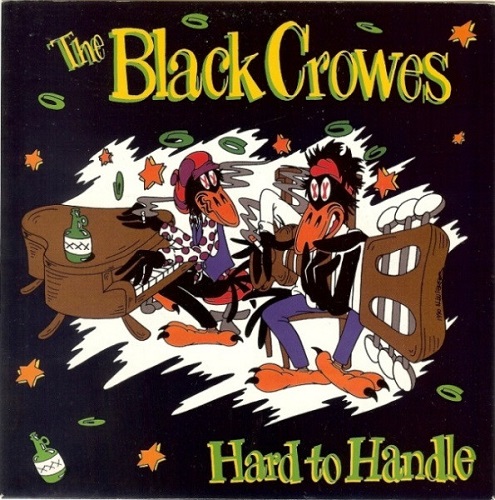
In 1967, Otis Redding wrote and recorded his version of Hard to Handle. He wrote it with Allen Jones and Al Bell and the track was produced by the legendary Steve Cropper. It was released in 1968 (after his death) as the B-side to his song “Amen.”
The song was first covered in 1968 by Patti Drew. The Black Crowes covered the song on their debut album, Shake Your Money Maker. Two versions of the song exist. First, the original album version and the hit single remixed with an overdubbed brass section. The latter is available on the 30th Anniversary edition of Shake Your Money Maker.
Songfacts says: This was The Black Crowes’ third single, following “Twice As Hard” and “Jealous Again.” It made #45 in the US in December 1990, as the group was rapidly gaining momentum. After “She Talks To Angels” hit #30 in May 1991 – over a year after the album was released – “Hard To Handle” was reissued, this time going to #26 and becoming the highest-charting single for the band on the Hot 100.
This has always been a song that I love to crank up. It’s funky and fun!
Hard To Handle
My next song is another one that I played while at WMXD. I was familiar with James Ingram before I worked there and always liked his voice. I Don’t Have The Heart was his only solo number one song. The song won him a Grammy Award for Best Male Pop Vocal Performance in 1991.
The song was written by the duo of Allan Rich and Jud Friedman. It was the first song they wrote together. Speaking about Rich’s lyrics, Friedman told Songwriting Magazine, “Allan says he’s not a poetic lyricist, and he’s not a flowery lyricist. He is very conversational, but in a good way, and that has its own poetry. It’s the poetry of reality and the poetry of life and interactions. And the thing about I Don’t Have The Heart, among many brilliant things about Allan’s idea for the song, is it’s an example of taking a phrase that’s very well known, ‘I don’t have the heart,’ and flipping it. ‘I don’t have the heart to hurt you but I don’t have the heart to love you.’ He used it in two different ways, and that was poetic. We’ve all been there, sometimes wearing one of the shoes and sometimes wearing the other.”
That was the thing that caught me, too. The flip. I love when a lyric does that.
I Don’t Have the Heart
Whitney Houston hadn’t been on the radio since 1988. While she had her fair share of uptempo songs, but I feel like radio played more of her ballads. So the first time I played I’m Your Baby Tonight, I was wowed by it.
According to Songfacts:
By the time Houston released her third album, I’m Your Baby Tonight, she was coming off of a three-year hiatus. Prior to this, she had a record-breaking string of seven consecutive #1 singles on the Billboard Hot 100. The problem was, her record label felt she was losing touch with her black audience. Houston balked at the claim, telling USA Today, “I don’t sing music thinking this is black, or this is white… I sing songs that everybody’s going to like.”
But producers L.A. Reid and Babyface agreed with the assertion. Reid told Billboard: “We wanted to come up with something that was different than anything Whitney had sung. So we approached it from that angle. We wanted to give her a new direction, and pick up where we felt she was lacking. We felt like she needed more of a black base.”
It definitely was a fresh sound for her, but I don’t know hear it as “more black” or “more white.” To me, it is just a great song!
The Julien Temple-directed music video shows Houston in the guise of different pop culture figures. They include silver screen siren Marlene Dietrich, Audrey Hepburn, and all three of The Supremes.
I’m Your Baby Tonight
Allow me just one more song from my WMXD days. Let me set this up for you. When I was at WKSG, these two sweet old ladies always called to request songs. They were sisters named Virginia and Dorothy. They always seemed to call toward the end of my overnight shift.
Virginia suffered with respiratory issues, so it took her a bit to say what she wanted. She would get a couple words out and have to take a breath. She had emphysema and really struggled to breathe.
Dorothy, on the other hand, was always on the go. She was always talking about where she was over the weekend. She was always at a party or something, even though she didn’t drive. She took a bus or Your Ride where she needed to go.
When I told them that I was leaving the station, Dorothy gave me her address to keep in touch. When I moved to Ludington, she and Virginia wrote me often. Eventually, communication was over the phone. When I moved back home, we actually ran into each other at a Weight Watchers. meeting.
I was closer to Dorothy, and she would invite me to stop by for coffee. She always had some sort of baked good ready. She was born the same day as Frank Sinatra. She was such a sweet friend. I am sure that I lost touch with her after I married my ex, and was sad to hear that she (and her sister) had passed away.
She once told me that she didn’t like all of the music we played at WMXD. One song she loved was The First Time by Surface. This song went to number one on the Billboard Hot 100. Whenever I hear it, I think about my friend and am grateful to have known her.
The First Time
Robert Palmer’s Don’t Explain album was very different. It contains 18 tracks and a variety of styles. There is R&B, Rock, Jazz, and more. It also includes some cover songs. I love the track “Top 40” because it swings a bit with a great sax line. It, however, wasn’t released as a single.
The song that is closest to what he had success with in the 80’s is You’re Amazing. I love the guitar line in the song. Billboard said, “Palmer’s reliably strong soul stylings added to headbanger guitar riffs and sweet background harmonies proves to be a quirky, but potent, combination.”
I don’t know that I would call the guitars “headbangers,” but I suppose they are a bit harder than Palmer usually presents. Now, the background harmonies – yeah, I dig those!
You’re Amazing
1990 Bonus Song
I just can’t pass up one song. It is a song that my best friend, Jeff, and I still laugh about. I can’t be sure who heard this first, but I know we laughed about it for years. The idea of taking the voice from a 1970’s instructional dance record and incorporating it into this is brilliant. The Bingo Boys did just that!
It is this vocal part from that record that makes us laugh so much. I cannot even being to picture a couple in their living room trying to learn a dance to that guy! It is so absurd that after a few of his lines, Princessa jumps in to shut him up. “Act like the end of a record and fade out …” is the lyric. I think that’s an awesome line.
The Bingo Boys were a trio from Austria. The song was actually released in the US first. It was released in the UK in 1991. It went to number one on the Hot Dance Club Play chart and reached number 25 on the Hot 100.
The song borrows heavily from a number of earlier recordings, including “Dance, Dance, Dance (Yowsah, Yowsah, Yowsah)” by Chic, “Dance (Disco Heat) by Sylvester, “Kiss” by the Art of Noise and Tom Jones, the popular James Brown “Yeah! Woo!” sample loop, the bassline motif from Mantronix’s single “Got to Have Your Love”, and a synth motif from The Whispers’ “And The Beat Goes On”. See if you can catch them all ….
How To Dance
That’s a wrap on 1990. Next week, we’ll check out 1991. That was the year I turned 21 and moved out for the first time. What kind of surprises will pop up?
Did I miss any big 1990 songs from your list?? Drop them in the comments!
Welcome back to The Music of My Life, where I feature ten songs from each year of my life. In most cases, the ten songs I choose will be ones I like personally (unless I explain otherwise). The songs will be selected from Billboard’s Year-end Hot 100 Chart, Acclaimed Music, and will all be released in the featured year.
I turned sweet sixteen in 1986. MTV was 5 years old and music videos were becoming more and more iconic. To make that point, we kick off my list with a video that is often listed as one of the best of the 1980’s.
Robert Palmer released Addicted to Love in January of 1986. It was accompanied by a video where he is singing in front of a “band” of beautiful women who look exactly alike. They wear lots of makeup and identical outfits as they pretend to play the instruments.
According to songfacts: the funny thing about the video is that the models posing as a band were selected precisely because they did NOT know how to play the instruments. As a result, each girl is keeping her own time and moving to a different beat. The video is constantly parodied, including in a Pepsi commercial with Britney Spears.
You might say the song came to Palmer in a dream. It all started with a guitar riff that came to him in a dream one night. He told Q magazine in 1988, “That noisy riff woke me up. I went downstairs, got out the tape recorder, then went back to bed. Next morning, I thought, Phew, caught one there!”
From the “What Might Have Been” file: Palmer wanted this song to be a duet with Chaka Khan, and he almost got his wish. He recorded it with her, but Chaka’s label, Warner Brothers Records, would not allow her voice to be used on the record, so Palmer had to erase her part and re-record her high notes before releasing it.
If you’re going to be addicted to something, love is a good thing, wouldn’t you say?
Addicted to Love
Next, we have a song whose video was like nothing that had been done before. Depending on the source, some say it was the 4th most played video on MTV. The video is so fun to watch, you may actually forget that the song is full of sexual innuendos.
Sledgehammer was a BIG number one song for Peter Gabriel. It was his first solo number one. It actually bumped his old band, Genesis, out of the number one spot.
The song was influenced by the ’60s soul music Gabriel listened to as a teenager, in particular Otis Redding, who Peter saw perform at the Ram Jam club in London in 1967. The horn section was typical of this sound. As a matter of fact, the horn section that he used was the legendary Memphis Horns, who played on several hits from Stax Records.
The wildly innovative video was directed by Stephen R. Johnson and featured stop-motion claymation techniques. It swept the MTV video music awards in 1987, and is considered a major breakthrough. It was a bit hard for Gabriel, though. He once remembered how he spent 16 hours lying beneath a heavy sheet of glass for the video, while each frame was shot, one after the other.
I’ve always felt that this song had at least some influence in the blues. It just sounds like a great blues song to me.
Sledgehammer
Songfacts says that this song has a lot of haters and has appeared on various “worst of” lists over the years. An example: it was listed #1 on VH1’s 40 Most Awesomely Bad Metal Songs. As a Michigan guy, I can tell you that they used this song as the Detroit Pistons theme song for years. Heck, they use this song at all kinds of sporting events.
Europe’s The Final Countdown is like an anthem. The iconic keyboard riff was composed by lead singer Joey Tempest five years before the song was recorded. The band’s keyboard player Mic Michaeli had lent him the instrument.
Despite writing the song, Tempest still cannot believe the success. He said, “It was quite a surprise that the song ‘The Final Countdown’ became such a big hit because it was written for the band, it was written for our concert, it was written to be the opening song in our concert. It was almost six-minutes long, it was never intended to be a short pop hit or anything, it was very much a surprise and its been used for all kinds of events, anything from Formula 1 to boxing. It’s been used a lot.”
I liked this song before Arrested Development aired on Fox, but came to love it even more because of the way they used it on the show. Will Arnett is a magician on the show and they often used the song as background music as he performed his “illusions.” The song only made a very funny scene, even funnier for me.
The Final Countdown
The next pick is not quite a duet, but it brought back a legendary voice and put her back in the spotlight. It almost didn’t happen, but Eddie Money stepped in and made it happen.
My favorite track on Eddie Money’s Can’t Hold Back album is Take Me Home Tonight. The song is based on The Ronettes’ 1963 hit “Be My Baby,” and features their lead singer, Ronnie Spector, on the chorus performing her famous line, “Be my little baby.”
At first, the song was going to be a duet with Martha Davis, lead singer of The Motels. Eddie, however, wanted “the real thing” (Ronnie) on the song, so he called her to ask, telling her, “This is a tribute to you. The song is all about you.” According to Spector, she got on board as soon as she heard the lyric, “Listen honey, just like Ronnie sang… be my little baby.”
“When they said that, I was sold,” she told Entertainment Weekly. Spector says Money was very excited when she showed up to record it. “He was a crazy person – freaking out in the studio, going, ‘I’ve got the real Ronnie Spector singing ‘Be My Baby’ on my record!,'” she said.
This cracks me up because I can see Eddie going crazy. He was a bundle of energy. Every time I interviewed him on the radio, it was hard to get a word in because he would just chat away with that “Eddie Money” energy!
Take Me Home Tonight
It must have been the summer of 1987 when our band took a trip to Cedar Point. I am not a ride person, so I hung out with guys who also didn’t ride them. As we walked the streets of the Point, we saw a “You Be The Star” booth. I suppose you would call it an early form of Karaoke.
There was a book that listed a bunch of songs that they had a music track from. They ushered you into this little recording booth with a microphone and headphones. I don’t remember if you got to rehearse the song first, but I thought that was the case. At the end of the session, they played your song on the speakers for all to hear and you got a cassette of the tune to take home. It cost a pretty penny to do and the music tracks were very cheap sounding.
I had some money and made a tape of Mack the Knife for my grandma (which was awful). I sounded so bad on it. Then, me and my three friends chose Hip To Be Square. I had heard the song before, but didn’t know it well enough to sing the lead. My buddy, Steve knew it and sang it like he had a record deal! Chris and I were satisfied enough to be the “Here, there and everywhere” guys.
The music video was directed by the team of Kevin Godley and Lol Creme, who made some of the most innovative videos of the ’80s. They got a distinctive look by using a medical camera – the kind doctors use to see inside the human body. They had the band perform the song a few times a few feet away from the camera, and did the heavy lifting in post production – the band loved it because it was so easy for them. The resulting video contained angles previously unseen on MTV, including one from the point of view of the drumsticks. It was nominated for Best Experimental Video at the 1987 Video Music Awards.
Hip To Be Square
The next pick is one that didn’t mean much to me in 1986, but two years later it sure did. I remember early in my senior year receiving a ballot in which I was to vote on our class song. Honestly, I don’t remember what songs we were picking from, but I do recall some of them being not very “class song-like.”
Our class chose Time to Remember by Billy Joel. It was the third single from his The Bridge album. The chorus is about looking back on the good times with appreciation and gratitude, making it a perfect song for proms, graduations, and just about any occasion where memories are shared:
This is the time to remember ‘Cause it will not last forever These are the days to hold on to ‘Cause we won’t, although we’ll want to
Our teachers told us that the high school years would fly by. We never really felt that, especially during some boring lecture. Of course, the senior years goes by the quickest. Those lyrics should have been posted somewhere for every one to see, because by the time I heard them, and the meaning sunk in, it was graduation day.
I’m reminded of a quote from Ed Helms’ character Andy on the final episode of NBC’s The Office:
“I wish there was a way to know you’re in the good old days before you’ve actually left them.”
I don’t have to tell you, especially if you are a regular reader, that those days are definitely a time I remember, and remember them fondly!
Time To Remember
The group Cameo was formed in 1974, however, it wasn’t until 12 years later that they had their first Top 40 Hit. Word Up was the title track from their 13th album! The song was written by band members Larry Blackmon and Tomi Jenkins.
“Word Up” is a saying that was popular in New York and other urban areas in the US that acted as an affirmation of what was said, kind of a hipper “you bet.” Blackmon said this about the song:
“It just sounded good, and it was before its time. You can play “Word Up” anyplace anywhere, and someone is going to be grooving and bobbing their head. Our sound was unique, as well. I haven’t heard another one like it, and we probably won’t hear another one like it in the future. It was that significant for us.“
This was one of those songs that everyone at school seemed to be singing as they walked down the hall to class. We all seemed to know the words.
It got a lot of radio airplay and MTV played the video a lot. I’ve seen the video many times before, but I had forgotten about a neat cameo. (LOL – a cameo in a Cameo video!) Watch for Star Trek: The Next Generation’s LeVar Burton as a policeman.
Word Up
I am almost 100% against remaking movies. I feel the same way about television shows. Music on the other hand is a bit different. When an artist covers a song, they bring to it their own interpretation of the song. Think of all the different versions of an old standard like “Georgia on My Mind.” Off the top of my head I can throw out 5-8 versions that I absolutely love.
I remember the first time I heard the Art of Noise doing Peter Gunn. I was in the car and I thought, “What in the world is this?” The more I listened the more intrigued I was. I was impressed with how close the guitar sounded like Duane Eddy. Of course, I was even more surprised to hear that it WAS Eddy!
It didn’t do much on the charts, but the sound was so different and unique that I had to go pick up the tune. The video was a private eye parody with comedian Rik Mayall as the detective. The song was a Grammy winner, as it took home the award for Best Rock Instrumental Performance.
Peter Gunn
I mentioned that Sledgehammer had a bit of a blues sound to it earlier, and so does this one. Take a little blues and mix in some rock and you get some good stuff from The Fabulous Thunderbirds.
The title track from their Tuff Enuff album was a top 10 record for the group in 1986. They are often considered to be a one hit wonder band, but their song Wrap It Up was a minor hit. Kim Wilson wrote it and sings lead on the song.
The song is about a guy who will do pretty much anything for his gal, including wrestling with a lion or a grizzly bear, swimming the sea, put out a fire, and fight Ali. He’d even walk ten miles on his hands and knees, which really isn’t walking I suppose, but walk sounds better than crawl.
There is so much I love about this song, the syncopated guitar lick, the lyrics and the attitude. It made for a perfect sing along driving song.
Tuff Enuff
My last pick is another cover song, and this one I think tops the original and most of the other versions. That is saying a lot, because I am not the biggest Beach Boys fan.
California Dreamin’ was a hit for the Mamas and the Papas. It was written by John and Michelle Phillips. Barry McGuire (who had a hit with Eve of Destruction in 1965) actually recorded it first with the Mamas and Papas singing backup. They, of course, recorded their own version of the song soon after.
The Beach Boys recorded it for their Greatest Hits album, Made in U.S.A. The song was produced by the great Terry Melcher and had Roger McGuinn of the Byrds playing the 12-string guitar on it. Naturally, there was a video which featured McGuinn along with every living member of The Beach Boys and the “California Dreamin'” songwriters, John and Michelle Phillips. This primed the group for a big comeback two years later with their #1 hit “Kokomo.”
There are so many things about this song that I just love. That opening 12-string is fantastic. With the opening line, you get it and an echo of it which I thought sounded cool. Even cooler, after the line “and the sky is grey” there is that rumble of thunder that makes you feel the chill of the wind and the anticipation of a storm. Then there is that fantastic harmony! It is perfect for this song. Finally, their version opts for a jamming sax solo and loses the wimpy flute solo used in the Mamas and Papas version. That sax aids in conveying a “haunted sounding ending” as the song begins to fade away.
The song never hit the Top 40 on the Hot 100 chart, but on the Adult Contemporary charts it went to number 8.
California Dreamin‘
Next week, we’ll take a look at 1987. I’ll feature two fantastic duets, we’ll shake, rock, and roll, and hear about 6 beautiful ladies … er, 5.
What was your favorite from 1986? Tell Me about it in the comments. See you next time….
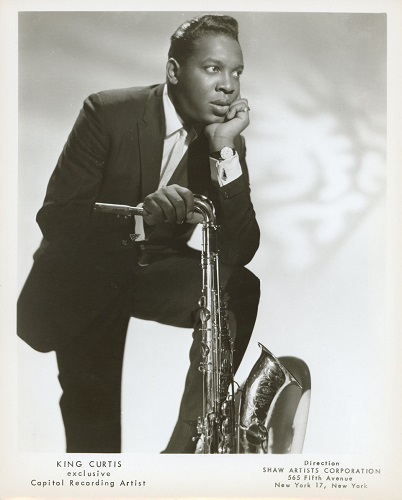
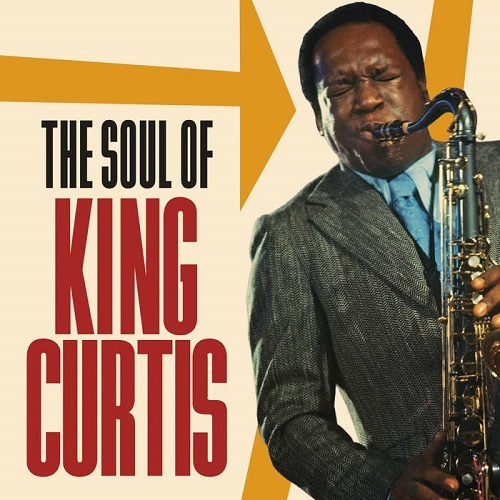
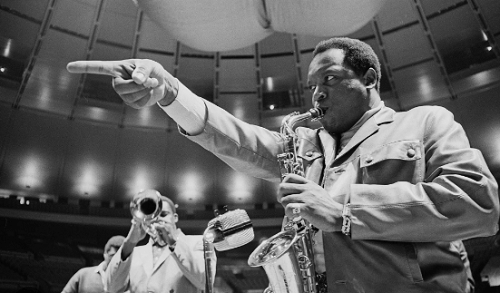
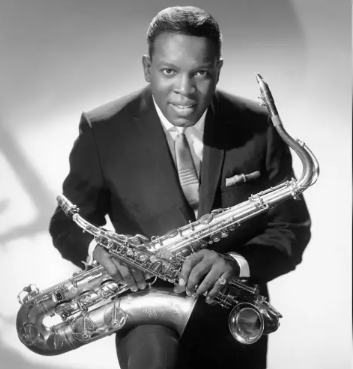
The song for today is a familiar one, despite its age. The reason I pick this one is to remember one of the greats who passed away on this day in 1971. Perhaps you don’t know him by his real name, Curtis Montgomery, or his adopted name Curtis Ousley. If you are a music lover, I would hope that you are familiar with his stage name – King Curtis. He was one of the all time great saxophonists and had quite a career.
Curtis began playing saxophone at age twelve and liked a variety of music. He turned down college scholarships to join up with the legendary Lionel Hampton band where he wrote and arranged music. In the early 1950’s he left the band to go to New York. He became an on call session musician for labels like Atco, Prestige, and Capitol Records. He recorded with Clyde McPhatter, Bobby Darin, Buddy Holly, Jimi Hendrix, Andy Williams and was on Waylon Jennings first record. He also made his own records like “Soul Twist” (with his Noble Knights) in 1962.
In 1967, Aretha Franklin covered Otis Redding’s Respect by flipping the gender and presenting it from the female point of view. The song featured Aretha’s sisters, Erma and Carolyn on the repeated “sock it to me” line and King Curtis on the saxophone solo.
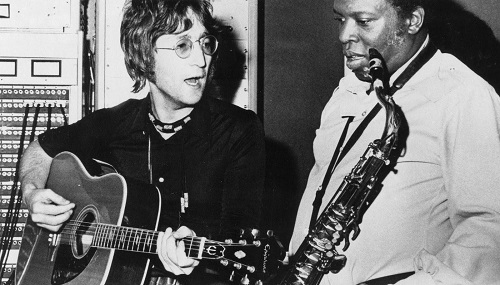
In February of 1971, John Lennon started recording tracks for his Imagine album. When Lennon, Yoko Ono and Phil Specter were mixing and finishing the album, John must have felt that he needed something more on a couple tracks. Apple’s Allen Steckler said, “John knew he wanted a sax player and it was his idea to use King Curtis. He asked me to get him. I found his agent and booked him. John played him the tracks and told him the kind of feel he wanted. He went into the studio and played his ass off. John loved it, as did Phil Spector and all of us.“
Curtis recorded his parts for the album in July of 1971. He can be heard on Lennon’s “I Don’t Want to Be a Soldier Mama” and “It’s So Hard.”
Long before all of that, Curtis decided to move towards playing rhythm and blues in part because it was a more lucrative career choice, but he also loved the music. It was in 1958 that he became widely known for his unique saxophone work when he played on The Coasters hit “Yakety Yak.” The sound that Curtis unleashed earned him some fame and influenced the sound of R&B the saxophone. He developed a strong relationship with The Coasters, becoming their go to sax man and contributing to arrangements as well on a string of hits that included “Charlie Brown,” “Along Came Jones,” “Shoppin’ For Clothes,” and more.
Saxophonist Boots Randolph was so influenced by the “Yakety Yak” solo that he altered the melody a bit and made it his own song called “Yakety Sax” (which played prominently on the Benny Hill Show). That song only further exposed the King Curtis sound.
On the night of August 12, 1971, Curtis was attempting to access the fuse box to his house (his central air conditioning system was tripping the breaker) when he confronted Juan Montanez, who was loitering on Curtis’s front steps with an unidentified female. A fight ensued and Montanez stabbed him. Curtis was found on the steps outside his apartment and was taken to New York’s Roosevelt Hospital where he died early on the morning of August 13, 1971. He was 37 years old.
So today, on the 53rd anniversary of his passing, check out the great King Curtis with the Coasters on the classic, “Yakety Yak.”
This blog is part of the next installment of Dave from A Sound Day’s Turntable Talk. This time around, the subject is “cover songs.” Per our instructions:
This time around, wanting to get your thoughts on Cover Songs…what makes a really good one, maybe what your favorite bold one is. Do you like ones really faithful to the original, or ones that spin it in an altogether direction? Or conversely, what one is atrocious to you & why.
By ‘bold’ I mean covers of songs that were already known, and hits. I won’t set any minimum guidelines but as examples, most people never heard The Arrows version of ‘I Love Rock n Roll’ or The Clique’s ‘Superman’ so it was easy for Joan Jett & REM respectively make them their own. But to do a Beatles song, like Joe Cocker did only a couple of years after the original was released… that took …something.
So what cover songs work great for you?
Cover Songs
If you do a Google search on “cover songs,” there are plenty of links to articles containing lists of “the best” ones. There are also links to video’s that feature countdowns and lists of “best and worst” cover songs. Those lists, no doubt, will include: Twist and Shout by the Beatles, Proud Mary by Ike and Tina Turner, Hurt by Johnny Cash, Last Kiss by Pearl Jam, Mony Mony by Billy Idol, All Along the Watchtower by Jimi Hendrix, and many many more!
Many people are unaware that some of their favorite songs are actually cover songs. A lot of the early Rolling Stones and Beatles songs were actually covers of songs they loved by other artists. In a way, a cover song is the ultimate “hat tip” to a band’s early influence.
Personally, I tend to love cover songs. If you were to grab my iPod, that becomes very clear! I recall a time when I was married to my ex-wife and her iPod was dead. She wanted to go walk and asked if she could take mine instead. Upon returning home, she said to me, “How many different versions of a song do you need?!”
Cover Song Example
Dave asked “what makes a good” cover song? He also asked, “Do you like ones really faithful to the original, or ones that spin it in an altogether direction?“
It is difficult for me to say what exactly makes a good cover song because I think it can be one that is faithful to the original, spun in a different direction, or a mixture of both of those elements. Take for example, the Rodgers and Hart song – Blue Moon.
The song was written in 1934. There were recordings made as early as 1935. One of the best known versions is the Doo Wop hit from 1961 by the Marcels. Dean Martin did a stripped down version with piano and drums that was performed as a slow ballad. Frank Sinatra’s version was more “swingy”. Sam Cooke’s “bounced” and in 1997 a swing band called the Jive Aces covered it as a bouncy boogie woogie sounding cover. Every single version I mentioned, I like for different reasons.
Some of My FavoriteCovers
If I were to make a list of all the cover songs I have on my iPod and feature one a day on my blog, I would have enough songs to write about for about 6 months! Instead, I grabbed a piece of paper and off the top of my head started jotting down the cover songs that came to mind. I gave myself 5 minutes to do this and came up with about 18 songs. The reality is that I know that I will complete this blog and after it posts say, “Oh, man! I forgot (insert cover song here)!” That’s ok.
While it may be hard for me to tell you exactly what I love about cover songs, maybe by giving some examples of some of my favorites, the music will answer the question for both of us.
The first three I came up with are all from movie soundtracks. There is no shortage of cover songs in the movies. These covers will often give new life to old songs – examples include Sweet Child of Mine by Sheryl Crow from Big Daddy, Hallelujah by Rufus Wainwright from Shrek, Hazy Shade of Winter by the Bangels from Less Than Zero, Girl You’ll Be a Woman Soon by Urge Overkill in Pulp Fiction, and, of course, I Will Always Love You by Whitney Houston in The Bodygaurd.
Johnny B. Goode – Marty McFly and the Starlighters
From Back to the Future, this is the song Marty McFly plays at the Enchantment Under the Sea Dance. In the movie, He goes off on a Eddie Van Halen type solo and the entire crowd looks at him stunned. On the soundtrack, however, there is a full version with an additional verse not in the movie. What I love about this version is the stripped down instrumentation, the saxophone and piano, and the whole feel of it. It really sounds like an “early” version of the song. It’s actually quite good.
From the soundtrack of Honeymoon in Vegas, which contains some very good Elvis covers. This one is my favorite. It has the feel of the Elvis version, with a little “boogie woogie” piano feel to it. Simple background vocals enhance the Billy Joel version. One addition I love is the bass drum hit after he sings, “I’m in love ….”
I stumbled on this by accident. This cut was used in the movie Little Big League. I’ve always been a fan of Fats Domino, but this version is just so much better. It has “meat” to it. The driving bass line keeps it moving, the piano is still there, and those saxes in the background – LOVE them. Add the electric guitar and Taj Mahal’s vocal to the mix and it is just perfect! This is one that I find myself listening to at work when I need a “pick up”
Phil Phillips did the original of this, but how can you NOT love this version?! First and foremost, you have Led Zeppelin’s Robert Plant and Jimmy Page as well as Jeff Beck in the group! Add a beautiful string arrangement and background singers to compliment them and you have a top 5 record!
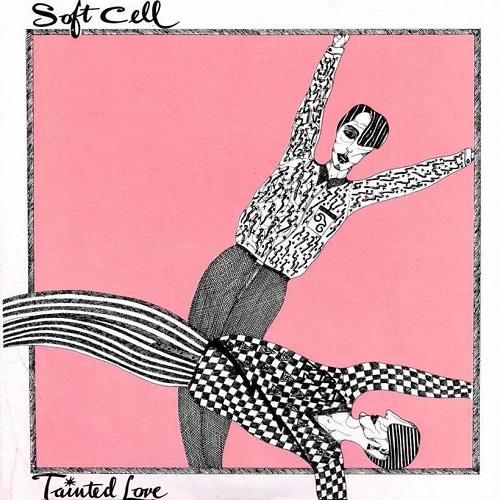
Not many people are aware that this is actually a cover song. It was originally done in 1964 by Gloria Jones. The song was written by Ed Cobb, who was in the Four Preps, and was actually the B-side of a song called My Bad Boy’s Comin’ Home. The original had a “Motown” feel to it, while Soft Cell certainly has more of an 80’s feel to it.
This one was written and recorded by the legendary Otis Redding. Otis’ version is already great, but I love this one equally. It certainly has a great feel to it. It doesn’t sound dated at all. It’s funky and a great jam!
The original was done by Johnny Burnette, who was known for rockabilly, in 1960. It’s not that I dislike the original, I just think Ringo’s version is … more fun. For years I thought Paul McCartney was playing Kazoo in this, however, one article says, “Michael Verity has quoted the song’s producer Richard Perry as revealing that it wasn’t actually a kazoo: “In fact, the solo on ‘You’re Sixteen,’ which sounds like a kazoo or something, was Paul singing very spontaneously as we played that track back, so he’s singing the solo on that.” Ringo’s version remains one of the few No. 1 singles to feature a ‘kazoo-sound’ solo. (It sure sounds like a kazoo to me!) I also love the driving piano bassline in his version.
Originally done by the Beatles, this is almost a carbon copy of the Beatles version. I like it because I think Steven Tyler’s vocal perfectly fits the song.
Elvis did his share of covers, and this is one that comes from his Aloha From Hawaii concert special. I have always preferred this version to the James Taylor version. To me, it is more “bluesy.” I love everything about this cut!!
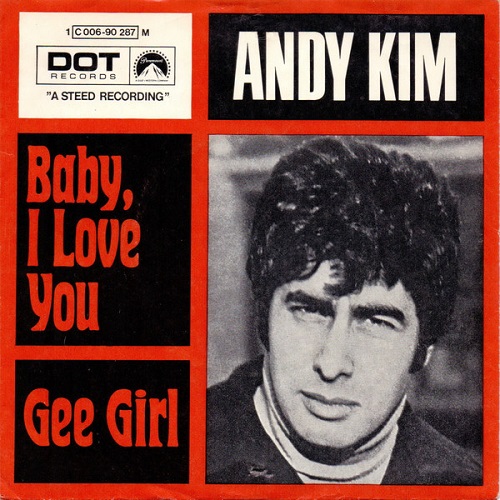
This one was originally done by the Ronettes in 1963 and featured Phil Spector’s “wall of sound.” Andy Kim recorded his version in 1969 and had a top 10 hit with it. It mimics the “wall of sound” but if you listen in headphones, there is a lot of little stuff going on in the background – jingle bells, glockenspiel, castanets, and more. I remember hearing it a lot as a kid.
This remake I stumbled on by watching MTV!! The original was done by Ivory Joe Hunter in 1956. I remember seeing the Title and Artist show up on the bottom left side of the screen when the video started and couldn’t believe that Dean Martin was on MTV. He recorded it for his The Nashville Sessions Album and I love that it stays true to the original, yet is purely Dean.
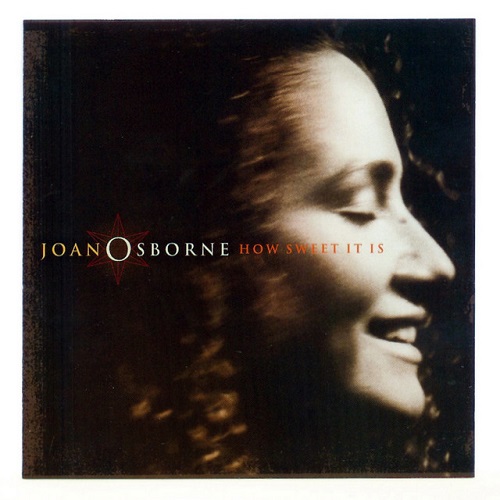
It better be good if you are covering the Queen of Soul, Aretha Franklin, and this one is! Aretha did the original in 1968 and then covered herself for a version in the Blues Brothers. I don’t remember how I stumbled on Joan Osborne’s version, but it is different enough that I love it. It has such a cocky attitude to it. Dig it –
Originally done by Wilson Pickett, this is one of greatest soul songs of all time! I heard this on the Blues channel on Sirius XM and fell in love with it. I’ve always dug Buddy Guy and while this stays pretty true to the original, it has a sound of its own!
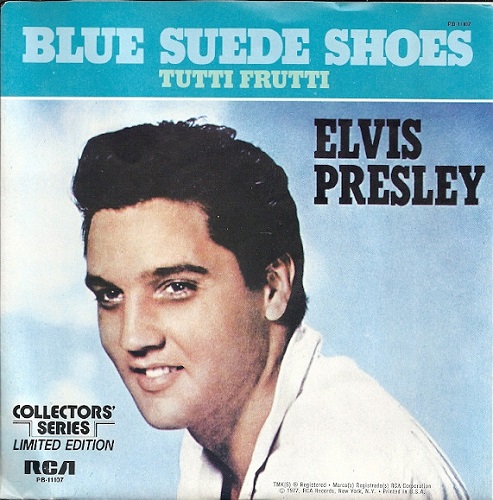
Carl Perkins seemed to have all of his songs covered and many times, his songs became associated with the other artist rather than him. That’s the case with Blue Suede Shoes – it is Elvis. Elvis’ version is so much better than Carl’s in my opinion.
Originally done in 1952 by the late Hank Williams Sr. this takes a whiney and twangy song and cranks it up about 10 notches. We had Crystal in for a show when I worked at the country station and she was fantastic. This was on her debut album. I’m not sure she isn’t a huge star. Her voice is amazing and she is very talented.
Written by and a hit for Don Henley, I have always loved this song. The content of the song is about mass media and how they exploit just about everything. Henley had a top 5 hit with it. I didn’t even know that Lisa Marie Presley had done this song until I heard it on some Pandora playlist. Her vocal is sultry and sells the content lyrically. A great cut!
A cover of James Brown’s classic! James has a hit with this in 1956 and it went top 10 on the R&B charts. I think Delbert McClinton is someone who just doesn’t get enough praise for all he does. He’s a singer songwriter who can play many instruments and has released many albums. This version comes from his Honky Tonk and Blues album, which is a personal favorite.
Jimmy Van Heusen composed this song in 1962 with lyrics by Sammy Cahn. According to Mel Torme’, the song was written for Judy Garland to sing on her TV show. It was written as a parody to her well-known problems. Many people have done versions on the song – Frank Sinatra, Bobby Darin, Eddie Fisher, Julie London, and more. Michael Buble’ used this as the title track for his 2007 album. It get’s me right from the opening “walking” bass lick. Buble’ has made a career out of covering so many songs from the Great American Songbook, as well as many originals. He has a great band backing him and he sings this effortlessly.
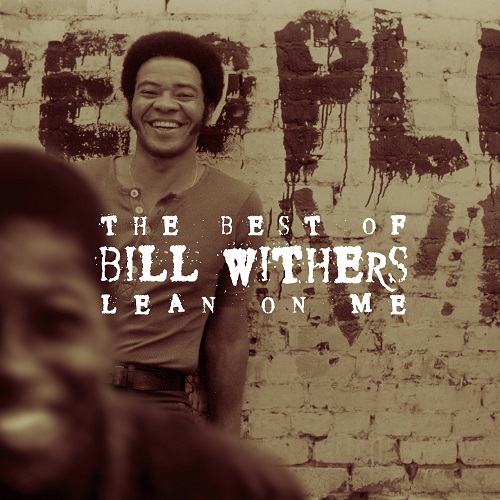
I love Bill Withers. he wrote and recorded this for his 1972 Still Bill album. It was a smash and was a number 1 song. I never cared for the cover version. Yes, it stayed very close to the original, but I just never cared for the arrangement at all. It’s almost annoying to me. It is actually playing in my headphones as I am typing this. To me, the whole 80’s synth sounds just sound out of place. Not to mention the whole “We be jammin” part – URGH!! One good thing about this was that it won a Grammy for Bill Withers as the writer for Best R&B song.
So what can we say about cover songs? Are they done as a tribute to the original artist? Are they done because it’s a favorite to perform? Are they done to “improve” on the original? Are they done because an artist feels it should be presented in a different way? Who knows, really!? One could easily ask the same questions about all the crappy movie remakes that have come about.
Some of my favorite concert memories are hearing the singer do a song that is totally unexpected. My favorite memory of the Billy Joel concert I attended wasn’t Piano Man. It was when he talked about loving the Motor City and breaking into his own version of I Heard it Through The Grapevine! Magical!! Aaron Tippin played a county fair for us and one point he threw on a fedora and sang Fly Me To the Moon, which blew my mind! Very cool songs – never released – but covers, nonetheless.
In the end, a good song is a good song. I love listening to a great song done by many other singers. It says something about the song melodically and lyrically. I don’t always love the cover, but that’s ok. It’s fun to hear the artist’s take on it.
I want to thank Dave for allowing me to ramble on and on about this month’s topic. I’ve wanted to feature cover songs on my site, but just couldn’t figure out how to present it. I guess I better stop typing because the more I think about it … the more songs are coming to my head!
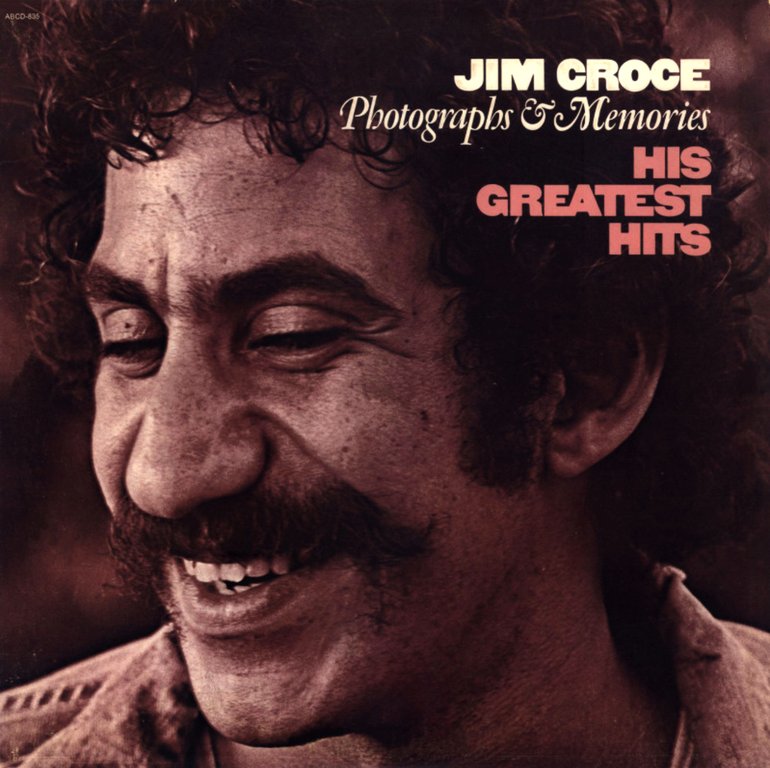
One of the albums I picked up on vinyl to play on the record player my wife bought me for my birthday was Jim Croce Photographs and Memories – His Greatest Hits.
This song hit #1 about 14 weeks after he died in a plane crash in 1973. He wrote this song on the night that he found out his wife was pregnant. They had been married 5 years and while visiting a fertility specialist, she found out she was pregnant. His wife said she will always remember the “mix of terror and delight” in his reaction when she told him. (Side note: They had a son named Adrian, who went on to achieve success as a songwriter. He was AJ Croce.)
The song appeared on his 1972 album – You Don’t Mess Around With Jim. The song was never intended to be released as a single. It was used in a TV movie about a woman with cancer entitled She Lives (starring Desi Arnaz Jr. and Season Hubley). The movie aired a few weeks before his death. TV stations were getting hundreds of calls wanting to know who sang the song and where they could buy it! The following day, the record label got orders for 50,000 copies of the album. The song became the 3rd posthumous #1 song of the rock era. The first was Otis Redding’s Dock of the Bay, and the second was Janis Joplin’s Me and Bobby McGee.
I always loved the simple guitar work in this song, as well as the use of a harpsichord. The harpsichord was kind of an experiment according to producer Tommy West in an article for Mixonline:
“The night before we were going to mix, I was watching a horror movie on TV, and something must have lodged in my brain because when I walked into the studio the next day, I saw this harpsichord sitting in a corner and got an idea. A jingle company had used it on a session and in walked a couple of guys from SIR [Studio Instruments Rental] to haul it away. I asked them to take a lunch break and told Bruce to put a couple of mics on it. He was whining that it was out of tune, but I asked him to let me try something. I added two tracks of harpsichord, told the movers they could remove it, walked into Jerry’s office and asked if I could borrow the electric bass that was sitting on his couch, played that on just the second verse and the outro, and that was that! Radio compression worked in our favor on that record. It made the harpsichord blend with the two guitars in an unusual way. But we thought this record would only be an album cut.”
I love the way it sounds and it really makes the song more haunting and lovely. For me personally, I completely understand how Jim feels. I want to bottle up every minute and spend it with my wife. Even when time is over, I want to have that extra bit bottled up to continue sharing special moments with her. She is the answer to my every wish, just like the song says. Yes, she is the one I want to go through time with – forever. This weekend, this song took on a whole new meaning to me … for reasons I will keep to myself for now.
“Time In A Bottle”
If I could save time in a bottle
The first thing that I’d like to do
Is to save every day till eternity passes away
Just to spend them with you
If I could make days last forever
If words could make wishes come true
I’d save every day like a treasure and then
Again, I would spend them with you
But there never seems to be enough time
To do the things you want to do, once you find them
I’ve looked around enough to know
That you’re the one I want to go through time with
If I had a box just for wishes
And dreams that had never come true
The box would be empty, except for the memory of how
They were answered by you
But there never seems to be enough time
To do the things you want to do, once you find them
I’ve looked around enough to know
That you’re the one I want to go through the time with
For our anniversary, my wife and I wanted to plan a little getaway to celebrate. Neither one of us had too much PTO in our “banks” at work, so we decided on a weekend trip. During the planning the destinations changed frequently. Originally, we had hoped to head back for another trip to Florida, but due to the lack of time available, we decided on something a bit closer to home.
There was talk of going to Nashville and maybe catching a show at the Grand Ole Opry. Then there was talk of Gatlinburg, where my mom so often talked about. I think we even chatted about Pennsylvania, too. Eventually, we decided that Chicago was where we wanted to go, but then realized that it was St. Patrick’s Day weekend, and we figured it might be just a tad crazy (although seeing the river turned green would have been cool.
Cleveland??
To be honest, I am not even sure how we decided on Cleveland, Ohio. I had mentioned that my dad had gone to the Rock and Roll Hall of Fame and said it was cool. I started to look at things in Cincinnati. There was a lot to do there, but why wasn’t the Hall of Fame coming up in any of my searches? I knew that Cincy was close to Louisville, KY and thought that we could maybe do something there, too. I had gone as far as to drop a radio buddy a note to say we were gonna be down there and asked for good restaurants to eat at … only to then realize the Hall of Fame was in Cleveland!
Now that we had cleared that up, we were set for Cleveland. Now, I will be the first to admit “Cleveland,Ohio” as the answer to “Where did you and your wife spend your first wedding anniversary?” is not at all romantic. Many people laughed when I told them. Here is the thing about my wife and I, the destination really didn’t matter – it was simply the fact that we were going to be together. To me, this is just one of the reasons I love her. We can be content with just having time with each other, no matter where we are, or what we are doing.
We have made it a tradition to go to restaurants that local wherever we go. If we can go there at home, we’ll go there at home! By doing this, we have really been treated to some amazing food. We always try to find a good steak house or something very unique to the city we are in and we have yet to be disappointed.
The Hall of Fame
Personally, I think Sam loves watching me get excited about stuff like this. We both love museums, but I must have been like a little kid on his birthday during this trip! I had, of course, seen pictures of the Hall of Fame, but it was something else to be standing in front of it. The big red block letters that sit upon the sidewalk read “LONG LIVE ROCK”. As I walked up the steps, there are phoney concert speakers erected by the hand rails. The excitement builds as you walk in.
As you enter, you walk into a huge foyer/lobby. The gift shop is to your right, to the left a cafe/coffee shop, and in front of you there is an escalator to take you down to purchase tickets. After buying our tickets, you get ready to enter and above the doors the perfect AC/DC quote to welcome you: “For those about to rock …”
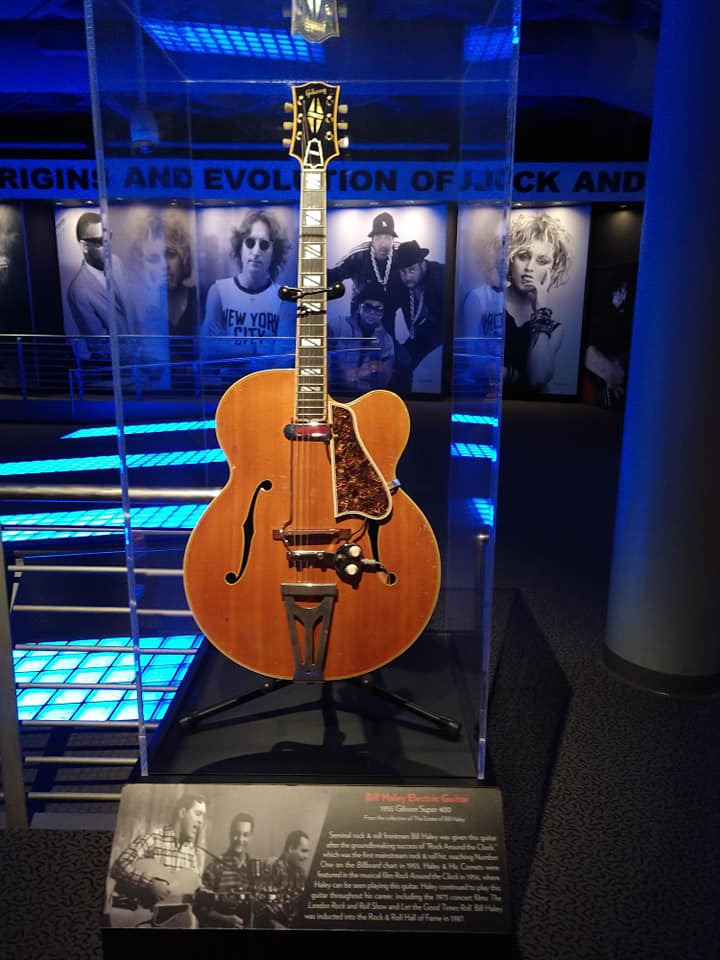
Walking into the main exhibition hall, the first thing I noticed were pictures of John Lennon and Ray Charles on the wall. The first thing I am drawn to is a glass case containing Bill Haley’s guitar. Bill is often credited as being the singer of the first “rock and roll” song – Rock Around the Clock. There is a picture of him playing it in the case as well. I am not sure why I was so taken in by it, but I was.
The next thing we saw was a line of bass guitars that belong to Geddy Lee of Rush. I didn’t count , but there had to be like a dozen of them. The information said that this was only part of his massive collection.
The Roots
One thing I was thrilled to see here was the fact that the “roots” of Rock and Roll were well represented. Rock really evolved from a combination of Gospel, R&B, Bluegrass, Country, Folk, and Blues music. Each of those genres was represented here. Among my favorite things I saw: a suite belonging to Hank Williams Sr.; Louis Jordan’s music folder with his music and cue sheets; stuff from Muddy Waters, BB King, and Mahalia Jackson; Ray Charles sunglasses; Carl Perkins Guitar; salutes to Johnny Otis, Big Joe Turner, and Sam Cooke and so much more. The roots of rock were so well represented. Without these people and the genres of music, there would be no rock and roll.
Elvis
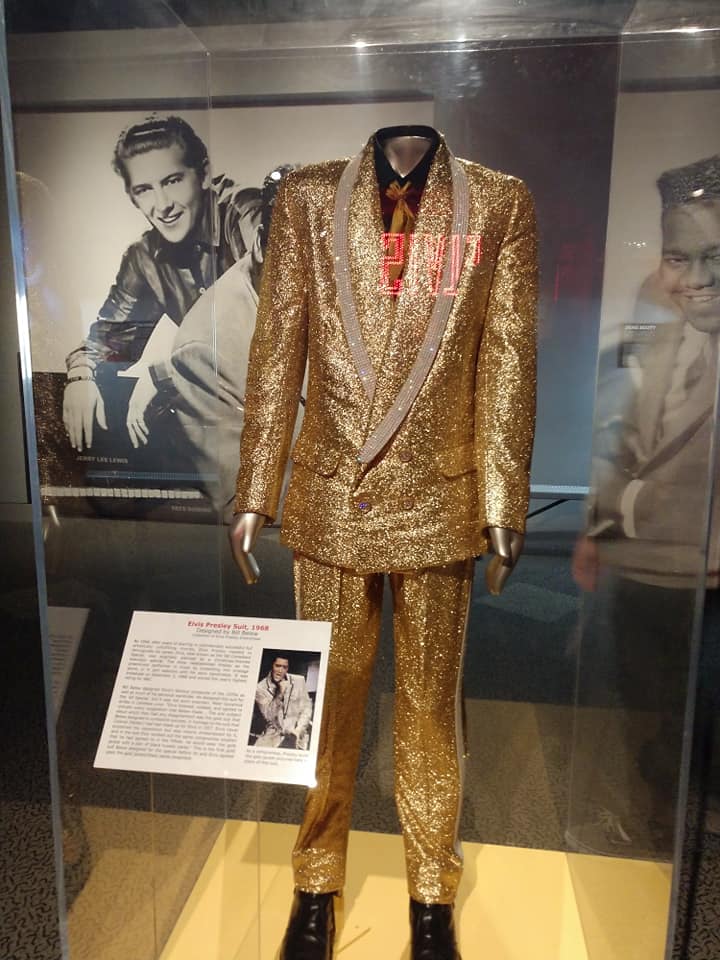
There is a pretty cool section devoted to Elvis, who was one of the first 10 artists inducted into the Hall of Fame. The Hall has a standing agreement with Graceland in Memphis (which is a museum in itself) and they send memorabilia to them often, so the exhibit changes often. There was a very cool motorcycle that was custom-built for Elvis. His gold sequins suit is there, and a jukebox which was given to him as a gift from RCA Records – it contains only Elvis records. Also on display was a double Gibson guitar which he played in his film Spinout.
The Summer of Love
With the 50th anniversary of the “Summer of Love”, there were some very cool things here. I saw groovy outfits from the Mama’s and the Papa’s, clothing from Jimi Hendrix, and the HUGE mixing board that was used to record some of Jimi’s music.
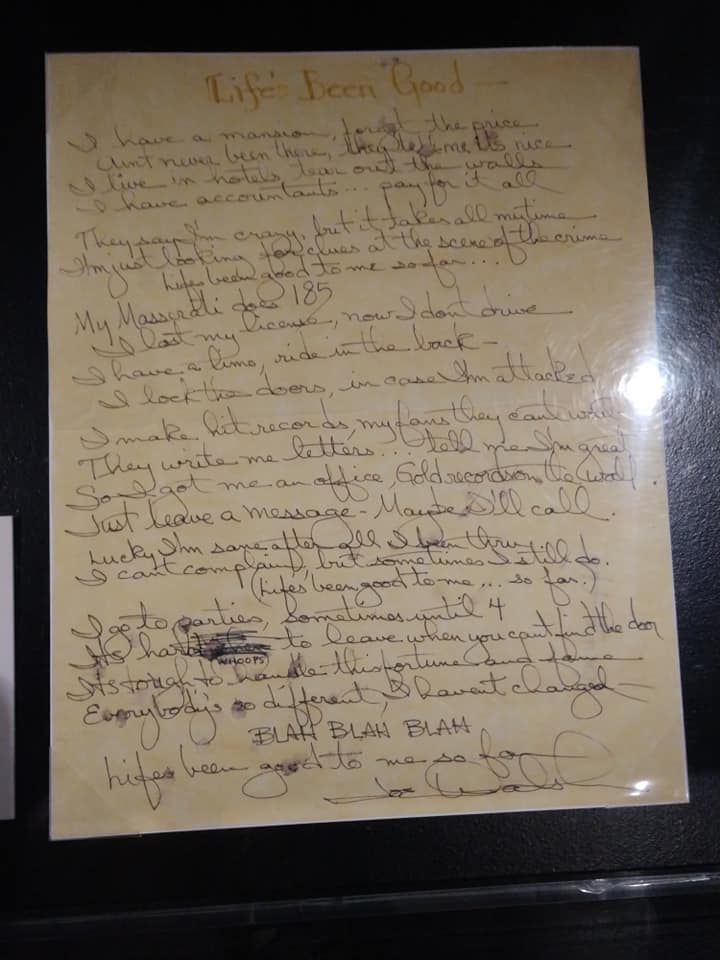
On thing I really liked to see was the various things that song lyrics were written on. There were quite a few original pieces of paper where the beginnings of songs were scribbled. There were also plenty of hotel pads of paper with lyrics on them. Loved seeing where changes were made to lyrics.
Cities and Sounds
I loved that there was a section of the hall that saluted cities and sounds. There was a section devoted to Memphis, Los Angeles, San Francisco, London and Liverpool, Seattle, and of course, Detroit.
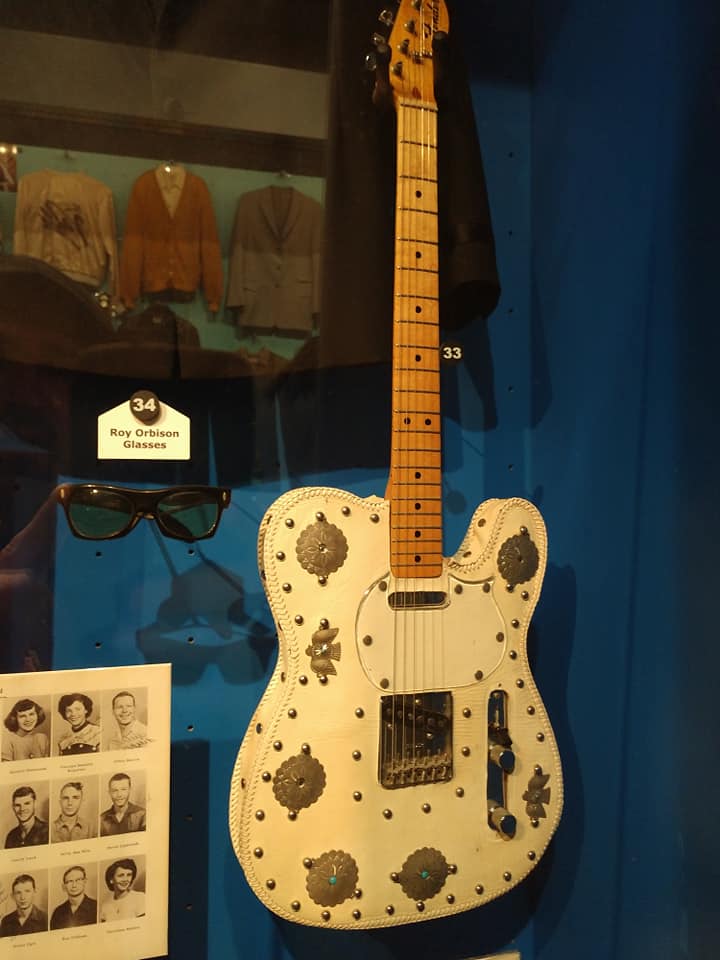
In the Memphis section, there were plenty of neat things from Sun Records. Johnny Cash, Elvis, Jerry Lee Lewis, Carl Perkins and Roy Orbison all recorded there. To stand in front of Roy Orbison’s glasses and guitar was pretty awesome. My earliest musical memories are of my dad playing Roy’s music for me.
A nice tribute to Motown is here with stuff from Barry Gordy, The Supremes (you can see some of their dresses), Smokey Robinson, and the Temptations are all here. They were playing the episode of To Tell The Truth with Barry Gordy as we walked through this section.
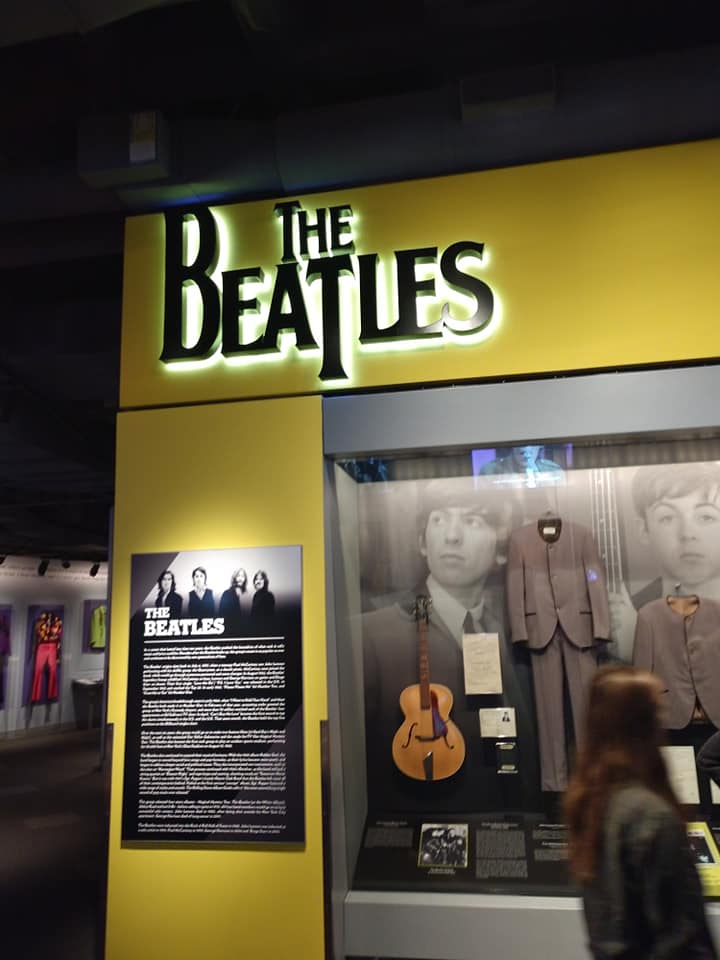
The Beatles and the Rolling Stones each have a nice section at the Hall. I thought Mick Jagger of the Stones was taller, but standing by some of his outfits, he’s shorter than I thought. There is the Asher family piano that Paul McCartney donated, some of John Lennon’s outfits, and the handwritten lyrics to “In My Life”. A very cool documentary was playing in their section as well.
I jumped ahead a bit because the next section was London and Liverpool. There were some very neat things from the Yardbirds, Peter and Gordon, Herman’s Hermits and the Zombies too. All in all a nice salute to the British Invasion.
San Fran featured stuff from The Grateful Dead and Janis Joplin, while LA featured stuff from The Eagles, Jackson Brown, Joni Mitchell and Neil Young. One cool thing here was a duffle bag full of hotel keys. I don’t recall, but I think it said it belonged to one of the Eagles. They basically kept the hotel key (and keychain) from every place they stayed while on tour. The bag was stuffed full of some very cool looking keychains!
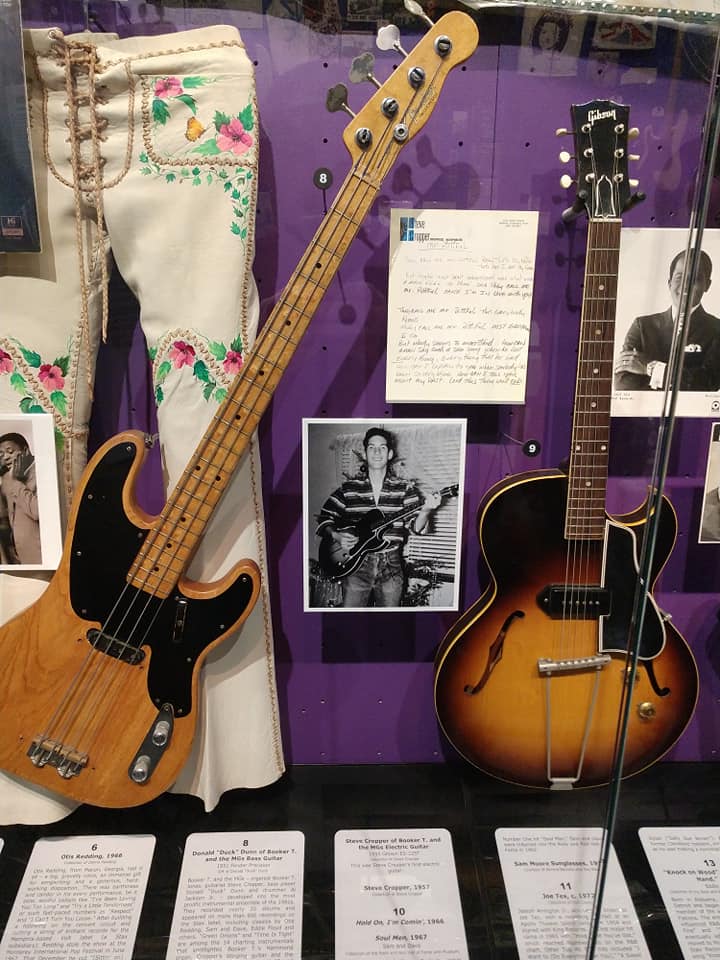
This section also had tributes to grunge music, punk music and a section called “Rave On” which focused on the “pioneers” of rock. Those pioneers included Fats Domino, Chuck Berry, Little Richard, The Everly Brothers and Buddy Holly. Soul Music was also spotlighted here with some awesome suits from James Brown, stuff from Aretha Franklin, pieces of the wreckage from Otis Redding’s plane crash, and Sam and Dave. Featured in the soul section were two amazing things – guitars from Donald “Duck” Dunn and Steve “The Colonel” Cropper. They played on almost every Atlantic and Stax record. They were members of Booker T and the MG’s, and also played with the Blues Brothers. Very cool to see!!!
Don’t worry metal heads, there was a section for Heavy Metal too. Oh, and a section for Rap, as well.
Protests
When Rock and Roll started to make waves, it wasn’t too popular with folks. We tend to forget the hatred toward the genre, but they had plenty of newscasts about burning records, and protests that happened. It was weird to watch the hatred toward the Beatles and read hate mail to the Rolling Stones. Other artists that were discussed in this section were Frank Zappa and ELO.
On the Radio
As a radio guy, it was cool to be able to walk up to an interactive touch screen and select a region of the US and then listen to old airchecks of DJ’s from different eras. Naturally, I had to listen to some of the Detroit personalities: Dick Purtain, Robin Seymour, and The Electrifying Mojo! There were plenty of familiar names from all over the states and it was nice to get to listen to their stuff too.
The Power of Rock
On the third level, there was a wall with each “class” inducted into the Hall of Fame by year. You could also go to a touch screen and search by class, by year, or by artist, and listen to their music. SO many great songs!!!
The Power of Rock is a short film by Jonathan Demme which features many performances from past Hall of Fame inductions. So many stars and so many great songs were in this film. The theater had a light show and great sound for the film and it was almost like you were watching a concert live. The film ends with Prince’s guitar solo on While My Guitar Gently Weeps – WOW! Forgot how amazing that was! They also had some of the great quotes on the walls of the hallway that you left the theater by. Prince’s outfit from that show and other outfits were there as well.
Rock on TV
It was also very cool to see some of the TV show memorabilia on this level. You could go and record something about your favorite singer or album in special booths. It was pretty cool to stand in front of Dick Clark’s American Bandstand podium! His microphone was in a glass case with other things like the set design for the Beatles appearance on Ed Sullivan. They had TV cameras there, Don Cornelius’ suit from Soul Train, outfits from the Jackson Five and Sonny & Cher and the coat worn by Davy Jones of the Monkees that he wore on The Brady Bunch. There was also some cool musically related stuff from Saturday Night Live, and from various music videos we all watched on MTV. It was neat to see Paul Shaffer’s keyboard that he played for so many years on the Late Show with David Letterman.
On the Radio – LIVE
One thing I didn’t realize was that Sirius XM broadcasts their “Classic Vinyl” station out of the Hall of Fame. Rachel Steele was on air when we went through. There is a glass window that allows you to look into the studio and watch them broadcast. I actually felt bad for her. One thing radio people like is the fact that they can go in to work without really worrying about what to wear, because….who is going to see you!? Whoever is on the air here, really has to “doll up” every day.
Over all, I loved every second of my visit here! Any music lover would enjoy themselves!! If you have never been …. you have to!
Christmas in March
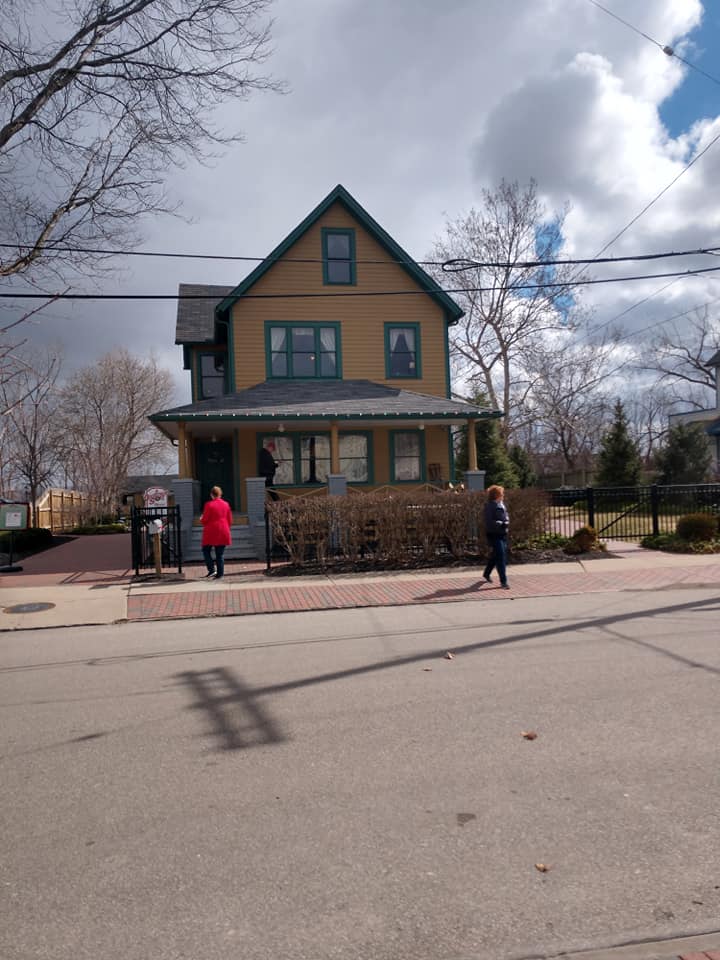
The final stop on the trip was The Christmas Story House. It is the house featured in the holiday classic. They renamed the street “Cleveland Street” in honor of the movie. The Leg Lamp proudly sits in the front window and the Bumpass House is next door.
This is such an inexpensive treat! The house looks a little different on the inside, but they have restored much of it to be exactly like it looks in the film, which took a bit because there were a few owners since the movie.
We were allowed to take as many pictures as we liked. There was a guide who took us through the house and told some stories. You can see the bathroom where Ralphie solves Little Orphan Annie’s secret message, you can see the many plugs the tree was plugged into, pick up the phone that Mrs. Parker calls Flick’s mom on, see the boy’s room, and see the damper in the kitchen that billows black smoke because of the “clinker” furnace.
From the backyard you can see the steel mill (still in operation), which helped Jean Sheppard (the author) pick that particular house for the film. Across the street is a museum with the actual Red Rider BB gun used in the film, outfits from the cast, Darren McGavin’s plaster life mask (used for make up and such), plenty of behind the scenes pictures, and the Old Man’s car. The gift shop is full of great items and yes, you can purchase a pink bunny suit or a leg lamp (in various sizes).
Sam told me she’d buy me a bunny suit, but only if I wore it every Christmas! Incidentally, if you have the $$, you can spend the night in the house or next door at the Bumpass house.
The trip was short, but full of good memories. I love that we were able to do it and I love that we got to spend time with each other. It was the perfect anniversary trip.


















 Various Ramblings of a Nostalgic Italian