
51 years ago on this day, December 10, 1974, my all time favorite Christmas special aired for the first time. Long time readers of this blog are familiar with it for sure – The Year Without a Santa Claus. Back in 2019, I wrote an entire piece on the special for a blog-a-thon. Here it is updated a bit:

Rankin and Bass Productions produced many holiday television specials. Many of these were based on songs (1964’s Rudolph the Red-Nosed Reindeer, 1968’s Little Drummer Boy, 1969’s Frosty the Snowman, and 1970’s Santa Claus is Coming to Town). Along with How the Grinch Stole Christmas and A Charlie Brown Christmas, these holiday specials were something that I (and many children) looked forward to watching every year.
So what makes these specials so special? Here are my thoughts: First of all, many of them were produced using a stop-motion animation process called “Animagic”. Animagic was used on shows like Puppetoons, Gumby, and Davey and Goliath. Compared to the advances we see in animation today, these specials shot with this primitive process still hold up and are entertaining.
Second, many are based on familiar Christmas songs. We know the songs and the stories, but the specials elaborate on them. We know the story of Frosty – but the song doesn’t mention Professor Hinkle (and we know we need his magic hat). We know the story of Rudolph – but there is no mention of Yukon Cornelius, Hermie, or Bumbles in the song (and we know Yukon saved Rudolph’s life). We know the story of Santa Claus – but the song doesn’t mention the Burgermeister Meisterburger (who is responsible for him going down chimneys) or the Winter Warlock (who gives Santa his magic snowball so he can see if you’ve been bad or good).
Next, you have the wonderful musical score and additional songs throughout the specials. Maury Laws, who sadly passed away in March of 2019 at age 95, was the music director for almost every Rankin and Bass production. He conducted and arranged so much of the wonderful music heard in these specials. Along with the title songs, who can forget “Holly Jolly Christmas”, “We Are Santa’s Elves”, “Silver and Gold”, “There’s Always Tomorrow”, “Put One Foot in Front of the Other”, “No More Toymakers to the King” and so many others?!
Finally, and maybe most importantly, the voice work of some very talented actors and actresses make the Rankin and Bass specials so very entertaining. I read somewhere that they really tried to find unique voices for their characters. They did have their own company of actors (Paul Soles, Larry Mann, Billie Richards, Paul Klingman, and Paul Frees), but they were able to get some “star power” for narrators and other characters. Think about the voices of Jimmy Durante, Jackie Vernon (who was known for his blue comedy work), Buddy Hackett, Shirley Booth, Mickey Rooney, Fred Astaire, and Burl Ives. They all had very unique voices that were perfect for these characters!
The Year Without A Santa Claus
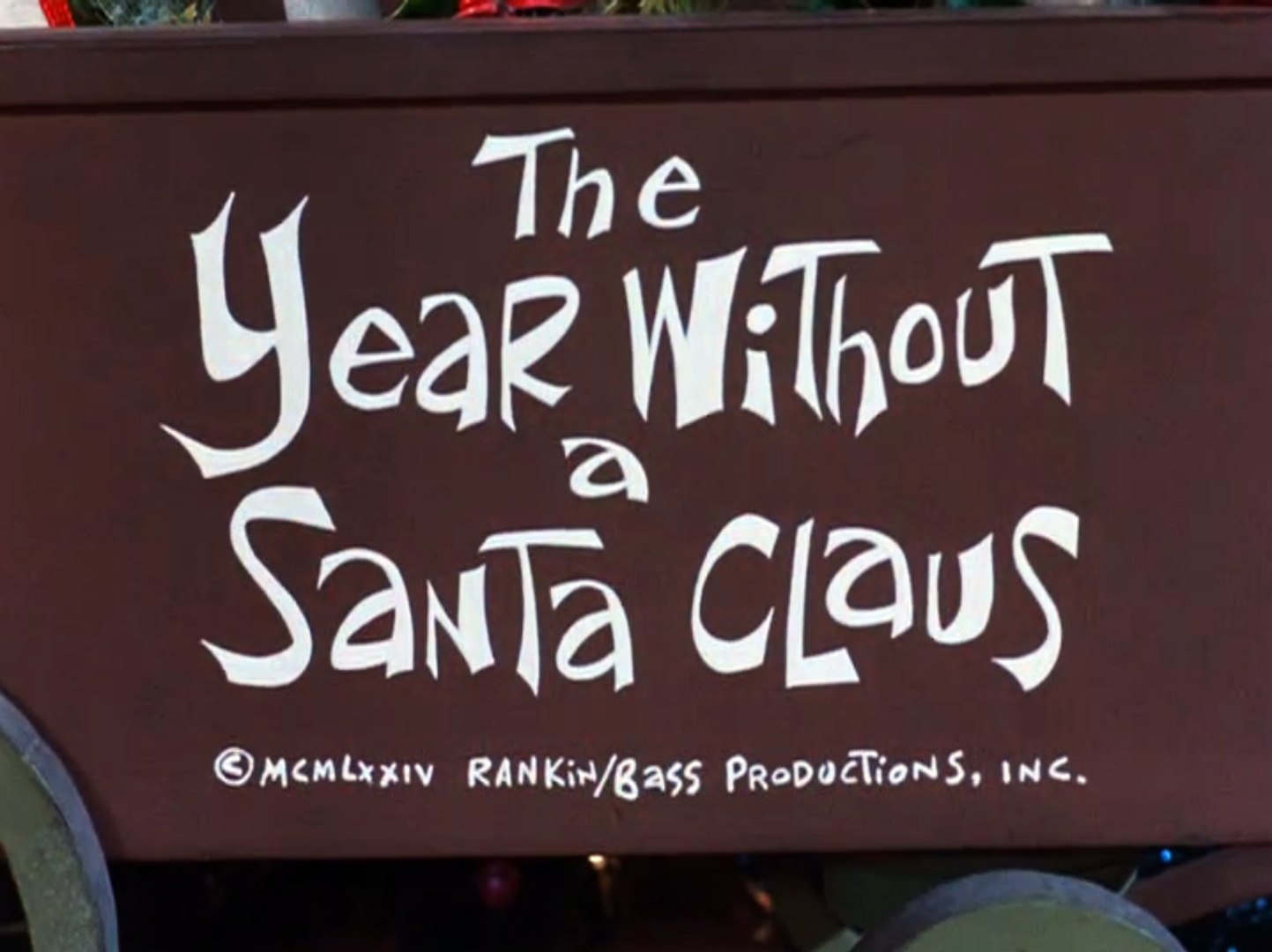
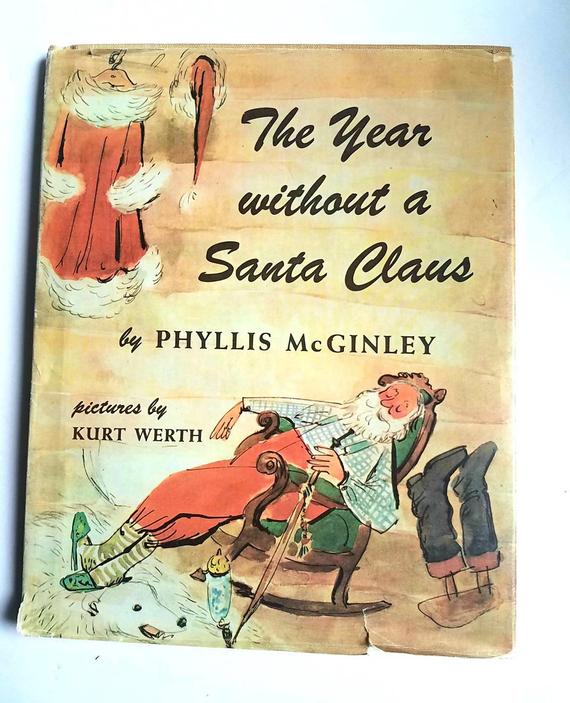
The Year Without a Santa Claus originally aired on the ABC TV Network on December 10, 1974. The story is not based on a song, but is based on a poem/book. In 1956, Good Housekeeping magazine published the poem “The Year Without a Santa Claus” which was written by Phyllis McGinley. It was so popular that it was turned into a picture book the following year with illustrations by Kurt Werth.
In 1968, 6 years before the Rankin and Bass special, just a few months before he passed Boris Karloff (who narrated How The Grinch Stole Christmas) narrated an LP record version of the story/poem that was available on Capitol Records.
The poem tells of a year where Santa decides to take a vacation because he is feeling old and worn out. As the children of the world hear of this, they become very sad and cannot imagine a Christmas without Santa. There is one boy, Ignatius Thistlewhite, who takes a stand and explains that even Santa needs a vacation. He explains that Christmas is not only about receiving, but about giving. The children of the world launch a big campaign to give back to Santa and send him gifts to show him how much they love him. He is so moved by this gesture that he decides not to take the vacation and goes out on his annual flight like every other year.
Rankin and Bass Version
(Note: Spoilers) For the most part, the special follows the poem/book, with some minor and major changes. Shirley Booth plays Mrs. Claus, who tells us the story. This would be Shirley’s last acting role, as she retired after her part was completed. Santa is played by Mickey Rooney, who also played Santa in the Rankin/Bass special Santa Claus is Coming to Town.
In the special, Santa is sick. He is advised by his overly honest and grumpy doctor to stay home. The doctor also tells him nobody care about Christmas, and that no one believes in him anymore! Santa, feeling that his doctor may be right, decides to cancel Christmas for the first time ever.

Mrs. Claus, however, feels that it wouldn’t be fair to the children, and has a plan. She sends two Christmas elves, Jingle and Jangle, along with reindeer Vixen into the world to prove that there is still Christmas Spirit and that children still believe in Santa. Jingle and Jangle provide some comic relief (I always sensed a Laurel and Hardy vibe with them). Bob McFadden voices Jingle, while Bradley Bolke (best known as Chumley in the Tennessee Tuxedo cartoons) voices Jangle.

Santa knows his wife is up to something and gets her to explain just what she’s got going on. He is aghast to learn that the elves and Vixen are heading into the world. In a bit of foreshadowing, he mentioned that they’ll be lucky to make it past the Miser Brothers. The Miser Brothers are easily two of the most memorable characters ever created by Rankin and Bass, more on them shortly. As the elves fly directly into their path, the are shot down by Heat Miser (who calls them members of “the Santa Claus Gang”). Vixen and the elves narrowly escape and wind up landing in a place called Southtown USA.
While in Southtown, they find a lack of Christmas Spirit, and children (one of them Ignatius “Iggy” Thistlewhite, mentioned earlier) skeptical that Santa even exists. Things go from bad to worse in Southtown, as the elves receive a ticket and then Vixen is taken to the pound by the dog catcher (who thinks she is a dog). The elves are told by the policeman to see the mayor if they want to free Vixen.
Santa, who is now on a mission to save Vixen and the elves, has also flown down (on Dasher) to Southtown in search of them. He seems to be a step or two behind them. He runs into Iggy as he is coming home, introduces himself as “Mr. Clowze” and asks if he has seen his friends. Iggy replies that he has, but when Santa sneezes, Iggy’s mom invites him in for tea to help his cold.

While at the table, he learns that the elves were asking if he believed in Santa Claus. Iggy asks the old gent if HE believes in Santa Claus. He admits that he does in song, and we learn that Iggy’s dad actually saw Santa as boy, and he still believes. Iggy then tells Santa about the mess that the elves were in and that the dog catcher has their “dog”. Santa, worried about Vixen, jumps on his reindeer and flies away, not caring that he is in plain sight of the family. Iggy now realizes who Mr. Clowze really is and decides he is going to help Jingle and Jangle.
Santa pays a fine to the dog catcher and decides it is best to take Vixen home. Meanwhile, Iggy and the elves tell the mayor their story and the mayor laughs in disbelief. He does not believe that they are Christmas Elves, or any bit of their story!

He does, however, agree to free Vixen (and give Santa a holiday) if they can PROVE they are elves (who he says can do magic) and make it snow in Southtown, where it hasn’t snowed in over 100 years! Knowing that they are in a spot, they call Mrs. Claus to help. When she arrives, they go to see Snow Miser.
The Miser Brothers, Snow Miser and Heat Miser, are the offspring of Mother nature. Snow Miser controls all of the cold weather on the earth, while Heat Miser controls all the warm weather. There is no doubt that these two characters are the stand outs in this holiday special. The characters are larger than life. They are two step brothers, who obviously dislike and despise each other. We got a glimpse of them both early on, but now we get their official “introductions”.
Each Miser Brother has his own introductory song, with choreography and dancing minions. Each song is a boost to their egos as they admit that they are both “too much”!
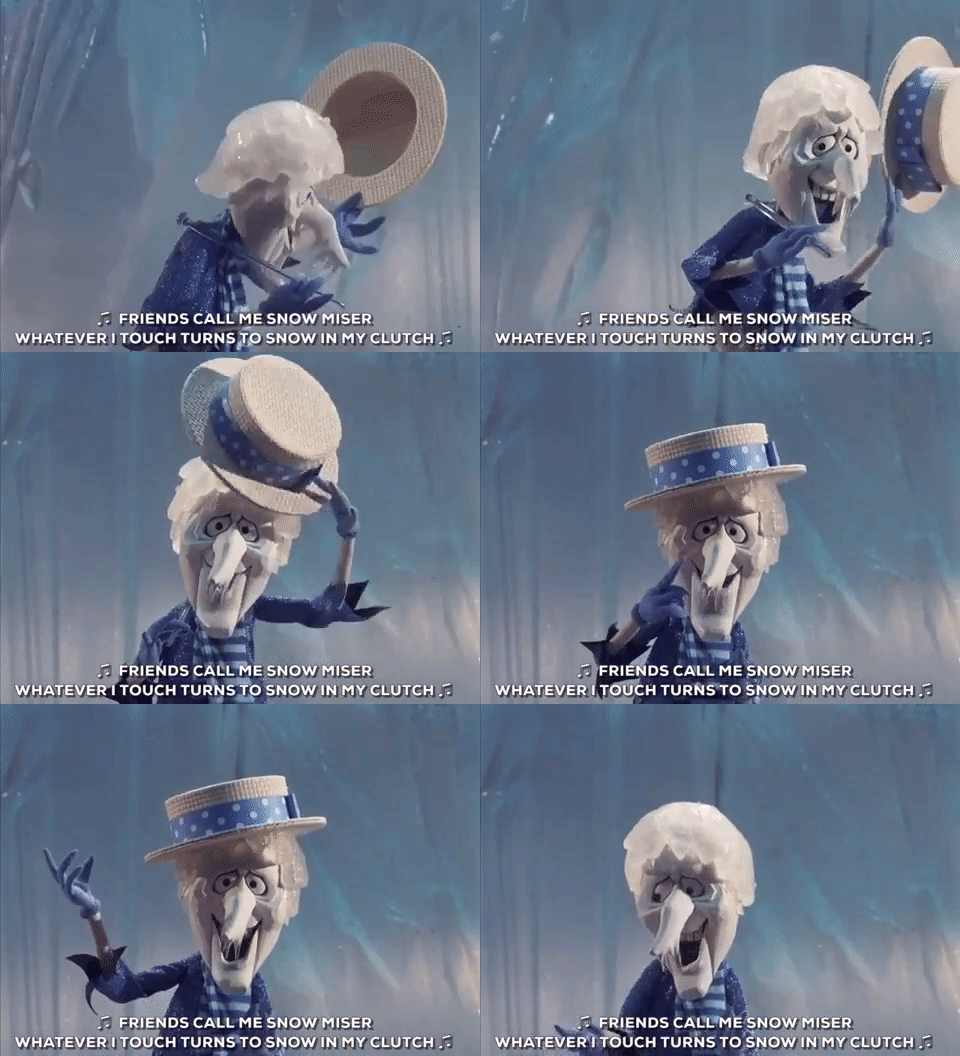

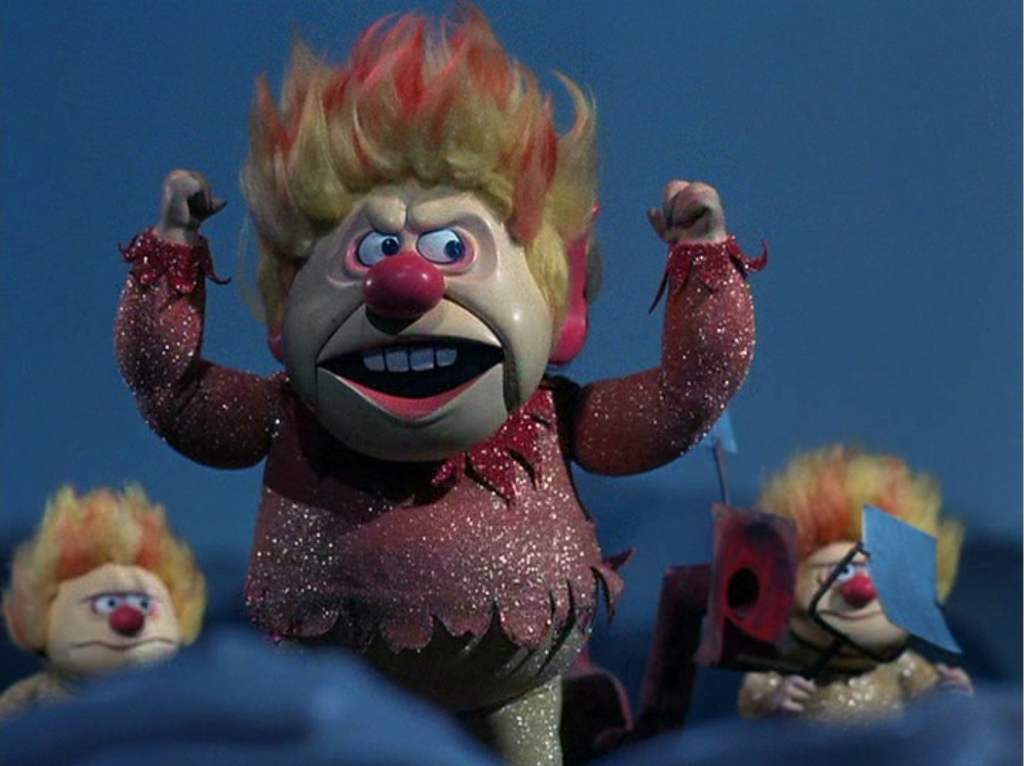
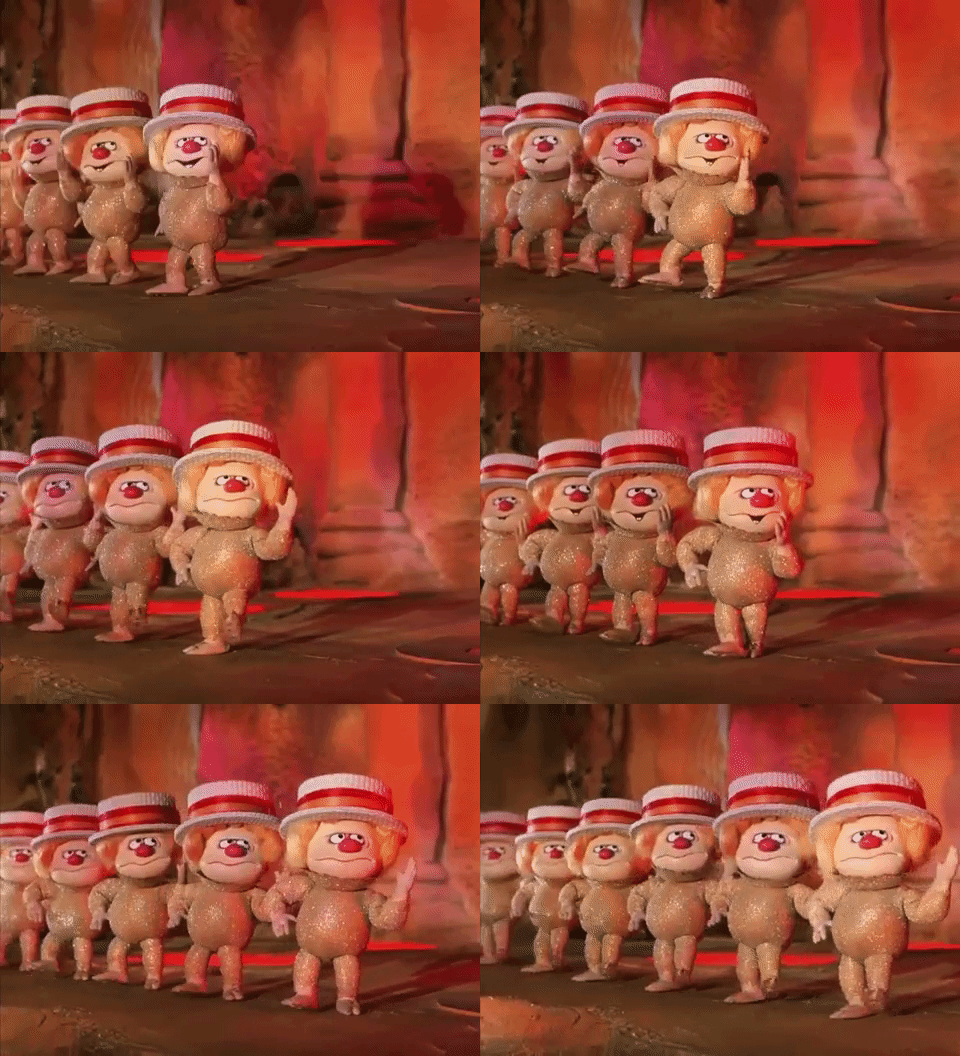
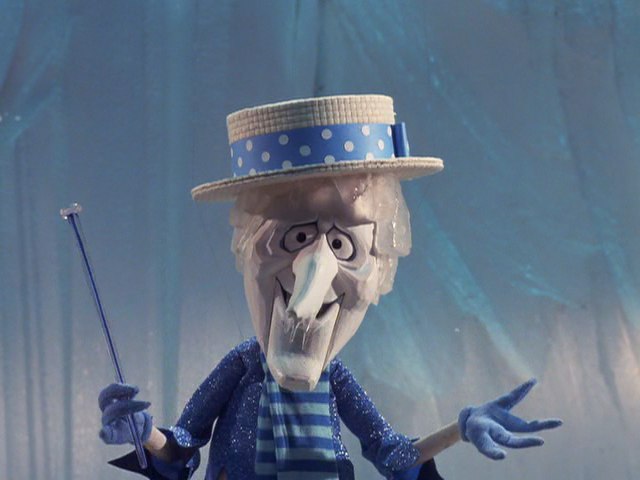
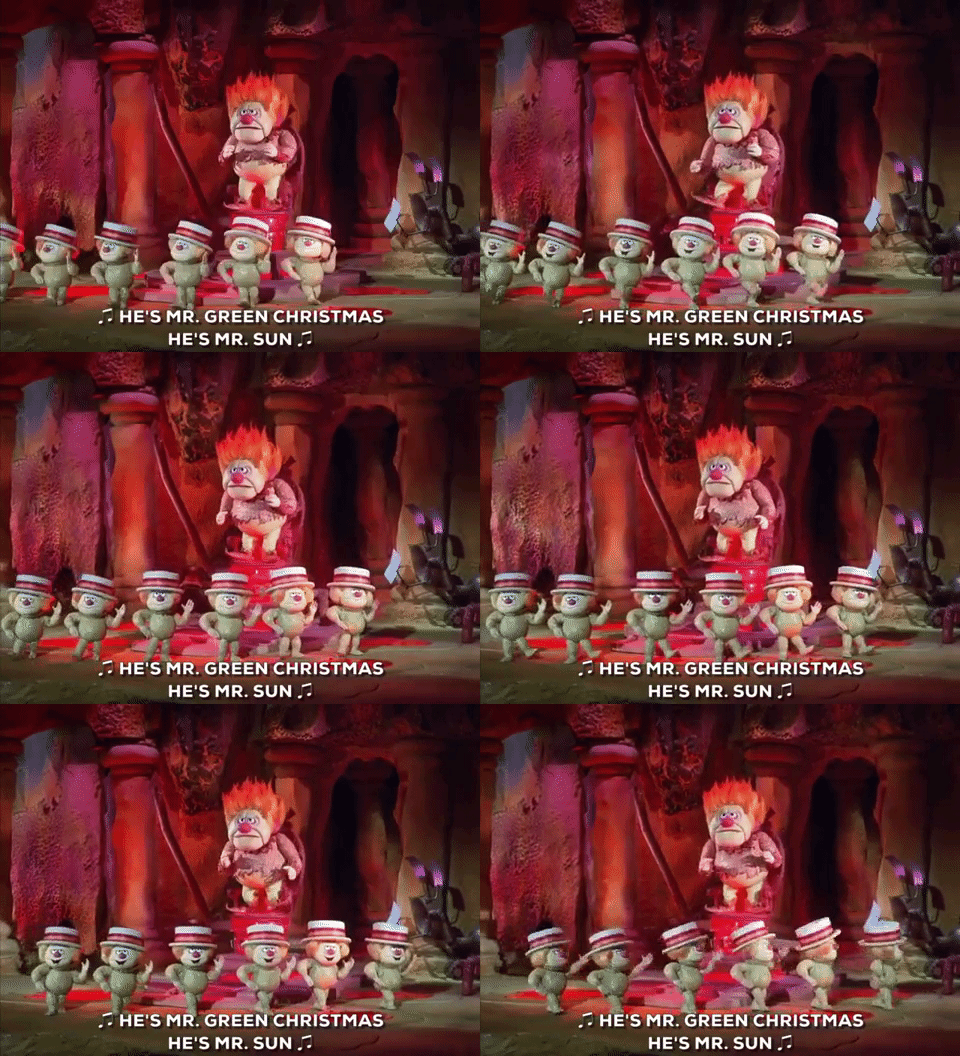
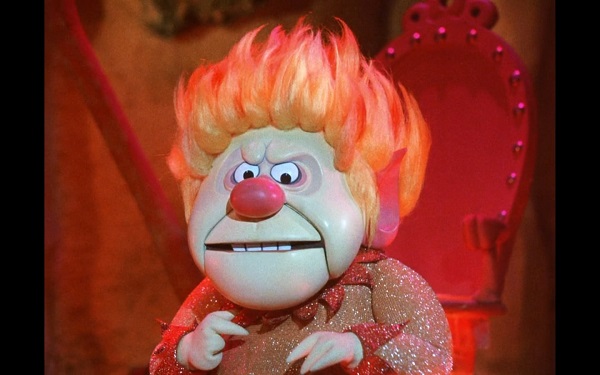
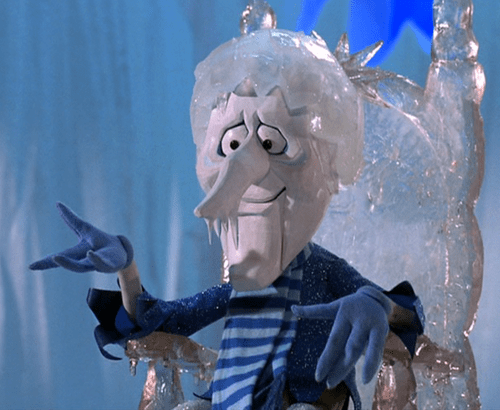
Snow Miser is voiced by the amazing Dick Shawn, while Heat Miser is voiced by George S. Irving. Both were very well known character actors and each play their roles to the utmost. Shawn’s Snow Miser is a friendly guy who is full of puns and energy, while Irving’s Heat Miser is a miserable grouch!
It would just be wrong for me NOT to post a link to their songs – which are truly the highlights of the special!
Mrs. Claus arrives and asks Snow Miser for a snow storm. He will gladly oblige! However, when he hears where they need it to snow, he tells them he cannot help because the South is under Heat Miser’s control, and they must get his permission. Upon arriving at Heat Miser’s volcano, and listening to his song, he is obviously miffed at his visitors. He even accuses Santa of going out “doing commercials” for his brother. When the ask to let it snow in Southtown, he refuses at first, but then says he will allow it to snow there if he can provide a nice sunny day at the North Pole. The two brothers bicker on the phone and Mrs. Claus stops them and says that she is going over their heads. She is taking this to their mother – Mother Nature!
Despite the fact that the brothers, the elves, and Mrs. Claus are all a bit scared of Mother nature, she is a pleasant lady. She summons her boys with thunder and lightening (very reminiscent of the old Chiffon margarine ads that featured Mother Nature). With some initial bickering, she eventually gets the boys to agree. Snow Miser will allow a nice warm day at the North Pole and Heat Miser will let it snow in the south.

Once the snow hits Southtown, the mayor finally believes Jingle and Jangle and gets on the phone with all the mayors around the world. They officially declare a national holiday for Santa. The newspapers proclaim this “Day Off For Santa!” and the word spreads from pole to pole! With this news, all of the children begin to send letters and presents to Santa to show their appreciation for him and wish him a happy holiday. Santa receives one letter from a little girl who says she’ll have a Blue Christmas without him (and the song accompanies this)…

Santa is very moved by this letter, and the outpouring of gifts and love by the children of the world. He decides that it is ridiculous for him to take the night off! Christmas is back on again! He tells the elves to load up the sleigh and his ride begins by going down “Santa Claus Lane” in Southtown, USA.

At the end of the special, Mrs. Claus reminds us that somehow, “yearly, newly, faithfully, and truly” Santa ALWAYS comes!
Final Thoughts
In 2006, NBC remade this classic into a live-action special that was a huge disappointment. In 2008, ABC Family aired “A Miser Brothers’ Christmas” which, despite having a few of the original voice actors, was also something that never achieves the magic of the original.
Had The Year Without a Santa Claus simply told the story of the poem or book, it would easily be classified as a typical and standard Christmas special. However, Rankin and Bass take it above and beyond that. They make it a truly wonderful story with great characters, wonderful voice actors, well known and original music that brings a smile to my face each and every year! When I listen to the radio and hear “You’re a Mean One, Mr. Grinch”, “Frosty the Snowman” and “Holly Jolly Christmas” from other TV specials, I find myself wondering why stations don’t take a chance and play the Miser Brothers songs? Every time I mention this special to someone – they IMMEDIATELY know them and their songs!! It’s a missed opportunity!
I can still remember the first time my brother and I sat in front of the TV to watch this. I remember over the years checking the TV guide to see if and when it would air again. When it was available on home video/DVD, I made sure I had a copy. It was one of the first specials I shared with my sons. I still tear up when Santa is reading about the little girl’s Blue Christmas. I sing along with the Miser Brothers. My heart doubles in size when Santa declares that Christmas isn’t cancelled. And every time I watch it, I am laying on the floor in front of the TV with my younger brother next to me … and I am 6 years old all over again.


 Various Ramblings of a Nostalgic Italian