Tune Tuesday – Dark Lady

Cher is celebrating her 79th birthday today. She gained fame as half of the duo Sonny & Cher in 1965. Their hits included I Got You Babe and The Beat Goes On. In the 1970’s she appeared on TV in The Sonny and Cher Comedy Hour and her own show, Cher.

Fun Fact: Cher is the only solo artist to have number one songs on the US Billboard Charts in seven consecutive decades (1960’s – 2020’s)!

She not only found success with music, but she had success as an actress, too. Her films include, Silkwood, Mask, Suspect, The Witches of Eastwick, Moonstruck, and Mermaids.

She had many hits in the 1970’s including Gypsies Tramps and Thieves, Half Breed, and Dark Lady. Dark Lady is a song that always reminds me a bit of Delilah by Tom Jones because of the subject matter – the discovery (and murder) of a cheating partner.

The song was written by Johnny Durrill. He was in the Five Americans and the Ventures and is known for his keyboard playing and songwriting. He says that he submitted it to Cher’s producer, Snuff Garrett, who had some definitive feedback.

“When I was on tour in Japan with the Ventures, I was writing an interesting song,” Durrill explained. “I telegraphed the unfinished lyrics to Garrett. He said to ‘make sure the bitch kills him.’ Hence, in the song both the lover and fortune teller were killed. That song became ‘Dark Lady’ which Cher cut; it went to #1 in 1974.

According to Durrill, everyone but Cher knew they had a hit on their hands. He said: “Everybody knew it was a hit the minute they heard Cher’s vocal on the playback, though she didn’t particularly like it.”

In 1991, Cher expressed how she felt about the song to Vox:

“‘Dark Lady’ was a pain in the ass because there was no place to take a breath – there were so many words in that stupid song!”

Happy Birthday, Cher!

Make Some Noise – It Is May!

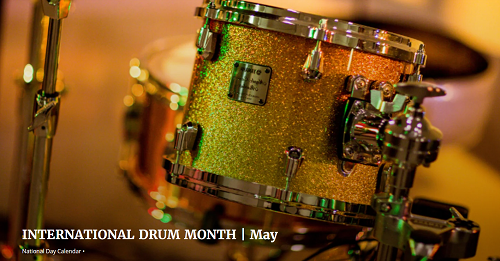
Welcome to May! Were you aware that May is International Drum Month? Cheers to the instrument that keeps the music in time.

Anyone who has played in a school band or any band really knows that there are plenty of jokes made about the percussionists and the percussion section:

What do you say to a drummer in a three-piece suit?
“Will the defendant please rise?”

Hey, did you hear about the drummer who finished high school?
Me neither.

What is the difference between a drummer and a savings bond?
One will mature and make money.

What is the difference between a bad drummer and a vacuum cleaner?
 You have to plug one of them in before it sucks.

There are hundreds of jokes like that. Honestly, though, without the percussion section (or percussionist) the rest of the group would fight to keep time. I can’t imagine marching in a parade without a solid drum cadence and so many great bands had well known drummers.

So in honor of International Drum Month – I wanted to share some of my favorite drum songs, drum solos, and songs about drums.

First, let’s head back to 1936 and the fantastic song by Benny Goodman – Sing, Sing, Sing. The song was written by Louis Prima and became one of Benny’s signature songs.

In 1941, legendary drummer Gene Krupa had a hit with Drum Boogie (with Irene Day on the vocals). There are many videos of him performing this.

Instrumentals were big in the 50’s and 60’s. My dad introduced me to 1958’s Topsy Part 2 by Cozy Cole. He worked with great artists like Louis Armstrong and Cab Calloway.

Preston Epps learned how to play the bongos when he was in the Korean War. His big hit was Bongo Rock, but I liked 1960’s Bongo, Bongo, Bongo a bit better (Though it never broke the top 40). I often used this as background music when I was on the radio.

If you have ever heard To Know Him Is to Love Him (Teddy Bears), Alley Opp (Hollywood Argyles), or A Thousand Stars (Kathy Young and the Innocents), then you’ve heard Sandy Nelson. He was a session drummer and played on a lot of songs. He even had some solo hits, including 1961’s Let The Be Drums.

Johnny Smith recorded Walk, Don’t Run in 1954. Chet Atkins covered it in 1957 and when the Ventures heard it, they recorded their own version in 1960. While many consider it more of a guitar tune, the drums are a key part of the song.

Probably one of the most famous drum songs was from 1963. The Surfaris took Wipe Out! all the way to #2 on the Hot 100 chart. It is a song that continues to pop up on TV and in movies and has even made a few reentries on the charts because of that.

In 1967, Michael Nesmith of the Monkees penned a percussion tune for Linda Ronstadt and her group The Stone Poneys. Linda has a birthday coming up and I was going to feature this song on that day, but it fits better here. This was her first single and it reached #13 on the Billboard Hot 100 chart.

In 1969, The Beatles released Abbey Road, which contains a song that has a drum lick that famous drummers everywhere still talk about. It is often called “genius” and I couldn’t agree more. The drum line from Come Together is just an amazing thing to listen to. Atta Boy, Ringo!

In 1972, Gary Glitter had a hit with the B-side of Rock and Roll Part 1, which was appropriately called Rock and Roll Part 2. Most folks remember this one as simply, “The Hey Song.” This was his only top 10 hit in the US. It used to be big at sporting events, but it went away after some sexual crimes in the late 90’s and early 2000’s. It was featured in the recent Joker movie.

1972 also brought one of my favorite drum intros by way of Stevie Wonder. I’ve written about this one before, but you know I had to hear it again as I wrote this.

1977 brought another great drum tune that is still used at sporting events today. I couldn’t do a piece about drum songs without Queen’s We Will Rock You.

So many songs can be instantly recognized by the drum intros and the next one from 1980 is no exception. It is a classic rock and party staple. I am, of course, talking about AC/DC’s Back in Black.

When you talk about drums and drum solos, there seems to be one song that always comes up – In the Air Tonight by Phil Collins. It’s not my favorite song, but you can’t deny the very cool drum solo.

The next drum song has become sort of a Monday morning anthem for anyone who works for a living. Todd Rundgren’s 1983 Bang On The Drum All Day is unique in that he plays every instrument on the track.

I am sure I could feature many more songs, but I have decided to conclude with a song that was very unusual. It was unusual, because there are very few songs that begin with a 30 second drum solo. In 1984, Van Halen did just that. Alex Van Halen kicks off Hot for Teacher with an amazing double bass drum performance and a song remembered not only for his drum work, but a steamy video.

This month, I salute drummers like Ringo Starr, John Bonham, Keith Moon, Buddy Rich, Sheila E, Dave Grohl, Alex Van Halen, Phil Collins, Charlie Watts, Gene Krupa, Questlove, Hal Blaine, Max Weinberg, Lars Ulrich, Neil Peart, Levon Helm, Chad Smith, Ed Shaughnessy, and so many others!! Thanks for keeping the beat!

What songs do you remember for drum solos or great drum work?

Turntable Talk 22 – Instrumental In Their Success

They say “out with the old and in with the new,” but I’m glad that an old feature continues! I am, of course, talking about Turntable Talk hosted by Dave Ruch from A Sound Day. For 22 months, he has proposed various musical topics for our group of music lovers to write about. Not only do I love writing for it, but I love reading the other submissions. 

This month we go “wordless.” Dave says, “…let’s look at INSTRUMENTAL IN THEIR SUCCESS.Share with us all an instrumental tune you like a lot, and a few words about why.”

I write this, knowing that I am one of the last contributors, so I have no idea what has already been featured by other writers. As far as the topic, there was no shortage of songs to choose from. I began a list of instrumentals on a post it note pad. Each song made me think of another. About 20 post it notes later, I knew I had to stop and pick one. The problem was, which one to choose.

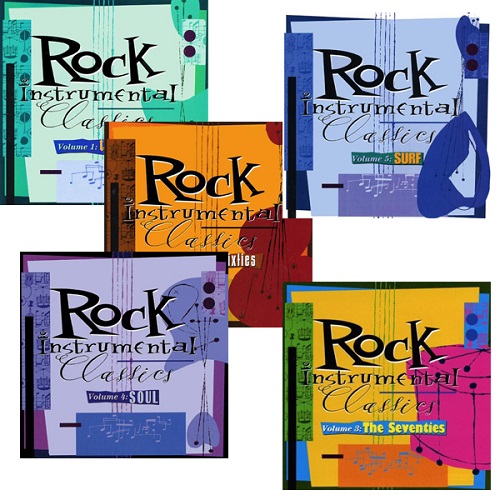
I LOVE instrumentals. I have countless CD collections featuring instrumental hits. One of the best was a series from Rhino Records called “Rock Instrumental Classics.” It was a 5 CD series that featured instrumental hits from the 50’s, the 60’s, the 70’s, surf hits, and soul hits. 

Time Life Records had a series called “Your Hit Parade,” which featured music from the 1940’s all the way through the early 1960’s. That collection featured many instrumentals, too. There are SO many to pick from. My list included:

  • Green Onions – Booker T & the MG’s
  • Bumble Boogie – B. Bumble and the Stingers
  • One Mint Julep – Ray Charles
  • Kokomo – Asia Minor
  • Topsy Part 2 – Cozy Cole
  • Classical Gas – Mason Williams
  • Java – Al Hirt
  • Yakety Sax – Boots Randolph
  • Popcorn – Hot Butter
  • Axel F – Harold Faltermeyer
  • No Matter What Shape Your Stomach’s In – The T-Bones
  • The Theme From Sanford and Son – Quincy Jones.

That last one led me on a rabbit trail of TV Theme songs. There were plenty that were hits: Peter Gunn, Bonanza, Mission: Impossible, Theme from SWAT, Miami Vice, Route 66, Dragnet, The X-Files, The Rockford Files …. and finally, my pick for this month’s topic.

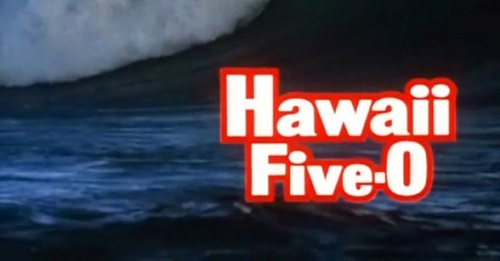
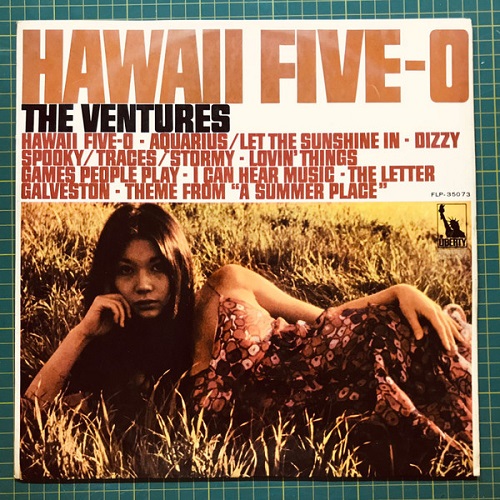
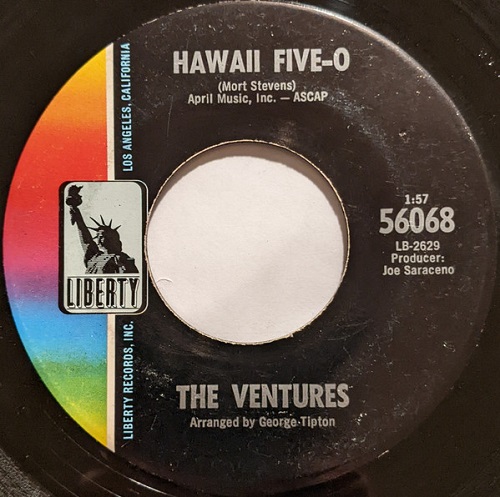
Hawaii Five-O was a long-running police procedural drama (1968-1980) about detectives Steve McGarrett (played by Jack Lord) and Dan “Danno” Williams (played by James MacArthur) who worked the Hawaiian islands beat. The theme was composed by Morton Stevens, who started out as an arranger/conductor for Sammy Davis Jr. and became director of music for CBS on the West Coast. The theme song won Stevens two Emmy Awards (in 1970 and 1974).

The song was recorded by the Ventures, who were instrumental (pun intended) in popularizing the electric guitar throughout the 1960’s. Their first hit was Walk, Don’t Run in 1960. The quartet charted 14 singles on the Billboard Hot 100 Chart and have sold over 100 million records making them the greatest instrumental band of all time.

The Venture’s version of the song was a Top 5 record, peaking at #4 spending 14 weeks on the chart. There were many session musicians who played along with the group including guitar player Tommy Tedesco of the famous Wrecking Crew. 

I read somewhere that the Hawaii Five-O theme is the unofficial fight song for the University of Hawaii. This is one of those songs I wish we had played when I was in band. As a matter of fact, being a former band geek is probably why I love this song so much. I can listen to it 4 or 5 times in a row and focus on different things in the song. There are so many cool musical things in it. Allow me to illustrate with words and then listen to see if my wordy description makes sense.

Right from the get-go that drum crescendo into the tympany grabs me. (In one of my many listens to this song, I actually thought about making a list of great “tympany songs!”). Then you have the guitar and trumpets come in with the main theme doing a call and answer type thing with that flute-y instrument for the first verse. Another drum/horn crescendo to take you to the second verse with more guitar and now the flute answer is more of a counter melody.

A minute in and you get another drum/horn crescendo and a repeat of the melody. This time, you have some horns and trumpets on the answer. At 1:15, you get that fantastic staccato trumpet stings that take you to the final 30 seconds of the song. Now we’re at the big build to the grand finale. Here, you begin to hear what our band director used to call “pyramids.” You have one instrument, then another, and another and another building on each other until that final bit. There is a fast short pyramid from 1:27 to 1:30 between the horns and trumpets. Then at 1:35 the big build happens, followed by another bigger pyramid until the final trumpet stabs and guitar tympani ending. The song is an almost 2 minute masterpiece that always makes me feel good.

Ok, I know my description was a bit much. However, this is the perfect illustration of what I tend to do when listening to music. One listen I focus on the guitar and the next listen I check out the drum part. I tend to pick it apart and then appreciate how it all comes together. 

It is interesting to know that there are actually a couple vocal versions of the song! I won’t post links here because we are focused on instrumentals. It should be no surprise that Don Ho did a vocal version. HIs version starts fast and turns into a ballad (“You Can Come With Me”). Then, Sammy Davis Jr, who composer Morton Stevens worked for at one time, did a version called “You Can Count on Me.” Both versions are on YouTube.

Thanks again to Dave for asking me to take part in this feature and for hosting it. I look forward to the next musical topic. 

Thanks for reading.

Turntable Talk #8 – Best Year In Music?

Once again, Dave from A Sound Day has asked some of us music lovers to participate in another round of Turntable Talk. This time around was a bit of a challenge for me. Dave’s e-mail stated:

Put your thinking caps on and go through your stacks of records (or scroll thru that I-pod) and … come up with what you think the best year for music was. A tough call of course, thankfully there have been more than a few good ones! I’m interested in what you pick and don’t worry if yours duplicates someone else’s , you still have your reasons which might be different.” He goes on to say, “I think I have a guess on a couple of years that might come up more than once, but we’ll wait and see.

This particular blog will be one of the last ones to be featured and I do not know if my year will be or has been featured. I plan on writing this KNOWING that the year I have chosen very well may be one that comes up in another post. Before I tell you the year I picked, let me tell you that I had a very difficult time narrowing it down.

My first thought was to go with 1956/1957 because those years were always so unique. You had the birth of rock and roll mixing with pop standards. When I worked at Honey Radio, I loved doing the Top 12 at 12 show when those years popped up because there was such a big variety in what was played. You could go from Elvis or Jerry Lee Lewis to Pat Boone or Nelson Riddle. When I looked at the list of songs, however, were they really the BEST? No.

The same thing can be said for some of the years in the 70’s decades. I looked through many lists and while there were many great songs, there were also a lot of really crappy songs! I just couldn’t really come up with the conviction to pick a year in that decade as the BEST.

One year kept coming up every time I started thinking about it – 1964.

I want you to know before I continue that I was dead set AGAINST 1964 when I read Dave’s e-mail. Why? Well, I felt that it would just be too Beatle heavy and loaded with British Invasion stuff. And it is. On the Top 100 Chart, The Fab Four nabbed 9 spots. 18 spots were held by other British Invasion acts. In total 27% of the Top 100 were British acts. When I really looked at the chart, the more and more I felt like this WAS the year.

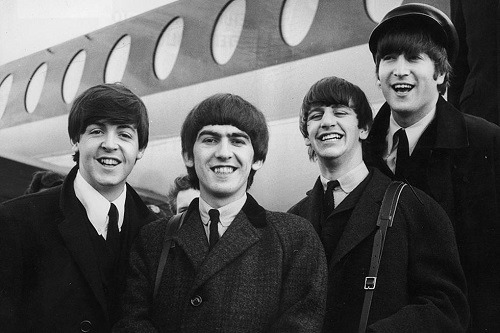
1964 really was the year of the Beatles, so let’s discuss them first. They were present almost right from the start as their “Introducing The Beatles” album was released in America on January 10th of that year.

This album preceded Capitol Records “Meet the Beatles” by 10 days and there was a lawsuit surrounding that whole issue. Capitol Records won an injunction and Vee-jay Records was not allowed to put out any more Beatles recordings.

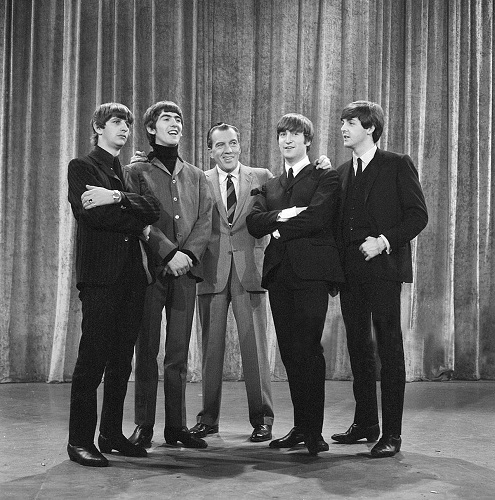
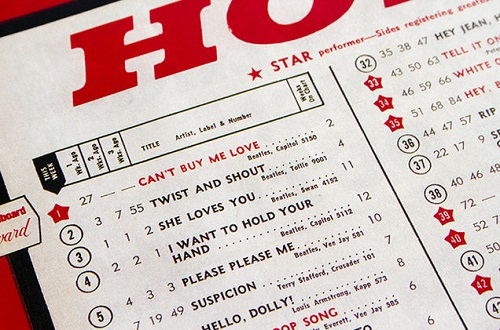
In February of 1964, the Beatles arrived in the US and appeared on Ed Sullivan’s show three times (2/9, 2/16, and 2/23). In March of 64, Billboard magazine stated that the Beatles were responsible for 60% of all single record sales! In a feat that has yet to be matched, on April 4, 1964, the Beatles held the Top 5 spots on the Billboard chart!

A week later, the boys held 14 spots on the Hot 100 Chart! That broke the previous record of 9 spots held by Elvis Presley in 1956.

In May, The Beatles Second Album was released and in July, they would release A Hard Day’s Night in theaters. “I Want to Hold Your Hand” wound up being the #1 song for the whole year of 64 (“She Loves You” was #2) To say that they played a small part in the music of 1964 would be a huge understatement.

Among the other artists that came over from “across the pond” in 64 were Manfred Mann (Do Wah Diddy Diddy), Billy J. Kramer and the Dakotas (Little Children and Bad to Me), The Dave Clark Five (Glad All Over, Because, Do You Love Me), Peter and Gordon (A World Without Love), The Animals (House of the Rising Son), The Honeycombs (Have I The Right), Dusty Springfield (Wishin’ and Hopin’), Gerry & The Pacemakers (Don’t Let the Sun Catch You Crying and How Do You Do It), Chad and Jeremy (A Summer Song), The Kinks (You Really Got Me), and the Searchers (Don’t Throw Your Love Away and Needles and Pins). It is interesting to note that the Rolling Stones debut album was released this year, but no songs appear in the Top 100 for the year.

Once you move away from the British artists, the chart has a nice variety of pop, rock, folk, country, soul, and even a few novelty songs. I think that is what made me ultimately choose this particular year.

It was nice to look over the Top 100 and see Motown represented with some classics. The Supremes hold two of the six Motown songs (Where Did Our Love Go and Baby Love), Motown was female heavy as Mary Wells (My Guy) and Martha and the Vandellas (Dancin’ In The Street) grabbed the next two spots, and the male gender was represented by The Four Tops (Baby I Need Your Loving) and The Temptations (The Way You Do The Things You Do).

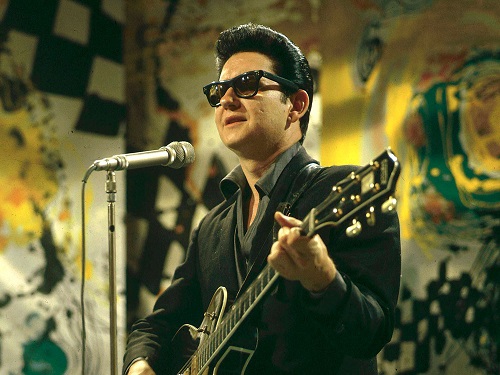
While they were not “oldies” at the time, there were some classic songs that are still in hot rotation today on the oldies stations across the country. Roy Orbison had a smash with Pretty Woman in 64, and also had a hit with It’s Over. Frankie Valli and the Four Seasons grabbed three of the Top 100 with Rag Doll, Dawn and Ronnie. The Beach Boys only entry in the Top 100 was I Get Around.

1964 brought us classics like The Drifters Under The Boardwalk, Chapel of Love by the Dixie Cups, Suspicion by Terry Stafford, It Hurts to Be In Love from gene Pitney and Come A Little Bit Closer by Jay and the Americans. Johnny Rivers had a hit with Chuck Berry’s Memphis, Bobby Freeman invited us to C’mon and Swim, Detroit’s Reflections offered up Just Like Romeo and Juliet and the Shangri-Las told us the story of the Leader of the Pack.

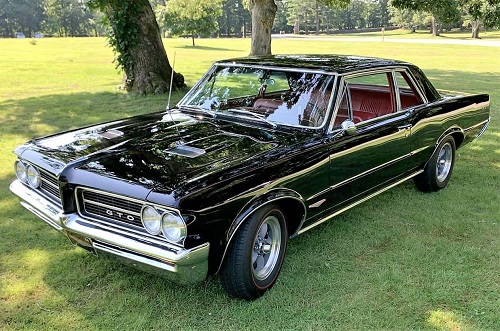
Car songs were well represented in 64! Ronny and the Daytonas had GTO, while the Rip Chords sang Hey Little Cobra, and the Hondells had Little Honda. Jan and Dean told us the stories of The Little Old Lady from Pasadena and Dead Man’s Curve, while J. Frank Wilson and the Cavaliers told us the tragic story of a Last Kiss.

Soul music is represented by The Impressions (I’m So Proud and Keep on Pushing), Joe Hinton (Funny How Time Slips Away), The Tams (What Kind of Fool Do You Think I Am), Jimmy Hughes (Steal Away) and Nancy Wilson (How Glad Am I). If you throw Blues into the “Soul” mix, the great Tommy Tucker song “Hi Heel Sneakers” was out in 1964.

Instrumentally, Al Hirt had a monster hit with Java, The Ventures had Walk Don’t Run 1964, The Marketts had The Outer Limits, and Robert Maxwell had the incredibly cheesy lounge version of Shangri-la. While novelty songs included Jumpin’ Gene Simmons (Haunted House), The Trashmen (Surfin’ Bird) and Roger Miller (Chug-a-Lug).

While Rock was dominant in 1964, there were still some pop (and even folk) songs that made the Top 100 – one of them, doing the “impossible.” Two of the biggest pop hits of the year couldn’t be more different from each other. The third biggest hit of the year belonged to Louis “Satchmo” Armstrong and his Dixieland hit “Hello, Dolly!” Barbra Streisand (who won Album of the year at the 1964 Grammy Awards) had the 11th biggest hit of the year with “People.”

Pop/Folk was also represented by Gale Garnett (We’ll Sing in the Sunshine), The Ray Charles Singers (Love Me With All Your Heart), Dionne Warwick (Walk On By), Al Martino (I Love You More and More Every Day), and Andy Williams (A Fool Never Learns). But the biggest surprise came from an artist who hadn’t had a top 40 record since 1958!

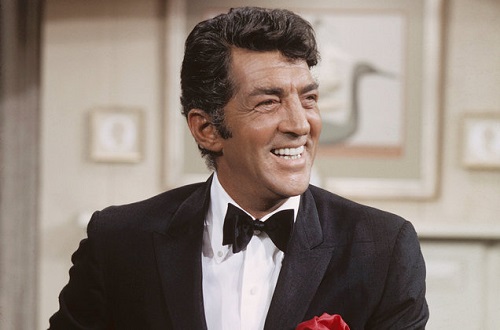
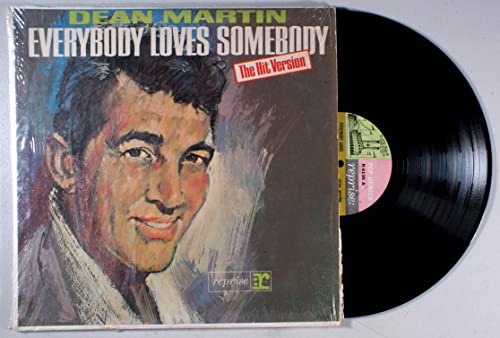
Dean Martin didn’t care for Rock and Roll. With the British Invasion in full swing, there was very little chance of him ever having another hit. His kids loved the new artists. His son, Dean Paul, loved the Beatles. Dean told his boy, “I’m gonna knock your pallies off the charts!” On August 15, 1964 – he did just that with a song that became his NEW theme song, “Everybody Loves Somebody.” (It replaced That’s Amore as his theme song)

The song knocked the beloved Beatles A Hard Day’s Night out of the number 1 spot! It went on to stay at #1 on the Pop Standards Singles Chart for 8 weeks. It also became the theme to his weekly television show in 1965.

I picked 1964 for a few reasons. Despite my initial worry about it being British act heavy, it was the year that introduced us to the Beatles (who changed the music scene forever!). It is also the year that one act held the top 5 spots on the charts (a record that remains in place). It is also the year that my favorite singer of all time bumped the biggest group in music out of the top spot.

It is also a year that encompasses such a vast variety of music. While there may be better songs that appeared before and after 1964, it truly represents a unique time in history. America was still recovering from the loss of a beloved president, there were still Civil Rights issues, and a war in Vietnam. The music of 1964 was a welcome escape from so many things.

Was it all good? No, and that is true of every year. However, as I look at the 100 biggest songs of the year, there are a lot of great songs that have gone on to become classics. There are so many songs that are still looked at as pivotal in the music scene. The fact that many of these songs are still getting airplay today is a statement to just how good they are.

Thanks again to Dave at a Sound Day for allowing me to be a part of this feature. I can only hope that my contribution is worthy of an invite to participate in the next round.

Tube Tunes….

sanford 1

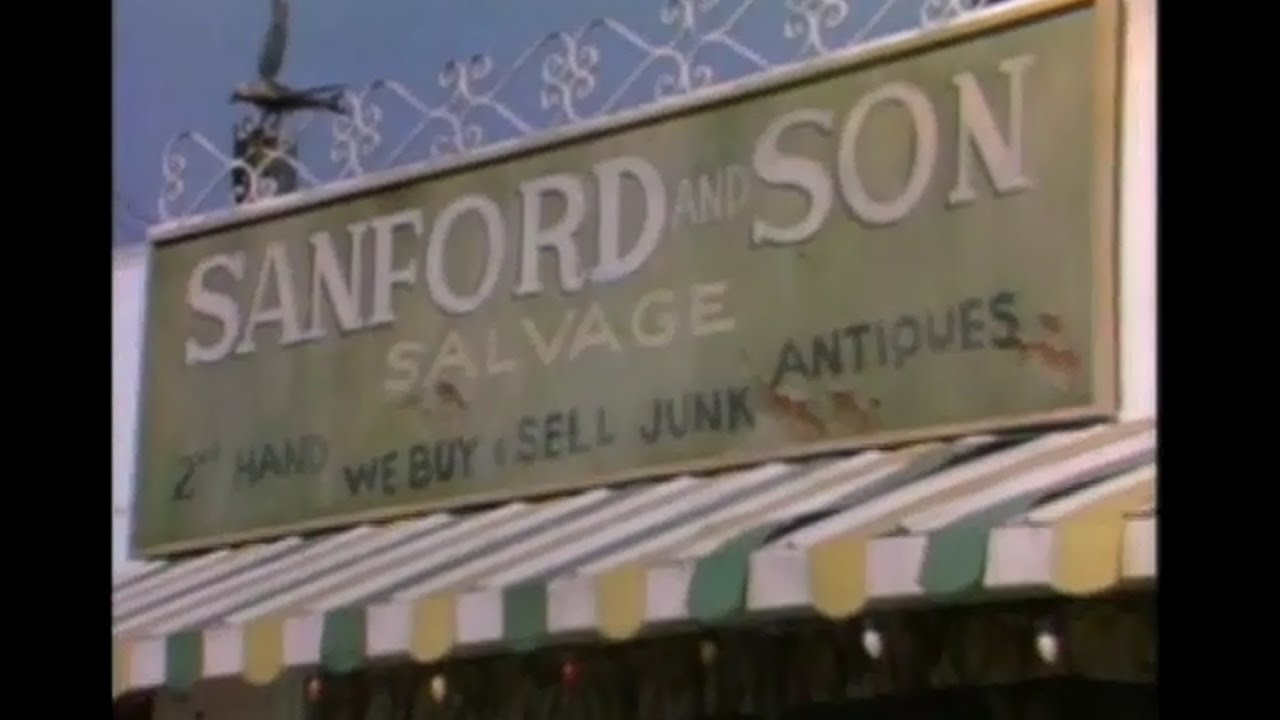
Today, Quincy Jones turns 85.  He is a legend in the music business.  He is a record producer, actor, conductor, composer, musician, TV & film producer, instrumentalist, magazine founder, entertainment company executive and humanitarian.  He’s worked with some of the best musicians and produced some of the biggest albums in history.  He has worked with everyone from Frank Sinatra to Michael Jackson.  Call my crazy, but despite all of the things Quincy Jones is known for – I remember him for one thing – he recorded the Sanford and Son Theme song!

There was just something cool about this theme song.  The opening bass line followed by the catchy melody.  To this day, I laugh when I see a beat up truck driving around, I will sing the Sanford theme out loud!  In an episode of Scrubs, JD and Turk are having a serious discussion, that eventually ends up with them singing and dancing to the Sanford theme!  Recently someone did a “mash up” with Robin Thicke’s Blurred Lines and, you guessed it, the theme to Sanford and Son.

Today, many shows don’t even bother with a theme song.  You see the credits scroll on the screen while the show is in progress.  This is sad.  A TV theme song kind of sets the mood for the show.  It will be a song with catchy lyrics or a melody that you can hum along with.  Today, lets go back and look at some of my favorite theme songs from TV’s past.  When we’re done – tell me your favorites that I may have missed.

The 50’s

Two of the earliest themes on my list come from shows considered classics.  First, The Andy Griffith Show.  This catchy tune is one that you can whistle along with.  Even without looking at a screen, whistling it makes you picture Andy and Opie walking with their fishing poles to the lake.  Second, The Dick Van Dyke Show.  What’s not to like about this one?  You only have to wonder whether or not he’s gonna trip over the ottoman when he walks in the house.

Then there is the Twilight Zone.  The haunting guitar part that plays those same four notes over and over is scary as hell!  As a kid, I remember freaking out when it was on.  Today, as I listen to it, it is perfect for the show.  It was the perfect music to play while Rod Serling explained that we were entering another dimension.  I can’t tell you how many times something obscure happens and I start humming the theme song!

Another one of my favorites was the theme to Perry Mason.  It was written by Fred Steiner who said he wanted to capture Perry’s sophistication and toughness.  The song is actually called Park Avenue Beat and it is a bluesy “piece of symphonic R&B”.  The song was re-recorded for the Perry Mason TV movies and was used by the Blues Brothers band while out touring.

Another theme song that I absolutely love, has a Blues Brothers tie in, too.  Peter Gunn is a private eye.  The initial base line accompanied by low brass instruments screams sleazy private eye.  It’s a great piece.  The song actually plays in the first Blues Brothers movie as the brothers are driving through Illinois.  They do a fine cover of it.

The 60’s

The shows of the 60’s and 70’s had some of the best theme songs!

The theme to Mission: Impossible is instantly recognizable.  It was composed by the great Lalo Schifrin.  What’s neat about the song is that it is in 5/4 time.  From the opening note – you can see the fuse light up and begin to burn.  It’s such a cool piece of music.  I was glad that they used it in the movies with Tom Cruise (even though I disliked them).

Wanna sing along with the theme to Batman?  You only need to sing the word “Batman” and you got it!  Neil Hefti, who was a composer and arranger, composed the theme with it’s simple guitar lick and vocal.  It was a hit for Hefti, The Ventures, and the The Marketts.

William Dozier, creator of Batman, also created the Green Hornet.  Even though the show didn’t last long, the theme song is memorable for a few reasons.  First, it is based on the classical piece, The Flight of the Bumblebee.  Second, playing the trumpet on the song is the great Al Hirt!  Classic!  One that you will hum for days.

Who can forget the theme to the Monkees?  “Here we come, walking down the street.  We get the funniest looks from, everyone we meet….”  Hey!  Hey!  They’re the Monkees!  For this show, they gathered 4 guys with little or no musical experience and made them a band.  The show appealed to kids and adults alike.  It was fast paced with quick jokes and 4 lovable characters who featured many of their hit songs on the show.

In the 60’s the guitar played a big part in theme songs.  Think about this, The Munsters theme had such a catchy lick that was sampled for the song Uma Thurman by Fall Out Boy.  It was cool enough to sample for one of today’s hit songs.

One of those great guitar theme songs was to Get Smart.  The opening sequence changed a little from season to season, but it always included Don Adams walking through a corridor with sets of doors one right after another until he finally makes it to the payphone that gets him into CONTROL headquarters.  Love this song and it never fails, if I am ever walking down a long hallway – I will almost always start to hum this song.

I mentioned the Ventures earlier, and they have one of the coolest theme songs – Hawaii 5-0.  It was a huge instrumental hit for the band.  It’s a great balance of guitar and horns.  The use of the tympani drum and the pyramid effect by the horns in this song is masterful!  It’s one of those theme songs you instantly crank up.

The 70’s

Disco was in and some theme songs were just “funky”.  Two examples of this are Barney Miller and it’s spin-off, Fish.  The funky bass in the two theme songs is prominent and sets the tone for the them.  The guitar melodies blend in and make them two themes that you could listen to over and over.  The horns in Barney Miller continue to crescendo to the end of the song itself.  It started slow and funky and ends in such a way that when it’s over you are disappointed cause you want more.

Norman Lear was a staple of 70’s TV.  He created All In The Family, Maude, The Jeffersons, Sanford and Son, Good Times, and the list of his credits goes on and on.  The Jeffersons was a spin-off of All In The Family.  George Jefferson is “moving on up” to a bigger and better life and that’s where the theme song sets you up.  It tells you the story.  The theme song was written by Ja’net Dubois (of Good Times) and Jeff Berry and sung by Dubois and a gospel choir.  Her vocal is amazing and so is the song.

How do I describe the theme song from What’s Happening!!?  As the show opens, the main characters are running down a sidewalk bouncing a ball.  The music kinda sounds like a ball is bouncing and then the soprano sax jumps in.  It’s odd, but it’s catchy.  It’s also written and composed by one of the most respected men in music – Henry Mancini!

The 70’s introduced us to the superhero Wonder Woman.  I do not know a boy alive who did not have a crush on Lynda Carter.  Much like the Batman theme, this theme repeats the character’s name a few times, but then expands on how wonderful she is.  There is a funky little bass line that drives the song and I can’t really remember much more because I was watching Lynda Carter run ….

Welcome Back, Kotter was the show that introduced us to John Travolta.  It was a comedy about a guy (Gabe Kaplan) who goes back to his old neighborhood to teach.  The show was originally going to be called Kotter.  The title was changed, however, because of the theme song.  It was written and recorded by former lead singer of the Lovin’ Spoonful, John Sebastian.   The song hit the charts and went all the way up to #1.  This song give you the feel of the “folksy” 70’s.

The 80’s

There are so many great theme songs from the 80’s!  Let’s start with Night Court.  Night Court’s theme song throws me back to the 70’s because of that funky bass open.  You also have that soprano sax melody.  It’s not a long theme, and when it’s done, you wish that you could find somewhere an “extended club mix”.

Police Squad only produced 6 episodes and it was cancelled.  It starred Leslie Nielson as Lt. Frank Drebin.  At the time, the network didn’t think that a show like Police Squad would be something an audience would want to watch (so they could catch all the jokes – remember, this was done by the guys who gave us the movie Airplane!).  The theme song was accompanied by a voice over announcer reading the credits.  He would also announce tonight’s guest star (who would always die during the credits) and give the name of the episode (which never matched with the title read on the screen).  Thankfully, when the Naked Gun movies were made, the kept the theme song.

In 1980, Urban Cowboy hit theaters and country music was all the rage.  It only made sense that we’d have a country comedy show on TV.  That show was the Dukes of Hazzard.  Talk about big name singers – Waylon Jennings sings the theme song, and he was also the show’s narrator.  The song was released as a single in August of 1980, and it went to #1 on the Billboard Country Charts!  Yee-haw!

The 90’s

It is here that we begin to see the decline in the use of the TV theme song.  As a matter of fact, it became a habit to edit them down to 10-30 seconds from the already short 60 seconds.  There are some that stand out for me though from this decade.

Tim Allen’s Home Improvement was a show based on his comedy act.  His grunts and vocalizations intermingle through the theme song, almost as if they are a part of the musical score.  The theme song almost sounds like a “work” song, both in sound and in tempo.

Seinfeld was one of those shows who used a theme song for a while, and used it at the end of the show, but often times especially in the show’s later seasons, it was shortened.  The bubbly, poppy, twangy bass, and silly feel will forever be associated with the show about nothing and it’s silly characters.

From the opening guitar of “I’ll Be There for You” by the Rembrandts, you are in New York with Ross, Rachel, Chandler, Joey, Phoebe and Monica.  The theme to the show Friends was an international hit.  It was a song that was requested on radio and used at wedding receptions to introduce bridal parties.  The song is heavily influenced by the Beatles (I Feel Fine) and the Monkees (Pleasant Valley Sunday).  It was originally just one minute long, but the band went in an recorded an extended version, which became a radio hit.

Who could forget It’s Garry Shandling’s Show?  The show, in itself, was silly.  Garry interacts with the cast, but often will interact with the studio audience as well.  It was just so weird.  The theme song is just as weird.  It’s a bouncy song that basically references itself (this is the theme to Garry’s show) and tells you how it came to be (Garry called me up and asked if I would write his theme song) and then asks how you like it (we’re almost halfway finished how do you like it so far?).  The melody is so catchy, you can’t help but want to sing (or whistle) along with it.

Wrapping up

With the TV theme song becoming more and more absent from TV…what are your thoughts?  Which ones did you love growing up?  Which ones do you still sing?  Which ones did you hate?

Now it’s your turn – I look forward to seeing your comments.