This week, I got an unexpected package in the mail. The contents made me laugh out loud. Let me set it up for you…
I woke up one morning after having a ridiculous dream. In the dream, I was meeting my old radio buddy, Johnny Molson. I do not know the reason for our meeting. In the dream, he hands me this tricycle. The thing is literally beat to hell. It is rusted and the front wheel is bent. I am speechless and have no idea what to say. Before I can say anything, John says:
“The guy at the antique shop says it could have, and probably belonged to Dean Martin! See the whiskey stains on the seat?!”
I wake up and chuckle from this dream and I message him to tell him about it. He responds:
I responded that if I ever got ahold of Jerry Lewis’, I would do the same.
That had to be two or three weeks ago. I had all but forgotten about this until I got home from work one night. The package was sitting on the kitchen counter. When I opened it, I saw a picture frame. As I pulled it out of the box, I began to laugh out loud. The picture?
That wasn’t all. There was a note:
It was a much needed laugh. Even as I look at the pictures in this blog, I’m laughing. It is so important to have friends who will go the extra mile and put extra effort into getting a laugh. John and I have been friends for over 30 years and I’ve always appreciated his quick wit.
Welcome back to The Music of My Life, where I feature ten songs from each year of my life. In most cases, the ten songs I choose will be ones I like personally (unless I explain otherwise). The songs will be selected from Billboard’s Year-end Hot 100 Chart, Acclaimed Music, and will all be released in the featured year.
One of my comedy heroes has always been Jack Benny. He claimed to be 39 for most of his career. It was one of the many personality traits built into his comedy character. In 2009, I actually turned 39 and have celebrated the anniversary of my 39th birthday ever since.
2009 once again brought changes as it was when my partner and I were let go from our morning show. They replaced us with a form of syndication. They had one person in Flint, and the rest of the crew was on the west side of the state. It hurt because we always talked about the importance of being local. Now the majority of the show is miles away and the only “local” Flint got was traffic and weather.
I think had they let us continue, we would have continued to do well in the ratings. Our program director loved what we were doing. When he passed and a new one came in, I always felt that they had it out for us. Why? So that they could do the morning show instead. In a sense, that is what happened.
It is one of those things that I have to look back on. When I do, I know that had that not happened, my life may have turned out very different. So I have to look back and be grateful for where I am now.
Ok, let’s look at some music.
I wrote all of the above without realizing that my first song is Lucky by Jason Mraz. This was the song that one of my former sisters-in-law used as her wedding song. Of all of my ex’s family, I miss her the most. I used to love making her laugh out loud. I think of her often.
This was a song I really liked right from the get go. I loved the blend of their voices. What was neat was to hear of their mutual love for each other’s music. Colbie Caillat said:
“He (Mraz) emailed me many months ago, saying that he loved my music, that he’s heard my album and he has a song on his album that he wanted me to help him finish writing and collaborate with. We finished writing through email. When he was in London recording his album, I was over there doing promotions for my album and I went over there to do vocals.”
Jason said:
“I became a fan of Colbie through MySpace and just cold-called her to see if she’d want to write and sing together. I dug her laid-back style and her attention to little things that make relationships work. She was a delight to share the mic with.”
They recorded the song without telling their respective record labels. The labels were not really into the idea. Those labels were obviously wrong as this won the 2010 Grammy Award for Best Pop Collaboration with Vocals.
Lucky
It has been said that “men only want one thing.” I suppose there are many “things” that can be interpreted to be that “one thing.” If you think that one “thing” is money, well, here is a song for you.
I remember the first time I put this one in the CD player at work. It follows the classic “flip.” In other words, you have this slow, serious sounding introduction. That is immediately flipped into something not so serious. Does that make sense? Give it a listen and you will understand what I mean, I hope.
The Trace Adkins songs I have featured here have always had a very serious tone to them. He has had his share of hits with that serious tone, too. But every artists needs to break away from those ultra serious songs now and then. Trace says:
“It’s just fun stuff. You have to try to balance these records. I try to go deep on some, but you’ve got to do some that are just mindless – just stuff you can listen to and turn it up loud and drive fast and just have fun with it and smile and sing along and laugh. You’ve got to have that stuff.”
That’s exactly what “Marry For Money” is. It is the picture of a low down, cheating, male gold digger. And with that being said, it is fun to listen to!
Marry For Money
I had DJ’s enough high school and middle school dances to hate Miley Cyrus. Urgh! That Hannah Montana stuff that the kids loved was just crap to me. That is until I heard, The Climb. It was the first song where I felt like, “Ok, she can sing” and “That song is a hit!”
The song was written by Jessi Alexander and Jon Mabe. I was worked with Jessi before, as she did a show for our listeners at the Moose. She seemed shy and quiet, but she sang like a superstar. I always thought her debut album should have done more.
This was the first single to be taken from the soundtrack of the 2009 Miley Cyrus film Hannah Montana: The Movie. When this reached #1 on the on the Adult Contemporary chart, Miley was 16 years and seven months old. This meant she was the youngest artist to top that survey since LeAnn Rimes. It was Miley’s first #1 single on any of Billboard’s airplay charts.
The song’s lyrics remind me of the poem “The Dash.” The poem is about a grave stone’s dates and the dash between them. Life isn’t about the date of birth or date of death, it’s about what happened between them – the dash.
Here is the chorus of The Climb:
There’s always gonna be another mountain I’m always gonna wanna make it move Always gonna be an uphill battle Sometimes I’m gonna have to lose Ain’t about how fast I get there Ain’t about what’s waiting on the other side It’s the climb
Life is about the climb!
The Climb
The next song is one that really hits home for me. Not that it was important in 2009, however, it reflected my thoughts on a situation in the mid-90’s. Without giving too much info that folks who know her would figure it out, here is the story.
There was a gal who I really liked. Ok, loved. I hated seeing her with this other dude, who totally treated her like crap. She deserved more. Deep down, I wondered if I ever got a shot to be with her. If I did, I would treat her much differently. I would treat her like he should have. She would often come to me upset because of her relationship. I wanted to scream, “Dump him! I’m here!” That never happened.
Taylor Swift explained the song this way:
“This song is basically about wanting someone who is with this girl who doesn’t appreciate him at all. Basically like ‘girl-next-door-itis.’ You like this guy who you have for your whole life, and you know him better than she does but somehow the popular girl gets the guy every time.”
Last I heard, that gal married the guy. We lost touch, because of that guy. We were such good friends at one point. It is sad to think about.
You Belong With Me
When I used to DJ, I sort of had a rough play list. I started almost all of the weddings the same way. I would play Unchained Melody after all the wedding dances were done. This got all the couples on the dance floor to dance. After it, I would play a fast song to keep the floor packed. Depending on the age group, it might be Old Time Rock and Roll, Gettin’ Jiggy Wit It, Get The Party Started, or something else.
When the Black Eyed Peas released I Gotta Feeling, it was my go to “kick off” song. All age groups loved it. It was the perfect song to talk up, too. “I gotta feelin’ we’re going to have a great night tonight! What song can I play for you, etc….”
It was a great party song and a great radio song. The song was a number 1 song for 14 weeks! The song was the first ever single to be downloaded more than one million times in the UK. Said Fergie:
“It’s exhilarating to know we are so connected to our Peabodies. Hopefully the good vibes from that song will continue to brighten people’s lives.”
According to will.i.am, he literally dreamt up this tune. He said:
“I’ve written songs right from a sleep. Have you ever had a dream where there’s a melody in your dream? I’ll wake up out of my sleep and record that! ‘I Gotta Feeling’ was one of those songs.”
I Gotta Feeling
Next is a song that I remember playing when I worked at the Adult Contemporary station. I was, of course, familiar with Colby Caillat’s music already. It wasn’t until I had moved in with Sam while going through my divorce that the lyrics of this one took on a whole new meaning. I really did begin to fall for her.
Caillat explained to Elle that the song is:
“about falling for a guy I was friends with. We went out on a date and I realized that there was no one else in the room. The room was silent, and I was on this high from it the next day and wrote this song.”
If the guy in the video looks familiar, Colby explains why:
“Bobby Moynihan from SNL plays my love interest, and the whole video is about this guy who’s not my type, but he does all these dorky things on our date that somehow impress me. So he picks the roses from my garden instead of buying me flowers. And then we’re going to go surfing and he almost hits me over the head with the surfboard. And he also has this really funny fantasy dream where he’s dressed all ‘Guido’ in white shoes and his chest is showing and I’m in this ridiculous bathing suit with huge hair and we’re dancing at a DJ party on the beach. It’s just a funny, silly video.”
Falling For You
I have been friends with a gal for almost 40 years. She always said, “Remember to smile, it’s contagious!” I always loved that. There are plenty of great sayings about smiles. “Smile, it makes everyone wonder what you’ve been up to” is another great one. One of my favorite DJ’s used to say, “If you are walking down the street and you see someone with no smile, give them yours and tell them Don Alcorn says hello.”
There are some great songs about smiling, too. “When You’re Smiling” by Dean Martin and “Smile” by Nat King Cole immediately come to mind. Well, Uncle Cracker’s isn’t a bad one either.
Uncle Kracker told Billboard magazine this is: “probably the most positive song I’ve ever written.” He added that the overall tone of the album Happy Hour, “is pretty positive in light of everything that’s going on in the world.” He said: “I made a conscious decision to try something positive. It’s what I needed. it’s a positive spin on everything.”
It’s one of those positive songs that I love!
Smile
Remember the saying, “A stranger is a friend that you haven’t met yet?” That was the thought I had when I heard the title of this Michael Buble’ song. Whether it is an unborn baby or a future lover, the song can have special meaning.
When it came time to record the Crazy Love album, Michael told song facts:
“I started this record knowing I was going to record it differently than my previous ones. I dug way deeper and was more introspective on this one. Basically, I sang the truth – made each song autobiographical – and you can definitely hear the difference. I went back to the way my idols made their records. I wanted an organic feel – so people could feel like they were in the studio with me. The musicians and I all sat in the room, recorded it right from the floor and we let the sounds all come together and bleed into one another. It’s not contrived. Not too perfect. It just feels really good.”
In an interview with The Associated Press, Bublé was asked what the message is he’s trying to send with Crazy Love. He replied:
“I think the message is that all of us can relate to this feeling, this emotion called love and it’s a complicated feeling. It doesn’t just come with butterflies in the stomach and happiness and sunshine and lollipops, it comes with heartache and jealousy and sometimes rage and sometimes insecurity and sadness and regret. It’s a beautiful, complicated, and really special feeling that keeps us all connected.”
This was the first recording by a jazz crooner to reach the Top 30 of the Billboard singles chart since Norah Jones’ “Don’t Know Why” seven years previously in 2003.
Haven’t Met You Yet
The next song stood out to me because of the sound. The first time I heard Hey Soul Sister by Train on the radio, I loved it! That ukulele cut through like a knife to me. Train’s Pat Monahan said, “The ukulele made everybody happy. I think that along with the song itself and the melodies, people gravitate towards that positive part of it. The ukulele made a big difference.”
He told Billboard that the song and the album were a return to their folk roots. He said:
“There’s super catchy riffs and melodies in it, which I think are way more important that any production trick or great-sounding vocal production. It’s kind of us going backward so we can go forward.”
The song was the most downloaded on iTunes in 2010 and is just a great feel good song.
Hey Soul Sister
Lady Antebellum (Known now as Lady A) was one of those groups that came through on a radio tour and left me speechless. They were SO good. I knew that they would be stars. They music they played, their vocal stylings, the dynamics of the group – they had it all.
Lady A is Charles Kelley, Hillary Scott and David Haywood. Need You Now was from their second album. Hillary Scott explained that the song, and many others on the album, “Are about what we are learning as we go through the ups and downs of different relationships.” She added: “All three of us know what it’s like to get to that point where you feel lonely enough that you make a late night phone call that you very well could regret the next day. But you do it anyway because it’s the only thing that’s going to give you any relief in that moment.”
Charles Kelly said that initially there some concerns about the song’s lyrical content from executives at their record label. “The response from the get-go was so big,” he said. “I remember even having some conversations with the label and people were [saying], ‘Oh no, hope they don’t get offended by the ‘I’m a little drunk and I need you now’ line. And I said, ‘But that’s honest! We’re talking about Country radio, right? What happened to the old Waylon [Jennings] songs and stuff and people said what they felt?’ It’s storytelling.” Dave Haywood added, “The three of us have been there, too. I mean, we’ve been in serious relationships and when you get out of that, all you want is that person next to you.”
I don’t know one person who hasn’t felt that way after a break up. The song connected with people everywhere and went straight to # 1. When this ballad reached #1 on the Adult Contemporary chart in its 10th week, it achieved the quickest climb to the top (excluding seasonal titles) since Phil Collins.
Lady A performed “Need You Now” at the 2010 Grammy Awards, where it won for Record of the Year and Song of the Year. It marked just the second time a country song won the Record of the Year prize and the third time Song of the Year went Country.
The song is a great song, and sadly at its peak was overplayed on the radio.
Need You Now
So there you have my picks from 2009. Did I pick one of your favorites? Did I miss one of yours? Tell me about it in the comments.
Welcome to the first Turntable Talk of 2025, hosted by Dave of A Sound Day. This is the 34th round, if you are keeping track. If you are a new follower, let me fill you in on how it works. Dave Ruch offers up a musical topic to a group of us music fans each month. Each of the writers come up with a response to the topic and Dave runs each piece on his website.
We have had some fun and interesting topics, and this one is no exception. This time around, Dave asks, “What’s my scene?” Our instructions: Pick a sort of music “Scene” that either you would have liked to have been a part of or one that you think really created a lot of the music you love. Pick a general place and time and have fun….
My fellow music bloggers know my musical tastes pretty well by now. So, let’s see a show of hands – How many thought I’d pick The Rat Pack in Vegas? I almost did, but I know I have written on a live Rat Pack show in the past. Honestly, as awesome as that would be, the more I thought about it the more I leaned another way.
My scene certainly influenced the Rat Pack. Dean Martin cut an album called Swingin’ Down Yonder. Frank Sinatra recorded albums titled: Sinatra Swings, Songs for Swingin’ Lovers, Swing Easy, Sinatra’s Swingin’ Session, Sinatra and Swingin’ Brass, and A Swingin’ Affair! You know what the song says, “It don’t mean a thing, if it ain’t got that swing!”
As a mediocre trumpet player, I have always loved Big Band/Swing music. Most folks would consider the Swing Era to be from the early 1930’s to around the mid 1940’s. Even though swing music was prominent in the early 1930’s, it was often ridiculed for its style and feel. Some went as far as to call it a menace (much like Rock and Roll when it gained popularity). After 1935, big bands rose to prominence playing swing music. They held a major role in defining swing as a distinctive style.
There were many big bands on the scene at this time. Each had a very distinct sound and feel to it. For example, Glenn Miller’s orchestra often used a clarinet lead. Count Basie’s sound has a relaxed feel to it. Benny Goodman used a driving and hard swing sound. Duke Ellington’s songs has a sophisticated sound to them.
The band leaders often took the spotlight. They were amazing instrumentalists. Harry James and his trumpet, Benny Goodman and Artie Shaw on their clarinets, Gene Krupa on his drums, the trombones of Tommy Dorsey and Glenn Miller, and Lionel Hampton’s vibes. Along with those great leaders, there were plenty of talented musicians within those bands who went on to make a name for themselves.
Perhaps Sinatra recorded his many swing songs because he rose to fame alongside Tommy Dorsey. He was one of many singers who sang with those big bands. Others included the voices of Ella Fitzgerald, Billie Holiday, Kay Starr, Peggy Lee, Doris Day, Kitty Kallen, and Dick Haymes. While they all started with the big swing bands, they also went on to have prolific careers.
During the swing era, the big bands would often play at dance halls across the country. They appeared on the radio playing dance music. Some appeared in movies, and all of them made records. Their music had teenagers and young adults dancing until their feet hurt.
As years went on, the taste of music listeners changed. Swing began to fade away to make way for music that was less “danceable” like bebop. Many of the swing bands broke up, while other continued without their original leaders. The Glenn Miller Orchestra still tours today, for example.
When I put on headphones and listen to old big band recordings, I picture myself there listening. I picture myself in one of those great 1930’s suits with a stylish fedora.
Maybe it is in a dance hall or at a live concert. Maybe I am in the audience of a radio program where the band is playing. Wherever the music is being played, I am zoned in on it. I am listening to the drum beat of Sing, Sing, Sing and Benny Goodman. I can hear the vibrato of Tommy Dorsey’s trombone solo on I’m Getting Sentimental Over You. I marvel as I watch and listen to Harry James play his theme song, Ciribiribin.
Throughout the evening, I will study those great instrumentalists who improvise solos off the top of their head. Looking at nothing but chords and making up their own melodies. This is something I wish I could do as a trumpet player.
In all honesty, in my “scene,” I would be happy as a clam to just be in the audience. It would be the bees knees just watching those guys swing! Yeah, I can totally see myself swinging, singing, and dancing to the sounds of swing.
Thanks again, Dave for inviting me to take part in this feature. It is always fun to contribute and to read the other submissions. I’m already looking forward to next month’s topic!
Today is a day to celebrate the Disc Jockey. I was lucky enough to be both a radio DJ and a Mobile DJ. I have mobile DJ stories, but they aren’t as interesting as my radio DJ stories. This is an adaption of an earlier blog. If you are a newer follower, these will be new to you. If you’ve been around since the inception of this blog, enjoy these again.
In my over 30 year radio career, I have (like all of my radio friends) a gazillion stories. There are some that I just can’t share here. But, here are some that I’ll share off the top of my head. I am sure there are plenty more, but for now – enjoy these:
WKSG –
My career started here. I was a lowly intern ripping news and sorting it. I then started to intern with Paul Christy, the morning guy. He eventually was responsible for me doing overnights full time.
Keith Who?
I only used my real name once in my entire career – and almost didn’t. Every hour at the top of the hour we had to play our Legal ID. The FCC requires the station to identify itself and where the signal originates from. Our Legal ID had was what we called a “donut” in the middle of it. The voice guy gave the station slogan, followed by the Station ID. After that there was a 2-3 music bed where the DJ would say what time it was and their name. I’d heard it a hundred times. “It’s 10 O’clock and I’m Jim McKenzie”, “It’s 3 O’clock and I’m John Bailey”, “It’s 7 O’clock and I’m Johnny Molson” – every jock did it. My first night ever on the air, I hadn’t decided what name I was going to use yet. The ID played and I had no choice – “It’s midnight and I’m … (brain fart – and real name)”. I really had no intentions of using my real name, I just hadn’t decided on my on air name yet. A gal I went to high school with was listening that night. I remember her calling and asking if I was Keith (real name). It freaked me out. She told me that she heard my that first night and thought that I had said my real name. I used Keith Allen every day after that and have never been anyone else.
Thinking Inside the Box
Speaking of those live ID’s, Johnny Molson was on before me each night. It seemed that he and his crew always were trying to mess with me when the ID played. They would make weird noises, bang on cart racks, or knock over my music stack. They would do all kinds of things to try to get me to mess up when I turned on the microphone. . Sometimes they’d get me to crack up and sometimes I was able to keep it together.
One night, the time was ticking away to the ID and they were all out of the studio. The ID started and I heard the studio door behind me open fast. They had found a huge box and as I started to talk, they threw it over my head. My hands, thankfully, were still by the mixer board so I could see what button I had to push next. I didn’t know what to do, so I just continued to talk with the box was over my head. Listeners heard nothing but a muffled voice and the music bed. Johnny was cracking up the whole time. He told me, “I can’t believe you just kept going”!
Saturday Snooze
At one point during my time at Kiss-FM, I was doing Friday night and Saturday mornings. This consisted of me being on air from 12a-6a doing my own show. Then running Paul Christy’s show on tape from 6a-10a.
I don’t recall why I hadn’t slept much the day prior, but I was tired. I finished my show at 6. I got about an hour into Paul’s show, and I was feeling exhausted. I had started a song, put my elbows up on the board, my fists to my cheeks, and nodded off. About 20-25 minutes later, my head fell from my hands and I was startled awake. I had no idea where I was. The phones were all lit up, and nothing was on the air!
In a panic, I grabbed the first song on the music stack and jammed it into the machine. Fittingly, the song was “You’ve Got Your Troubles” by the Fortunes. Once the music started, the phones stopped ringing. I, however, knew that Paul was always listening! I dreaded the call that I knew was coming. I was sure to get fired for messing up his show! 10 minutes later the “PC hotline rang”.
I answered it and as usual, Paul was chomping on something (he was always eating when he called). “How’s it going?”, he asked. There was no way he didn’t hear the silence! He had to have heard it, I knew he did. Why wasn’t he saying anything? I finally blurted out that I had fallen asleep for a couple minutes and awaited the verbal beating. Nope. Not Paul. He laughed and said, “You Asshole! I remember this one time I fell asleep while I was at Super CFL in Chicago….” and told me his sleepy story. That was the kind of guy Paul was … a damn cool dude!
Hot Java
One more Paul story for you. He drank coffee all throughout his shift. He liked it black and hot! One time he had Vince, a morning show member, get him some coffee. It sat next to him for awhile while he was doing other things. He finally grabbed it and took a sip. He was disgusted.
He yelled, “What the hell is the matter with you guys?! You call this hot coffee?! I could piss warmer than this!! Get me some fresh stuff and make sure it is hot!” So Vince went to the coffee pot, filled the cup and then put it in the microwave for about 2 …or 10 minutes. I don’t remember, but it was in there for a good while. He took the steaming cup to Paul. Well, rather than setting it down as he normally did, put it to his lips and took a sip. Needless to say, it burned the hell out of his tongue and lips! Paul yelped, “Jesus! What is wrong with you?!” Holding his tongue in pain, he continued, “I use this thing for a living!!” I think every one of us broke a rib laughing so hard. I can still see him holding his tongue with one hand and fanning it with the other!
WMXD
I followed Paul here to do some part time work after being let go from Kiss-FM. The format started as a mix of Urban/R&B music and Pop. Eventually it went all R&B and Urban. It was here that I met The Electrifying Mojo.
Keef
I had known of Mojo for years. He was a Detroit legend. He had this mysterious persona on t he air. I don’t know that there were any photos of him anywhere. So when I saw him for the first time, I was taken aback. He was much shorter than I had imagined.
I have to say, Mojo was one cool dude. He played most of his stuff off vinyl records. The thing I remember most about Mojo was that the studio was always like a sauna! It was always SO hot when I came in. I don’t know how he was able to work with it that hot.
The studio was always a mess, too! Not garbage messy, but music messy. There were always vinyl records all over the studio. He’d have them stacked on the reel to reel tape machine or on the counter tops. Sometimes, there were stacks of them on the floor of the studio. With the records everywhere, it was hard for me to get in and gather the first hour of music for my show. You could barely move in the studio.
He always called me “Keef” or “Baby Keef” when he got ready to wrap up his show. He had a signature line that he always said at the end of his show:
“Hold on tight. Don’t let go. Whenever you feel like you are reaching the end of your rope – tie a knot. Don’t slide off. Keep hanging. Keep remembering that there ain’t nobody bad like you.”
I had heard him say this on the radio many times, but to watch him say it live in the studio … I was in awe.
WHND
Honey Radio! I grew up listening to this station and I was honored to have the chance to work with radio legends! Richard D, Jon Ray, Boogie Brian, Ron Tavernit, Bill Stewart, Greg Russell, and so many others were such an influence. Honey was the first oldies station in the country – and I got to be there as they turned out the light…..
Worst Five Minutes of Detroit Radio – EVER
You can read all about my buddy Rob in a previous blog. I am not sure if I tell this story in that blog or not, so I apologize if I did. It was the last week Honey was on the air – the week of Thanksgiving 1994. Our listeners knew that this was Honey’s last week and we had been given free reign to have fun.
We had a listener who used to call up and his name was Mitchell. I had gotten to the point where I could do his voice pretty well. I had been doing a character based on the real listener and I called him “Mitch”. True story – Mitch would call and talk to us and really never have anything to say. He’s jump from topic to topic. If you let him, he’d never stop talking. So I decided to prerecord some calls as Mitch where I just rambled about nothing and then hung up. Afterward, we’d say something like “He’s a nice guy, but ….” kind of a thing. It was ridiculous.
So now it’s the last week we are on the air. It had become clear that some people were upset the station was going off the air. They were calling us in the studio and calling the managers to voice their anger. I said to Rob, “I bet Mitchell is really angry about the station.” He said, “They better lock the doors, man. That guy is likely to come in here with a gun or something. That was the idea. So we planned a bit.
I was going to do the character live on the air. I was going to come in and say how upset I was the station was going off the air. I would yell and scream and (using the theater of the mind) pull out a gun and start shooting it (keep in mind this was 1994 and public shootings were not as prominent). At this point in the bit, our bouncer character (loosely based on Charles Bronson) was going to come in and grab the gun. He would then beat up “Mitch” and throw him out the studio window. To accomplish the bit we needed sound effects (to make it sound real on the air).
To help you understand what happens next, here is a picture of a studio. It is not the WHND studio, but the Cart machines in the picture are like the ones there.
If you look at the left side of the picture, you will see the machines above the headphones. There are three machines on the left, a stack of carts in the middle and three machines on the right. At Honey, the machines went like this:
1 4
2 5
3 6
Ok, now to the mess.
We had these 6 cart machines and every song, commercial, or sound effect was on its own cart. So in cart player #1 was the song we just played. Cart #2 had the door closing sound effect for when Mitch comes in. Cart #3 holds the gunshot sound. Cart #4 is the “fight scene” – the sound of two guys beating each other up. Cart #5 is where the sound of glass breaking (the studio window) for when Mitch gets tossed out . Finally, Cart #6 had our first commercial.
The plan was that after Mitch was thrown out the window, we would go to a commercial break. I would have already put the commercial we were going to play first in Cart player 1. Once the glass breaks and we wrap up the bit, go to commercial and proceeded with the show. That however, is NOT how it happened on the air.
As soon as I began to do the character live on the air, I saw Rob crack a smile. That is all it took. Seeing him smile made me start to laugh hard. As his Elvis character, Rob tries to save the bit. So I once again try to do the “Mitch” character – which only made me laugh harder. By this point we are both laughing so hard that we have tears in our eyes. Rob, as Elvis, says “That takes care of that bit, man!”
Because we are totally losing it on the air, my first thought is PLAY THE COMMERCIAL! I go to start the commercial, but the commercial never made it to the machine! So the button I pushed was the gunshot sound effect, which only made us laugh harder….you hear us dropping carts and shoving the commercial in the machine and finally we went to commercials. I have often called this the worst 5 minutes of Detroit radio. To me it is also the funniest 5 minutes of our show.
Update: I found the Audio and made a YouTube Video:
My apologies ahead of time …
Becoming The President
The late Richard D was one of the funniest men I ever worked with. He gave me lots of direction and I have talked about him in previous blogs, as well. I was producing his show the Top 12 at 12. This was an hour of his show which featured the Top 12 songs in Detroit on that day. They found those 12 songs from local charts from radio stations and newspapers. Each day featured a different year.
It was a fun show to produce. It included new stories, TV and movie clips, old commercials, info about how much things were from that year, etc… Richard had to play that day’s 12 songs from the chart. Every now and then there was extra time because of short songs. We would then give him songs that were on the charts from that week to play as “extras.” Usually it was a song that was just being released or had been a hit earlier in that year.
On one show, the countdown was from 1966. I had put a Dean Martin song in there as an extra and he played it. After the song, he made some comment about it not being the greatest song or something and moved on. So I went into the studio, as I often did, to give him crap. I said something along the lines of “Why are you messing with Italians! Dean was Italian and so I am I! Look here you “old bastid (a term of endearment), If I were you, I’d watch what you say about Dean Martin … and Frank Sinatra for that matter!” The whole time he laughed. I left the room as he continued to laugh hysterically.
I thought that would be the end of it, but Richard loved an opportunity to make me the butt of a joke. After the next song he said on the air, “Ladies and Gentlemen, I must offer an apology. A little while ago I played (whatever the song was) by Dean Martin and made some negative remarks about it. Immediately after that, Keith Allen came in here with about 12 goons who roughed me up a bit and told me that my comments were distasteful. So I must now publicly apologize. I really had no idea that Keith Allen was the President of the Dean Martin Fan Club!”
From that day on, I always tried to find a way to sneak a Dean Martin song into my show. After each of those songs I would say I was President of the Dean Martin Fan Club.
Related side story
When Honey went off the air, I received a package from a listener named Sandy. She and I remain friends with to this day. The package was a complete surprise and it was awesome. Sandy had sent me a membership to the REAL Dean Martin Fan Club! To make things even better, there was a note in the package. It read: “I thought you might actually want to be a member of the Fan Club you claim to be President of….”
The Sign Off
For years I listened to Boogie Brian rhyme as he talked up song intros until he nailed the post (where the vocalist starts to sing). He would do this with no effort at all. His energy was constant and the smile in his voice was ever present – until November 25, 1994. That was the day Honey stopped broadcasting locally before eventually signing off. My partner Rob and I were listening to his sign off from the other room. The day had already been full of listeners wishing us well and many tears were shed. The biggest tears came as Boogie signed off that day. A powerful memory that I will never forget.
WWWW
My Worst Prediction
In 1994, I had just come back from working on the west side of the state. It was there that I did country radio for the first time. After I was hired at W4 Country, there was a change in management. The new PD, Tim Roberts, would take the chair and offer some advice that I still use today. Every year, Tim was responsible for booking acts to the Downtown Hoedown. It was a huge three day festival with many stages and many acts. At the time took place in Hart Plaza in Detroit.
We worked at the Hoedown in shifts as I recall and mine was over. I was waiting in the blue W4 Country Suburban to go back to the station with Tim Timmerman. The Dixie Chicks were an up and coming act who had a very traditional sound. Their music was really not like anything on the radio at the time. While I loved it, I didn’t think it would do as well as it did. Tim looked out the window of the Suburban and said “Dude, it’s the Dixie Chicks! We should go get a picture!” I was exhausted and I told him that he could go if he wanted to. I then said something about them being way too traditional and that “they probably won’t go anywhere”. Boy, was I wrong! There’s an opportunity I missed and regret to this day!
Thanks for reading, it’s always fun to share radio stories. There are plenty of my DJ Heroes mentioned above, too. That’s fitting for National DJ Day!
Merry Christmas Eve! It was on this day 206 years ago that one of the most beloved Christmas songs was performed for the first time.
In the little town of Oberndorf, Austria, the St. Nicholas church was plagued by a broken organ. It seemed it would be a silent night… But out of that silence rang a song, collaborated from the hearts of two men, that would change the world forever…
The lyrics for Silent Night were written by Joseph Mohan in 1816. It was Franz Xavier Gruber who added the melody. On Christmas Eve, 1818, Mohr brought the words to Gruber and asked him to compose a melody and guitar accompaniment for that night’s mass, after river flooding had damaged the church organ.
The church was eventually destroyed by further flooding. The Silent Night Chapel was built on the former site of the church, as a sort of memorial to where the song was first performed.
A replica of this chapel is located down the road from me in Frankenmuth, MI. You can visit it for free at Bronner’s Christmas Wonderland.
I have a few versions to share with you. First, the Austrian version.
This was the song soldiers sang in the famous World War I Christmas Truce.
The version I was most familiar with was by Bing Crosby. I heard this often growing up and it is one of the better versions.
The group Pentatonix recorded Silent Night a couple of times. Their “Yule Log” version is said to be one of the most beautiful arrangements.
Finally, Dean Martin recorded Silent Night for his Reprise Christmas album in 1966. However, that isn’t what I want to feature.
I had picked up an album that featured various Christmas songs by Rat Pack members because it included some cuts I did not have. One of those cuts is Peace On Earth/Silent Night.
My first listen blew me away. I loved the interplay between the two songs Melodies. What really struck me was that I was aware that Silent Night is written in 3/4 time. Peace on Earth is in 4/4 time. When the two songs blend, it sounds magical. Give it a listen.
I am truly surprised that December 12th is not an Italian holiday. It was on this day in 1915, that Frank Sinatra was born.
Frank is revered as Italian royalty. His voice made the women swoon. Men both respected him and were jealous of him.
Many biographies have been written about him, so I will not attempt to write one here. Instead, as we are in the middle of the Christmas season, I felt that a small Sinatra Holiday Playlist would be in order.
Here are some of my favorite Sinatra Christmas songs, as we tip our hats to one of the greatest vocalists ever…
Jingle Bells
The Christmas Waltz
Mistletoe and Holly
Let It Snow Let It Snow Let It Snow
Have Yourself a Merry Little Christmas
Christmas Memories
… And a couple with Bing
We Wish You the Merriest
Go Tell It On the Mountain
And because it is just fun to watch, one with Dean Martin…
Welcome back to The Music of My Life, where I feature ten songs from each year of my life. In most cases, the ten songs I choose will be ones I like personally (unless I explain otherwise). The songs will be selected from Billboard’s Year-end Hot 100 Chart, Acclaimed Music, and will all be released in the featured year.
I have found it interesting to do this feature every week. First, I am reminded about the things that were going on in my life at the time. Second, I find it funny how an old song can apply to my future life events. This feature has been like therapy for me. I don’t always write down everything that these songs bring to mind, but I am made aware of them. I appreciate you letting me indulge myself by sharing these songs.
I would turn 27 in 1997. I had gone through a break up that hurt me bad. I was spending a lot of time at the karaoke bars and drinking much more than I should. I felt lost and alone. Alcohol numbed a lot of the pain. It was a very dark time.
When I wasn’t singing karaoke, I was hosting it or DJing a wedding or party. I enjoyed doing that because it was almost like being in radio again. There was interaction with people and that was something that I desperately needed.
1997 was a decent year for music. Many of the songs on my list were first heard while I was driving for EDS. I would play many of these songs while DJing. Some of them bring back memories of bad times, but most of them have a good memory attached to them.
I will stop rambling now and jump right into 1997 –
I like the next song because it was so different from what people were used to hearing from them. Green Day was known for some pretty heavy sounding songs that were “in your face.” So an acoustic song from them comes from out of left field. Believe it or not, the song could have been on their first album, but wasn’t.
Songfacts.com explains: “Billie Joe Armstrong wrote this song in 1993 and submitted it for the band’s first major-label album, Dookie, which was released in 1994. Both the band and their label felt it was a great song but didn’t fit on the album, which was loaded with punk blasters. The song was held back and didn’t make their next album, Insomniac (1995) either. It was finally included on the Nimrod album in 1997.
In 2010, Armstrong told Spin Magazine, “That was really the first time we attempted a ballad. The first time we ever played that song was during an encore in New Jersey – I had to pound a beer backstage to get up the courage. I knew we were gonna take a tomato to the face.” A very poignant song, this is quite popular at graduations and weddings despite the kiss-off title “Good Riddance.” Billie Joe Armstrong wrote it about a very specific event in his life, but he’s thrilled when others relate it to their own experience.
This song was played over a montage of clips in a “look back” Seinfeld special. The special aired before the finale of the show. I would have never expected that this song would work for something like that. But it certainly did.
This song is very poignant and gives me chills when I hear it. The blending of the guitar, the strings, and his voice is just beautiful to me.
Good Riddance
In Good Riddance, Green Day sings about the “photographs and still frames in your mind.” Believe it or not, that kind of fits how the next song was described by one of the members.
You either like or dislike Hanson. That like or dislike probably comes from the song MMMbop. Why? It is one of those songs that sticks in your head forever after you hear it. It is very catchy and the lyrics make you think. But just what in the world is this song all about?
Drummer Zac Hanson says, “What that song talks about is, you’ve got to hold on to the things that really matter. MMMBop represents a frame of time or the futility of life. Things are going to be gone, whether it’s your age and your youth, or maybe the money you have, and all that’s going to be left are the people you’ve nurtured and have really built to be your backbone and your support system.”
Zac tells the story of how the song happened, “That song started out as the background part for another song,” he said. “We were making our first independent album and we were trying to come up with a background part. We started singing a slightly different incarnation of what is now the chorus of ‘MMMBop.’ That sort of stuck in our heads but never really worked as a background part. Over a couple of years, we really crafted the rest of the song – the verses and bridge and so on. It was something we almost stumbled upon.”
Zac made me laugh when I read that because the song even got stuck in THEIR heads!
What is truly amazing to me is that the song was released as their first single in 1997. At the time, Isaac Hanson was 16 years old, Taylor was 13, and Zac was 11. The song quickly became a huge worldwide hit. It was getting constant airplay on radio stations and MTV, and going to #1 in 27 countries.
It is on my list because I was DJing a high school dance once and a student asked for it. He was very shy and didn’t dance much. He may have had autism, I am not sure. When I played it, this boy came out of his shell and danced like crazy! The students formed a circle around him as he danced. It was one of those things I will always remember.
Mmmbop
Before you listen to the next song, I need you to hear this. I had no idea that this song was sampled for the 1997 hit.
I had never heard of the Andrew Oldham Orchestra. I had no idea that there was an instrumental album of Rolling Stones songs. The Verve did, however, and sampled it for the song Bittersweet Symphony.
The Verve took the sample and added vocals, strings, guitar and percussion. This led to trouble. After a lawsuit by the Rolling Stones’ former manager, Allen Klein, the Verve had to relinquish all royalties from the song. Rolling Stones members Mick Jagger and Keith Richards were added to the songwriting credits. Things worked out in 2019. After Klein died, Jagger, Richards, and Klein’s son ceded the rights to the Verve songwriter, Richard Ashcroft.
If I had to put why I like this song into words, I would find it hard to do. There is something about it. It is mesmerizing to me. MTV’s Gil Kaufman wrote “Bitter Sweet Symphony” was “built on a slow-rolling fat beat, a pomp and circumstance violin loop. And (was like an) … elliptical, snake-swallowing-its-tail lyrics” Rolling Stone magazine wrote that it “intertwines baroque strings worthy of Pachelbel with sedated vocals and shimmering guitar lines”.
The song is built around one simple chord.
Bittersweet Symphony
Much like Bittersweet Symphony, I was hooked on the next song as soon as I heard the intro. Again, the intro was “borrowed” from another song. This time it was from Perrey and Kingley. They were considered pioneers of electronic music. They were together from 1965-1967. Smash Mouth interpolates the keyboard line from their 1966 single, Swan’s Splashdown. You don’t need to listen to but 15 seconds of the song to know the Smash Mouth song …
Smash Mouth’s guitar player Greg Camp wrote Walkin’ on the Sun. He said, “The song was basically a social and racial battle cry. It was a sort of ‘Can’t we all get along?’ song for the time when I wrote it. It was just about all the things that were going on around me as a young person. And I’m, like, God, what is going on? I don’t understand why this is happening. It’s like we might as well be walking around a planet on fire.”
The songs has a 1960’s sound to it, which made the song stick out on the radio. It was their first hit song. The song itself was never sold in stores as a single, so it never made the Hot 100 chart. However, it went to #1 on the Modern Rock chart and #2 on the Airplay chart. Because it was not released as a single, the album Fush Yu Mang sold over 2 million copies. The album was the only way to get it.
I was one of those 2 million people who bought the album.
Walking On the Sun
Kevin Sharp’s story is a moving one. He was born in 1970, the same year as me. In school, her performed in musicals and was an active musician. When he was 19, he started to feel tired and dizzy. This led to a diagnosis of a rare form of bone cancer. His chance of recovering was not good.
Through the Make-A-Wish Foundation, which grants wishes to children with life-threatening illnesses, Kevin met the record producer David Foster. They became friends fast. He went through two years of chemo and radiation therapy, which caused him to lose his hair permanently.
While in remission, he recorded a demo that wound up in the hands of his friend David Foster. Thanks to him, Kevin was signed to a record deal in 1996. His first album was Measure of a Man. The first single was a cover of Tony Rich’s Nobody Knows, which went to #1 on the Country Charts. His next two singles were both top ten hits for him.
He would go on to became a motivational speaker and spokesperson for the Make-A-Wish Foundation. He was awarded the foundation’s Wish Granter of the Year award, in 1997. Sharp wrote a book, Tragedy’s Gift, and published it in 2004. Despite releasing two more albums, he never ever matched the success of his first album. He died at age 43 of complications from stomach surgeries and digestive issues in 2014.
If You Love Somebody is one of his three top 10 songs. Deborah Evans Price, of Billboard magazine reviewed the song favorably. She said that the record grabs the listener immediately and doesn’t let go thanks to the “energetic percussion that opens this track and gives way to a spree of sassy fiddle lines.” She goes on to say that the song is a fine example of the “vibrancy and passion he can bring to a great uptempo cut.”
The song is a fun love song that speaks of all the things you would do because you love someone.
If You Love Somebody
In 1997, there were still music videos being made – and played on MTV. While I love the next song, it is the video that really stands out. More on that in a second.
The Backstreet Boys were very big in Europe. When they returned to the US, no one really knew them. In 1997, they released their first album in the states. Everybody (Backstreet’s Back) was the band’s choice for a single. However, because they had been in Europe, the record label felt that the song wouldn’t make sense to audiences and it wasn’t even on the US release.
The song was the first single from the international release. It started gaining steam on Canadian and nearby US stations. The label finally added the song to the US album after a million units had already been produced. It was released as the fourth single.
Joseph Kahn was approached to do the music video for the song. When he met with BSB and saw their smooth dance moves, he thought they were more like “little Michael Jacksons.” This led to him thinking about the Thriller video which had the singer leading a choreographed dance with zombies. Kahn developed a similar concept for the Backstreet Boys.
In the video, the boy band’s tour bus breaks down near a spooky mansion. It is where they’re forced to spend a harrowing night. The haunted manor has a transformative effect on the boys, and each one changes. (Brian Littrell changes into a werewolf; AJ McLean into Erik, The Phantom Of The Opera recluse; Kevin Richardson into the two-faced Dr. Jekyll & Hyde; Howie D into Dracula; and Nick Carter into a mummy.) They converge in the ballroom and bust out “Thriller”-esque moves with a group of dancers. At the end, they’re relieved to discover the whole experience was just a nightmare – that is until their driver turns out to be a monster. The driver? Antonio Fargas, who was known for his role as Huggy Bear on the ’70s cop show Starsky & Hutch.
Everybody (Backstreet’s Back)
Up next, a group who got its name from a story created by one of the members. In the story, the men were Chumbas and the women were Wambas. Tubthumping was the first single from Chumbawamba’s eighth album – Tubthumper.
I suppose it is important to point out a few “vocabulary” words here. In England, a tubthumper is a politician. Here in the US, tubthumping is like “campaigning.” “Pissing” has a very different meaning in the UK. “Pissing the night away” would translate to “Drinking alcoholic beverages all night.” To be pissed in England is to be drunk, while in the US it is to be angry.
Whenever we played this song DJing, we’d go out on the floor and do a dance that we made up. It was basically an easy thing that matched the lyrics. “I get knocked down (crouch down), but I get up again (jump up) you’re never gonna keep me down (stand shaking our heads and wagging our finger side to side). Easy and no instruction needed because of the lyrics.
We had empty booze bottles that we’d pretend to swig when the band said, “He takes a whiskey drink, he takes a vodka drink”. It was silly and stupid, but it always got a laugh from the crowd.
At 54, I doubt that I could crouch down and jump up again like I did when I was 27!
Tubthumping
The next song was the debut single for the group Everclear. Everything to Everyone is true of many of us. I remember when I was with my ex, that I would do things that I didn’t necessarily want to do because I wanted to please her. I spent a lot of time in my life trying to please people and never really standing up for myself. It’s like the Sheryl Crow song – “If it makes you happy….”
In an interview with Songfacts, lead singer Art Alexakis says:
“It’s kind of an angry song. That person is within everybody, I think everybody has this ability to try and be everything to everyone, to try to please. I think there are 2 aspects of it – there’s the pleaser, who doesn’t always show his true self, always plays nice and as time goes on shows more and more of himself, but there’s also the people who are everything to everyone who are manipulators and users.”
When asked if the song had “anything to do with the record business”, Alexakis replied, “Oh yeah. Anything in the entertainment business you’ll find people who are slimy.”
I believe that you will not only find them in the entertainment business, but in much more than that!
Everything to Everyone
You cannot say that country music doesn’t have some great song titles! Take the next song on my list. Did I Shave My Legs For This?
Deana Carter’s father was a songwriter. The legendary Dean Martin recorded one of his songs, and perhaps as a thank you, named her Deana. Another legend, Willie Nelson, heard one of her demo tapes and invited her to play Farm Aid in 1994. That same tape, led to her being signed to Capitol Records.
Did I Shave My Legs For This is also the title track of the album. The album gave Deana three #1 songs (Strawberry Wine, We Danced Anyway and How Do I Get There?). The title track was the fourth single released from the album. It didn’t fair as well as the previous songs as it only went to #25 on the Country Charts.
I have learned from DJing and hosting karaoke that just because a song wasn’t a hit, doesn’t mean it isn’t liked. I always got requests for this song and people were always singing it. At weddings or parties, groups of women would sing along at the top of their lungs to it. It reminded me of what people did when Friends in Low Places would play.
Back in the day, we used to play Karaoke Roulette. This was where a friend would pick a song for you to sing. You wouldn’t know what song until you got to the microphone. My friends always made me sing songs like “I Am Woman,” “I Touch Myself,” and such. This was one they gave me one night and I nailed it! I knew the song and hammed it up all the way through it.
Did I Shave My Legs For This?
My final song is one that brought back a genre of music that overtook the nation in the 1930’s and 1940’s. I grew up listening to Benny Goodman, Harry James, and other swing bands. It was almost mind blowing to hear swing music on the radio in 1997.
The 1996 movie Swingers and t he Cherry Poppin’ Daddies are credited with the “Swing Revival.” Other groups like Big Bad Voodoo Daddy and The Brian Setzer Orchestra had success in the genre, too. The BSO’s version of Jump, Jive and Wail turned the revival into what songfacts called “a full-fledged craze!”
Zoot Suit Riot was a song that was inspired by real events. Songfacts explains:
The Zoot Suit Riots began in Los Angeles in 1943, triggered by conflict between the American servicemen stationed in Southern California and the Los Angeles Mexican-American community. Tensions had been building since the 1942 murder of a Latino man named Jose Diaz, a case referred to as the Sleepy Lagoon murder case.
The riots took place when swing music was the hot sound and everyone was doing the jitterbug. Lead singer Steve Perry says, “I wrote it inspired by the Zoot Suit Riots. I guess it seemed like a Pachuco rallying cry that could double as a dance anthem for those of us interested in swing music and culture at a time when nobody else was. It was an expression of a proud marginalism. That’s not that deep, but there you go.”
It wasn’t odd around this time to have a bride and groom request a swing song as their first dance. Most had taken a dance class and had a routine for that dance. It was always cool to watch that.
One day, I hope to get around to seeing Setzer, Big Bad Voodoo Daddy, or any swing band live. I love the energy that they put out as they play.
Zoot Suit Riot
That’s it for 1997. There were many songs that didn’t make my cut, maybe your favorite is one of them? Let me know what your picks are in the comments.
1998 is on the horizon and we’ll check out my tunes from that year next week. They include a song that I almost picked for this month’s Turntable Talk Topic (songs based on historical events or people), a song that is often played as the last song of the night at DJ gigs, a song I mentioned in this week’s post, and a great song I can barely listen to anymore. Find out why next week
Welcome back to The Music of My Life, where I feature ten songs from each year of my life. In most cases, the ten songs I choose will be ones I like personally (unless I explain otherwise). The songs will be selected from Billboard’s Year-end Hot 100 Chart, Acclaimed Music, and will all be released in the featured year.
I turned 24 in 1994. In the 7 years I had been on the radio, I was starting to get used to the fact that radio stations made changes often. It happened again when Honey Radio went off the air that year. I would go on to land a gig at W4 Country in Detroit soon after.
1994 was also the year my paternal grandfather passed away. I was very close to him and that grief hung around for some time.
Musically, I was DJing a lot more parties and discovering more music. Thanks to a full time job where I drove a lot, I discovered some alternative music that I really enjoyed. Many of those tunes will show up in the lists/years ahead.
Let’s check out 1994 …
As someone who feels like I can never put my feelings into words, I appreciate a song that can. Beautiful In My Eyes was a huge Bride and Groom song when I was DJing. When it wasn’t the bridal dance, it was a slow song that always packed the dance floor.
When I DJ’d my cousin’s second wedding, it was on the “Do Not Play” list. Why? It was the wedding song she used in her first marriage. As strange as it may sound, that happened a lot.
Joshua Kadison describes the song as being about “a love that just lasts forever, and you’ll always be beautiful in my eyes.” I’ve always thought it was an example of a great love song. I will also admit that I had no idea what he looked like until I found this video.
Beautiful in My Eyes
We had Doug Stone do a show for us when I worked at the Moose. He was a nice guy and fun to chat with. By the time he did our show, he’d pretty much had all of his hits.
One song that I found extremely relatable was Addicted to a Dollar. There are lyrics in here that any hard working person can relate to!
“F.I.C.A. and the state – they make my paycheck look like a big mistake. Tax man takes his before I see a cent And what they don’t get, I’ve already spent.”
“Got me more payments than I’ve got checks. Ten more to go on this car, it’s a wreck.”
Those hit home on many levels, especially for a radio guy! Even long after my radio career, those lyrics can still hit home.
Addicted to a Dollar
Next up, the only US hit for Des’ree, who had quite a few hits in the UK. I like this song because it’s kind of a pep talk. It’s about not being ashamed to express your feelings and about living life to its fullest.
The whole song is loaded with wisdom. The chorus is something that a person could easily tell themselves everyday when they look in the mirror.
“You gotta be bad, you gotta be bold, you gotta be wiser You gotta be hard, you gotta be tough, you gotta be stronger You gotta be cool, you gotta be calm, you gotta stay together All I know, all I know, love will save the day“
Some days you just gotta push through, and being bad, bold, wise, hard, tough, strong, cool, and calm can certainly help!
You Gotta Be
The Troggs followed up their hit “Wild Thing” with the ballad Love Is All Around. They took the song to #7 in 1967.
The group Wet, Wet, Wet covered it for the movie Four Weddings And A Funeral. It wasn’t the only song they could have recorded. The band chose “Love is All Around” over Gloria Gaynor’s “I Will Survive” and Barry Manilow’s “Can’t Smile Without You” even though some of their members hadn’t heard it before.
Singer Marti Pellow related that the decision to pick “Love Is All Around” was an easy choice “because we knew we could make it our own”. They made the right choice, as their version was a UK #1 for 15 weeks and became the best selling single in the UK in 1994.
The song is so much different than the Troggs’ version. I think that is why I like it so much! It isn’t that the Troggs’ version sounds dated or anything, I just think the Wet, Wet Wet version sounds more polished. It’s fantastic.
Love Is All Around
I wish I had a dollar for every time I have played this next one at a wedding or party! It was one of my most requested songs – Cotton Eyed Joe. What’s funny is that while high school kids were asking for it, they have no idea just how old the song is!
Songfacts says “This song originated in America in the 1800s, and is commonly associated with the American South. It became a popular song in country bars, as it was perfect for line dancing. It’s a traditional folk song, and many country artists recorded it.
Rednex is a group of Swedish producers who recorded “Cotton Eye Joe” as a techno dance song. After putting the song together, they came up with the country bumpkin motif and named the group Rednex, a play on the word “redneck,” a term for an uncultured southerner in America.
They found five Swedish performers to portray the band, dressing them in tattered clothes and giving them a stereotypical hillbilly look, with unkempt hair and dirty faces. In a cagy marketing move, they refused interviews and released a bio to the press explaining that the group was rescued from an uncivilized village called Brunkeflo in the backwoods of Idaho and brought to Sweden, where they could express their musical gifts. Their names were Bobby Sue, Billy Ray, Mary Joe, BB Stiff and Ken Tacky – all inbred.“
What a way to start a band, huh?
Cotton Eyed Joe
I don’t think I could ever be a good songwriter. There are some lines that I think are just brilliant. One of those lines is the opening line of Green Day’s Basket Case.
“Do you have the time to listen to me whine about nothing and everything all at once?”
That’s a great line! This song is about anxiety attacks and a feeling that you are going crazy. Lead singer Billie Joe Armstrong suffered from various panic disorders while he was growing up – he would sometimes wake up in the middle of the night with a panic attack and walk around his neighborhood to settle down. “Basket Case” was a cathartic and personal song for him. “The only way I knew how to deal with it was to write a song about it,” he explained.
Songfacts says “Blasting right into the verse at the beginning of this song is something that set it apart. Simplicity was a hallmark of the Dookie album, and while omitting an intro made little marketing sense (DJs couldn’t talk up the song), it got right into the meat of the track. Tre Cool of Green Day cites the first Beatles album, Please Please Me, as an influence on Dookie, since many of those early Beatles songs also got right to the point.”
Basket Case was one of those alternative songs I heard on the radio and it made me want to hear more from Green Day.
Basket Case
I’ve got the chance to hang out and interview Aaron Tippin a couple times. He’s a huge supporter of our veterans, and does a lot of charity work
During his stage show he puts together a bicycle while singing a song. Then he brings out someone from a children’s hospital or foster home and donates the bike and more to those children. Class act!
Off air, I found out he was a big fan of Frank Sinatra and Dean Martin. We chatted for a long time about their music. At his county fair show, he donned a fedora and nailed a Sinatra song. It was amazing.
My dad loves his music and he asked if I would get an autograph for him. Aaron and I were talking and I mentioned my dad’s request. My dad loves Aaron’s patriotism and support of veterans. I mentioned this to him. Aaron wanted to know more about him. Where did he serve? How long? What branch of service?
He grabbed one of his photos and signed it for my dad. It hangs proudly in my dad’s music room. “Sam. I KNOW you got it honest! Thank you. Aaron Tippin.”
I Got It Honest
The video for the next song is what got me. More on that in a second.
Weezer’s Buddy Holly was almost called “Ginger Rogers.” Well, it could have been. According to songfacts “The early demo of this song had a slower tempo and some different lyrics. The chorus originally referenced famous dancing duo Fred & Ginger: “Oo-wee-oo you look just like Ginger Rogers, Oh, oh, I move just like Fred Astaire,” before it was changed to “Oh wee-ooh, I look just like Buddy Holly, Oh, oh, and you’re Mary Tyler Moore.”
The video was just awesome. Spike Jonze directed it. Vintage Happy Days footage was intercut with shots of Weezer performing on the original Arnold’s Drive-In set. Al Molinaro, who played the diner’s owner on the series, made a cameo appearance in the video.
Think about this: Happy Days aired in the 1970s but was set in the 1950s, when Buddy Holly made his mark. So here we have a ’90s video referencing a ’70s TV series set in the ’50s.
The video was one of the most popular clips of 1995, it scored four MTV Video Music Awards, including Breakthrough Video and Best Alternative Music Video, and two Billboard Music Video Awards, among them Alternative/Modern Rock Clip of the Year.
The single was released to radio on September 7, 1994, which would have been Buddy Holly’s 58th birthday.
Buddy Holly
In 1994, Huey Lewis and the News released Four Chords and Several Years Ago. It was an album of 50’s and 60’s cover songs. What made this really cool was that they recorded it just like they would have in those days.
You didn’t have the guitar track laid down beforehand. The drummer wasn’t in a separate booth. All the musicians and vocalists were in the same room recording at the same time. This gave the songs a very authentic sound.
The band’s final entry into the Hot 100, was a cover of the JJ Jackson hit But It’s Alright. This is not to be confused with an earlier cover they did of the Impression’s It’s Alright. They did that one all acapella.
Four Chords is one of my favorite albums.
But It’s Alright
It is fitting that the next song is the last one on my list for 1994. It’s fitting because since it came out, I almost always used this song as the last song of the night when I DJ’d.
Madonna’s Take A Bow has a beautiful instrumentation and arrangement. While beautiful, it is sad. This song is about a failed romance Madonna had with “a movie star,” possibly Warren Beatty, whom she starred opposite in the movie Dick Tracy.
Babyface sang backup and also produced this track to give Madonna the R&B feel she wanted for the Bedtime Stories album. At Madonna’s suggestion, this song was recorded with a full orchestra. It was the first time Babyface had worked with live strings.
I always felt like it was a perfect song to wrap up with. The lyrics say, “The show is over, say goodbye.” I also liked that it was a 5 minute song, which gave me a little time to start packing up at gigs. At some gigs, if I had a friend there, or my significant other, I could sneak in a brief dance with them.
Take a Bow
And just like that, we’re through 1994. Like other years, there were plenty of good ones to choose from. Which one of your favorites did I miss?
Next week, we’ll hear the dance craze people love to hate, a band that was superior to another, a soulful sweet collaboration, a rather strange song, and the reuniting of one of the biggest groups in history. I hope you’ll stop by to check it out ….
Welcome back to The Music of My Life, where I feature ten songs from each year of my life. In most cases, the ten songs I choose will be ones I like personally (unless I explain otherwise). The songs will be selected from Billboard’s Year-end Hot 100 Chart, Acclaimed Music, and will all be released in the featured year.
A brand new decade has dawned and I will turn 20 in 1990. It was a time of change for me, as well. I had been working at WKSG for a little over 2 years. I truly believed that I’d have that job for years, but had yet to learn how unstable radio jobs were. When I was fired, I called my old boss (now at another station in Detroit) and cried like a baby. He brought me in part time at WMXD.
As I looked through the music from 1990 and 1991, there were many songs that I played while at WMXD. When I started there, the music was a mix of Adult Contemporary and Urban songs. Eventually, they would go all Urban Contemporary and I was let go again.
One of the songs I played, I wrote about recently, but it still makes my list here. If you want to know more about Elton John’s Club at the End of the Street, you can read the earlier post here:
Next on the list is a song that was released on my 20th birthday, May 15, 1990. “Vision Of Love” was Mariah Carey’s first single. The song debuted at #73 in America, but two months later, in August, spent four weeks at the #1 spot. I remember playing this one on WMXD, as well. It was a song that really showcased her outrageous vocal range! The first time I heard her belt out that high note, I couldn’t believe it!
The original demo of the song was described as a 1950’s shuffle, but that didn’t matter. The song was good enough. Songfacts says, The original version was included on Mariah’s demo tape for Columbia. It was one of the songs that caught the ear of Tommy Mottola, her future husband and, more importantly, the head of the label’s parent company, CBS Records. At the time, Mariah was working as a backup singer for Brenda K. Starr, who invited her to a label party in Manhattan where the demo tape made its way into Mottola’s hands. After listening to the tape in his limo on the way home, he went back to the party to track down the singer. Mariah had already left and no one knew who she was. Days later, she found a message on her answering machine inviting her to sign with the label. Mottola then sent her to Los Angeles to re-record “Vision Of Love.”
Let me be honest right here. After her second album, there were not too many songs by Mariah that I cared for. I don’t know this for sure, but I feel the “business” changed her. There were a couple of songs later that were good. I felt, however, her strongest stuff was on those first two albums.
Vision of Love
The Godfather trilogy will always be my number one, but my second favorite trilogy would be Back to the Future. In 1990, Back to the Future Part III was released in theaters. I couldn’t wait to see how it all wrapped up.
ZZ Top released their Recycler album in 1990. The lead single from the album was a song from Back to the Future Part III called Doubleback. The group made a cameo appearance in the movie playing an acoustic version. That version is on the soundtrack of the movie.
Doubleback
But wait, there’s more! Consider this a Double Shot of ZZ Top. From the same album, My Head’s In Mississippi sounded like classic ZZ Top to me. I just loved the shuffle and the vocals. Billy Gibbons said:
“My buddy Walter Baldwin spoke in the most poetic way. Every sentence was a visual awakening. His dad was the editor of the Houston Post. We grew up in a neighborhood where the last thing you would say is, ‘These teenagers know what blues is.’ But our appreciation dragged us in. Years later, we were sitting in a tavern in Memphis called Sleep Out Louie’s — you could see the Mississippi River. Walter said, ‘We didn’t grow up pickin’ cotton. We weren’t field hands in Mississippi. But my head’s there.’ Our platform, in ZZ Top, was we’d be the Salvador Dalí of the Delta. It was a surrealist take. This song was not a big radio hit. But we still play it live, even if it’s just the opening bit.”
In 2008, Gibbons stated, “‘My Head’s in Mississippi,’ which was one of the first completed tracks on the album, is a great example of how we mixed the new with the old. Initially, it was a straight-ahead boogie-woogie. Then Frank stepped in and threw in those highly gated electronic drum fills, which modernized the track.”
My Head’s in Mississippi
I have never owned a pair of parachute pants. They do look comfortable, however, and it looks like you have a lot of freedom in them.
As much as I didn’t really want to include this one, I did play it a lot while DJing. It always got folks out dancing, then again, so did Super Freak by Rick James. Believe it or not, James did NOT give Hammer permission to use the song.
Songfacts explains: Rick James tried to keep rappers from sampling his music, turning down any requests. According to James, his lawyers authorized the “Super Freak” sample without his permission. He heard about it when a friend told him about “U Can’t Touch This” and the song came on the radio they were listening to in the car. James said he was irate, but somewhat appeased when he found out how much money it was making for him. Still, he claimed he wouldn’t have done the deal if he was asked.
James had another beef as well: he wanted to be listed as a songwriter on “U Can’t Touch This.” He sued MC Hammer for credit. The case was settled out of court, with James getting listed as a co-writer on the track along with Hammer and Alonzo Miller. Miller was a disc jockey who wrote some lyrics on “Super Freak.”
He recorded the song at Capitol Records, where Frank Sinatra, Nat King Cole, and Dean Martin recorded, The label ran an innovative marketing campaign to promote this song. They mailed out free cassette singles of the track to 100,000 kids. The cassettes came with a letter from Hammer asking them to call MTV and request the video. The ploy worked, and the video became the most-played of 1990 on the network.
U Can’t Touch This
I don’t remember when my ex-girlfriend had sent this song to me. It was probably after we broke up the first time. I say that because I believe that this song is what led us to getting back together eventually. I remember being pretty messed up after the break up. I did end up dating someone else.
I don’t recall how my ex and I began chatting again, but it led to her giving me this song. I really loved and cared about my ex. I broke it off with the gal I had been dating to get back together with my ex. It was really unfair to her, but I was 20, almost 21, and didn’t really know any better.
While we enjoyed some very good times the second time around, it didn’t last. She broke up with me again, which led to me always wondering what I did to cause he to leave. Anyway, I tell you all that to play Cuts Both Ways.
Cuts Both Ways
In 1967, Otis Redding wrote and recorded his version of Hard to Handle. He wrote it with Allen Jones and Al Bell and the track was produced by the legendary Steve Cropper. It was released in 1968 (after his death) as the B-side to his song “Amen.”
The song was first covered in 1968 by Patti Drew. The Black Crowes covered the song on their debut album, Shake Your Money Maker. Two versions of the song exist. First, the original album version and the hit single remixed with an overdubbed brass section. The latter is available on the 30th Anniversary edition of Shake Your Money Maker.
Songfacts says: This was The Black Crowes’ third single, following “Twice As Hard” and “Jealous Again.” It made #45 in the US in December 1990, as the group was rapidly gaining momentum. After “She Talks To Angels” hit #30 in May 1991 – over a year after the album was released – “Hard To Handle” was reissued, this time going to #26 and becoming the highest-charting single for the band on the Hot 100.
This has always been a song that I love to crank up. It’s funky and fun!
Hard To Handle
My next song is another one that I played while at WMXD. I was familiar with James Ingram before I worked there and always liked his voice. I Don’t Have The Heart was his only solo number one song. The song won him a Grammy Award for Best Male Pop Vocal Performance in 1991.
The song was written by the duo of Allan Rich and Jud Friedman. It was the first song they wrote together. Speaking about Rich’s lyrics, Friedman told Songwriting Magazine, “Allan says he’s not a poetic lyricist, and he’s not a flowery lyricist. He is very conversational, but in a good way, and that has its own poetry. It’s the poetry of reality and the poetry of life and interactions. And the thing about I Don’t Have The Heart, among many brilliant things about Allan’s idea for the song, is it’s an example of taking a phrase that’s very well known, ‘I don’t have the heart,’ and flipping it. ‘I don’t have the heart to hurt you but I don’t have the heart to love you.’ He used it in two different ways, and that was poetic. We’ve all been there, sometimes wearing one of the shoes and sometimes wearing the other.”
That was the thing that caught me, too. The flip. I love when a lyric does that.
I Don’t Have the Heart
Whitney Houston hadn’t been on the radio since 1988. While she had her fair share of uptempo songs, but I feel like radio played more of her ballads. So the first time I played I’m Your Baby Tonight, I was wowed by it.
According to Songfacts:
By the time Houston released her third album, I’m Your Baby Tonight, she was coming off of a three-year hiatus. Prior to this, she had a record-breaking string of seven consecutive #1 singles on the Billboard Hot 100. The problem was, her record label felt she was losing touch with her black audience. Houston balked at the claim, telling USA Today, “I don’t sing music thinking this is black, or this is white… I sing songs that everybody’s going to like.”
But producers L.A. Reid and Babyface agreed with the assertion. Reid told Billboard: “We wanted to come up with something that was different than anything Whitney had sung. So we approached it from that angle. We wanted to give her a new direction, and pick up where we felt she was lacking. We felt like she needed more of a black base.”
It definitely was a fresh sound for her, but I don’t know hear it as “more black” or “more white.” To me, it is just a great song!
The Julien Temple-directed music video shows Houston in the guise of different pop culture figures. They include silver screen siren Marlene Dietrich, Audrey Hepburn, and all three of The Supremes.
I’m Your Baby Tonight
Allow me just one more song from my WMXD days. Let me set this up for you. When I was at WKSG, these two sweet old ladies always called to request songs. They were sisters named Virginia and Dorothy. They always seemed to call toward the end of my overnight shift.
Virginia suffered with respiratory issues, so it took her a bit to say what she wanted. She would get a couple words out and have to take a breath. She had emphysema and really struggled to breathe.
Dorothy, on the other hand, was always on the go. She was always talking about where she was over the weekend. She was always at a party or something, even though she didn’t drive. She took a bus or Your Ride where she needed to go.
When I told them that I was leaving the station, Dorothy gave me her address to keep in touch. When I moved to Ludington, she and Virginia wrote me often. Eventually, communication was over the phone. When I moved back home, we actually ran into each other at a Weight Watchers. meeting.
I was closer to Dorothy, and she would invite me to stop by for coffee. She always had some sort of baked good ready. She was born the same day as Frank Sinatra. She was such a sweet friend. I am sure that I lost touch with her after I married my ex, and was sad to hear that she (and her sister) had passed away.
She once told me that she didn’t like all of the music we played at WMXD. One song she loved was The First Time by Surface. This song went to number one on the Billboard Hot 100. Whenever I hear it, I think about my friend and am grateful to have known her.
The First Time
Robert Palmer’s Don’t Explain album was very different. It contains 18 tracks and a variety of styles. There is R&B, Rock, Jazz, and more. It also includes some cover songs. I love the track “Top 40” because it swings a bit with a great sax line. It, however, wasn’t released as a single.
The song that is closest to what he had success with in the 80’s is You’re Amazing. I love the guitar line in the song. Billboard said, “Palmer’s reliably strong soul stylings added to headbanger guitar riffs and sweet background harmonies proves to be a quirky, but potent, combination.”
I don’t know that I would call the guitars “headbangers,” but I suppose they are a bit harder than Palmer usually presents. Now, the background harmonies – yeah, I dig those!
You’re Amazing
1990 Bonus Song
I just can’t pass up one song. It is a song that my best friend, Jeff, and I still laugh about. I can’t be sure who heard this first, but I know we laughed about it for years. The idea of taking the voice from a 1970’s instructional dance record and incorporating it into this is brilliant. The Bingo Boys did just that!
It is this vocal part from that record that makes us laugh so much. I cannot even being to picture a couple in their living room trying to learn a dance to that guy! It is so absurd that after a few of his lines, Princessa jumps in to shut him up. “Act like the end of a record and fade out …” is the lyric. I think that’s an awesome line.
The Bingo Boys were a trio from Austria. The song was actually released in the US first. It was released in the UK in 1991. It went to number one on the Hot Dance Club Play chart and reached number 25 on the Hot 100.
The song borrows heavily from a number of earlier recordings, including “Dance, Dance, Dance (Yowsah, Yowsah, Yowsah)” by Chic, “Dance (Disco Heat) by Sylvester, “Kiss” by the Art of Noise and Tom Jones, the popular James Brown “Yeah! Woo!” sample loop, the bassline motif from Mantronix’s single “Got to Have Your Love”, and a synth motif from The Whispers’ “And The Beat Goes On”. See if you can catch them all ….
How To Dance
That’s a wrap on 1990. Next week, we’ll check out 1991. That was the year I turned 21 and moved out for the first time. What kind of surprises will pop up?
Did I miss any big 1990 songs from your list?? Drop them in the comments!
48 years ago today, Frank Sinatra did something spectacular. He saw to it that two greats were reunited after not seeing each other for 20 years – Jerry Lewis and Dean Martin. He did it on the 1976 Labor Day Telethon. It is a magical thing to watch.
Martin and Lewis were huge when they were together. They did live shows in nightclubs, radio shows, TV shows and countless movies. On July 24, 1956, ten years to the day that they first performed together, they split and didn’t speak to each other until Frank brought them together.
It is obvious that Jerry was clueless about this. Vanity Fair wrote: “Jerry Lewis hates surprises – and on September 5, 1976, the biggest one of his then more-than-30-year career was waiting in the wings at Las Vegas’s Sahara Hotel. Lewis’s annual M.D.A. Telethon, always an event, was, on this night, already the equivalent of a “Very Special Episode”: Frank Sinatra was performing live instead of remote for the first time since 1953.
Frank did his set and presented Jerry with a couple of donations, including one for $5,000 on behalf of his grandchildren. “Listen,” he told Jerry, “I have a friend who loves what you do every year, and who just wanted to come out. Could you send my friend out, please?”
Then, to thunderous applause, Dean Martin walked on stage from the wings.
Dean’s surprise appearance at the telethon caught Jerry completely off guard. “You son of a bitch,” he can be heard saying, sotto voce, to Frank in the clip, before joking, “Shoulda been a Jew that did it.” And then Frank bows out, and it’s just Jerry and Dean. “So, how ya been?” Jerry begins. “You know, it seems like we haven’t seen each other for 20 years,” Martin replies. Lewis’s response: “Well, you know, there was all those rumors about our breaking up—and then when I started the show and you weren’t here, I believed it.”
The moment has been called one of the most iconic moments in television history.
Putting it into words just doesn’t cut it, so let’s enjoy the moment together, shall we?

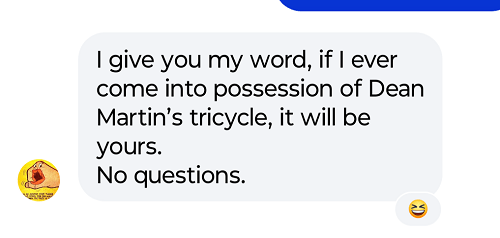
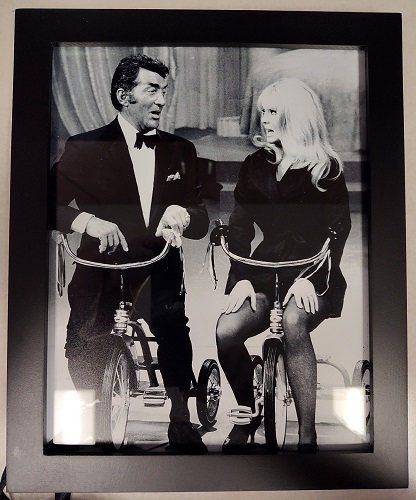
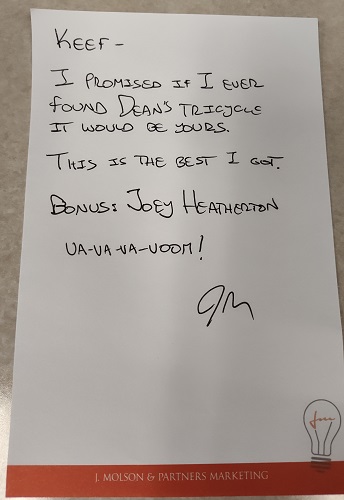

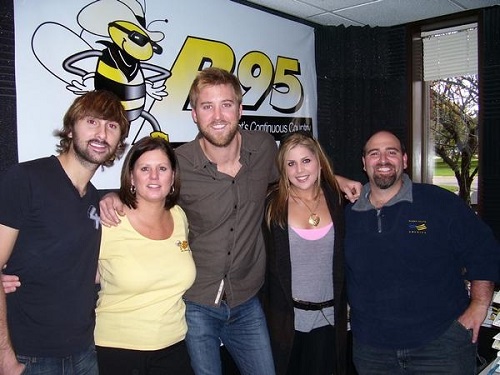

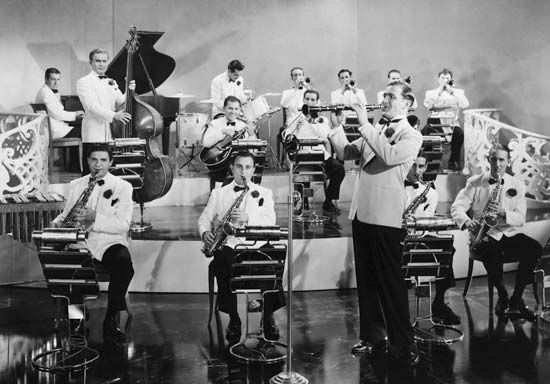
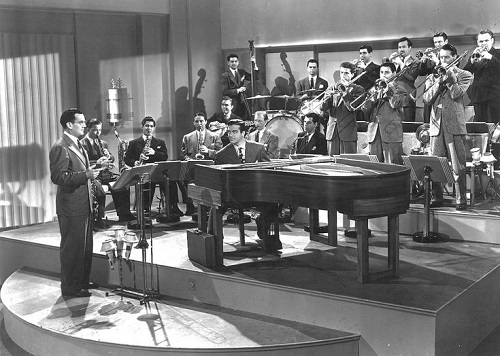
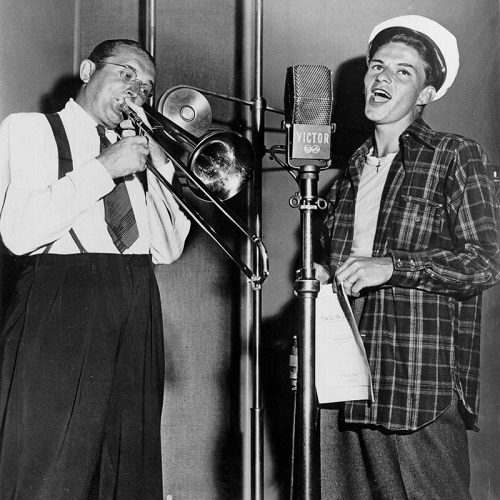
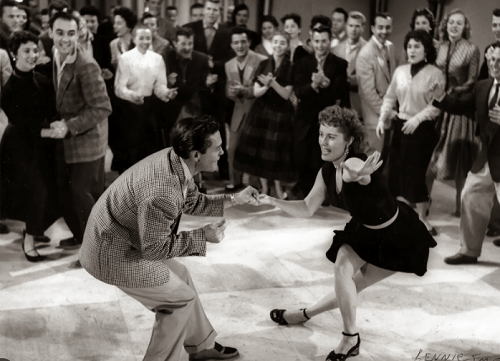
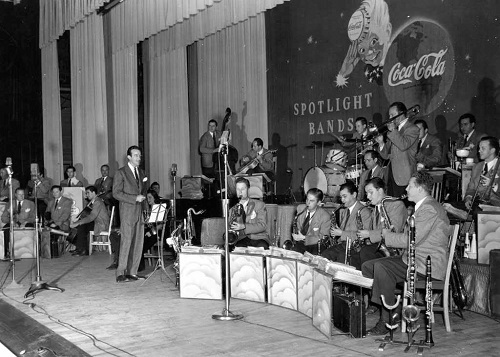
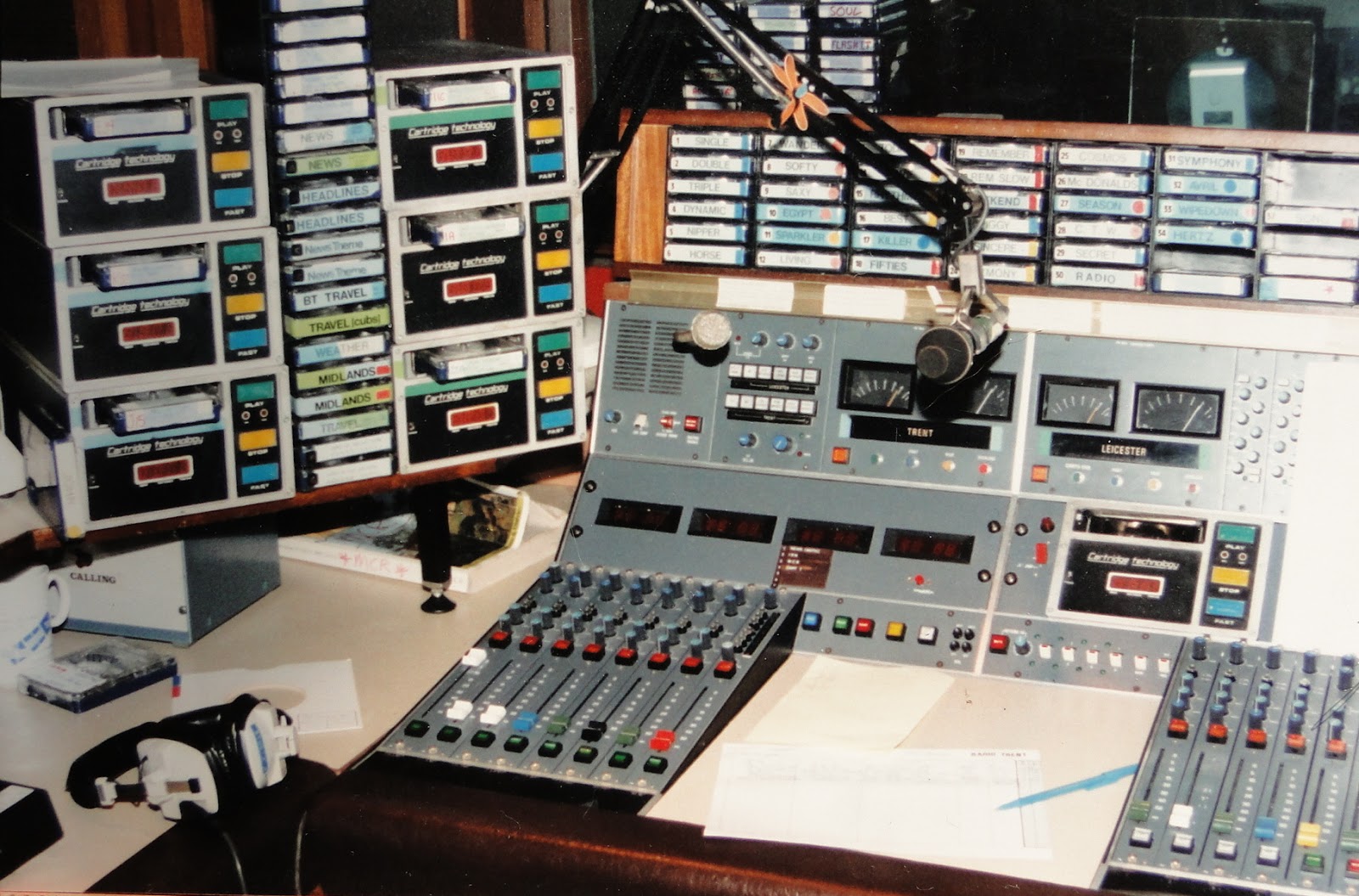


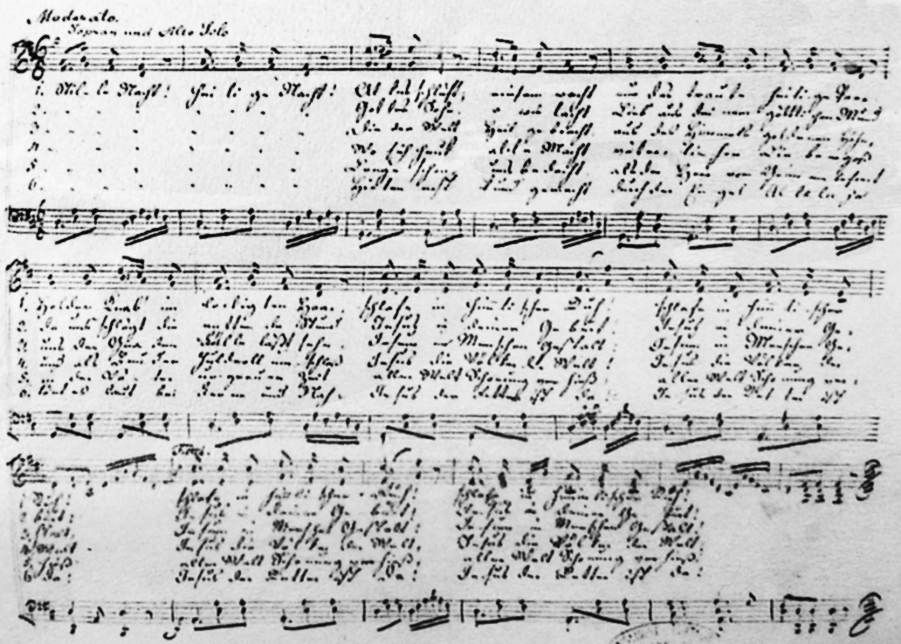

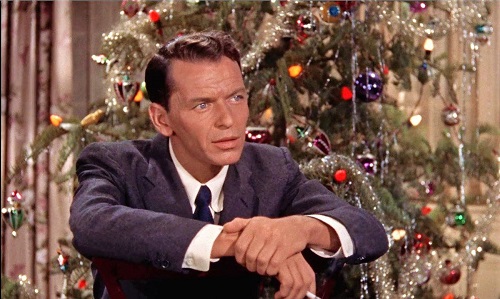
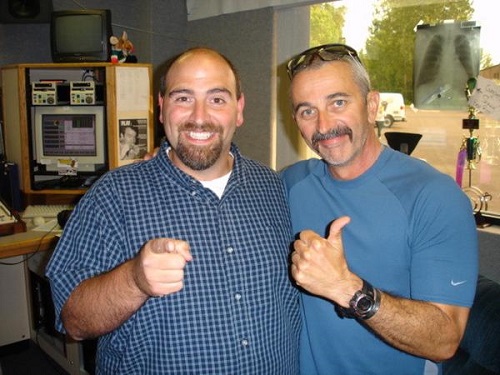
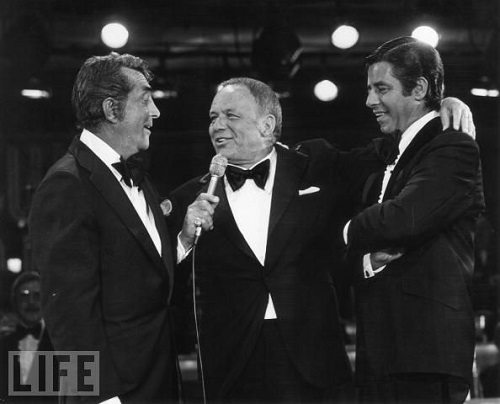
 Various Ramblings of a Nostalgic Italian