

One of the biggest influencers of R&B and Rock and Roll was born on this day in 1911. I just had to do a “shout out” to the great Big Joe Turner!
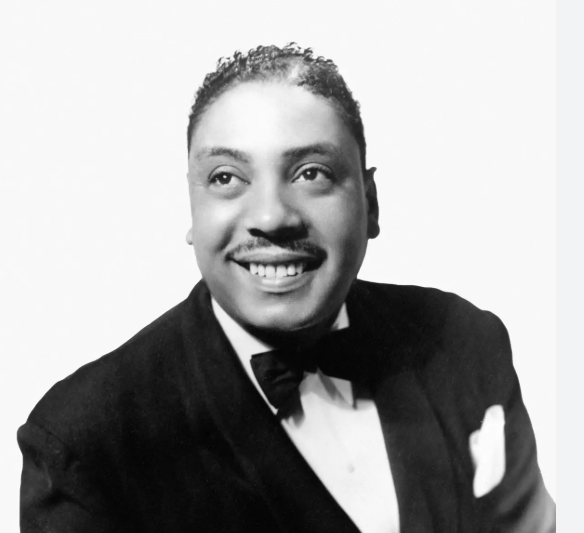
The “Boss of the Blues was born Joseph Vernon Turner Jr. in Kansas City, Missouri. He lost his father when he was only 4 years old. He would leave school at age 18 to work in some of the Kansas City night clubs. As a bartender, he would often sing to his customers. This led to him being called “The Singing Barman.”
From 1939 to the mid-40’s, he moved around to New York and Los Angeles. He would tour and play with the likes of Duke Ellington and Count Basie. While performing with Basie, he was spotted by reps from Atlantic Records. He enjoyed success with the label and one song would really help boost his career – Shake Rattle and Roll.
Songfacts.com says: An Atlantic Records songwriter/producer named Jesse Stone (under the name of Charles Calhoun) wrote this specially for Turner’s New York recording session. Big Joe preferred recording on the road – this was his first Big Apple session in 18 months. “Shake, rattle and roll” was a favorite saying in Stone’s weekly poker game, and while the song is ostensibly about dancing and having a good time, there are a lot of sexual overtones, especially they lyrics, “One-eyed cat peepin’ in a seafood store,” which was supplied by Stone’s drummer, Baby Lovett.
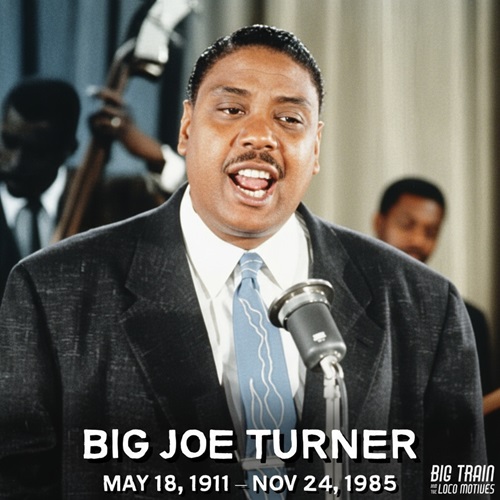
“Everybody was singing slow blues when I was young, and I thought I’d put a beat to it and sing it up-tempo.” – Big Joe Turner
From 1954 to 1958, Big Joe became a fan of the teen population and his music helped to shape Rock and Roll. Hits from this time included Flip Flop and Fly, Well All Right, and Corrine, Corrina.
Corrine, Corrina was first recorded in 1932 by blues man Bo Carter. The song has been recorded in the styles of blues, jazz, Western swing and Rock and Roll. It has been recorded by Cab Calloway, Natalie Cole, Joni Mitchell, Willie Nelson, Eric Clapton, Steppenwolf, Dean Martin, and Ray Peterson.
In 1983 Big Joe was inducted into the Blues Hall of Fame. They said he “was a king of the jump blues genre, a boogie woogie belter, progenitor of rhythm & blues and rock ‘n’ roll, and a respected performer in jazz circles.”
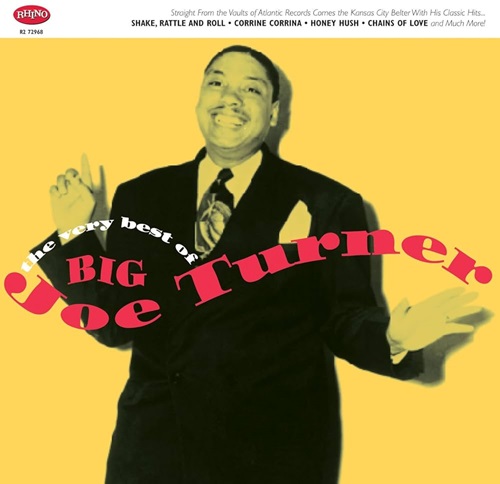
He was inducted posthumously to the Rock and Roll Hall of Fame in 1987.
He died in November of 1985 of heart failure.


‘Flip flop and fly’, everyone my age in Toronto knows that one from a cover of it by the Downchild Blues Band, which I believe briefly included one Dan Ackroyd. Too bad Stevie Wonder wasn’t able to work in a shoutout to Big Joe on ‘Sir Duke’… a lot more people would have heard of him
LikeLiked by 1 person
I didn’t know about Dan being in that band. I know that he and Belushi did a version of it on one of their live albums
LikeLike